
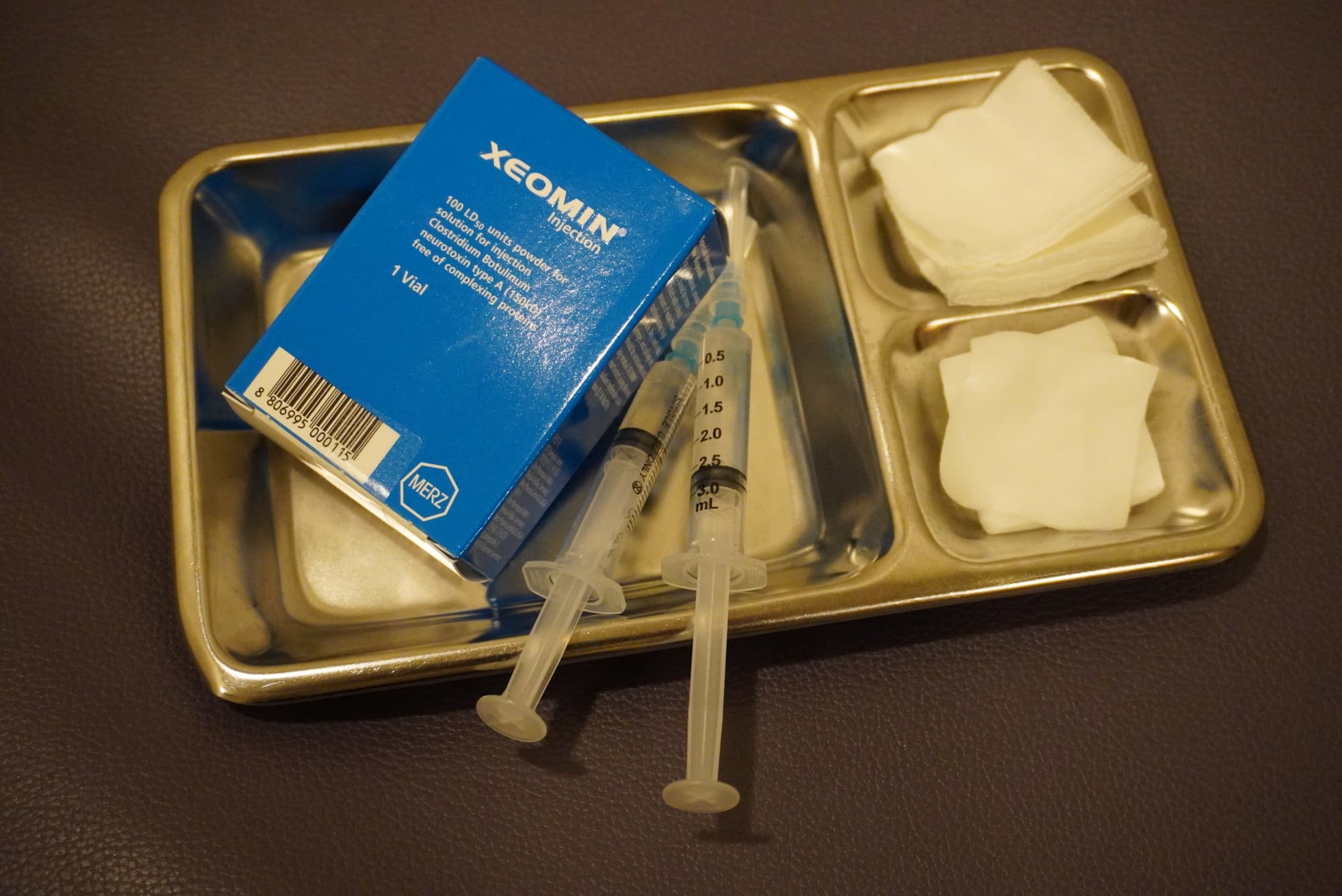
On days when pores look enlarged and fine lines make makeup sit unevenly, the texture and firmness of the skin itself can feel disappointing. One treatment worth considering at such times is skin Botox — Botox injected shallowly into the dermis, also known as dermatoxin. This article explains how skin Botox works, and why treatments of the same name can produce different outcomes.
How skin Botox differs from ordinary Botox
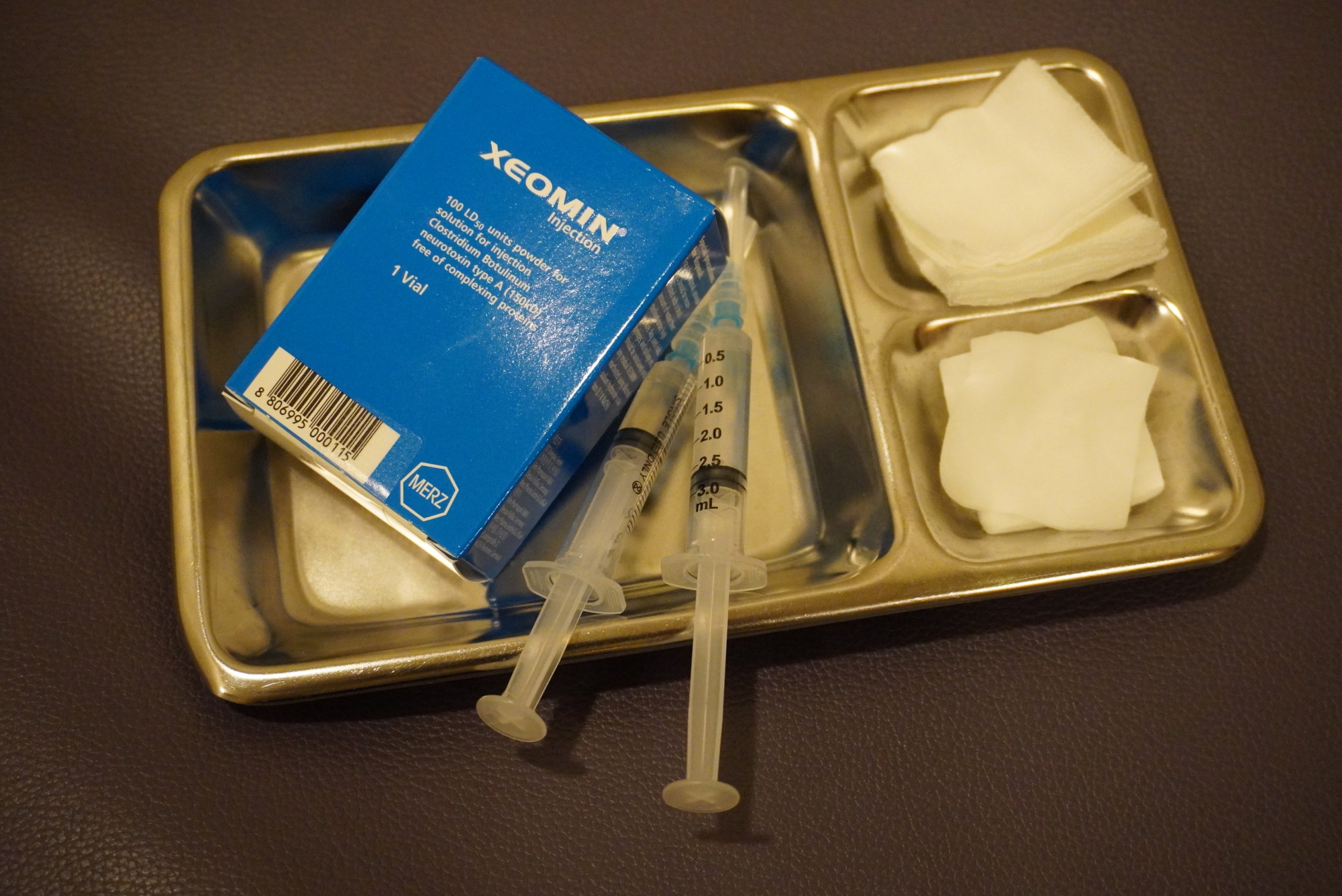
Unlike ordinary Botox, which is injected deep into the muscle at a wrinkle site, skin Botox is an injection technique designed to act shallowly and broadly on the fine muscle fibres and sebaceous glands of the dermis. Through this, fine lines can soften and a subtle radiance can appear on the skin's surface, while enlarged pores tighten for a light tightening effect. At Skinique Clinic this treatment is carried out with Xeomin, a toxin free of additive proteins. The degree of effect and how long it lasts vary between individuals.
Three variables that separate outcomes of the same treatment

When looking into skin Botox, the cc figure quoted alone makes it hard to judge how much toxin is actually delivered. Even at the same 4cc, a higher proportion of saline means correspondingly less active ingredient. Add to this whether the treatment covers the whole face or only part of it, and how many points the injections are divided across, and the final outcome is determined. Skinique Clinic takes 50 units of Xeomin as the standard dose for a full face, and makes it a principle to divide the injections at close intervals.
How the treatment proceeds
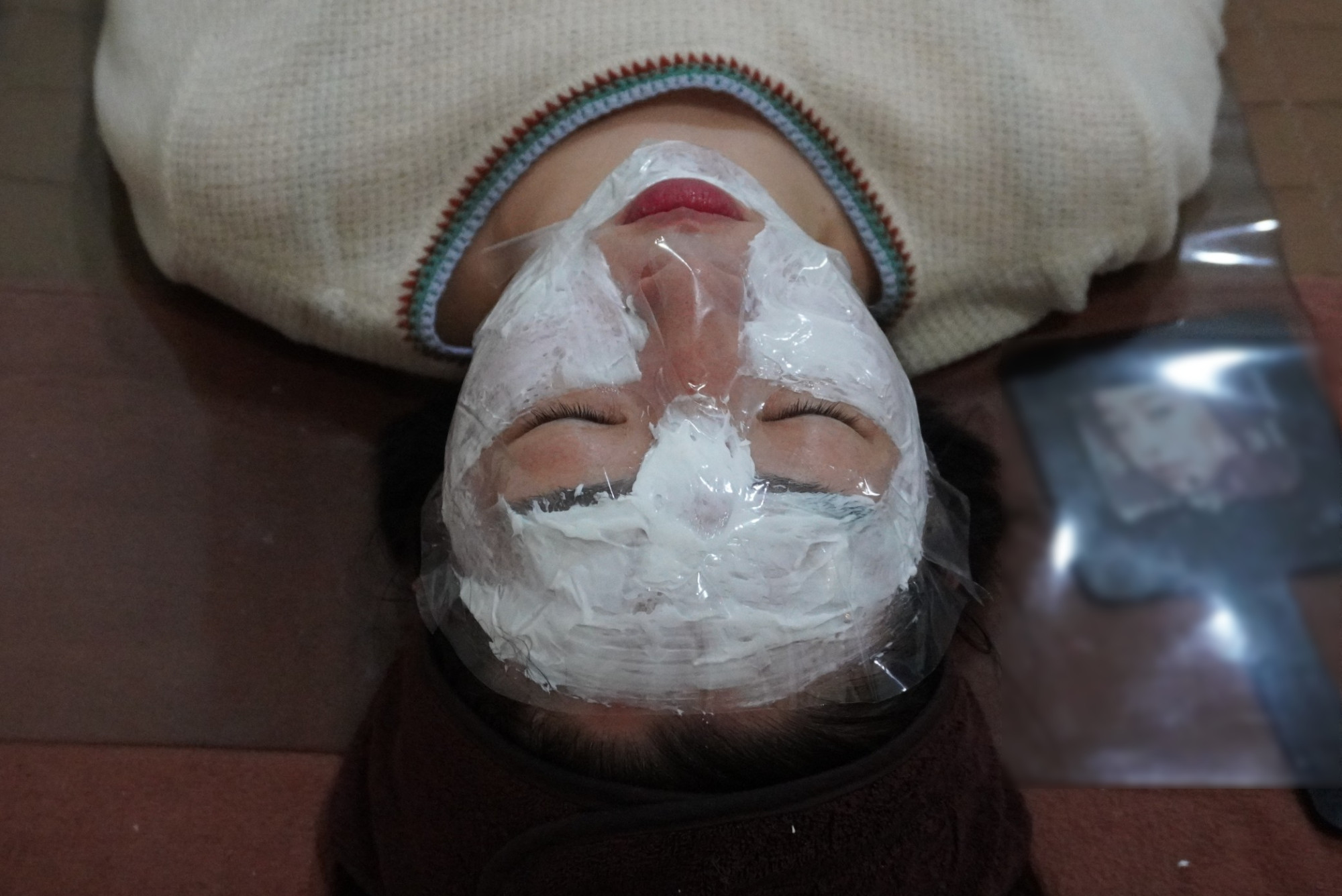
Before treatment, after cleansing, numbing cream is applied generously across the whole face to reduce the stinging. Then 50 units of Xeomin are divided across five syringes, and at this stage the product is opened in view or the empty vial is shown to you directly, confirming that a genuine product is used in the stated quantity.
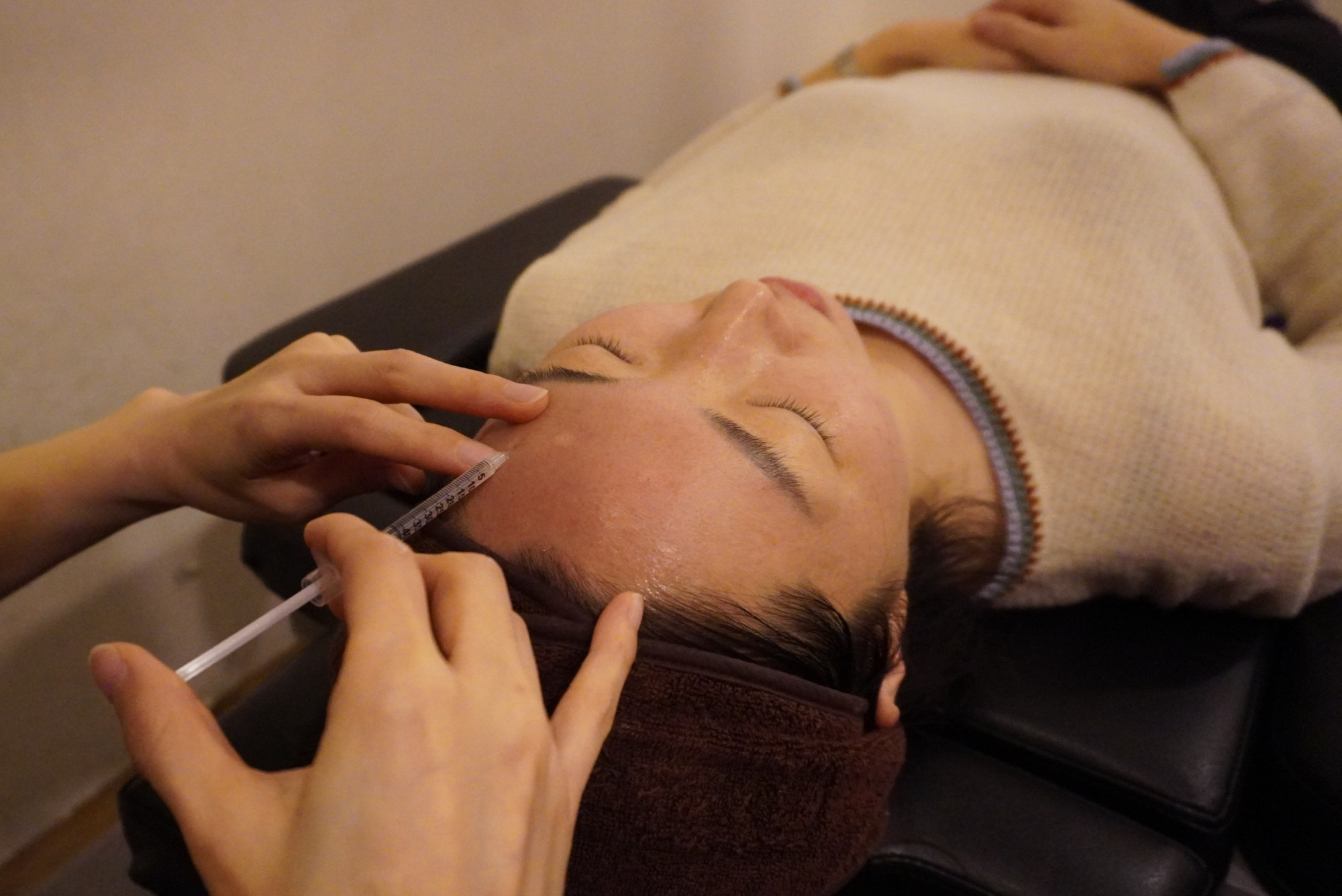
Injections are placed at roughly 20 points per syringe, divided across close to 100 points over the whole face. Even though it takes longer, the points have to be kept closely spaced for the effect to spread evenly, so this part is not skipped.
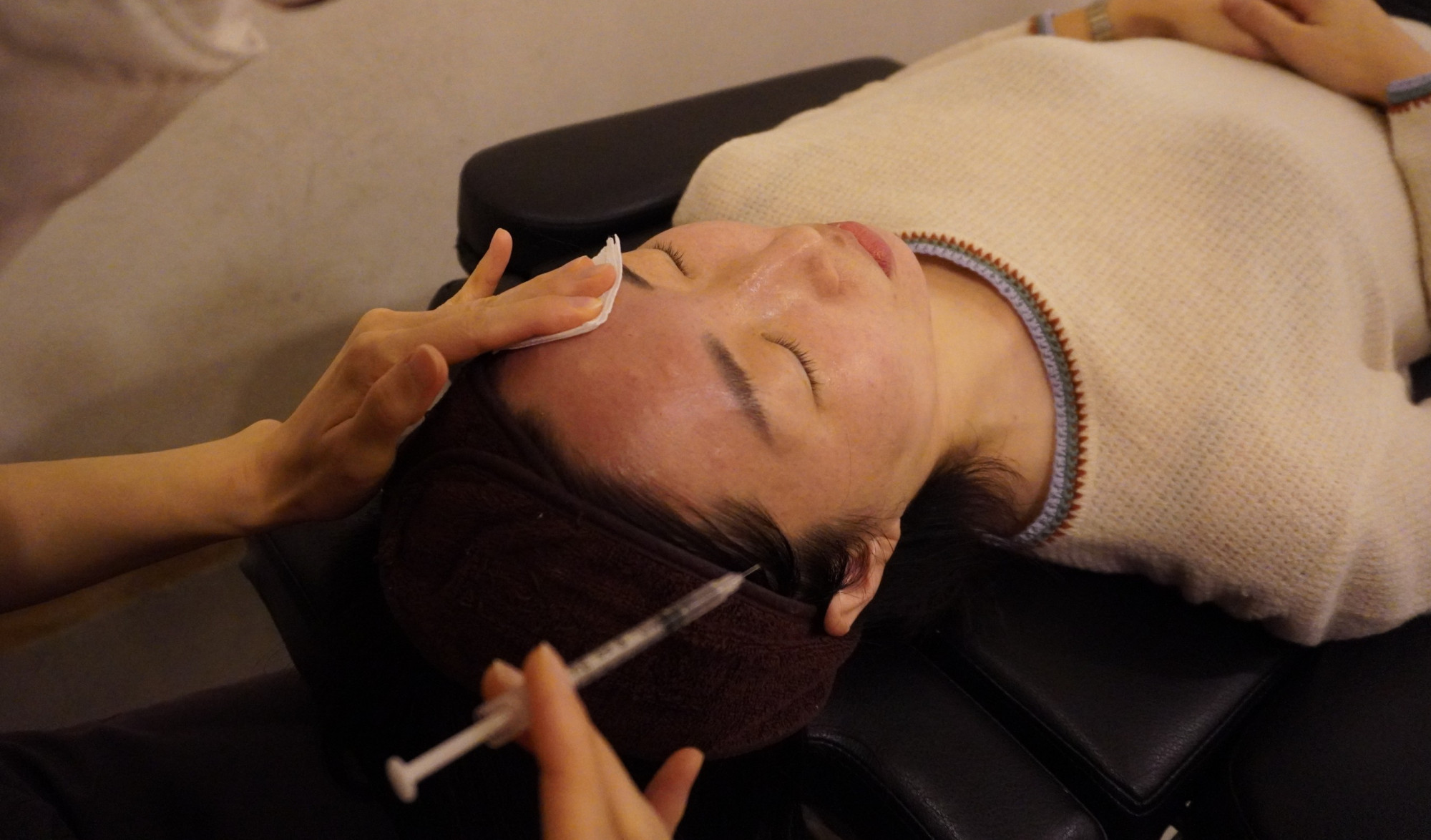
Working without haste, in a calm environment and with full concentration, also matters. Reducing problems that can arise when an injection lands off-position, and reducing bruising, ultimately owes a great deal to the practitioner's concentration.
Not a uniform injection but a plan built around each concern
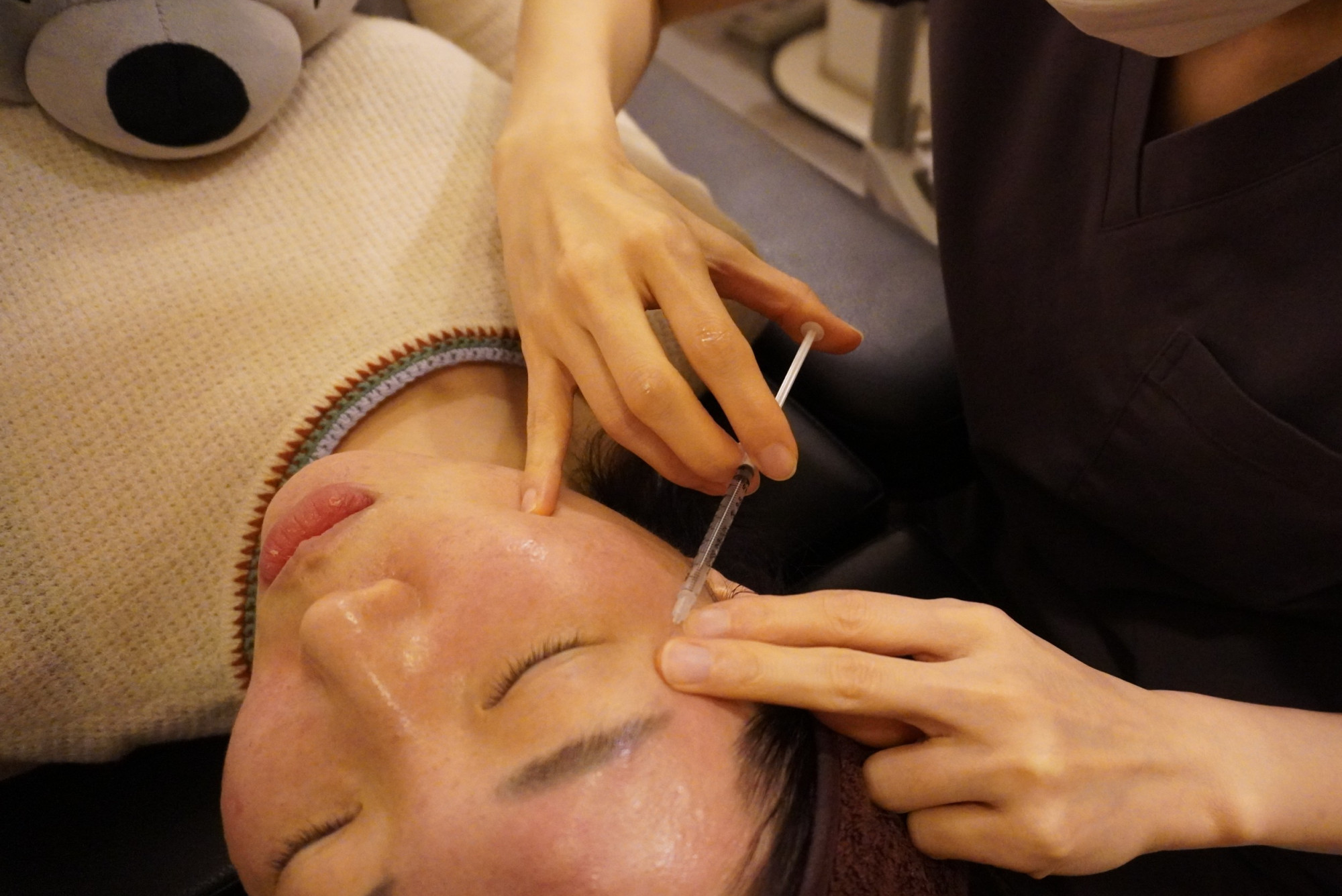
Even with the same skin Botox, the area that bothers each person differs. For some, pores are the main concern; for others, the fine lines under or around the eyes are what they notice first.
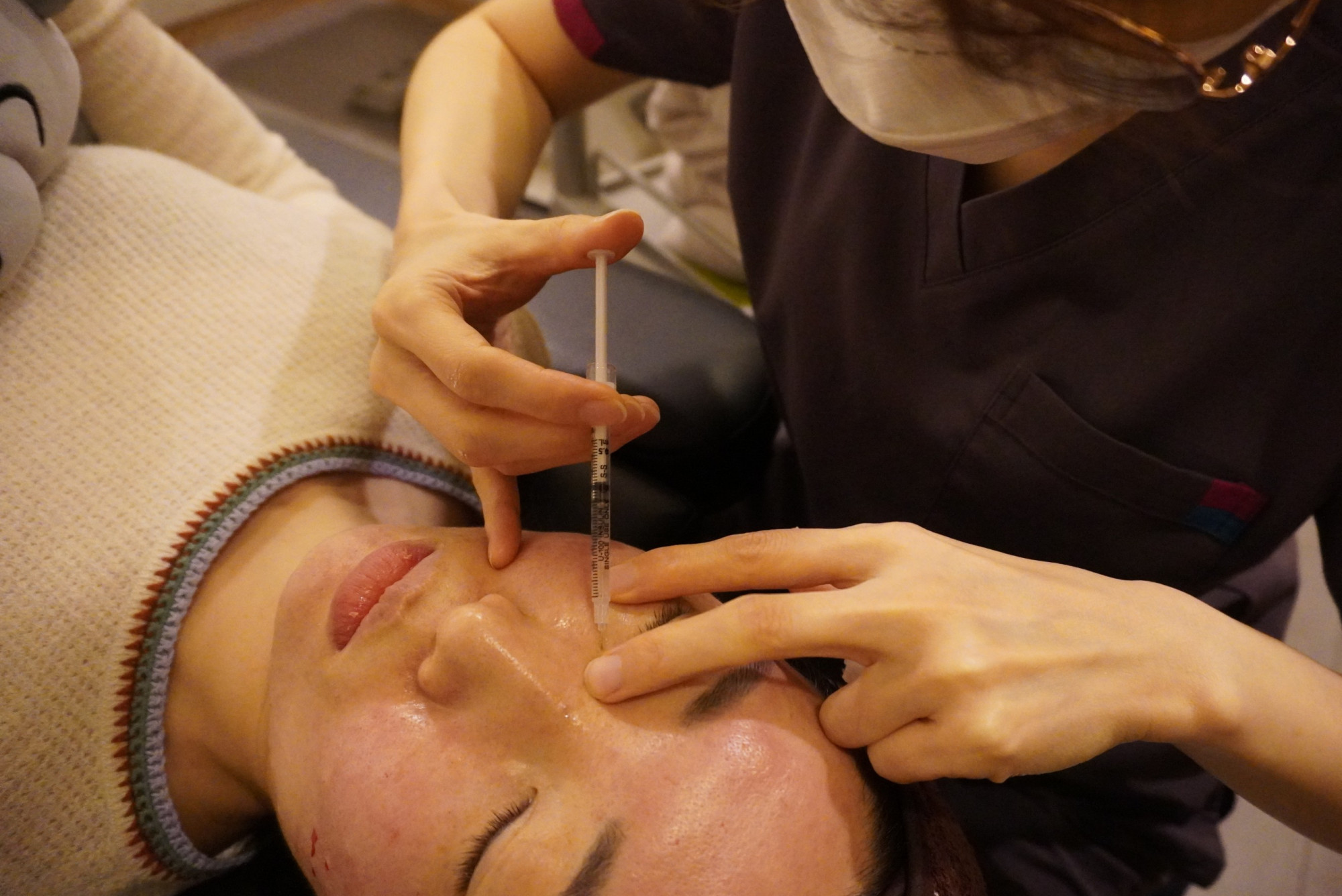
At Skinique Clinic the distribution of injection points is adjusted according to the concerns identified in consultation. If lines around the eyes are the concern, for instance, the density in that area is increased.
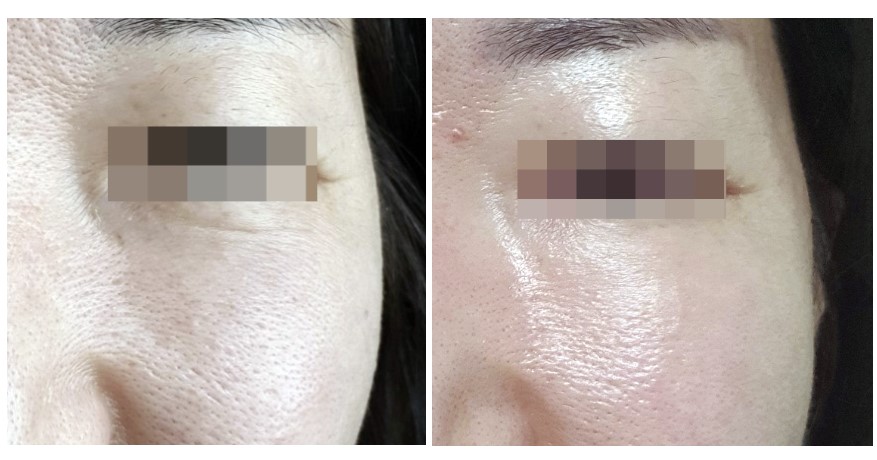
Varying the distribution by area in this way makes it possible to aim at overall improvement in pores, fine lines and skin texture while still reflecting each person's priorities. The pace and degree of response, however, differ with the condition of the skin.
Consider it if this sounds familiar

If fine lines across the face, enlarged pores and a dry, rough texture are your concerns, skin Botox can be one option. Detailed costs can be found on the price guide.
In summary
The outcome of skin Botox turns on which toxin is used and how much of it, and across what area and how many points it is divided. Rather than comparing the cc figures on a price list alone, we suggest weighing dose, coverage and injection density together. If you are wondering whether skin Botox is the right direction for your skin concerns, feel free to ask via a chat consultation on the direction that suits my skin.
This article was written by Dr. Park Tae-hyung. He is the chief director of Skinique Clinic and serves as academic director of the Korean Society for Laser Dermatology and Trichology. First published 30 June 2022 · Last reviewed 24 August 2026
This text is general medical information. Skin condition and response to treatment vary between individuals. Whether and how to treat should be decided through consultation.