
As we age and the eyelids settle downward, the double-eyelid crease narrows and the eyes look less defined, which can change the whole impression of a face. Many people, though, find it hard to commit straight to incisional surgery. This article outlines the principle behind Virtue Eye RF, a radiofrequency treatment that reaches the tissue around the eyes without surgery, and how the session runs.
What kind of device is Virtue RF
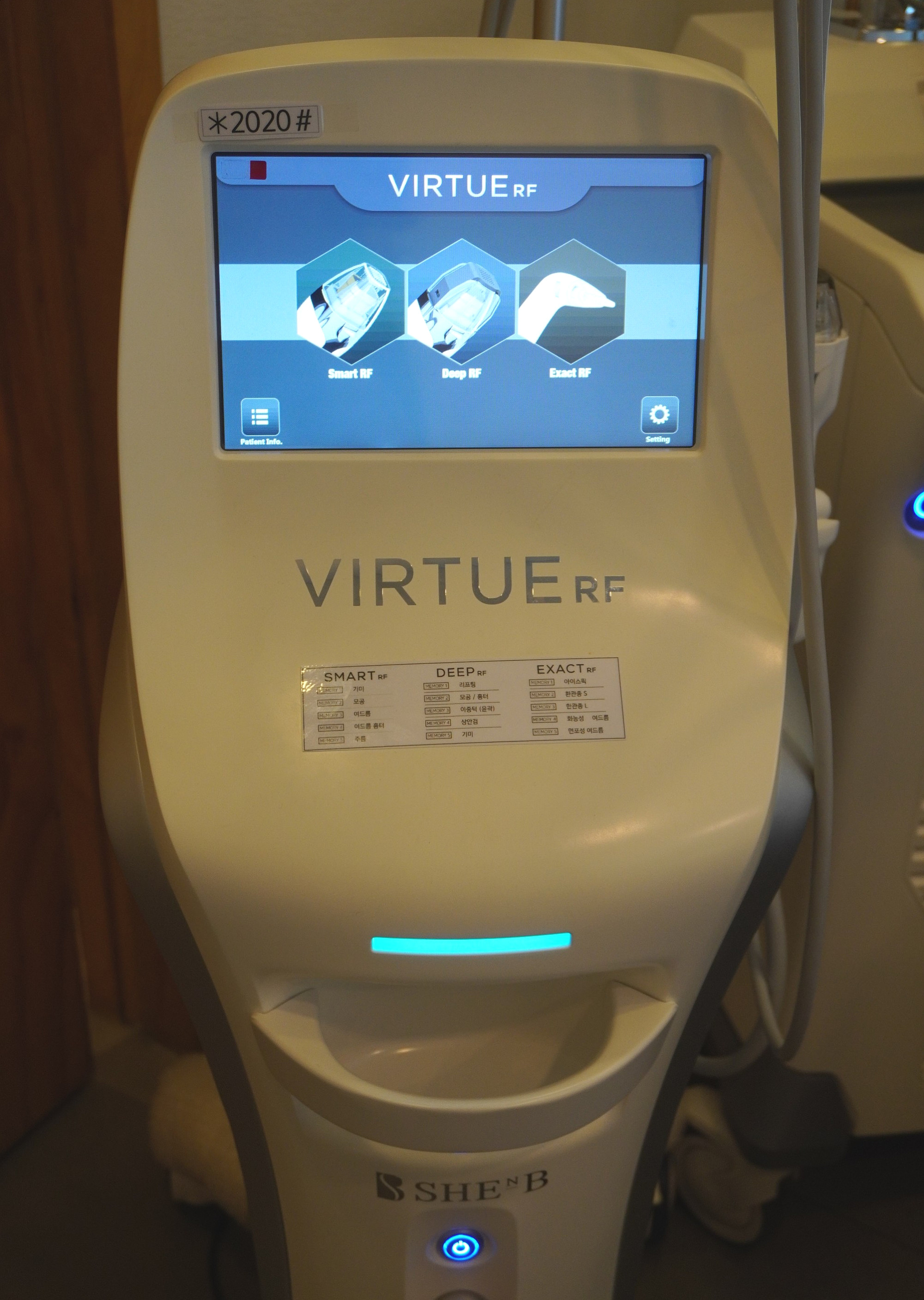
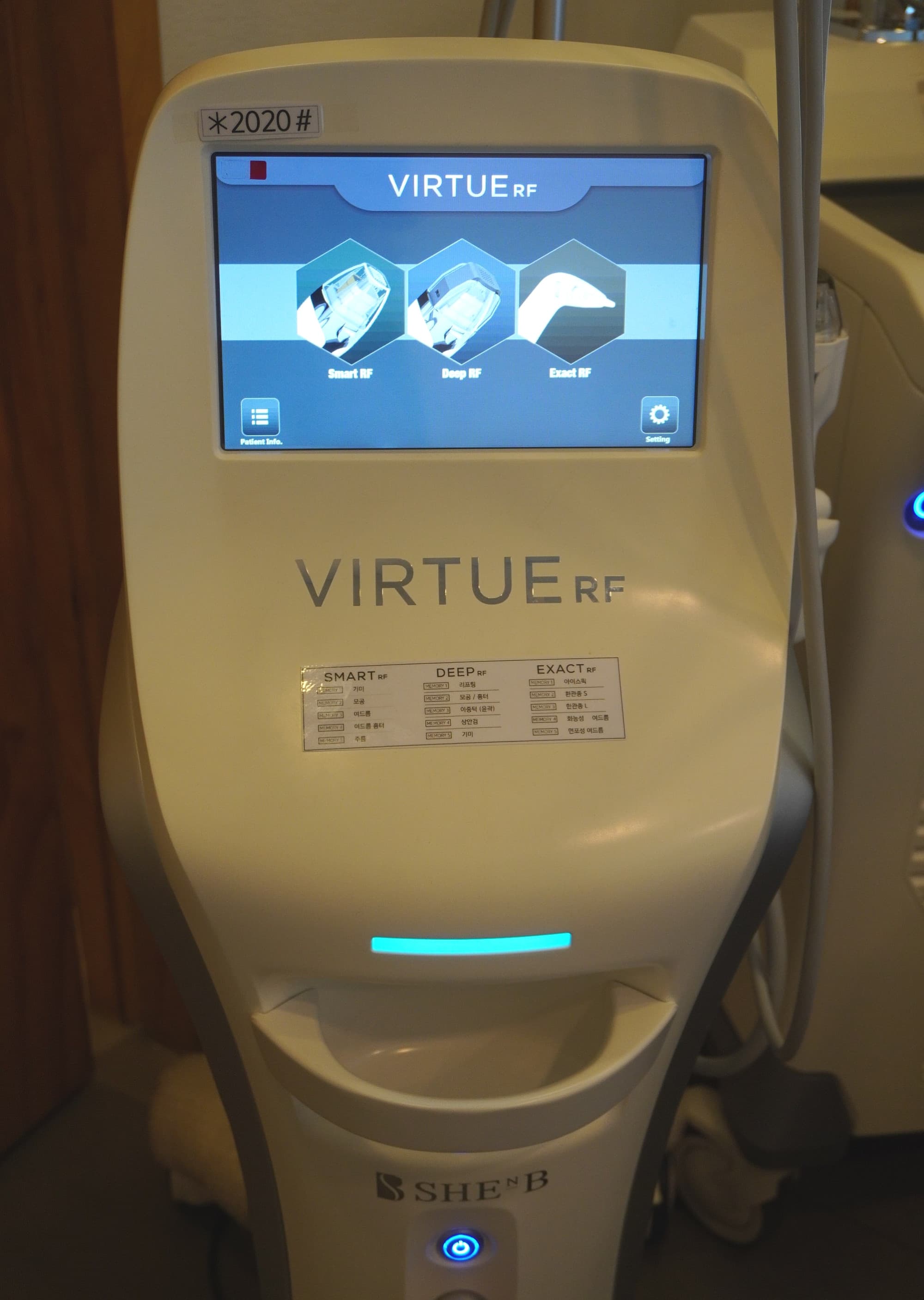
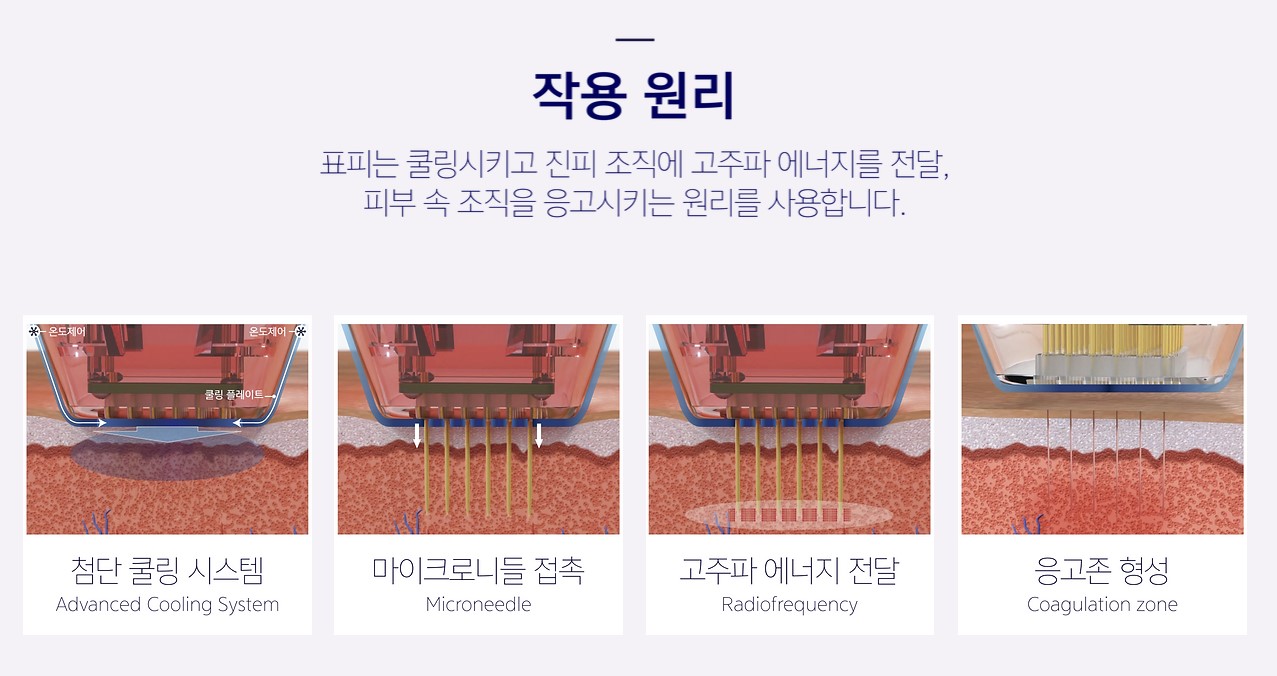
Virtue RF is a device that pairs radiofrequency energy with cooling technology to reduce irritation during treatment. Its core principle is to send radiofrequency energy into the dermal layer through fine needles, and to use that heat to create coagulation zones within the dermis, prompting loosened tissue to contract.
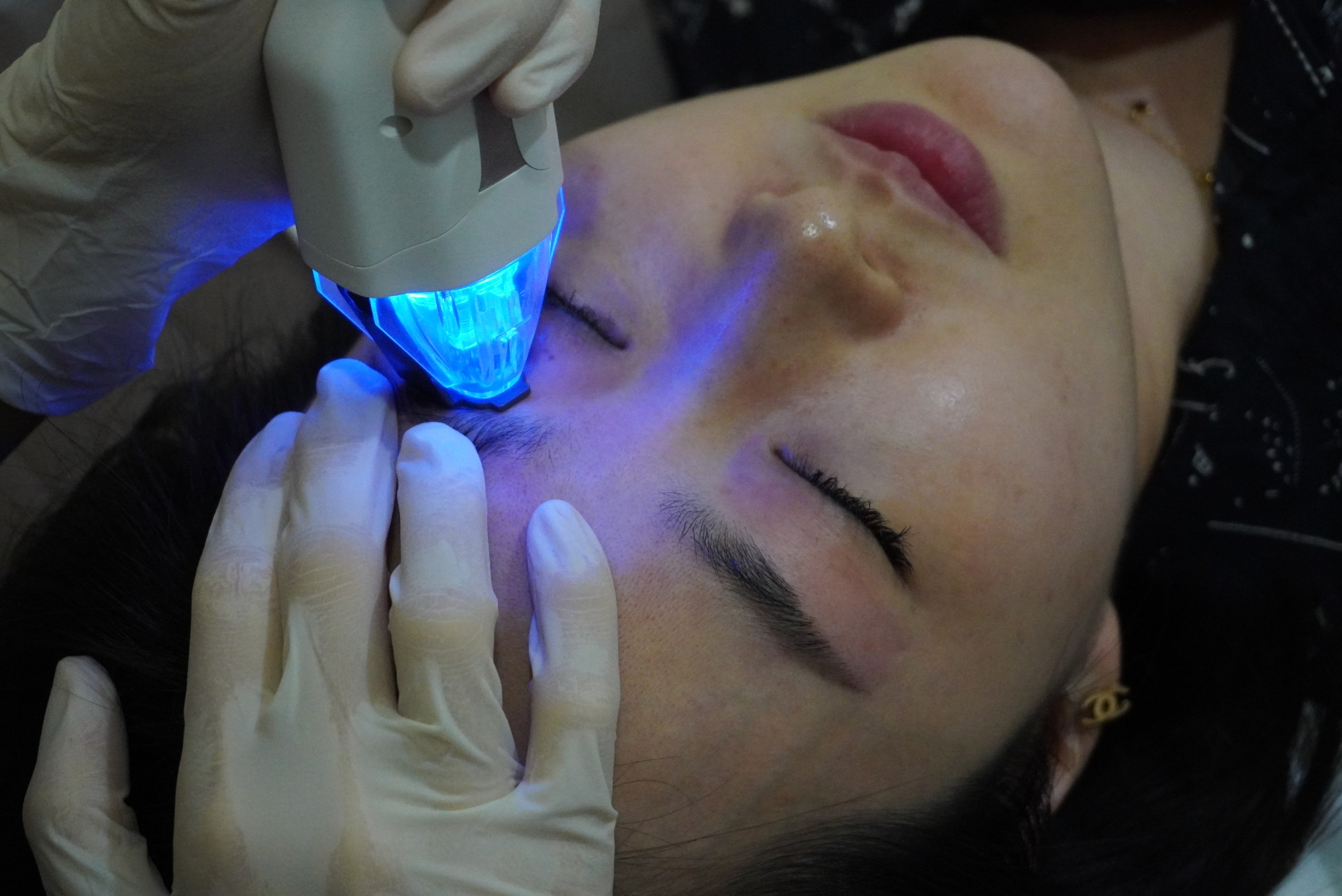
The skin around the eyes is thin and sensitive, which made it a difficult area for conventional lifting devices to work on. Virtue Eye RF is designed to apply needle-based radiofrequency delivery to this area, which makes it an option for approaching eyelid drooping non-surgically, where the discussion once centred on incisional surgery. The relatively lighter burden of discomfort and downtime is another characteristic.
Two frequently asked questions
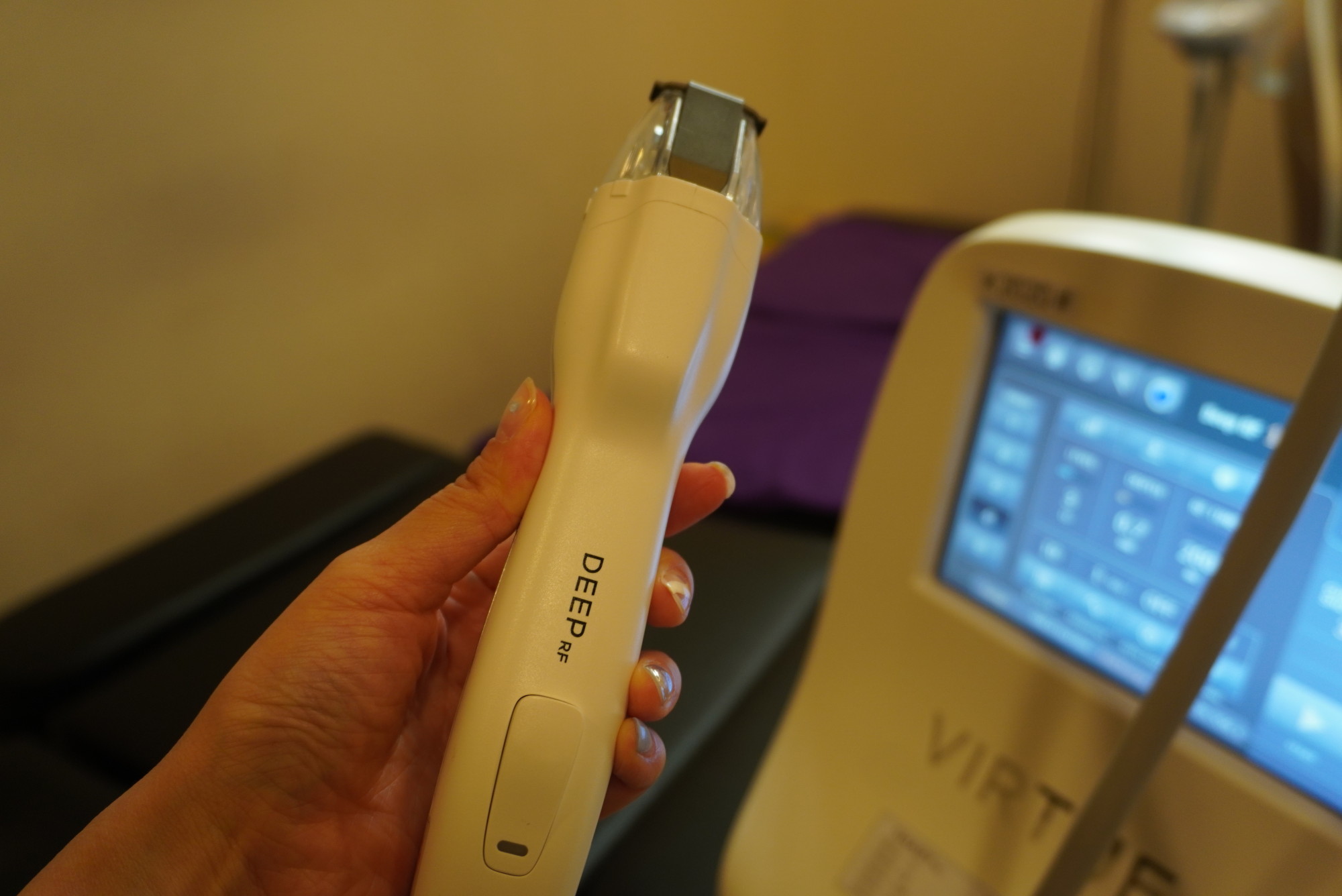
How is thin eyelid skin anaesthetised? No separate anaesthesia step is needed. The DEEP RF handpiece used for the treatment contains a patented cooling system that chills the skin surface while the energy is delivered, easing discomfort.
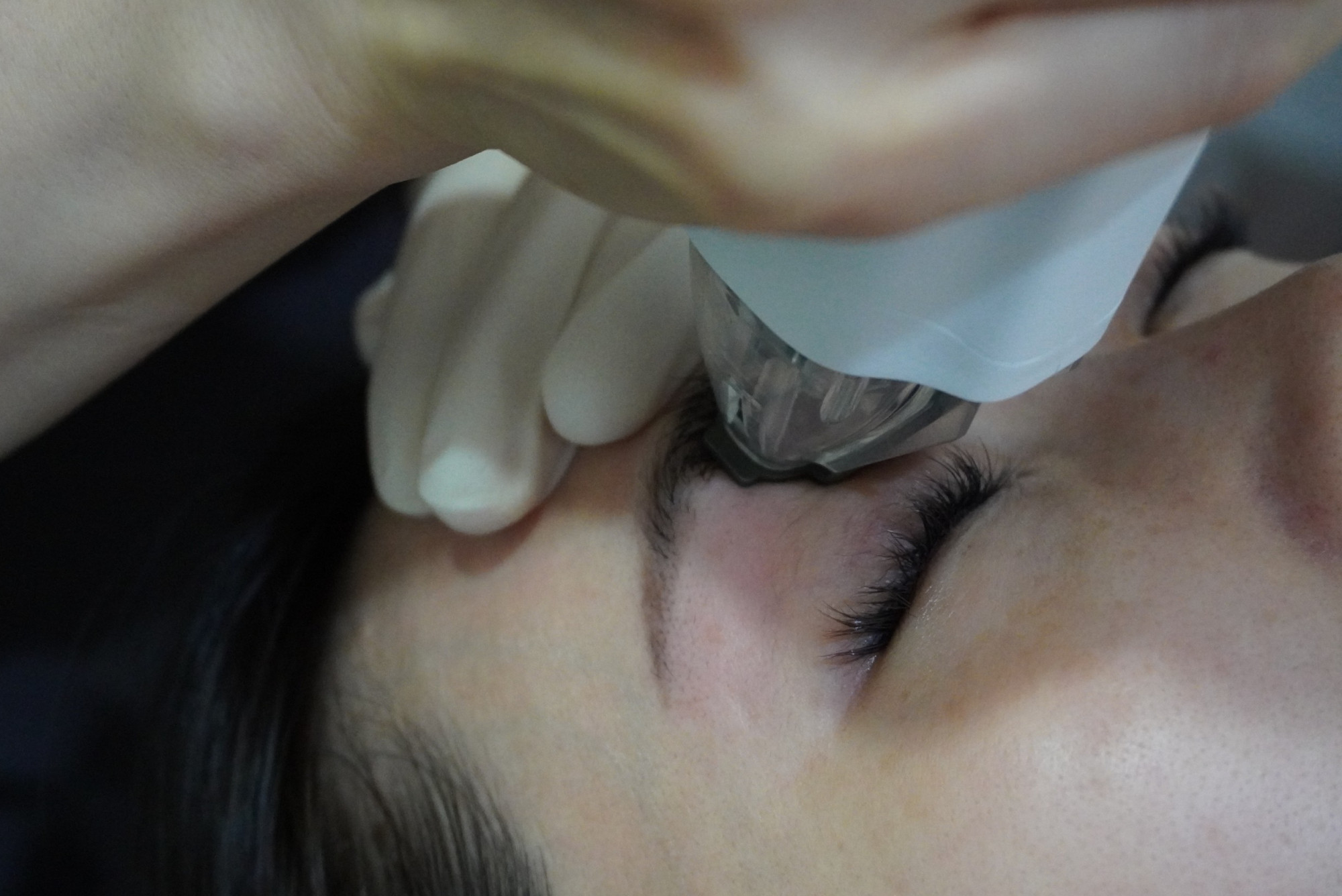
Is it an area where needles can safely go? The depth is adjustable from 0.1mm in 0.1mm increments, so energy can be delivered precisely to only the depth required, even on skin as thin as the eyelid.
How the treatment proceeds
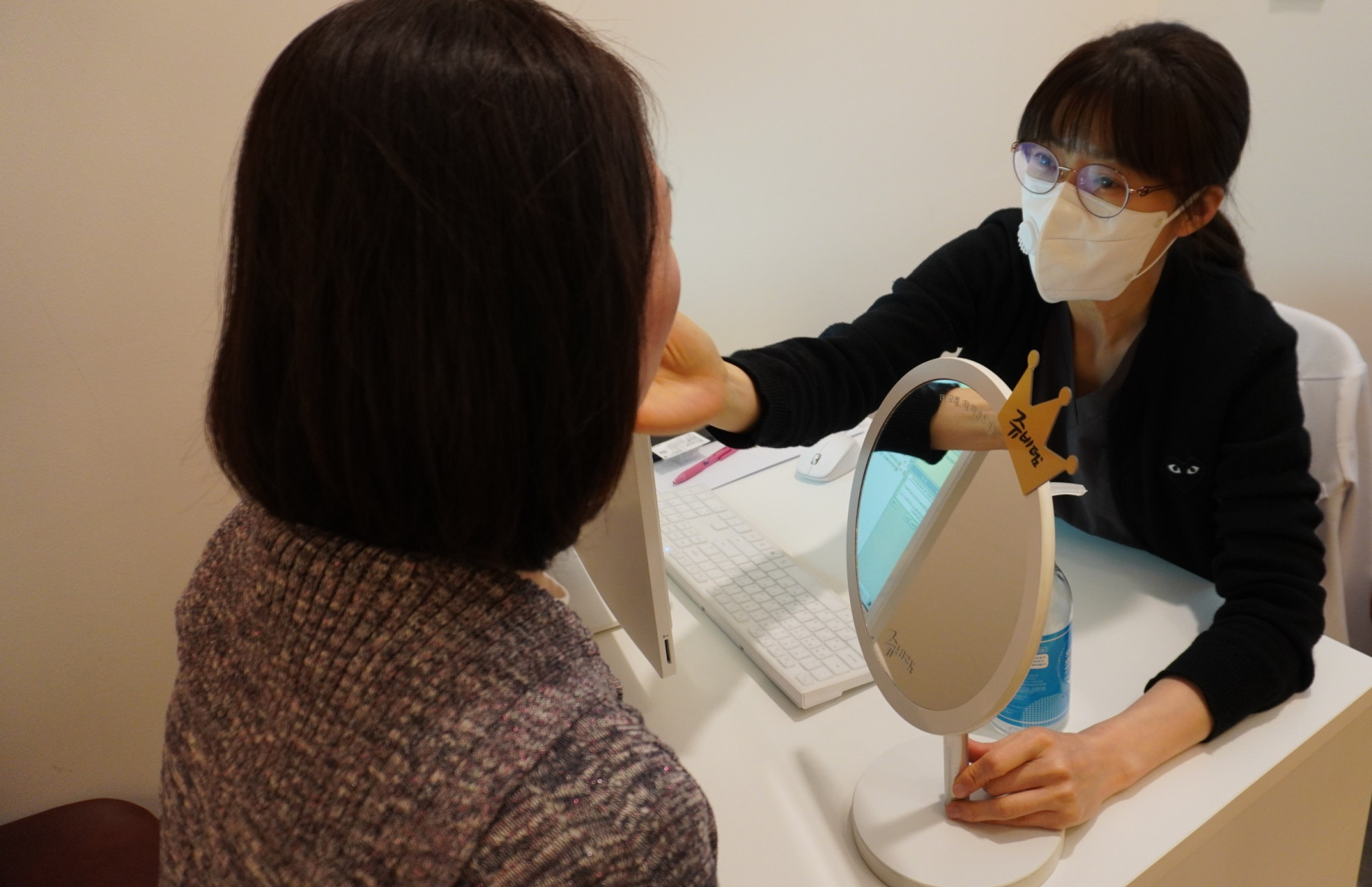
At Skinique Clinic, the consultation before treatment includes observing which muscles you use when opening your eyes, and that reading is used to plan where and in which direction the energy will be delivered.
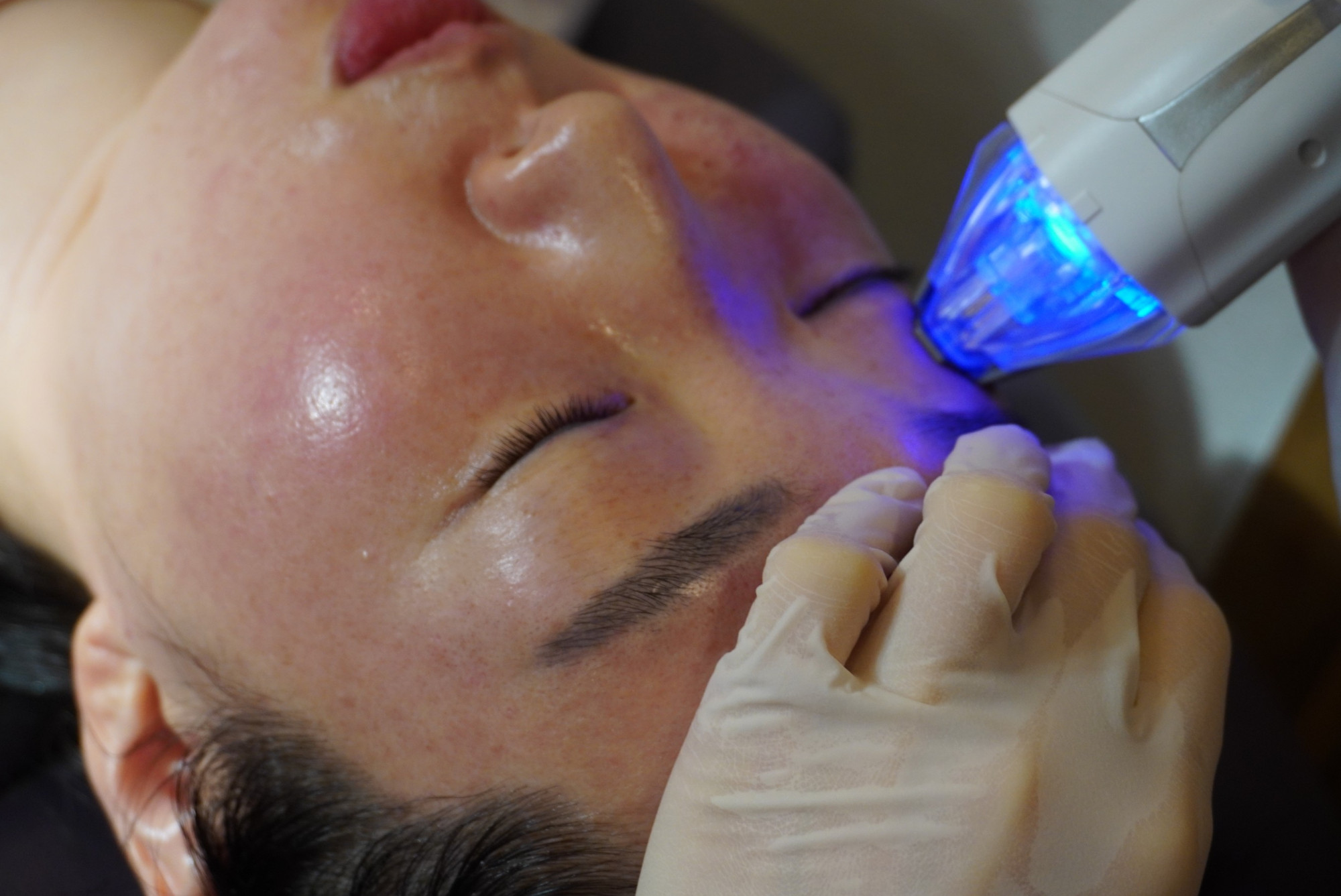
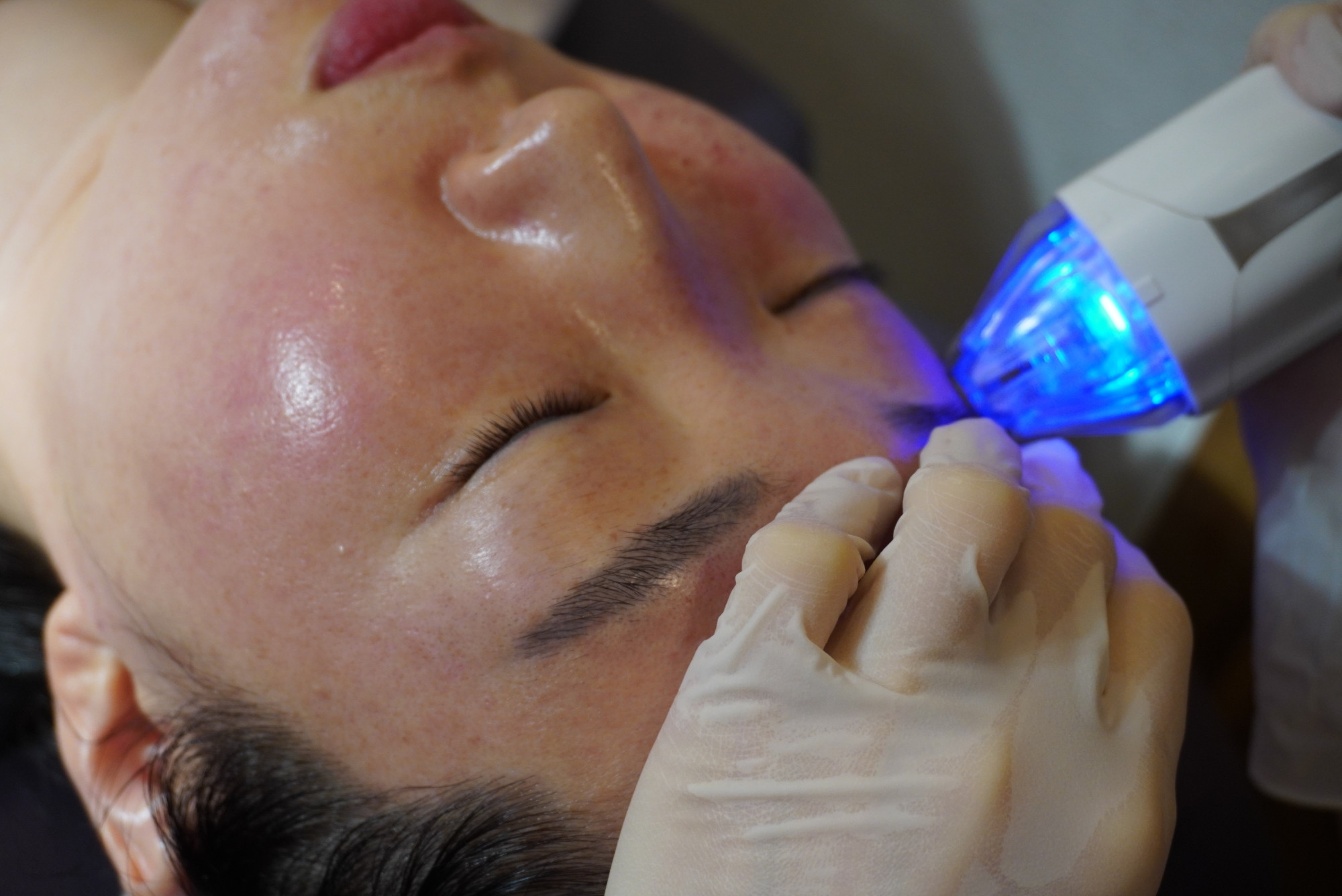
Because there is no anaesthesia step, cleansing and disinfection lead straight into the treatment. Using the DEEP RF handpiece, energy is delivered across the tissue involved in opening the eyes, including the upper eyelid, the brow and the area above it, with the depth and intensity chosen to suit each part. After the session, as the skin covering the eye settles, the eyes can look more defined and the lashes and crease that were hidden may become visible. It is usually carried out over several sessions at intervals of one to two weeks, and how quickly and how much the skin responds varies from person to person.
Worth a consultation if any of this sounds familiar

If your crease is covered by the eyelid so your eyes look smaller, if drooping skin covers part of the iris, if the two eyelids sit at different heights and the asymmetry bothers you, or if you are often told you look sleepy, it is worth checking in consultation whether a non-surgical approach is possible. Detailed pricing is available on the price guide.
Wrapping Up
Virtue Eye RF uses microneedle radiofrequency with added cooling to create coagulation zones in the dermis around the eyes, approaching eyelid drooping without incisions. The key points are that it runs without anaesthesia and that its fine depth control allows it to be used on thin skin around the eyes. If you would like to know whether it suits the condition of your eyelids, feel free to ask through a chat consultation about your eye-area concerns.
This article was written by Dr. Park Tae-hyung, Chief Director. He is the chief director of Skinique Clinic and serves as academic director of the Korean Society for Laser Dermatology and Trichology. First published June 26, 2022 · Last reviewed August 24, 2026
This article is general medical information. Skin condition and response to treatment vary from person to person. Whether to undergo treatment, and which method to use, should be decided through an in-person consultation.