
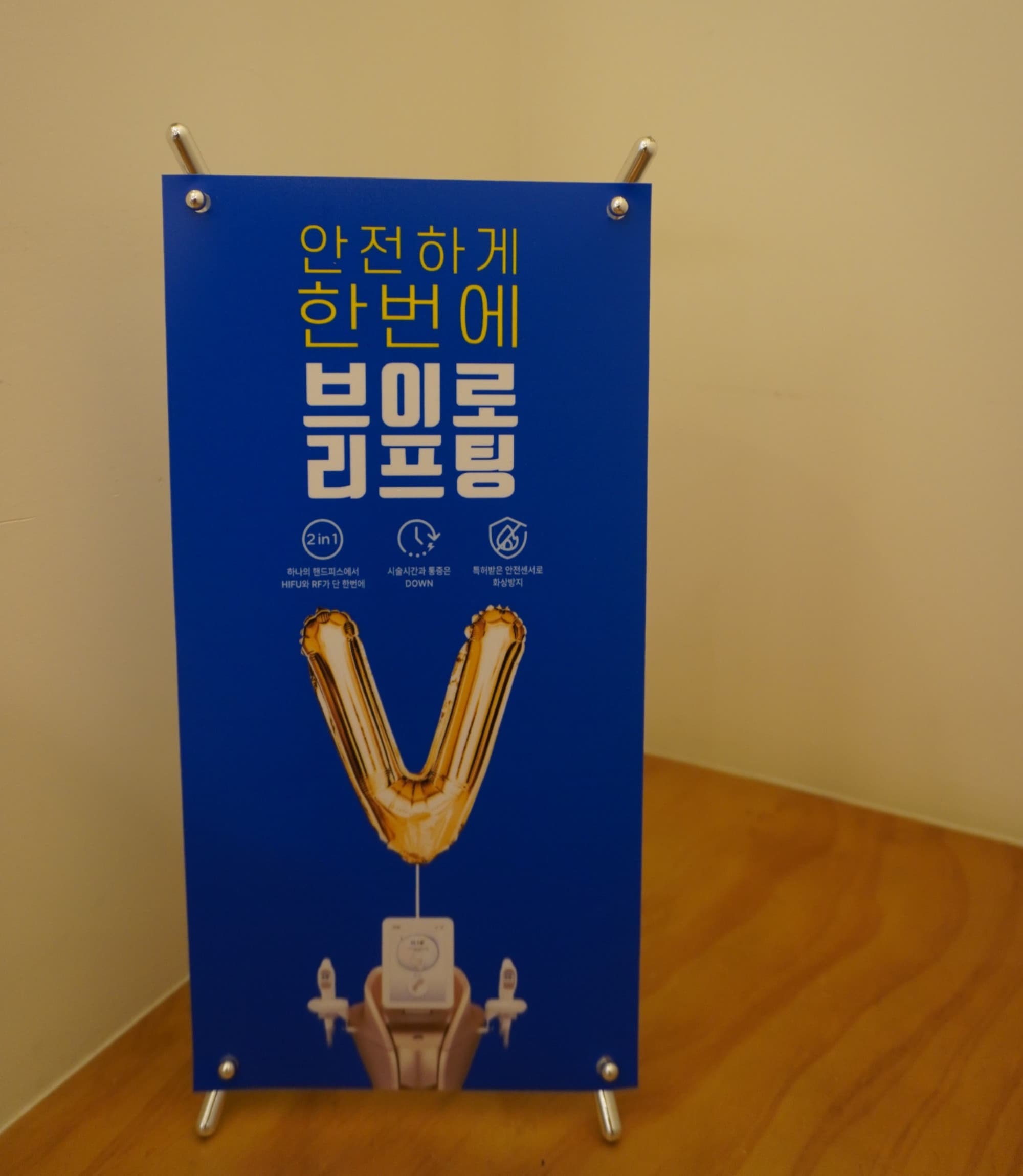
When researching lifting treatments, many people end up putting off the decision between the ultrasound family and the radiofrequency family. Ultrasound is said to be strong on facial contours while RF excels at skin firmness and texture — but getting both is a burden in cost and time. V-RO is a lifting treatment built so these two energies can be delivered back to back on a single device. This article introduces the device's features and how the treatment proceeds at Skinique Clinic.
One device that handles both ultrasound and RF
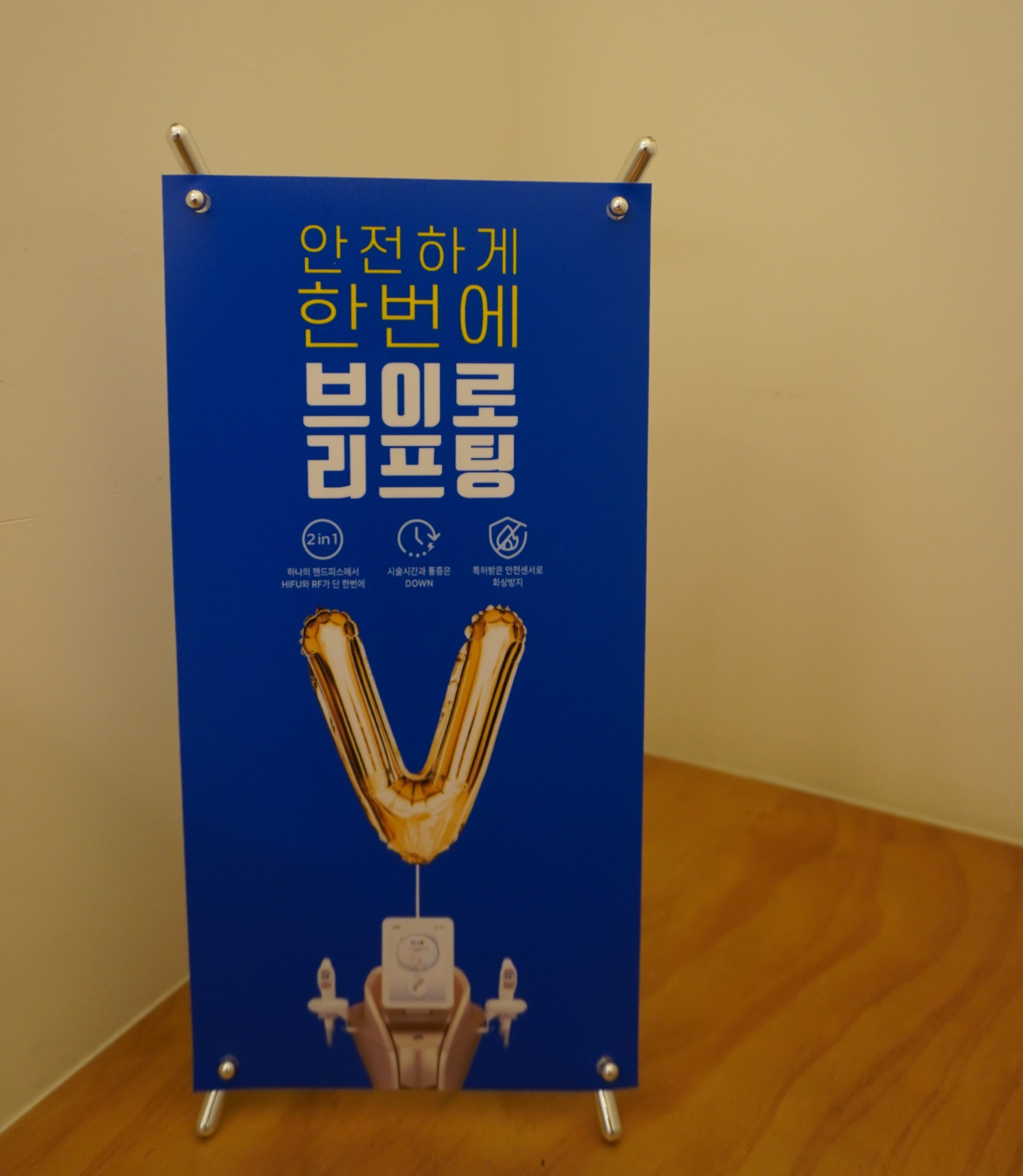
V-RO is a lifting device released as the successor to Doublo and Doublo Gold. It can apply HIFU ultrasound and RF radiofrequency sequentially within one session, so the key point is that you can look for the combined action of both approaches while shortening treatment time. It also carries two kinds of sensors — contact detection and motion detection — designed to reduce the burn risk that can arise when handling high thermal energy.
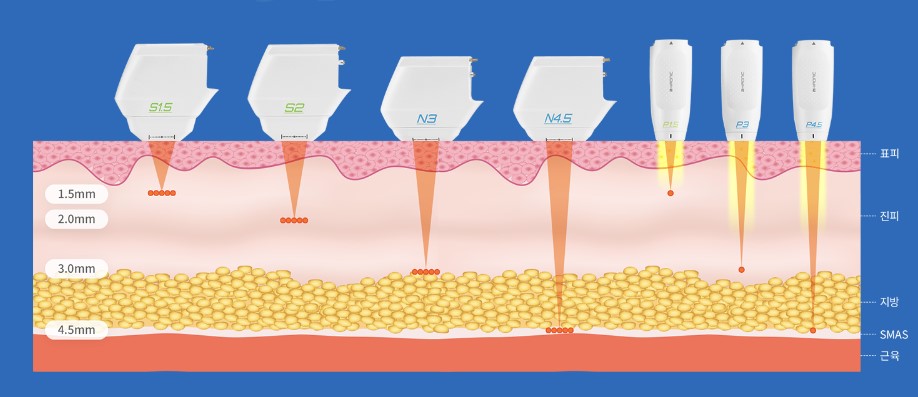
With a wide range of cartridges, the target depth can be set differently for each person's skin thickness and condition,
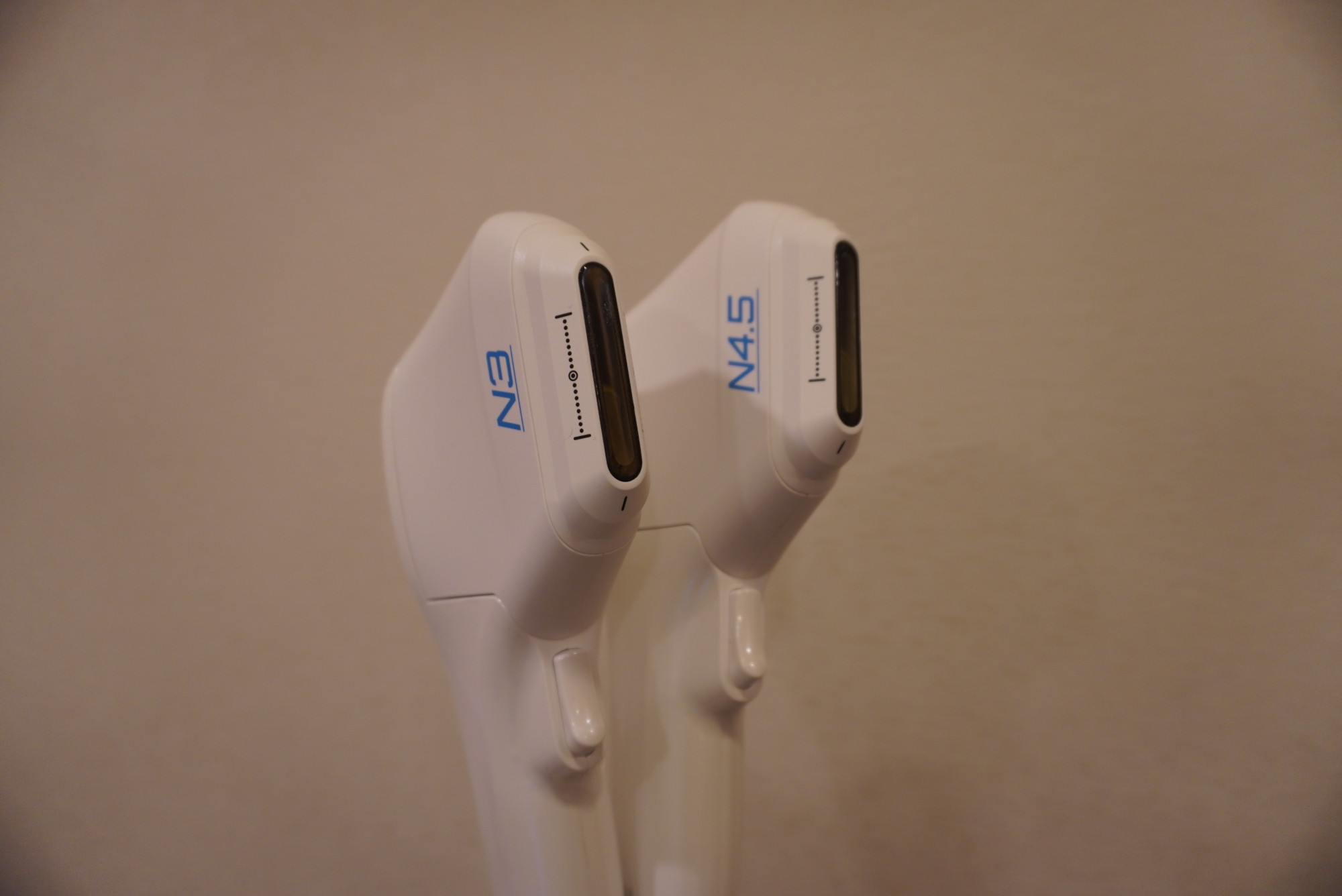
and the cartridges are slimmer than in the previous generation, allowing finer control over each delivery point.
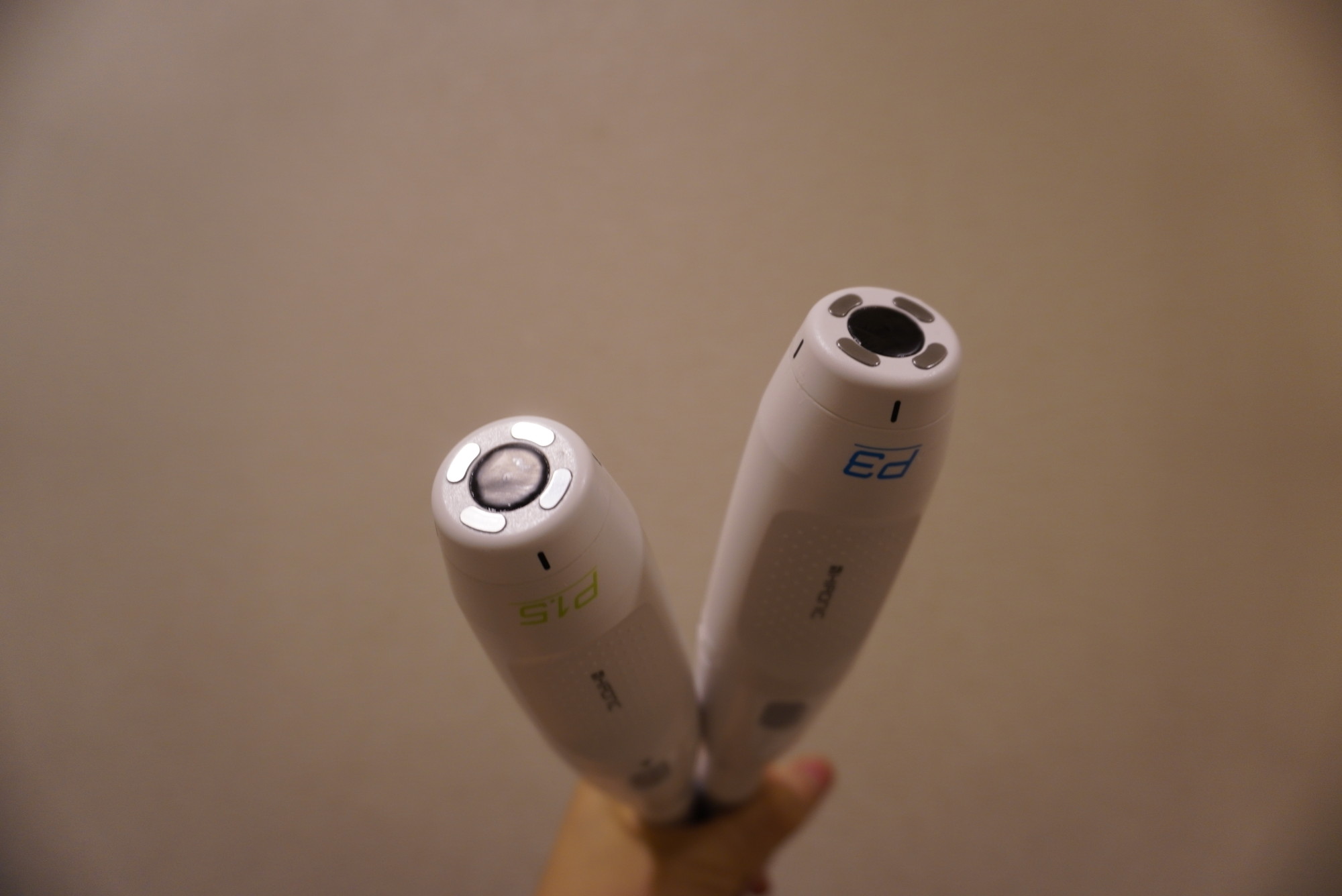
Another distinctive feature is the added pen-type handpiece, which is well suited for reaching narrow, curved areas like the forehead and the eye area.
Consultation is half the treatment
The treatment flow is: pre-treatment consultation, cleansing and numbing cream, the main treatment, then soothing care. Of these, the two steps that shape the result are the consultation and the main treatment.
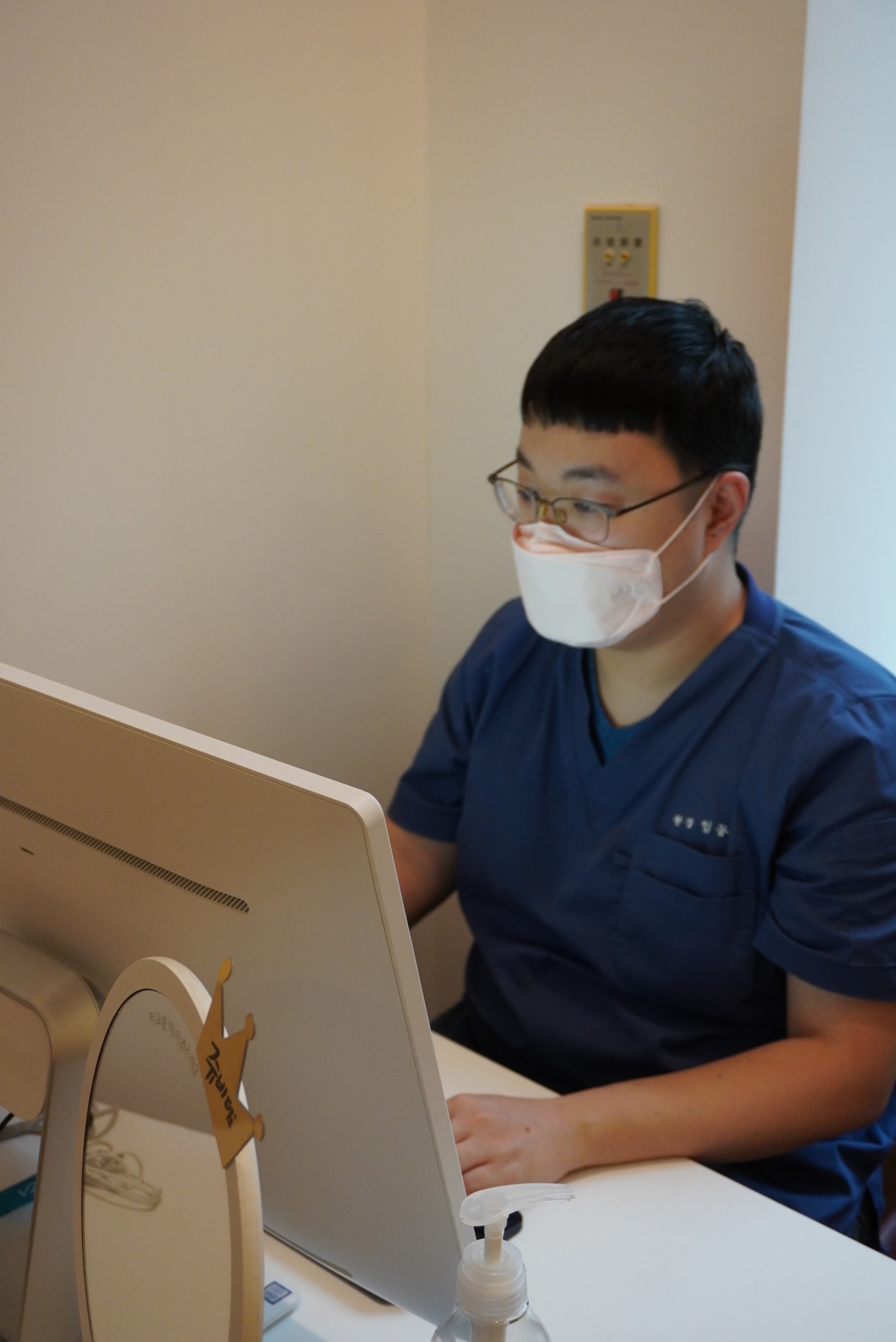
At Skinique Clinic, the pre-treatment consultation is conducted not by a consultant but by the doctor who performs the treatment. It is where we confirm in advance whether the treatment you have in mind truly fits your skin concerns, and plan which areas will be treated and how. Even under the same lifting name, skin type and facial contours differ from person to person, so this needs to be assessed and reflected in the treatment.
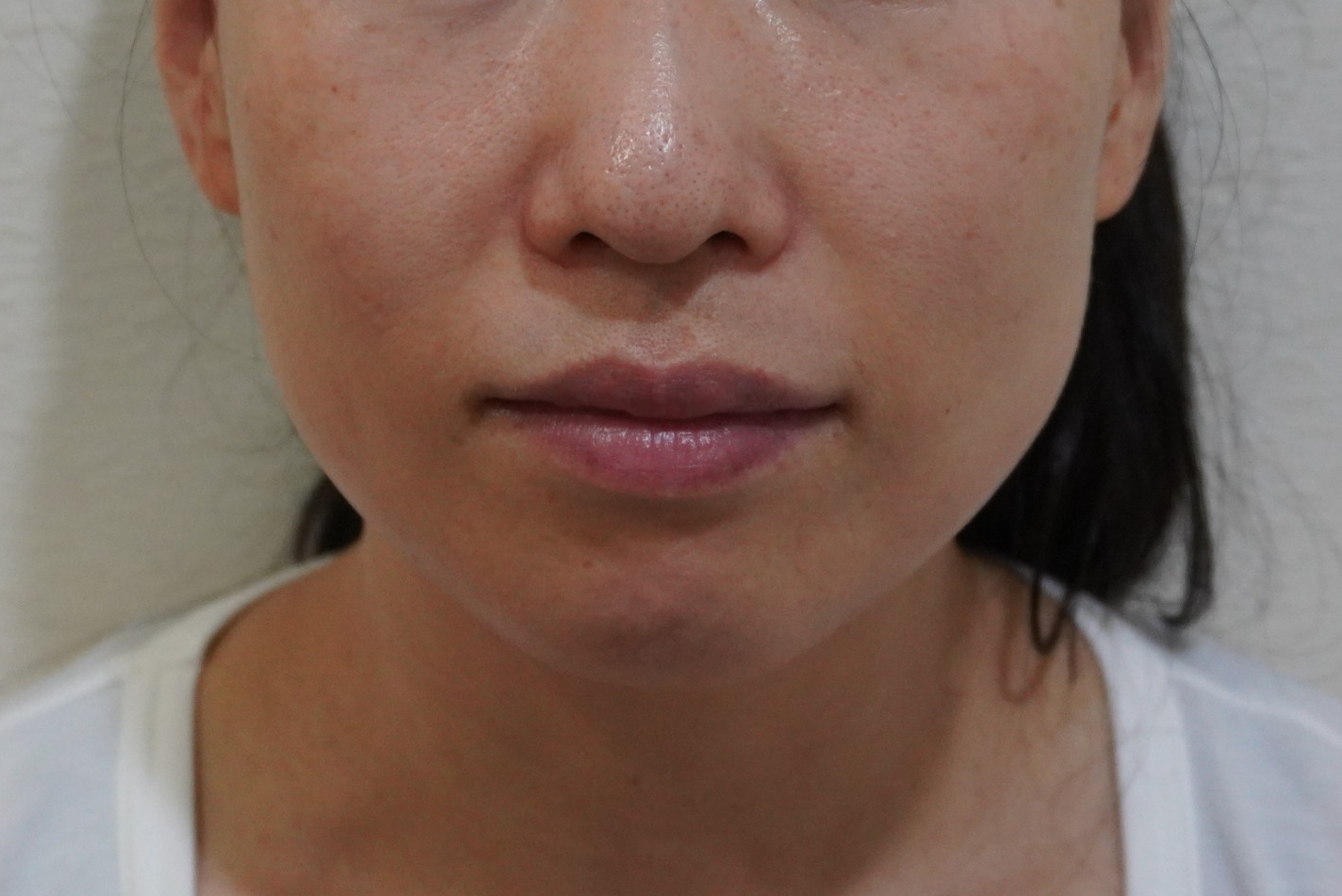
If detailed concerns such as asymmetry or nasolabial folds are shared at the consultation stage, the main treatment can reflect them — for example, by allocating more energy to those areas.
The main treatment: ultrasound first, then RF
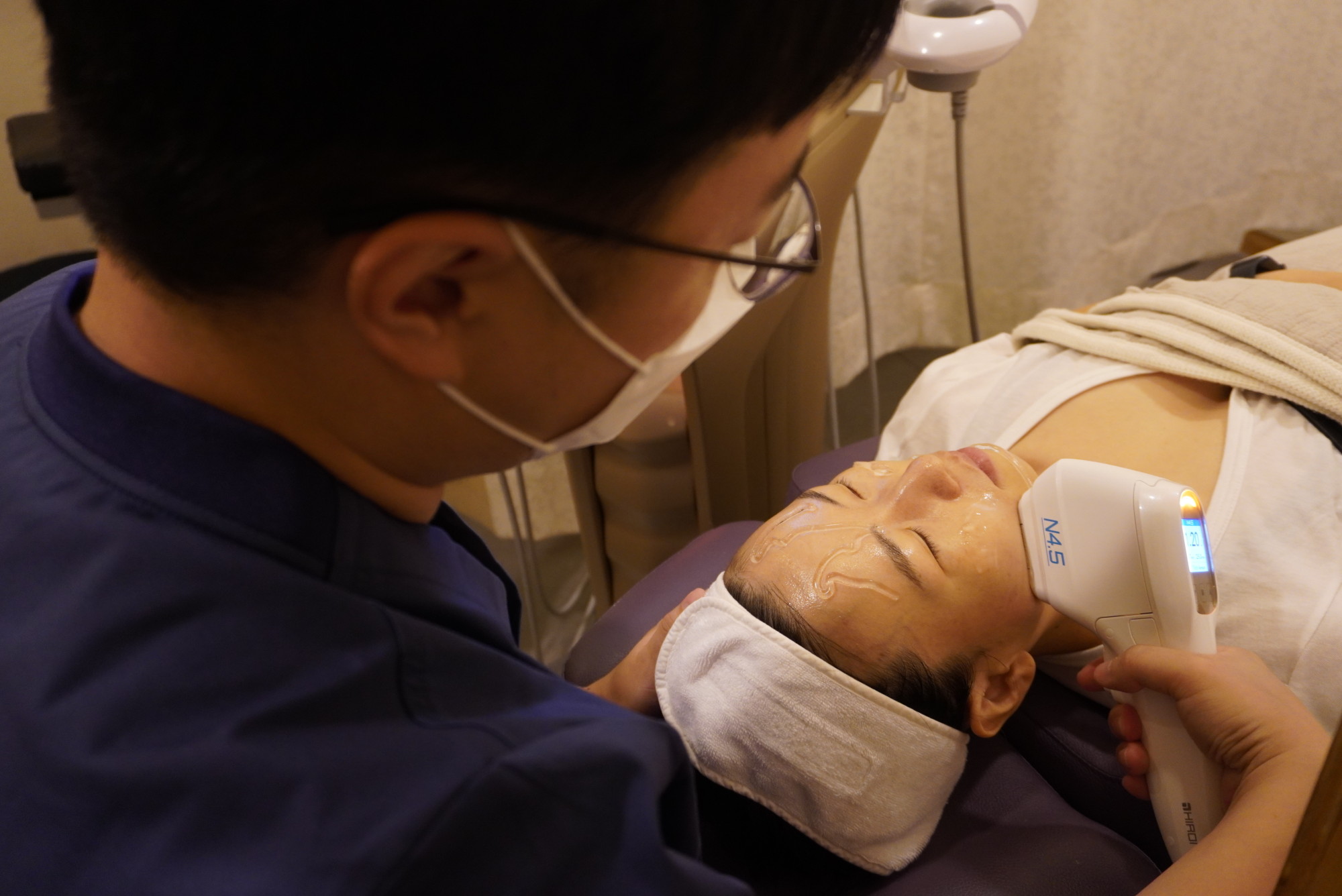
The treatment applies HIFU ultrasound first and RF afterward. Ultrasound mainly addresses the facial line, while RF mainly handles skin firmness and texture.
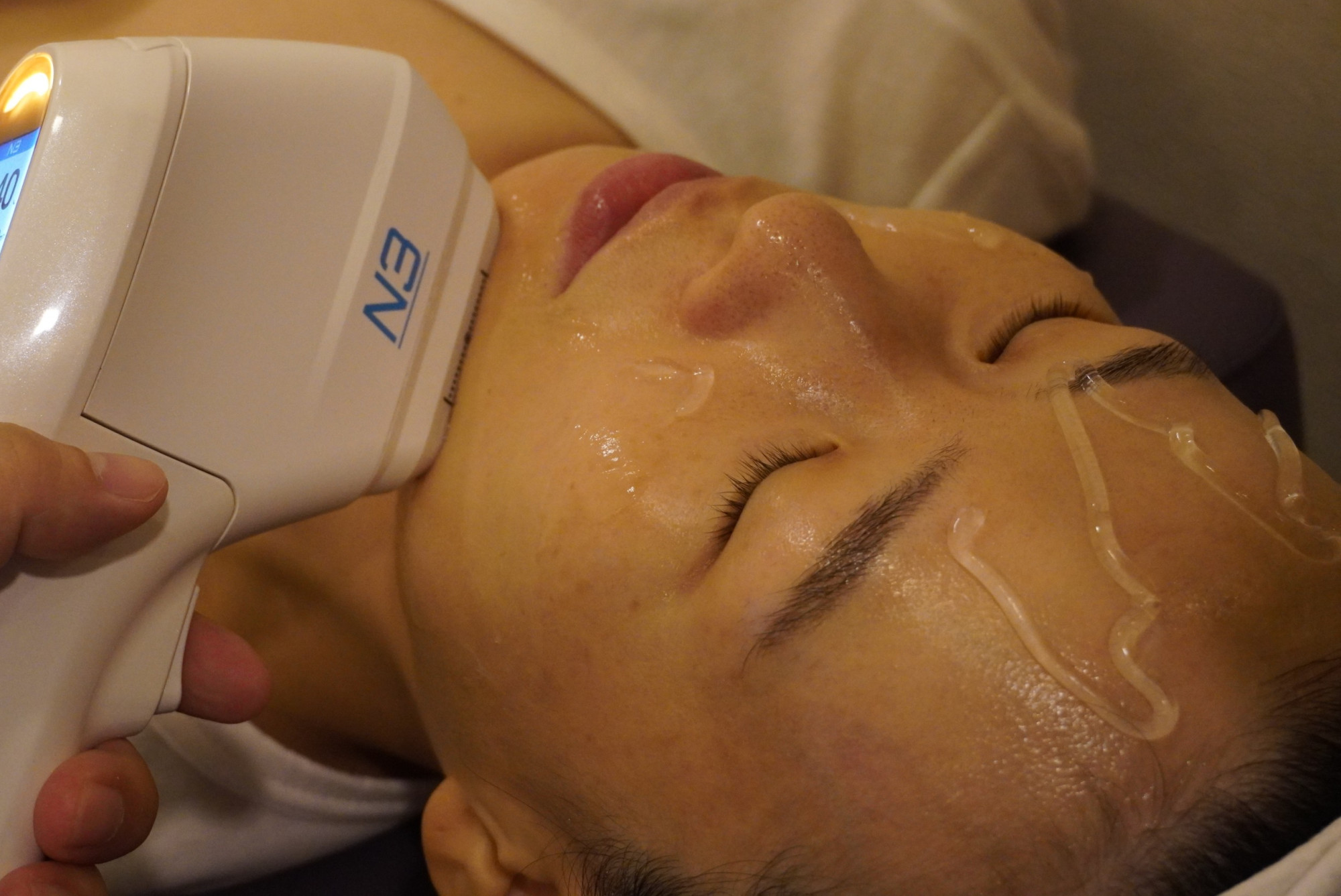
In the ultrasound stage, even with the same number of shots we do not deliver them uniformly — we look at skin thickness and volume and adjust the tips and shot distribution area by area.
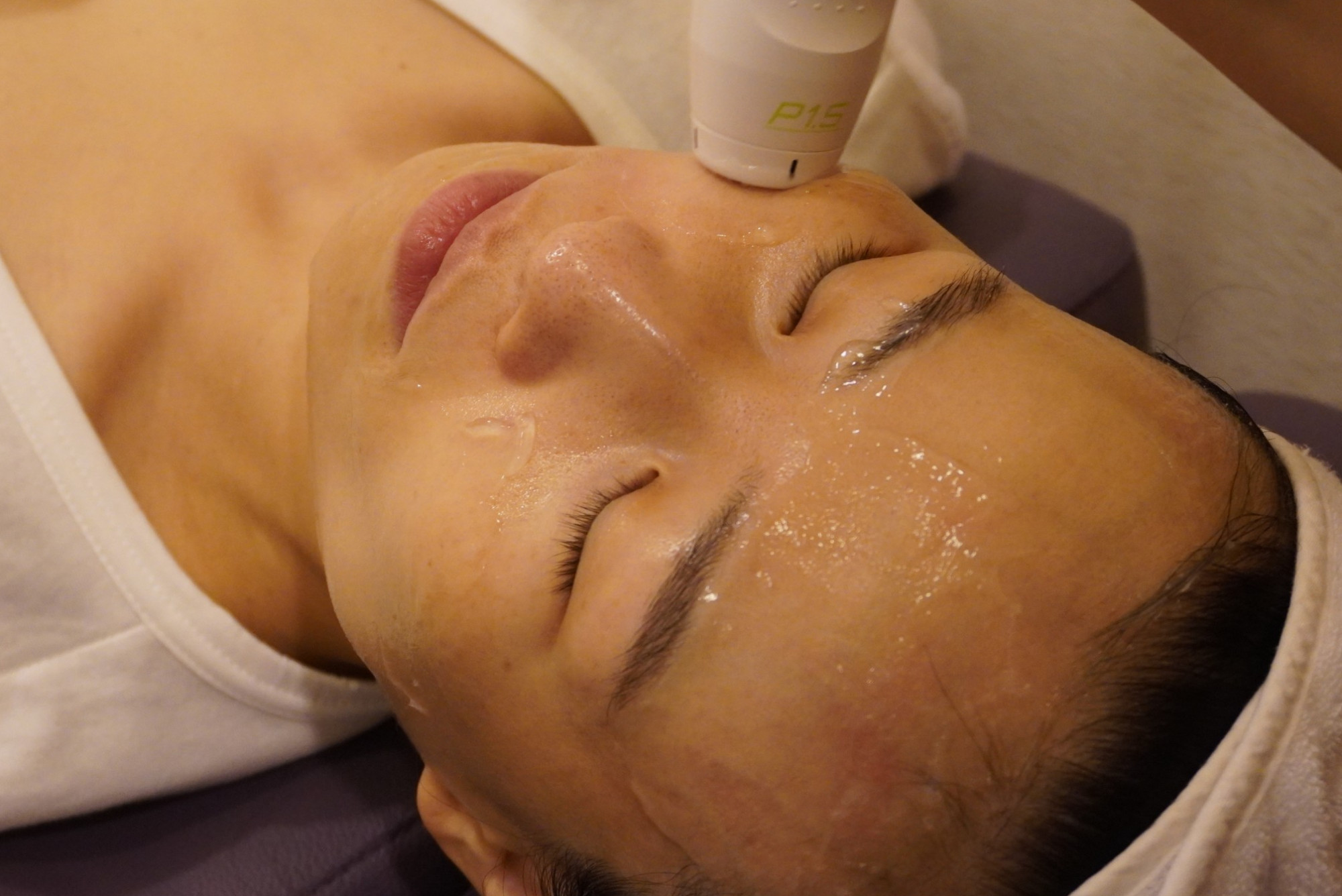
In the RF stage that follows, we switch to the pen-type handpiece to deliver energy evenly across the whole face, including the eye area and forehead that were tricky to handle with earlier devices. When changes appear varies by person: some feel a difference right after the treatment, but changes are generally known to emerge gradually from one to two weeks later and continue over several months. Results and how long they last vary by individual.
Wrapping Up
If you want to address both facial contours and skin firmness but found it hard to choose between ultrasound and RF, V-RO — which links the two energies in one treatment — can be an alternative. Whether it suits your skin, however, should be determined through an in-person consultation. For detailed pricing, see the price guide. If you are wondering which lifting is right for you, feel free to chat with us to find the right lifting for your skin.

This article was written by Dr. Park Tae-hyung, Chief Director. He is the chief director of Skinique Clinic and serves as an academic director of the Korean Society for Laser, Dermatology and Trichology. First published Apr 15, 2023 · Last reviewed Aug 24, 2026
This article provides general medical information. Skin condition and response to treatment vary by individual; please decide whether and how to proceed through an in-person consultation.