
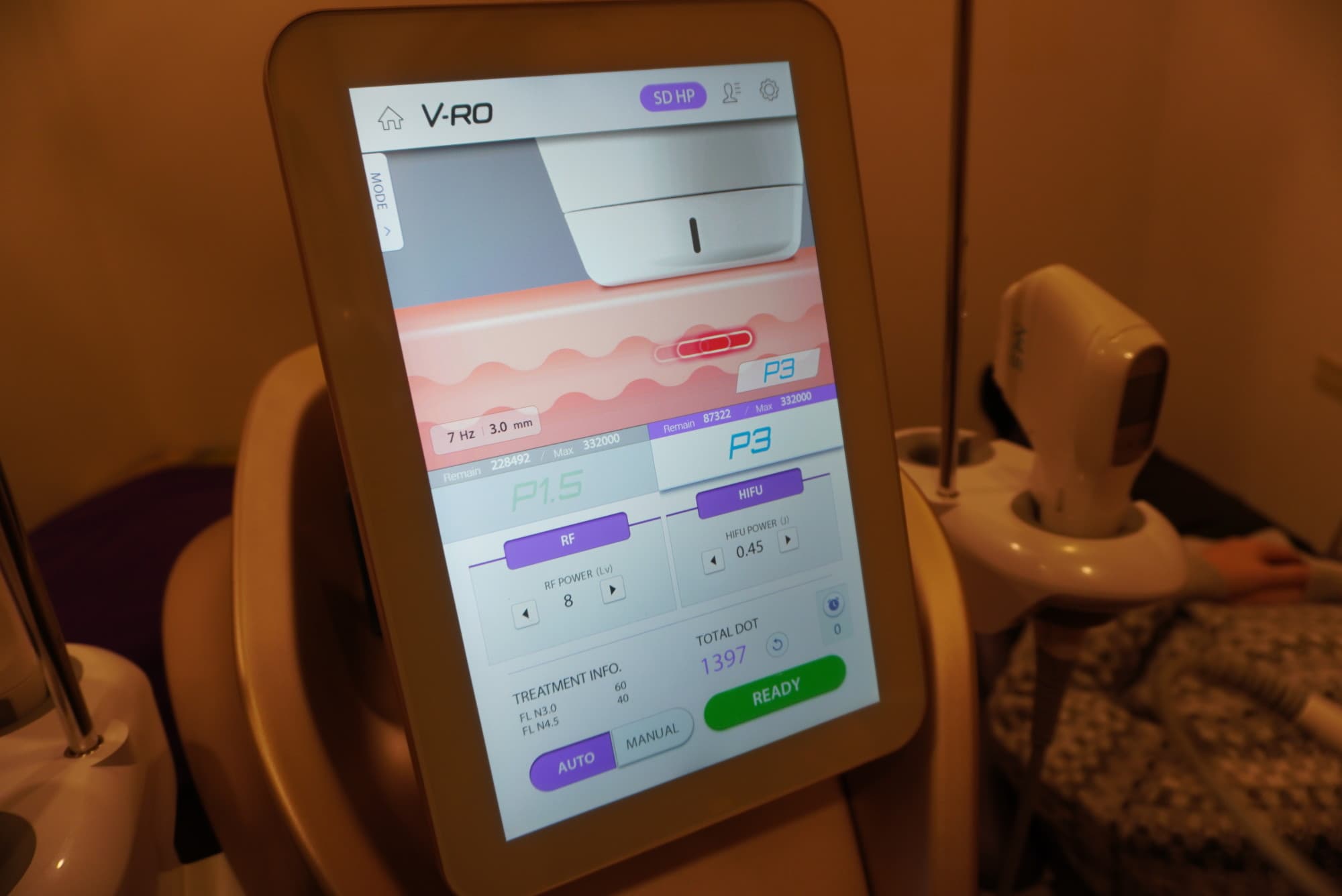
When you start looking into lifting treatments, the first hurdle is often deciding between ultrasound-based and radiofrequency-based options. V-RO lifting is designed so that one device can run both types of energy, which may be worth considering for those who would rather not book two separate treatments. This article walks through how the V-RO device works and how the procedure is carried out at Skinique Clinic.
What kind of device is V-RO?
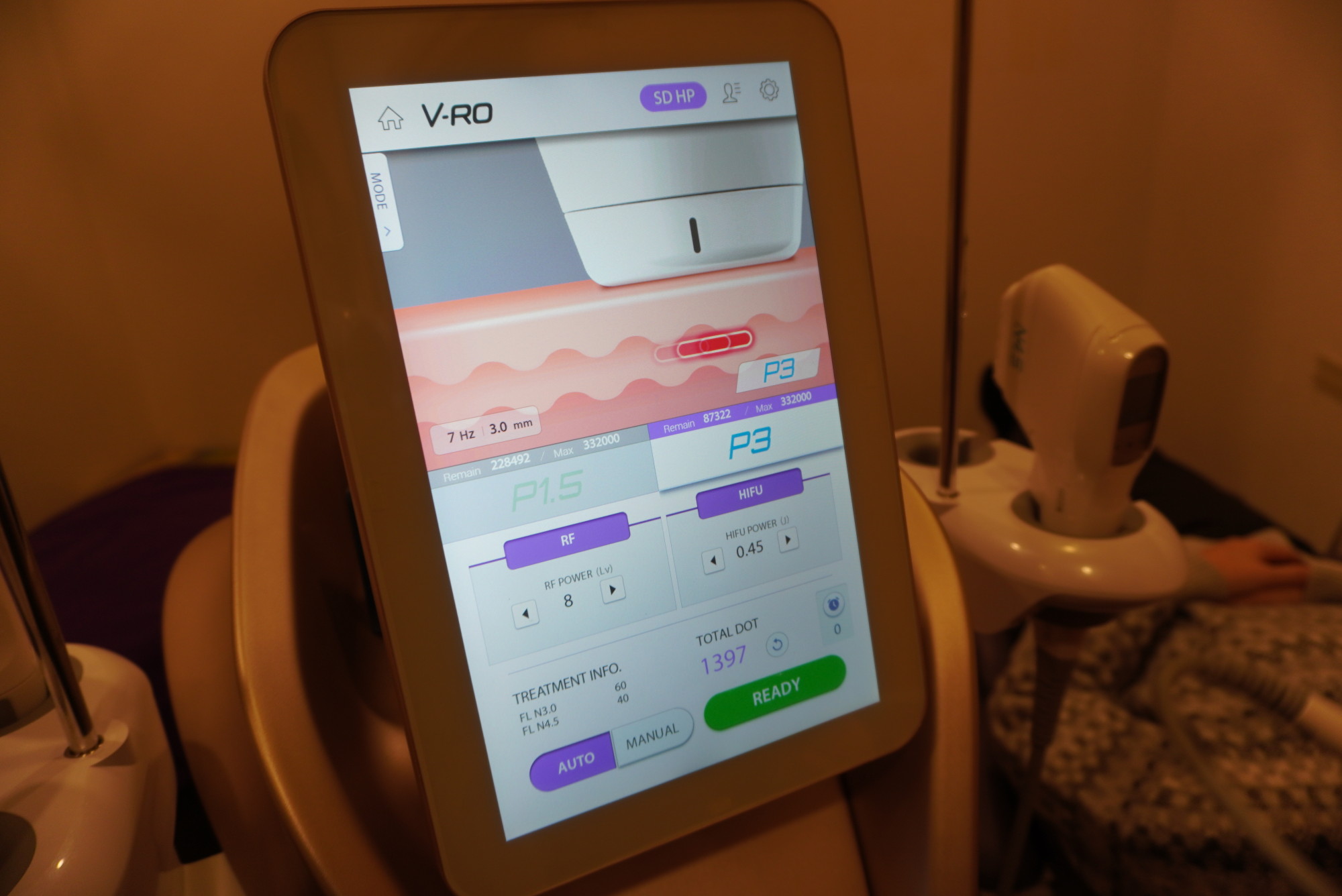
V-RO is the fourth-generation model in the Doublo line-up, and its defining feature is that a single device can deliver two very different kinds of energy: ultrasound and radiofrequency. Ultrasound energy targets the fascial (SMAS) layer deep in the skin, contracting the tissue to help tidy up sagging contours, while radiofrequency energy delivers heat to the shallower dermal layer to stimulate collagen production and support overall skin firmness.
Rather than scheduling an ultrasound-based treatment such as Ultherapy or Shurink on one day and a radiofrequency treatment such as Thermage FLX or Oligio on another, both layers can be addressed in a single visit. That is the efficiency this device offers.
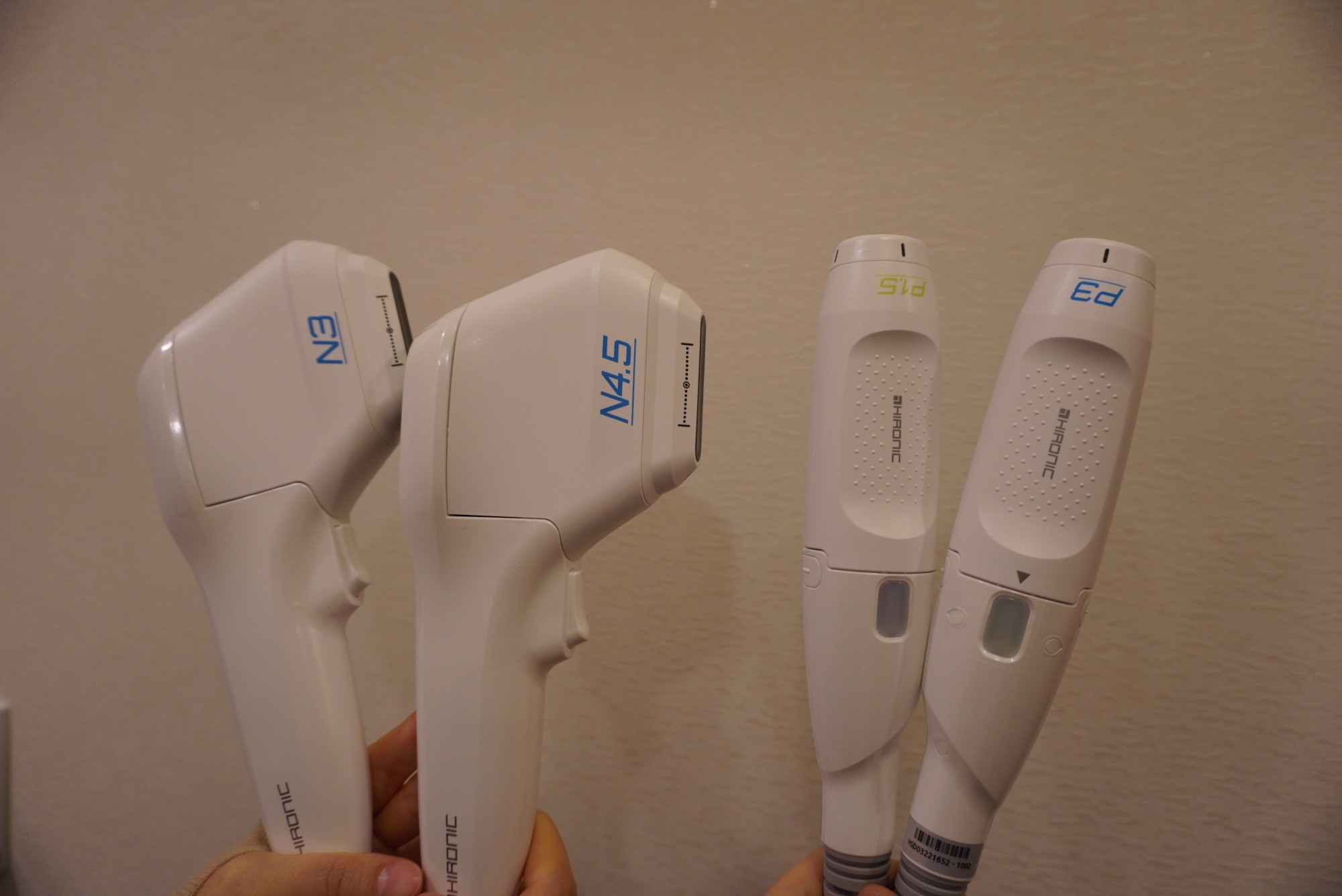
The handpieces also come in two forms, so broad surfaces and narrow, curved areas can be approached separately.
The consultation comes first
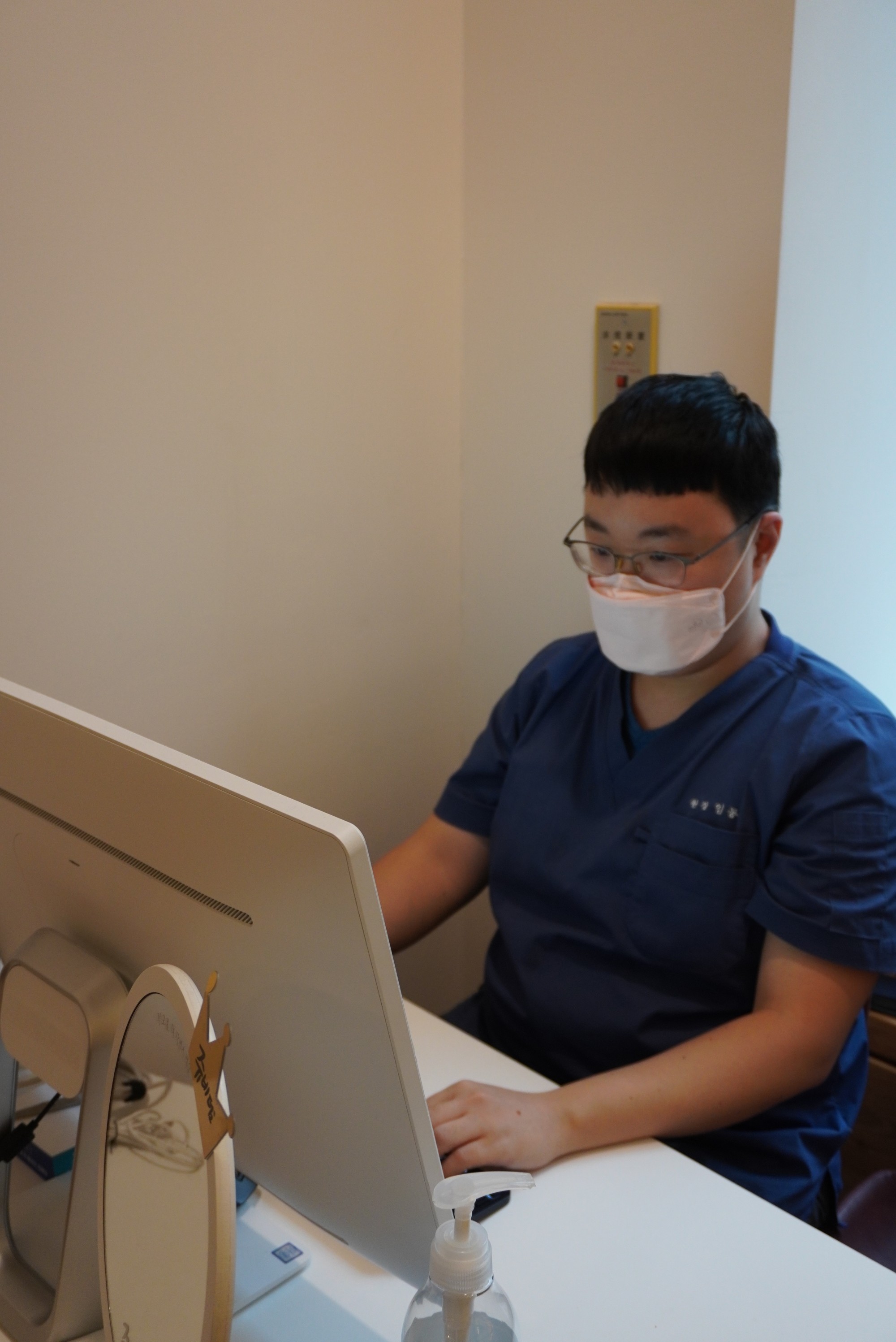
V-RO lifting at Skinique Clinic starts with a consultation with the doctor who will perform the treatment. What changes prompted you to consider lifting, and which areas concern you most: these are discussed at length beforehand and reflected in the treatment plan, and this step is never skipped. Even when it takes time, we regard it as a step that shapes how satisfied you are with the result.
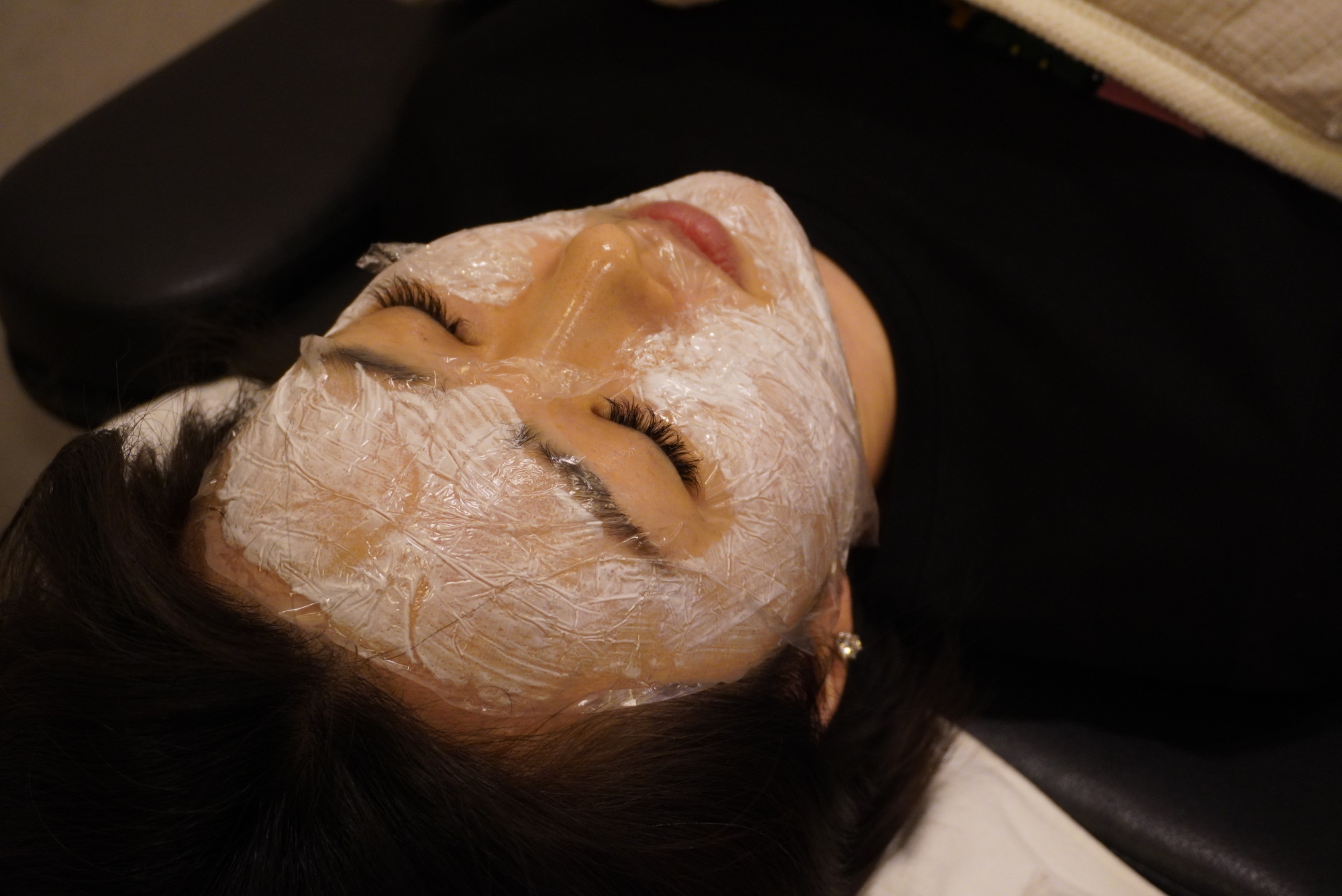
Once you decide to proceed, the skin is cleansed and numbing cream is applied. Ultrasound delivery may feel mildly uncomfortable and radiofrequency delivery may feel warm, though how much sensation you feel varies from person to person.
Ultrasound delivery — shaping the contour at the fascial layer
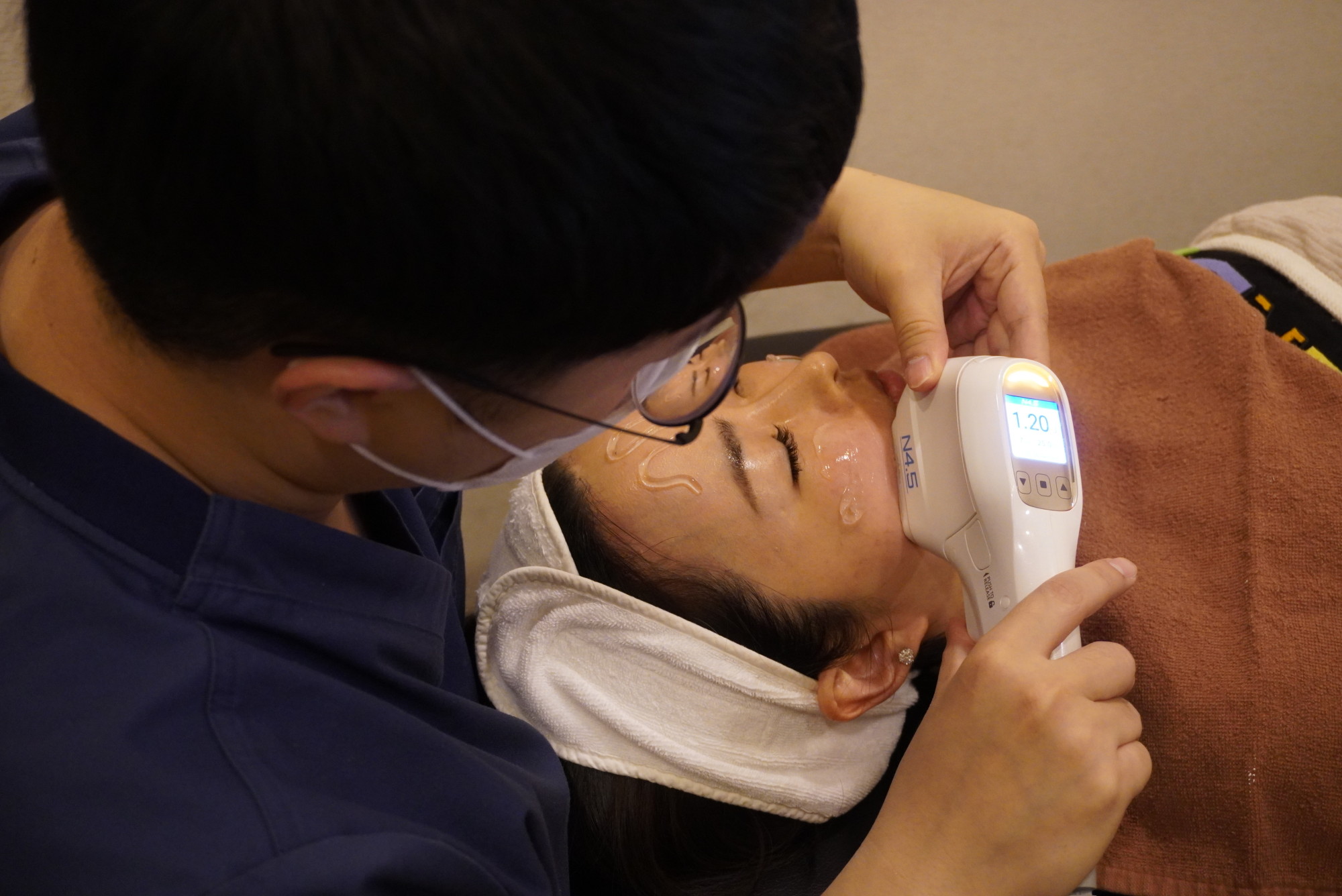
The treatment itself begins with the linear handpiece that emits ultrasound energy. This stage delivers energy to the fascial layer to induce tissue contraction, and what matters here is designing the delivery around the shape of your face. Areas that need volume are left alone, while the pattern concentrates on lifting the areas that have lost firmness and drifted downward.
Radiofrequency delivery — working on firmness in the dermis
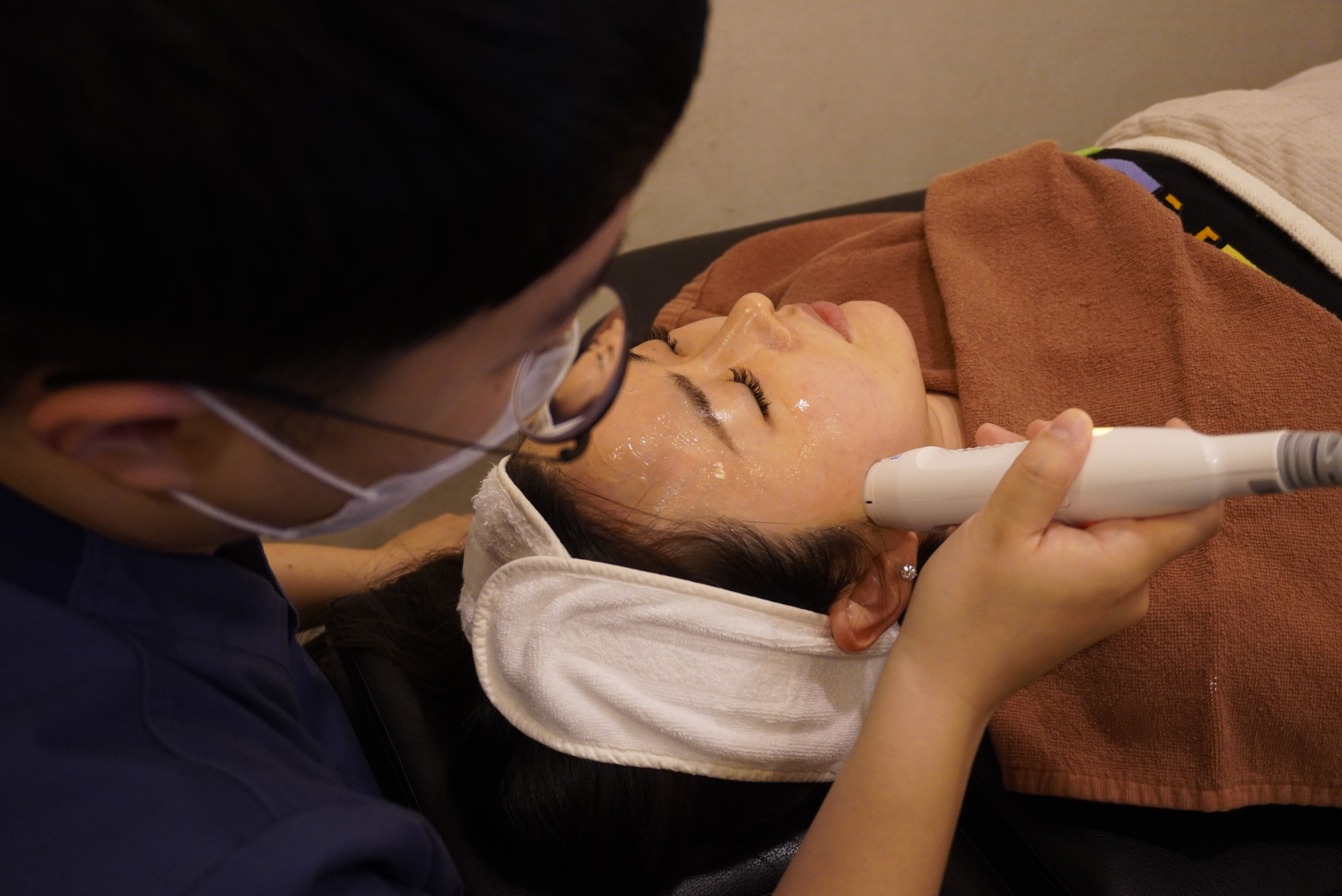
Next comes the pen-type tip that combines ultrasound and radiofrequency. This stage delivers heat energy to the dermal layer to stimulate collagen production. Because the tip is narrow and rounded, it can reach uneven spots where contact is difficult, such as the curve of the forehead, the areas around the eyes and mouth, and the nasolabial folds.
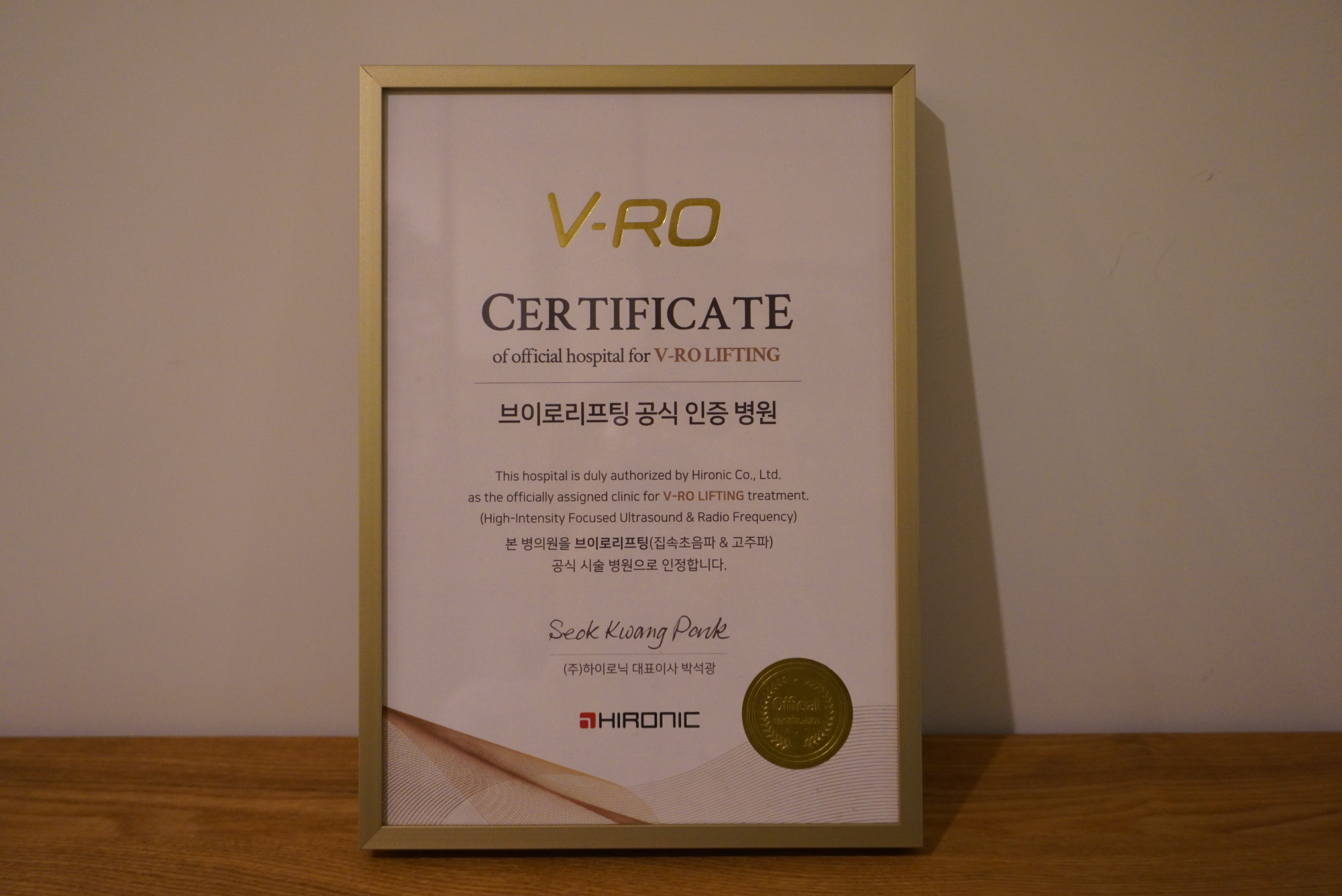
Skinique Clinic is an officially certified V-RO provider, and a consultation with the doctor before treatment is a standard part of the process, with each session designed around the individual face.

Detailed pricing is available on the price guide.
Wrapping Up
V-RO lifting runs ultrasound for the fascial layer and radiofrequency for the dermal layer in one sitting, approaching two aims, contour definition and improved firmness, through a single treatment. Responses and satisfaction do vary from person to person, so we suggest confirming through a consultation whether the plan suits your facial shape and the areas that concern you. If anything is unclear, feel free to ask through a chat consultation about the lifting approach that fits your face.
This article was written by Dr. Park Tae-hyung, Chief Director. He is the chief director of Skinique Clinic and serves as academic director of the Korean Society for Laser Dermatology and Trichology. First published 28 September 2023 · Last reviewed 24 August 2026
This article is general medical information. Skin condition and treatment response may vary from person to person. Whether to undergo treatment, and which method to use, should be decided through an in-person consultation.