

A single dark brown patch that makeup never quite covers can shape the impression of an entire face. Solar lentigo is the classic example of this kind of pigmented lesion. This article explains how solar lentigines differ from melasma and ordinary spots, and what to look at when considering laser treatment for them.
How is it different from melasma and ordinary spots?
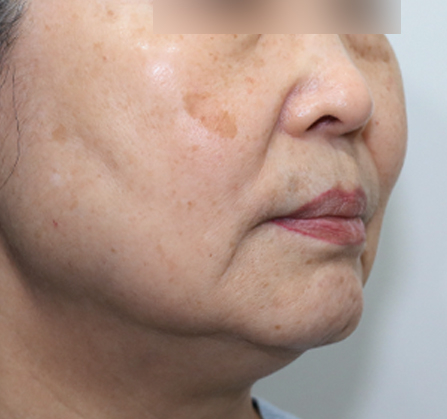
Solar lentigines tend to be darker and larger than typical melasma or minor spots, so even a single one is easy to notice. They also tend to deepen and widen over time, which can make the complexion look dull or older. For that reason, a laser approach aimed at the lesion itself is usually considered before treatments that address overall skin tone.
What matters before the device name
Several lasers are used for solar lentigines, including ruby lasers, RePeat-type lasers and picosecond lasers. Skinique Clinic, however, works from a slightly different starting point: rather than which device a clinic owns, what matters is whether the practitioner understands the mechanism by which a lentigo clears and adapts the technique to how the lesion actually presents.
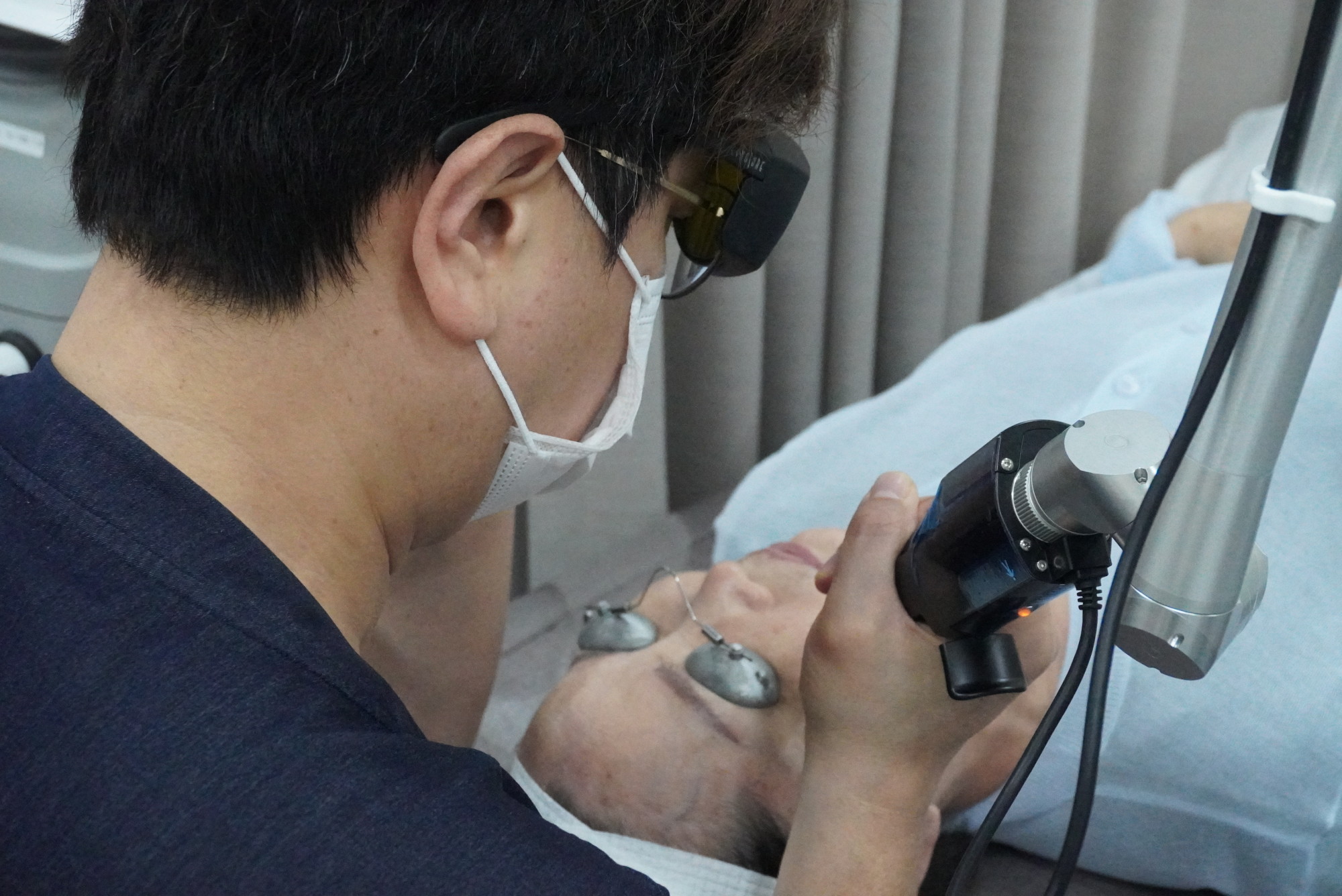
The depth of colour, the border and the thickness of a lentigo differ from person to person, so a single fixed setting rarely suits everyone. Choosing a wavelength appropriate to the lesion, and delivering energy while cooling the treated area to protect the surrounding tissue, is a process where precision helps reduce the room for side effects such as post-inflammatory pigmentation.
How treatment is approached at Skinique Clinic
Dr. Park Tae-hyung, the clinic's chief director, has focused on pigment lasers for 13 years. Drawing on that clinical experience, he assesses the intensity and approach each form of lentigo calls for and plans treatment so that the number of sessions is not extended unnecessarily. The number of sessions needed and the speed of response vary with the state of the lesion and differ between individuals, so the expected course is explained during consultation first.
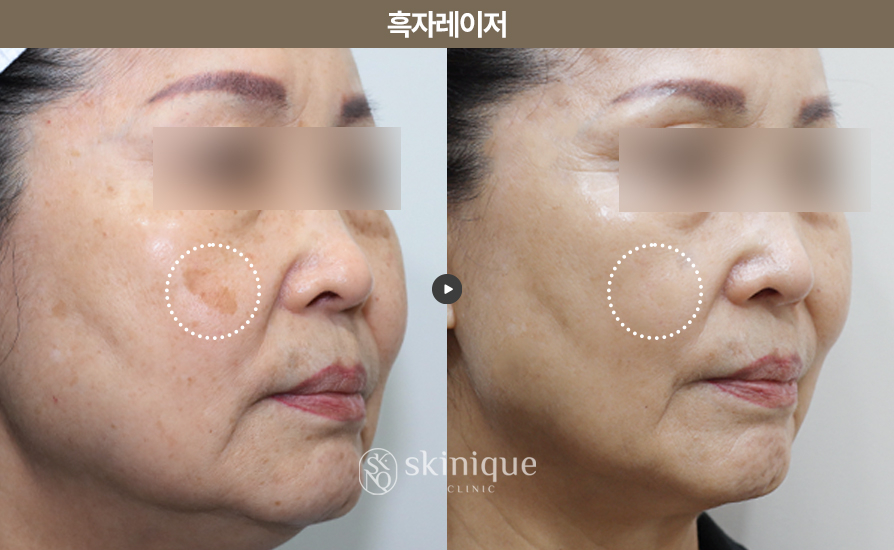
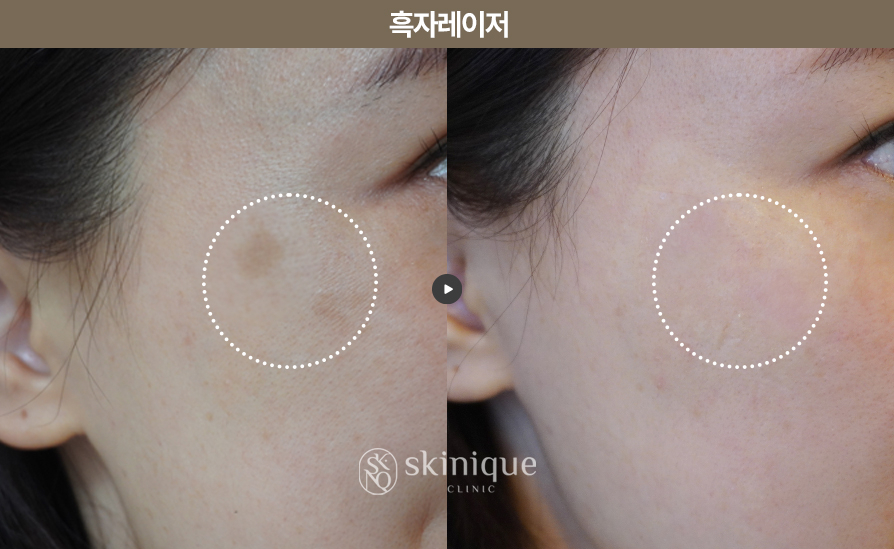
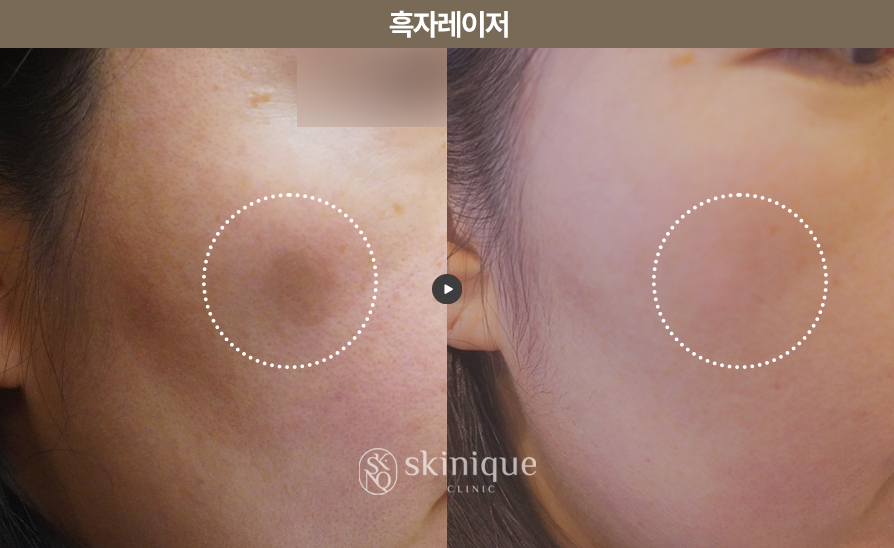
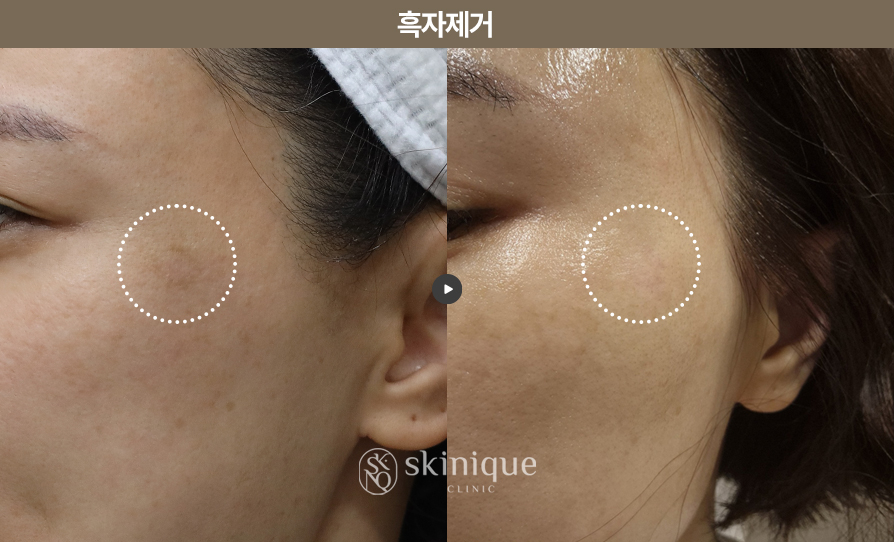
The photographs above record the course of solar lentigo treatment carried out at Skinique Clinic. Please note that the response to treatment and the recovery process vary between individuals depending on skin condition.
In summary
What matters in treating a solar lentigo is not a particular expensive device, but the practitioner's judgement in reading the lesion and combining wavelength, energy and cooling appropriately. Detailed costs can be found on the price guide. If you are wondering whether your spot is a solar lentigo, or which approach would suit it, feel free to ask via a chat consultation about the direction that suits your skin.
This article was written by Dr. Park Tae-hyung. He is the chief director of Skinique Clinic and serves as academic director of the Korean Society for Laser Dermatology and Trichology. First published 17 June 2025 · Last reviewed 23 August 2026
This text is general medical information. Skin condition and response to treatment vary between individuals. Whether and how to treat should be decided through consultation.