

Among pigment concerns such as melasma and freckles, solar lentigines (sun spots) and nevus of Ota tend to be darker and larger, making them especially hard to cover with makeup. For those who have had multiple laser sessions without satisfying results, this article explains the principles behind laser treatment for solar lentigo and nevus of Ota, what the actual procedure looks like, and how to care for your skin afterward.
Why solar lentigines and nevus of Ota stand out
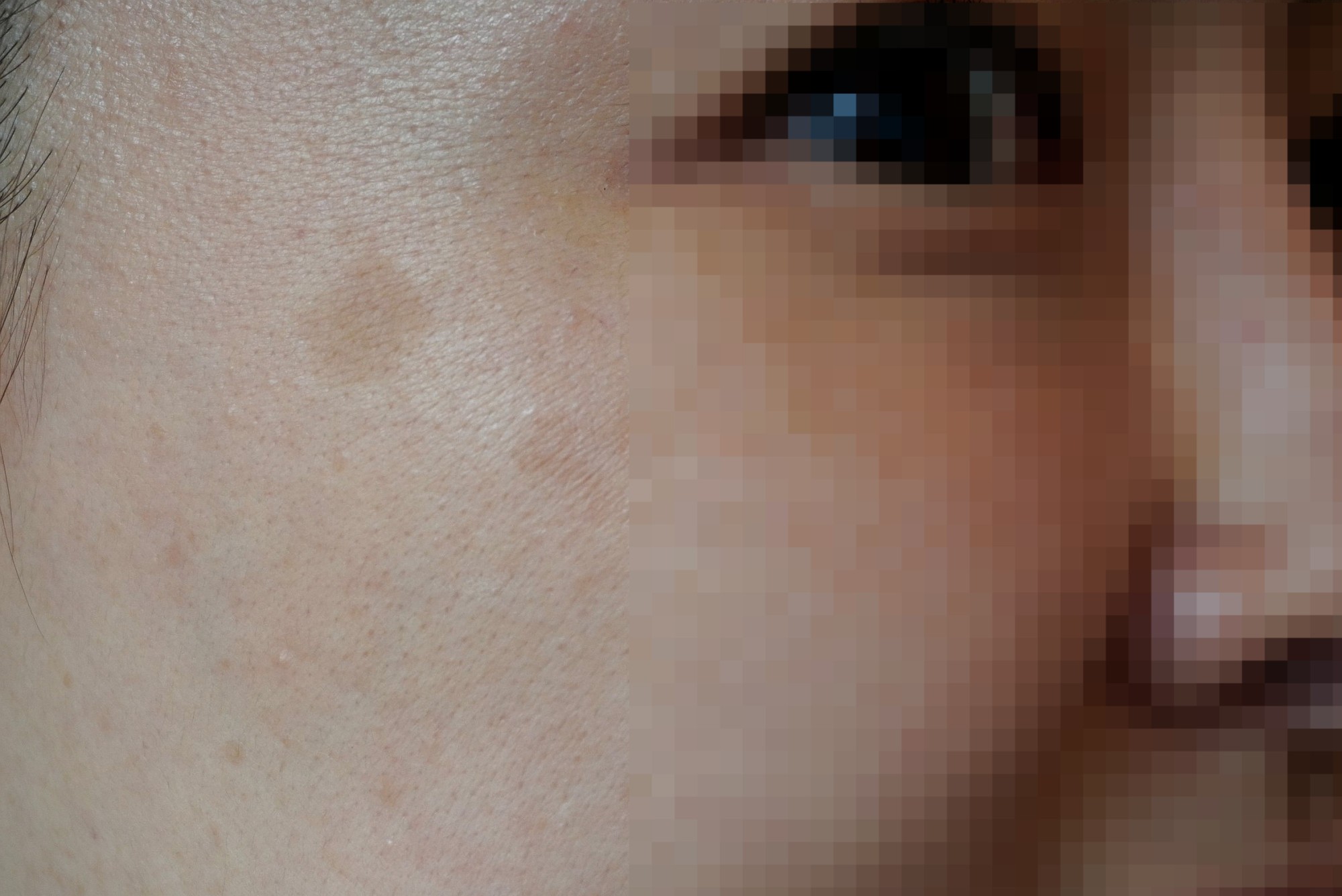
Solar lentigines and nevus of Ota are darker than most other pigmented lesions, so they are highly visible and rarely covered well by makeup. The more spots there are, the more they affect the overall impression of the face, which is why many people want them removed quickly.
Treatment design matters more than the device name
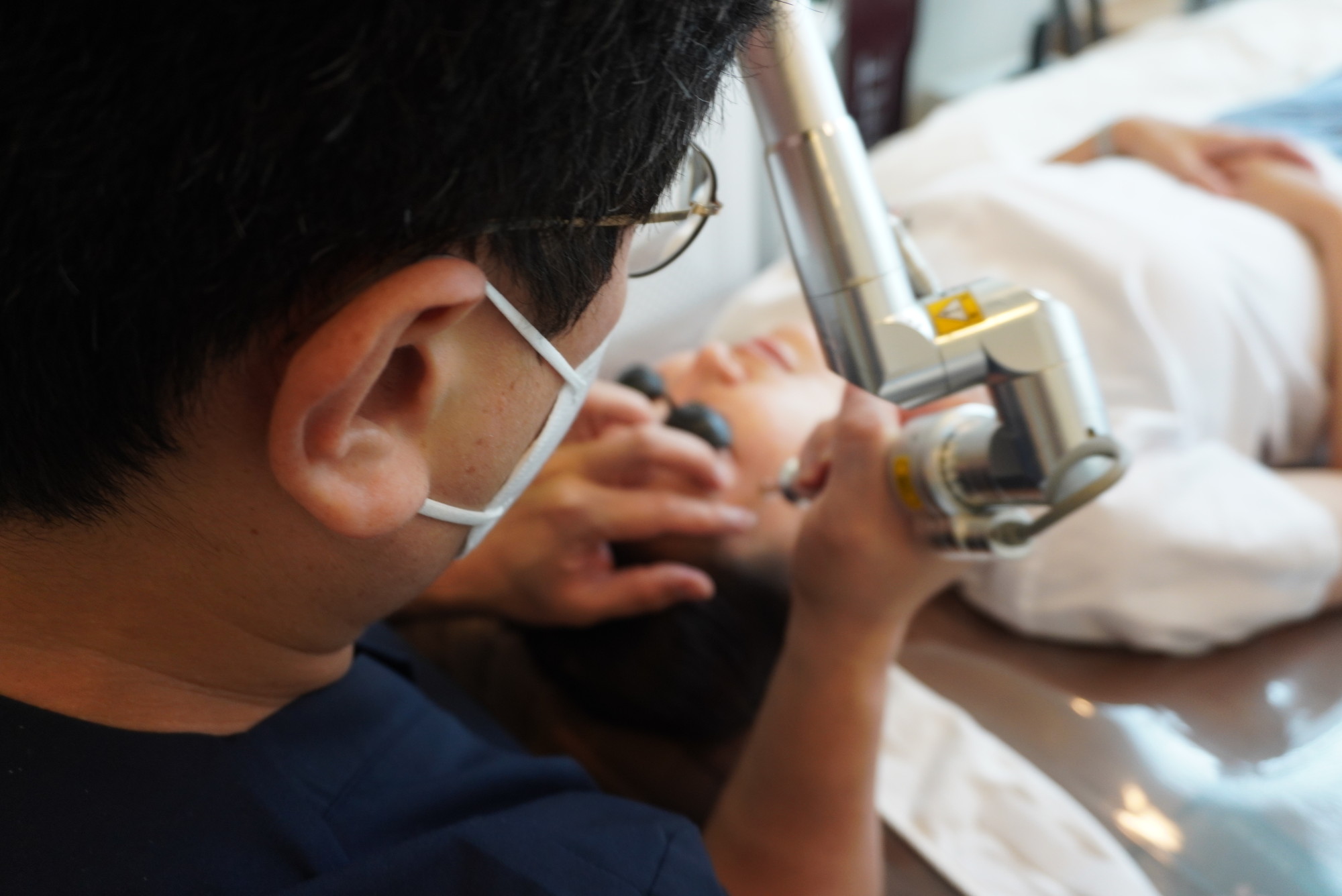
Many people choose a clinic based on device names such as ruby laser or pico laser, but what really matters is the clinical judgment of a doctor who understands at what depth and in what pattern the pigment sits, and operates the laser accordingly. When there is little change even after multiple sessions, it is often because the treatment intensity was kept low to avoid side effects. Dr. Tae-hyung Park of Skinique Clinic designs treatment at an intensity that can produce meaningful change while managing the risk of side effects, and depending on the lesion, improvement may be expected in fewer sessions. That said, the number of sessions needed and the course of recovery vary from person to person depending on the depth of the pigment and how the skin responds.
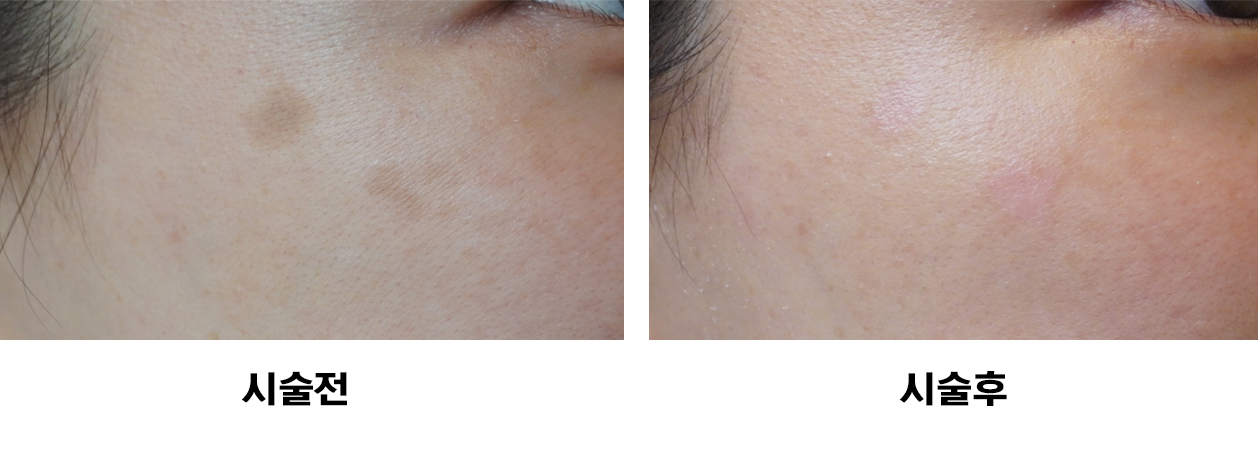
The photos above show the skin before laser treatment and immediately after removing the DuoDERM dressing two weeks later. The redness remaining on the treated area is a normal part of healing, which is also why we show the photos without any retouching. The redness gradually fades over time.
How the treatment proceeds
Skinique Clinic starts with a consultation with the director and avoids pushing vague package deals. Treatment for solar lentigo and nevus of Ota follows five steps: consultation with the director, preparation, laser treatment, DuoDERM application, and going home.
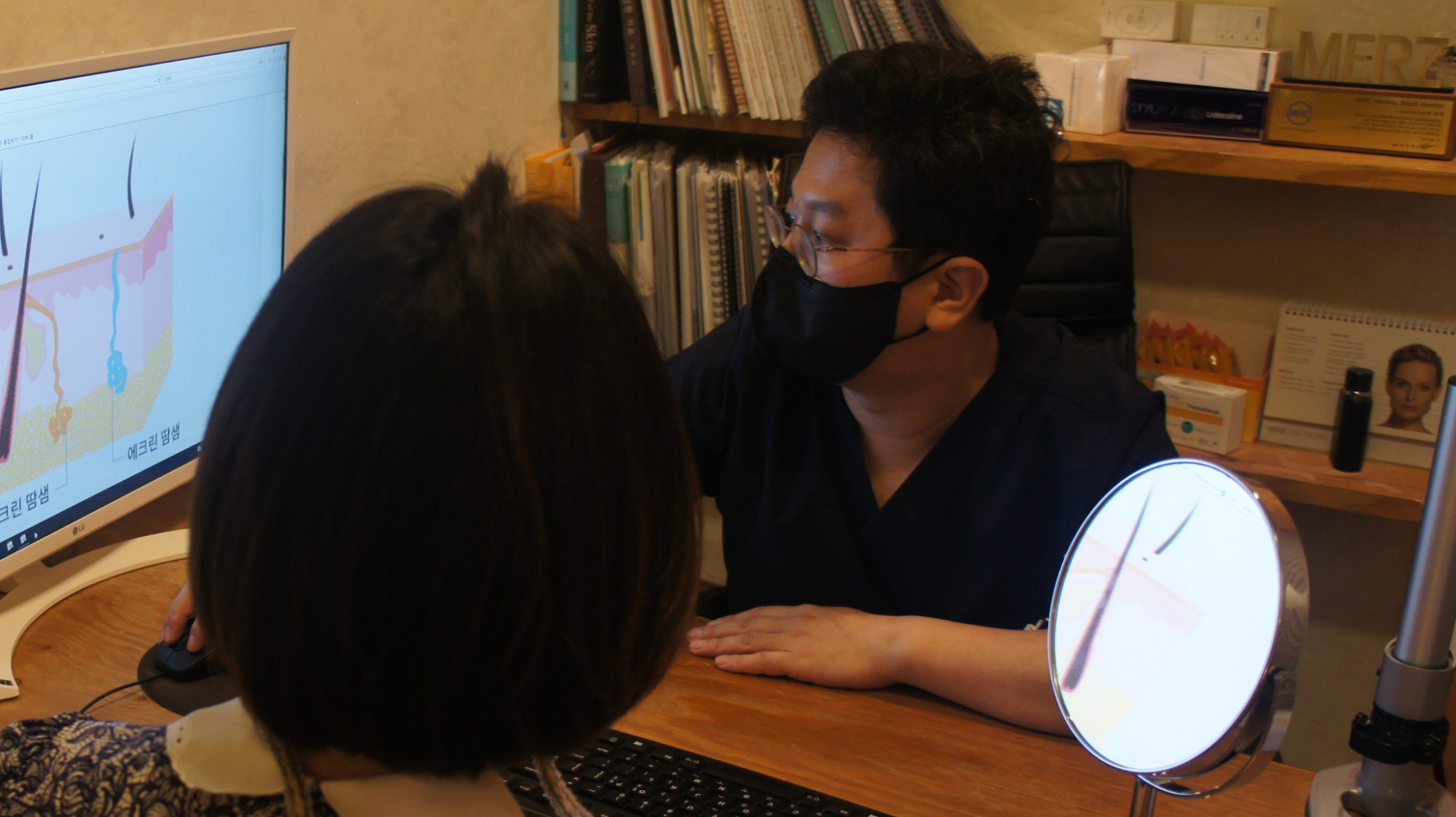
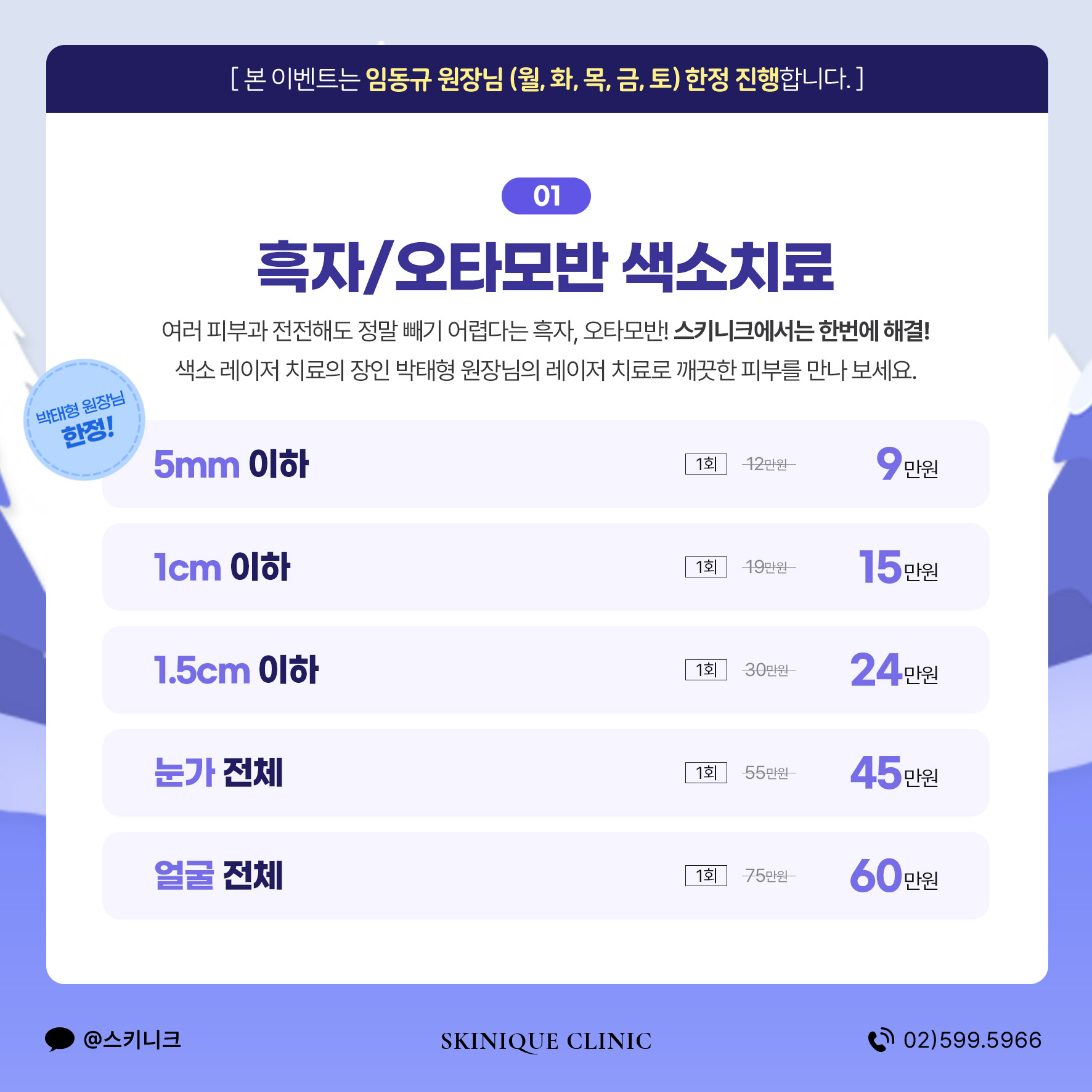
First, during the consultation you will hear whether treatment is possible and what course to expect, and receive individual guidance after the lesions are measured. Detailed costs are available on the Treatment Prices page.
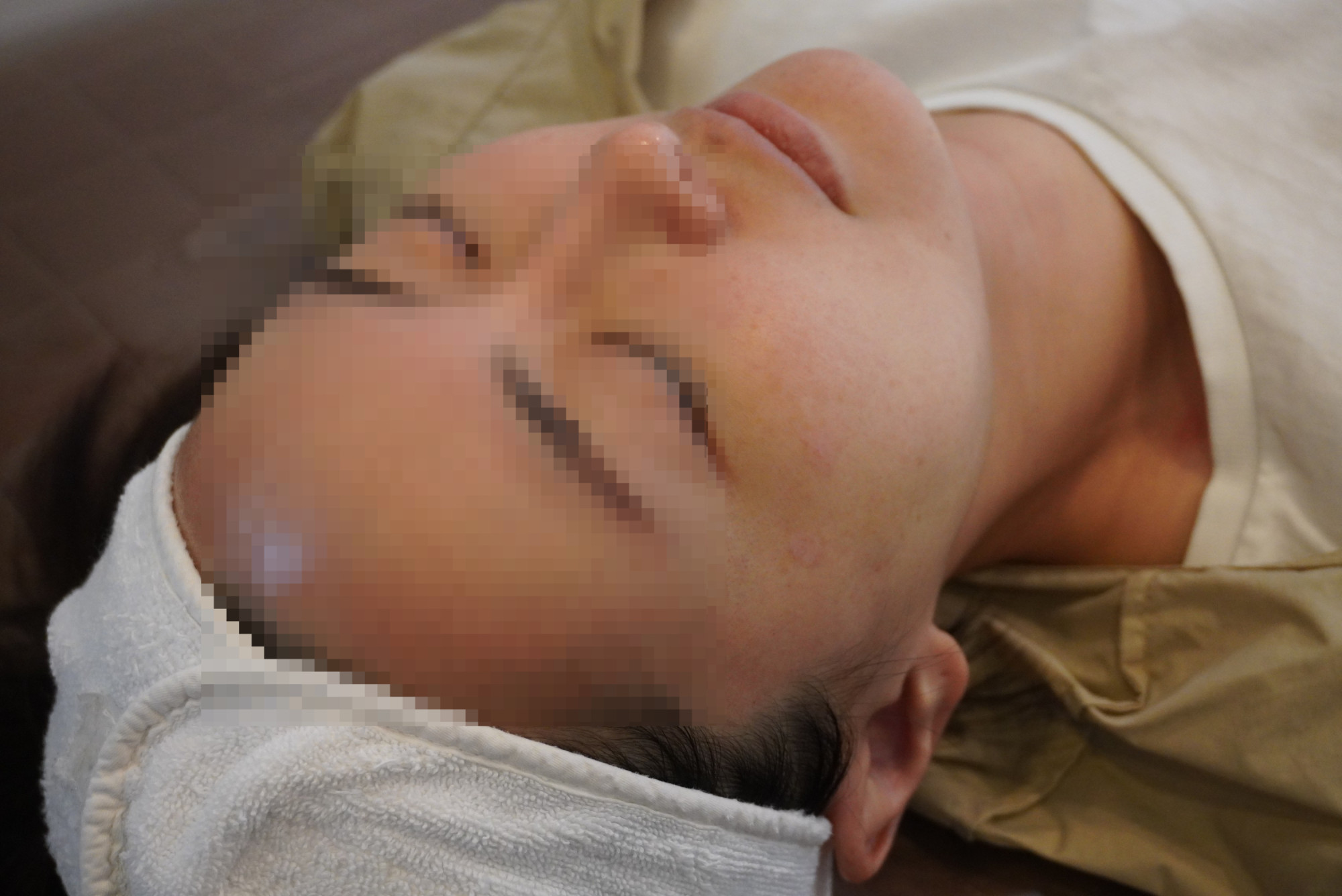
The treatment area is gently cleansed, and preparation begins without applying numbing cream.
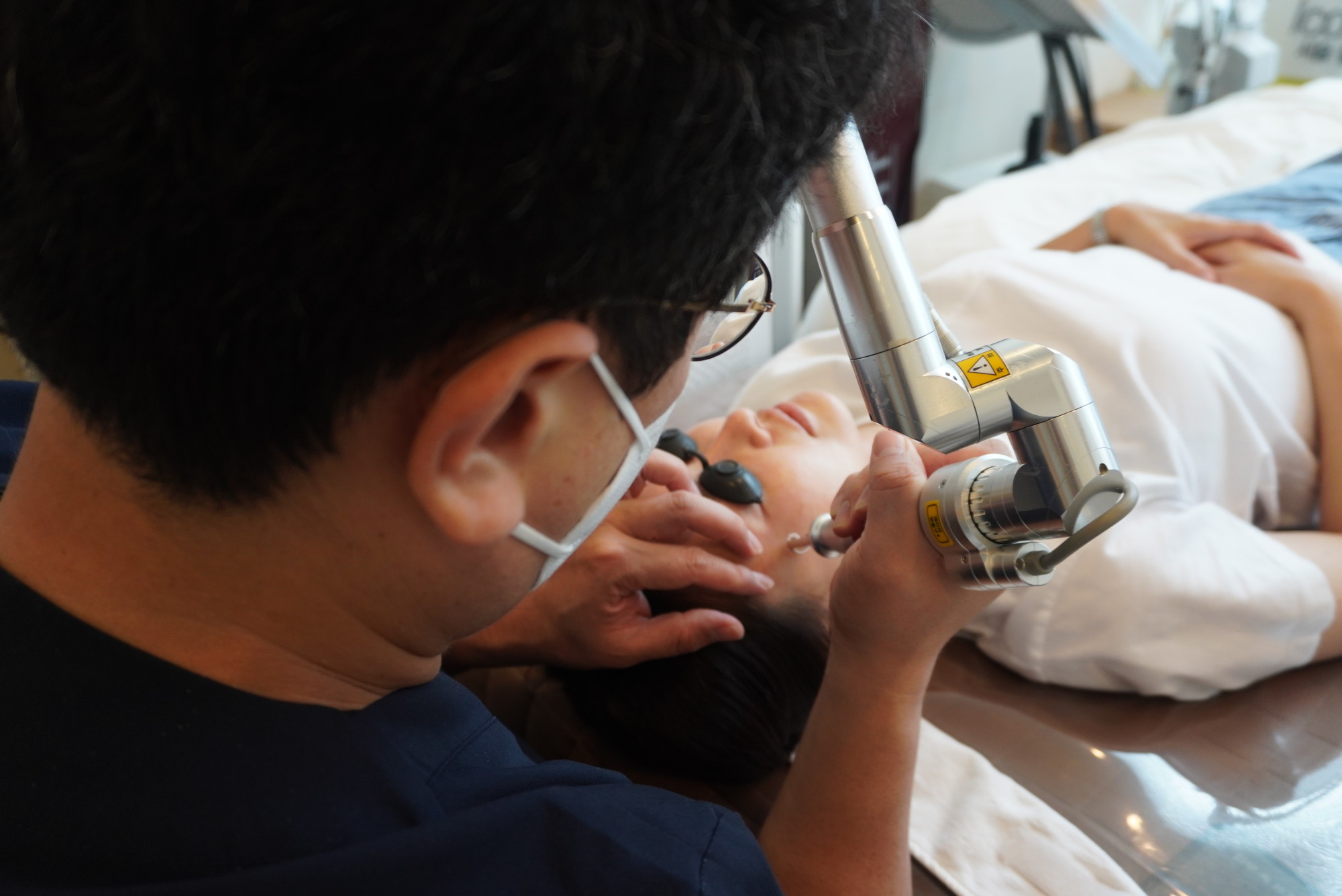
Dr. Tae-hyung Park, who conducted the consultation, performs the laser treatment himself.
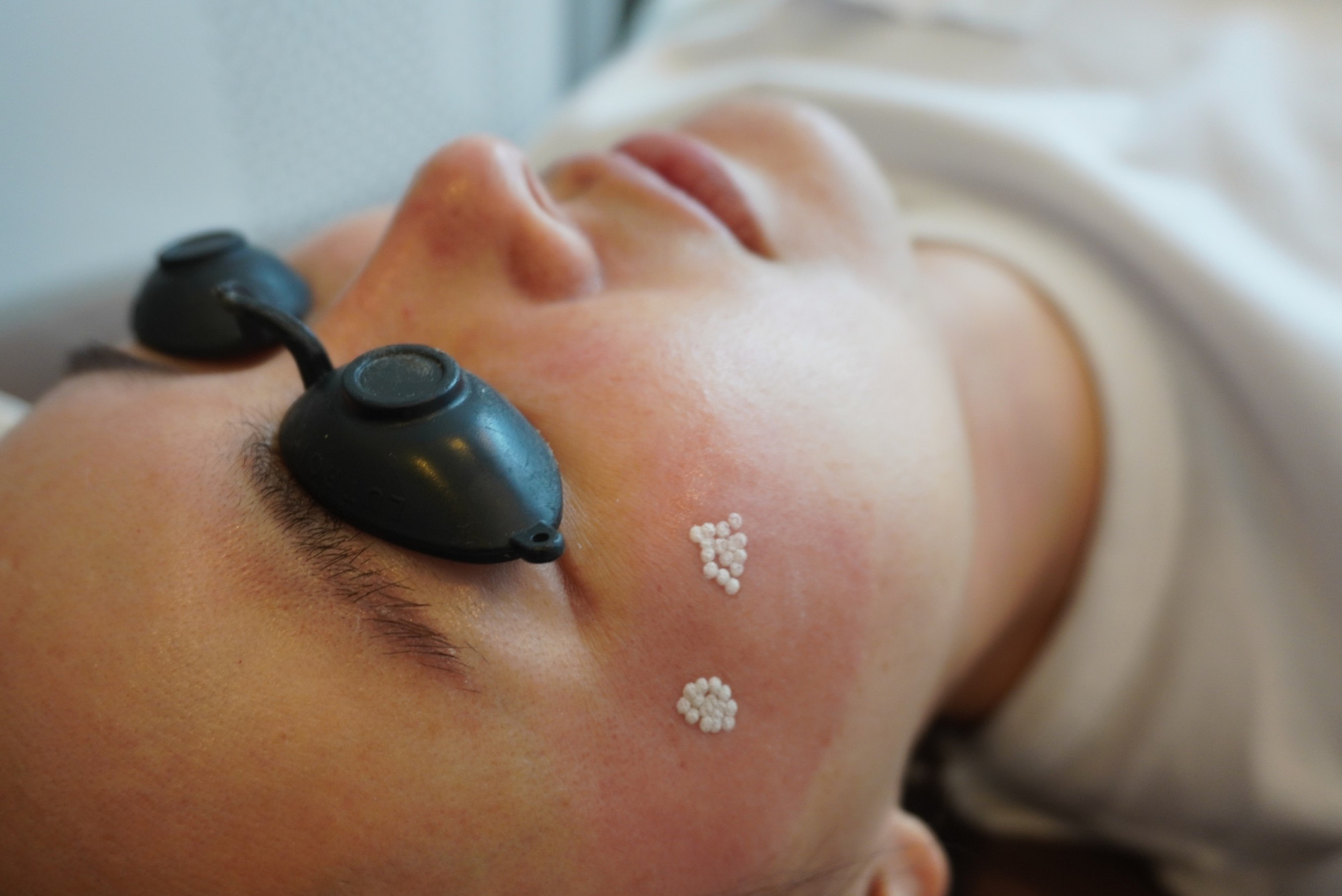
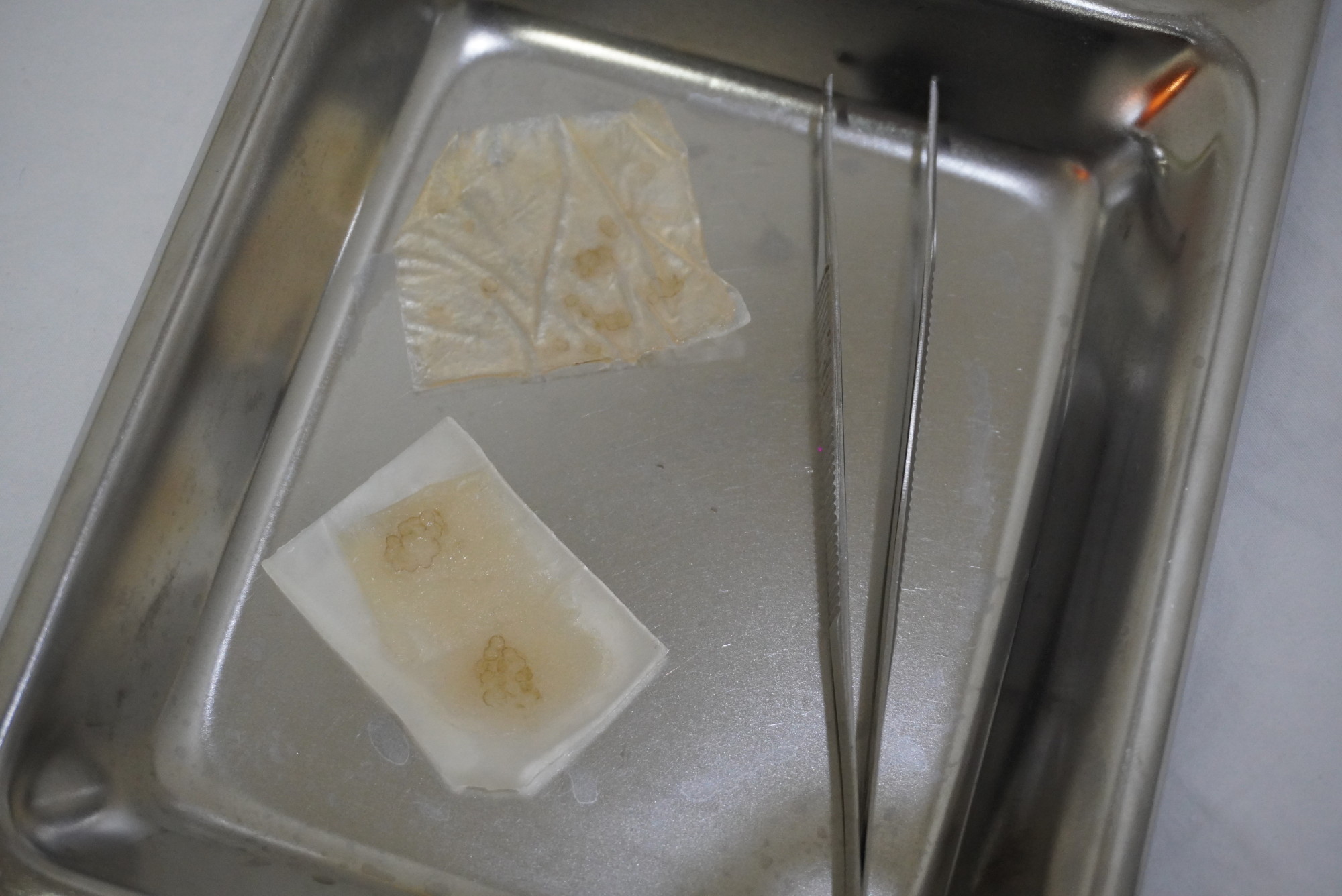
Where the laser has passed over the pigment, a localized reaction like this appears,
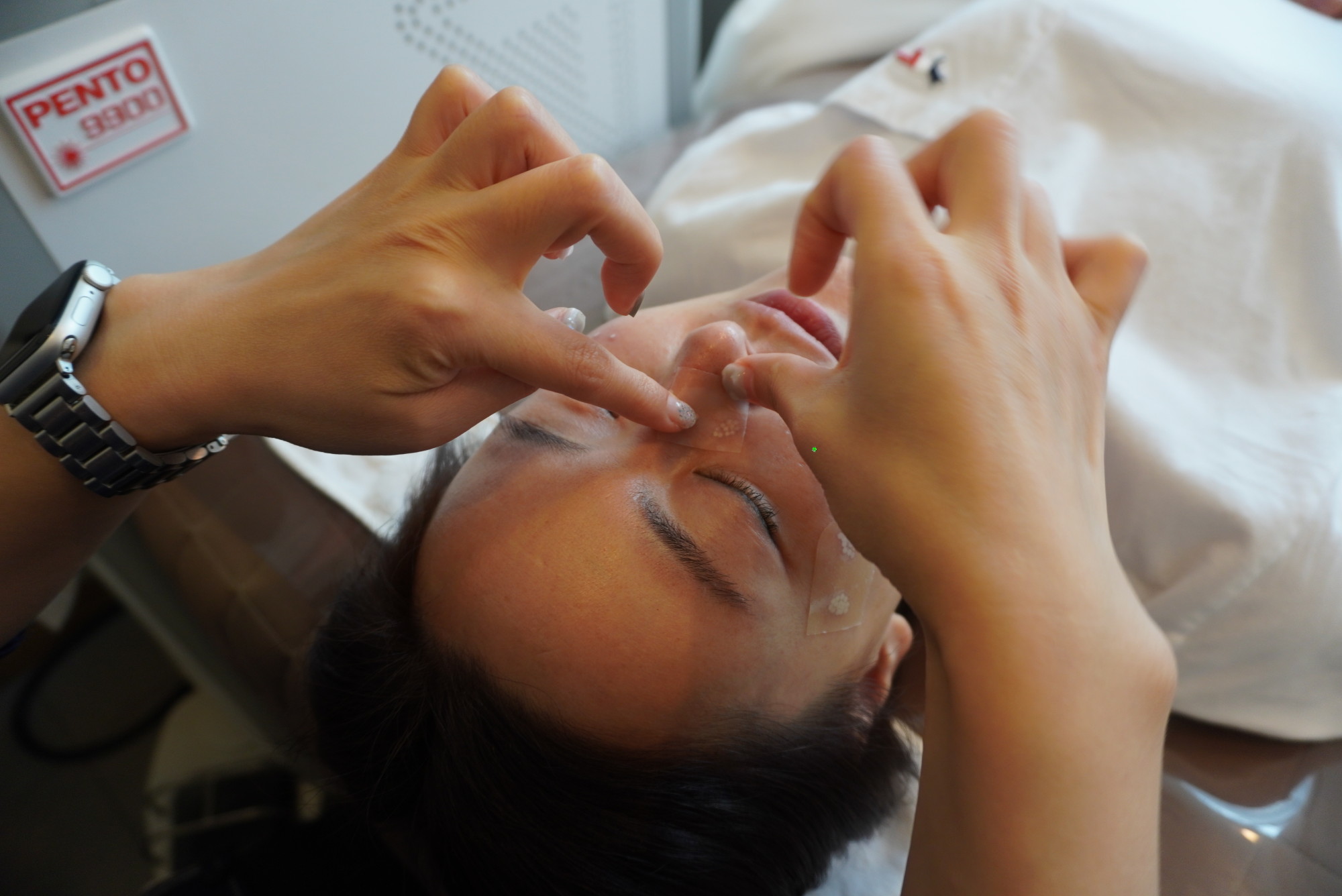
and the day's procedure is completed by carefully applying DuoDERM to each treated spot.
DuoDERM aftercare shapes the result
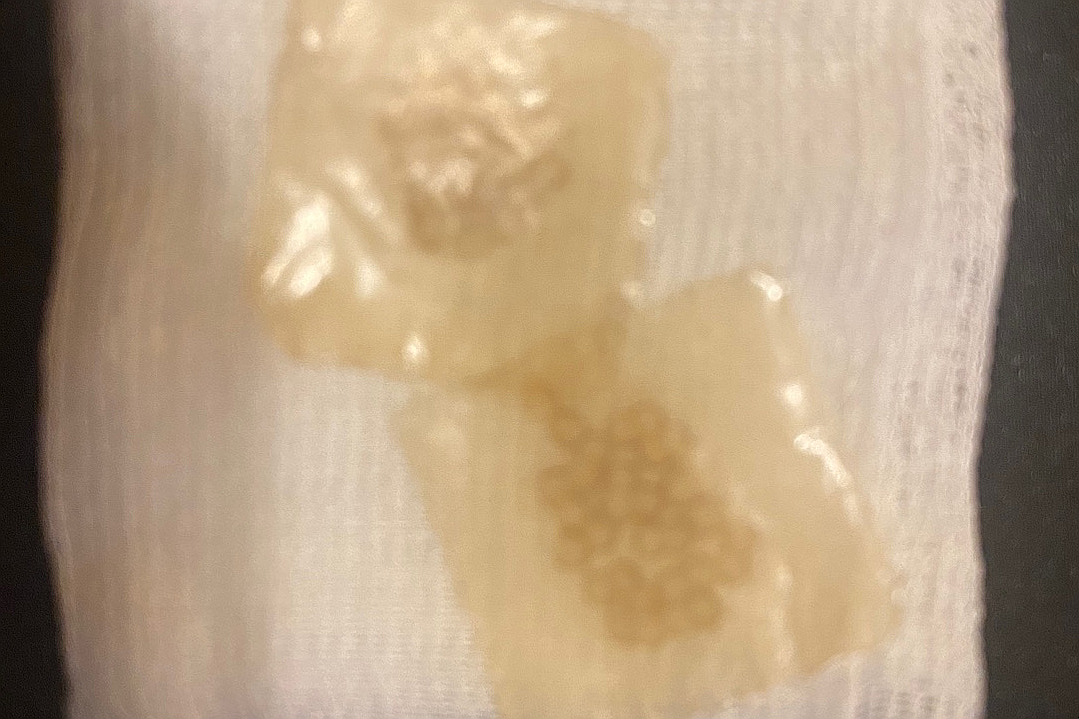
The DuoDERM dressing must stay in place for a full two weeks. After two weeks you can remove it yourself at home; if the edges lift or the adhesion weakens before then, do not peel it off — apply a new piece of DuoDERM over it instead. Keeping the scab from coming off earlier than it should is the most important part of recovery.
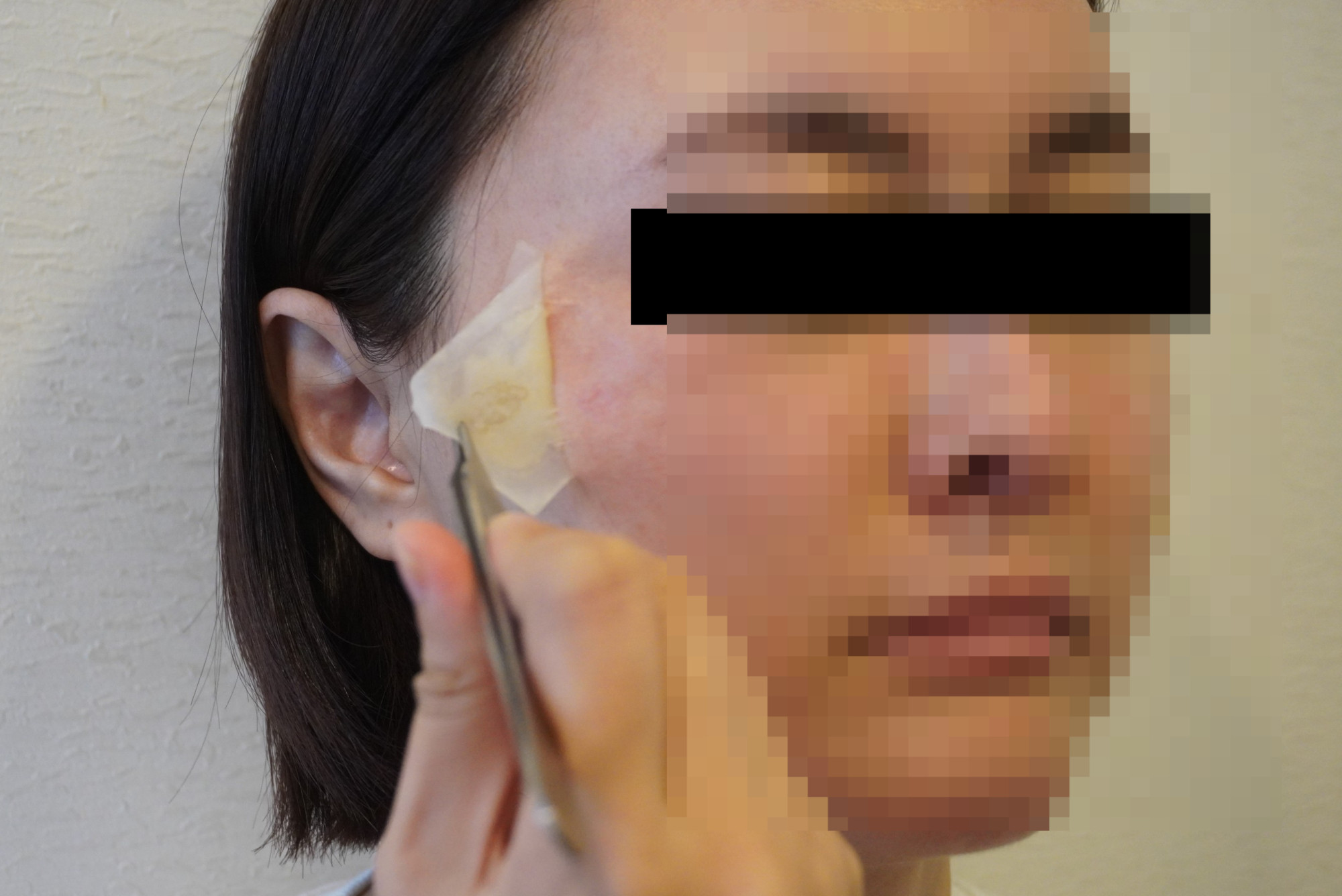
After removing the DuoDERM, the treated area will look red for a while. Until the redness settles, it is best to minimize sun exposure and reapply sunscreen frequently for thorough UV protection.
Wrapping Up
For solar lentigo and nevus of Ota, the outcome depends not on the device name but on the doctor's judgment in reading the depth of the pigment and designing the treatment intensity — and the two weeks of DuoDERM care and UV protection afterward matter as much as the procedure itself. If you are wondering whether your spots are solar lentigines or what kind of treatment your skin needs, feel free to reach out via chat with us about your pigment concerns.
This article was written by Dr. Tae-hyung Park, Chief Director. He is the chief director of Skinique Clinic and serves as an academic director of the Korean Society for Laser, Dermatology and Trichology. First published November 23, 2023 · Last reviewed August 24, 2026
This article is intended as general medical information. Skin conditions and responses to treatment vary from person to person. Please decide whether and how to proceed with treatment through an in-person consultation.