
Plenty of people feel they could use a lifting treatment yet keep putting it off, whether because their skin is thin, because they worry about losing facial volume, or simply because the pain sounds daunting. For anyone in that position, SkinTyte performed on Sciton's BBL platform is worth a look. This article walks through how skin firmness works, what sets BBL SkinTyte apart, and how the treatment is carried out step by step.
Collagen in the Dermis Holds the Key
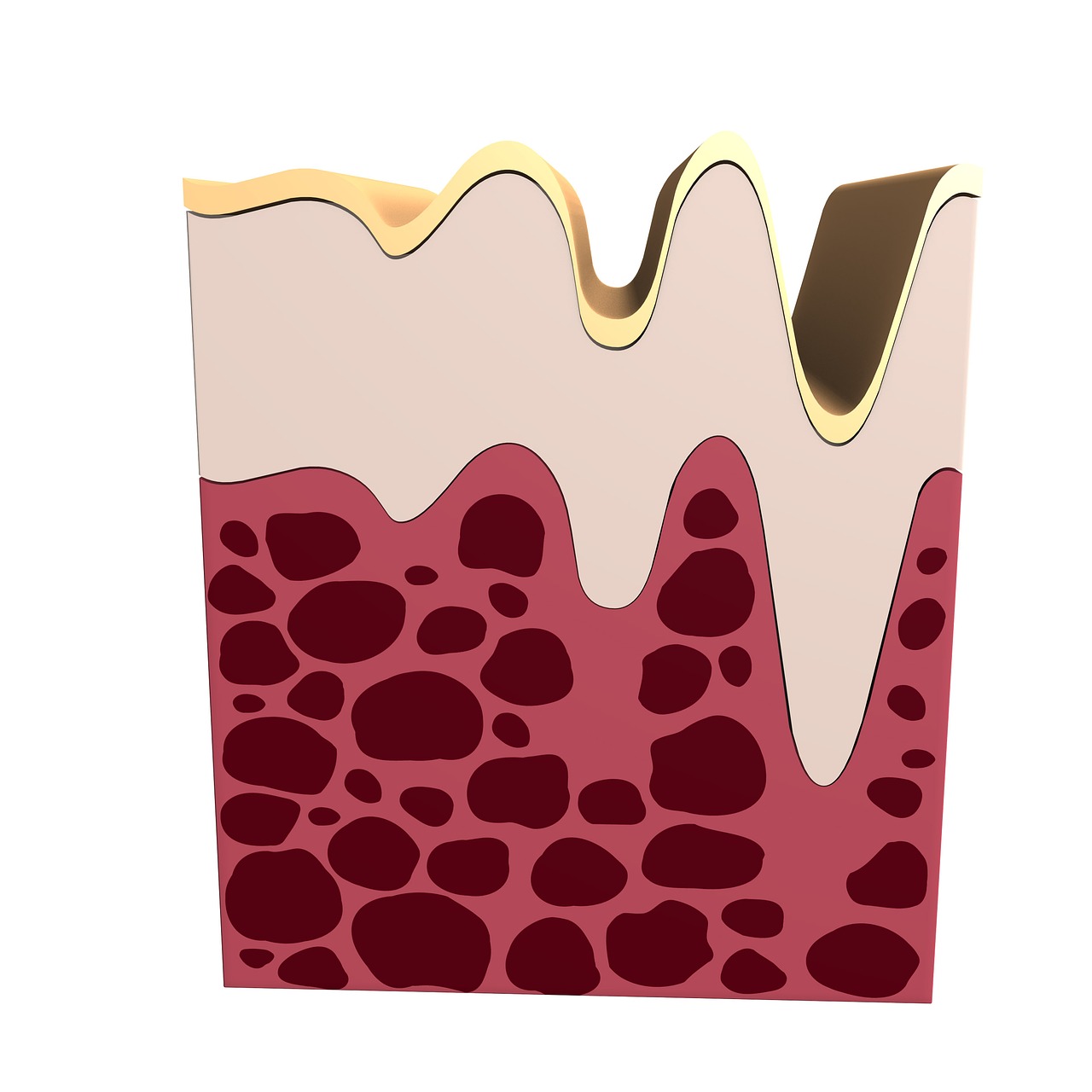
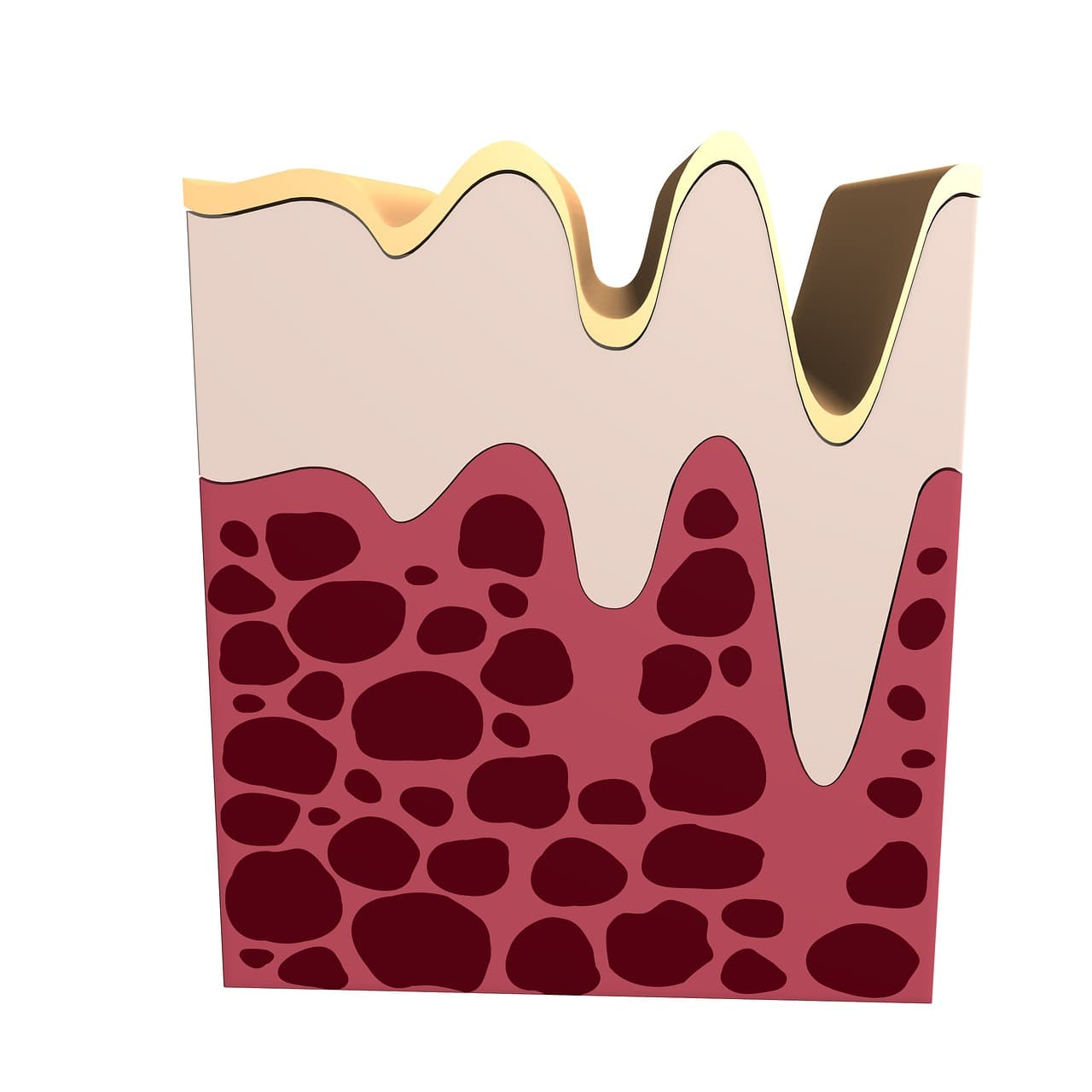
What determines skin firmness is the collagen in the dermal layer. Ingestible collagen products have been popular for years, but collagen taken by mouth is broken down during digestion, so very little of it reaches the skin directly. Collagen accounts for roughly 70% of the dermis and declines quickly with age, so anyone hoping for a real change in firmness needs an approach that prompts the skin to build collagen again. That is why so many dermatologic treatments are designed around stimulating collagen production.
BBL, an Evolution of IPL
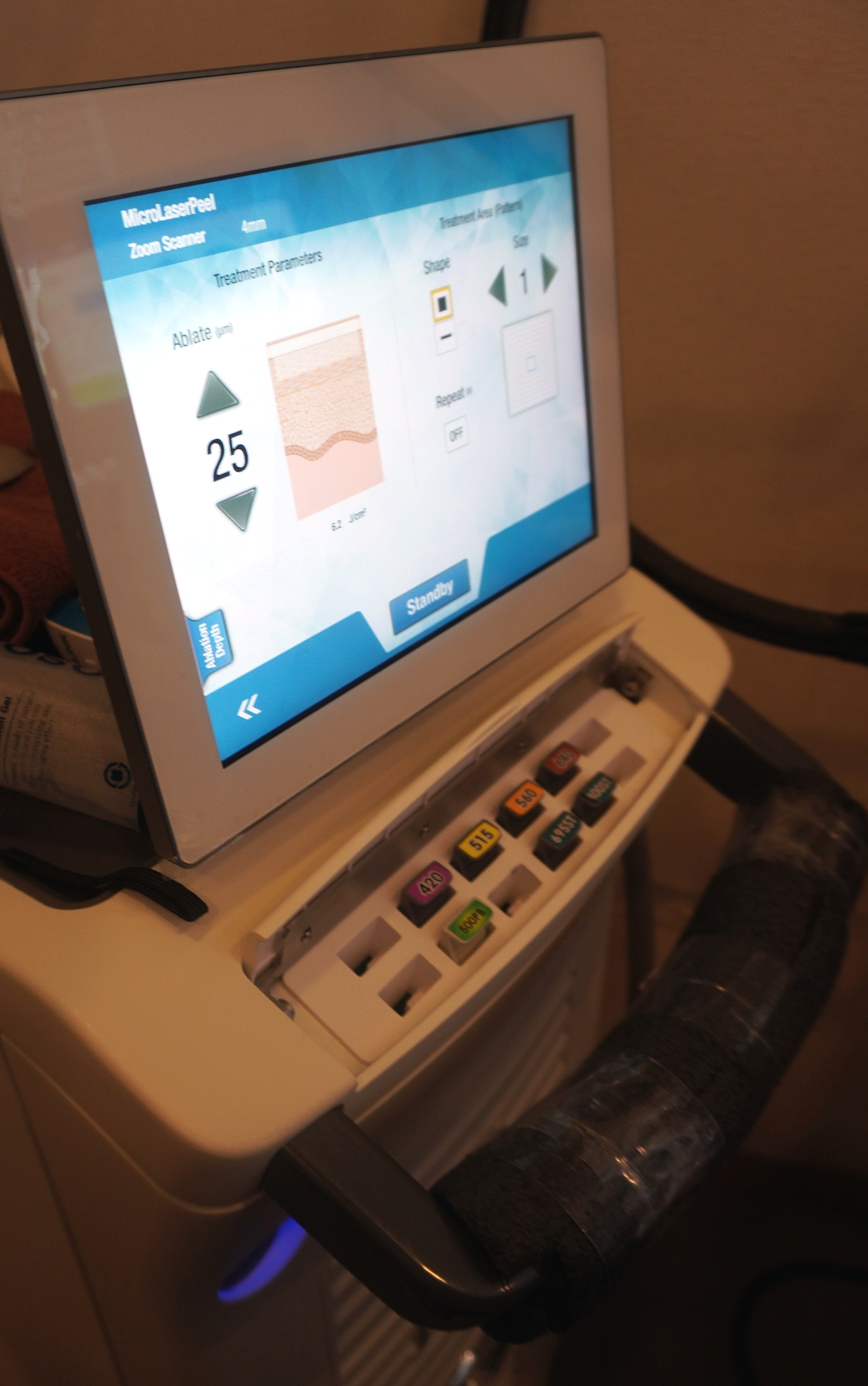
BBL (BroadBand Light) is a light-based treatment platform from Sciton that builds on the widely known IPL. As the name suggests, it works with a broad band of light selected through a range of smart filters, which is why it is applied across concerns from pigmentation to pores, acne and skin firmness.
Within that platform, SkinTyte is the tightening program, drawing on a wide 590-1,400 nm wavelength range. A specialized sapphire tip helps limit heat load at the skin surface while light energy reaches the fibroblasts in the dermis and encourages them to produce collagen, an energy source fundamentally different from ultrasound- or radiofrequency-based lifting. Because the discomfort is modest, it fits a maintenance-style routine repeated at regular intervals, much like toning, and because it works through light wavelengths, a more even skin tone may be noticed alongside. How much the skin responds does vary from person to person.
Following the Treatment Step by Step

As with every other treatment at Skinique Clinic, BBL SkinTyte begins with an unhurried consultation with the medical team. We listen closely to your concerns, examine the condition of your skin, and decide together what is actually needed right now.
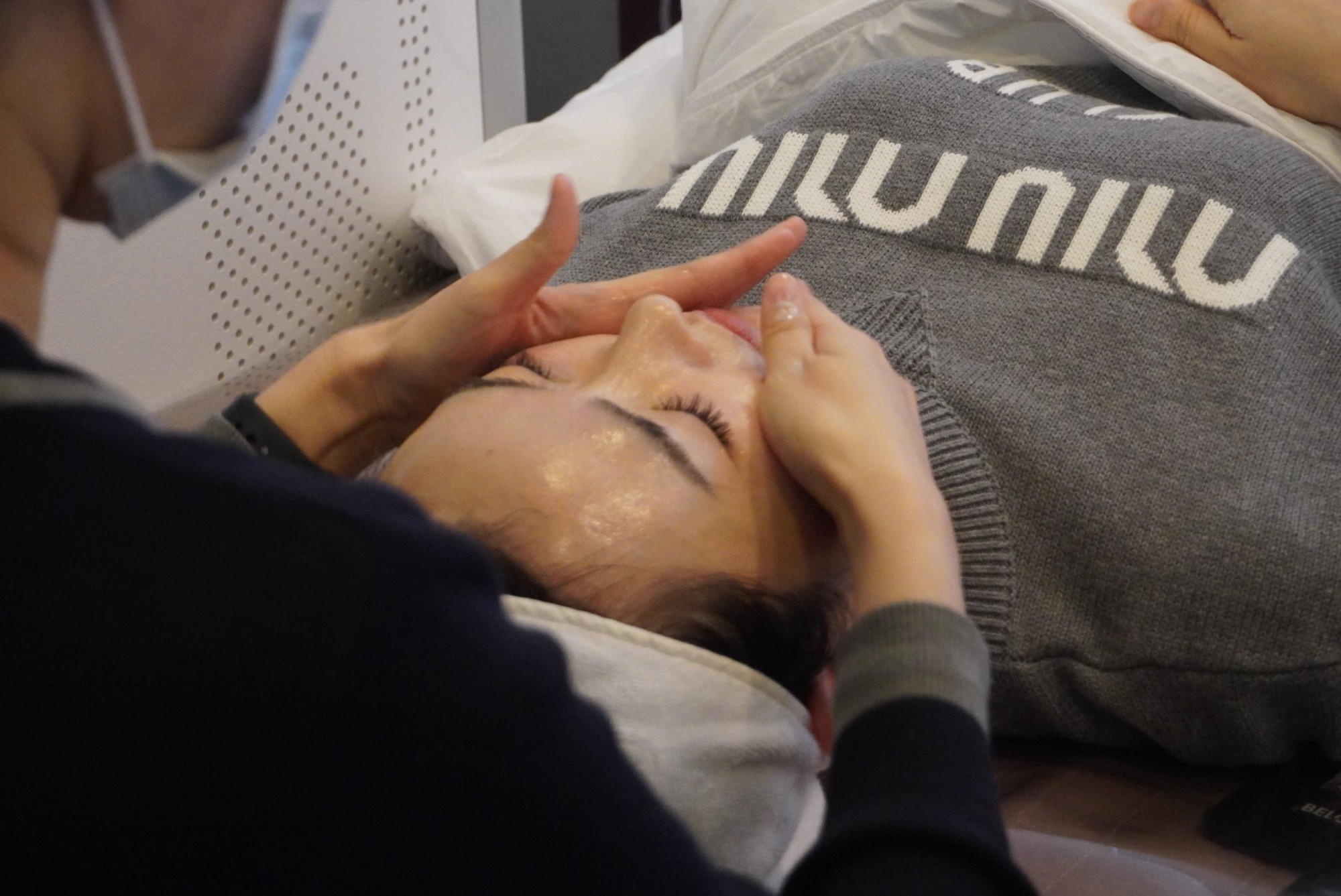
Since the treatment is not especially uncomfortable, it is often performed straight after cleansing, with no numbing cream step. Protective eye covers are worn to shield the eyes from the flashes of light during the session.
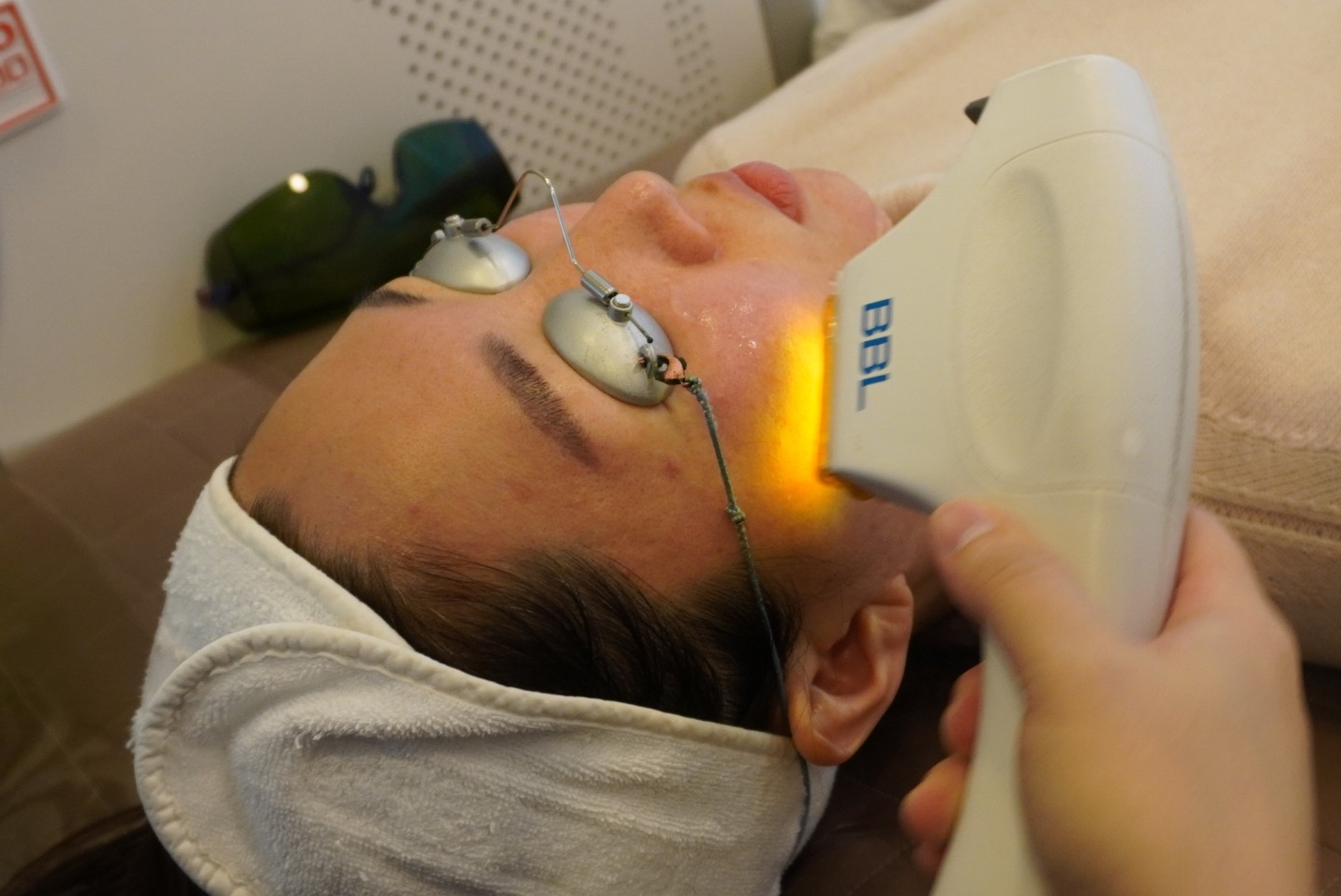
The base pass comes first, refining visible pigmentation while broadly waking up the skin cells,
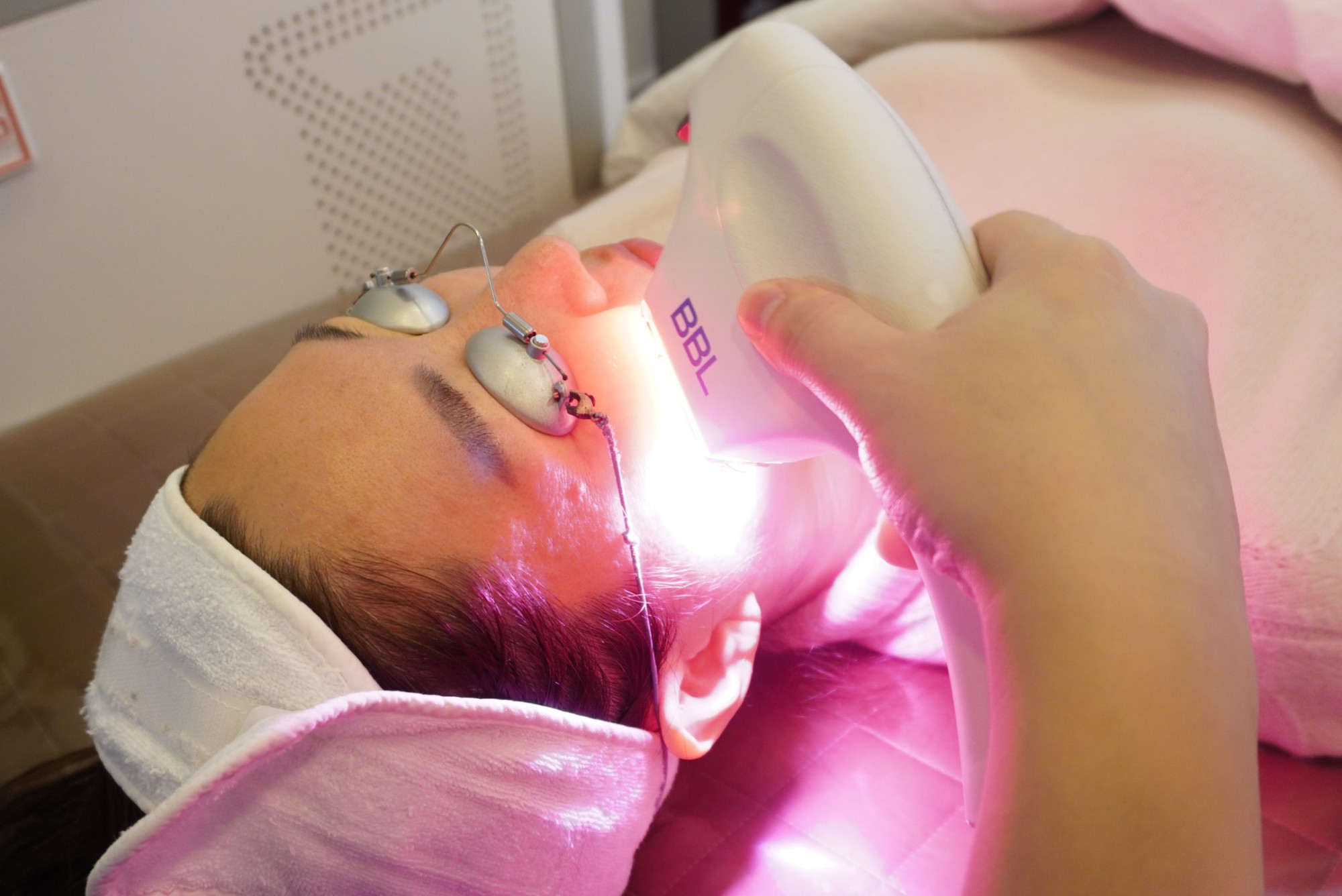
and the SkinTyte pass that follows delivers light energy in a continuous, even sweep to stimulate the fibroblasts in the dermis.
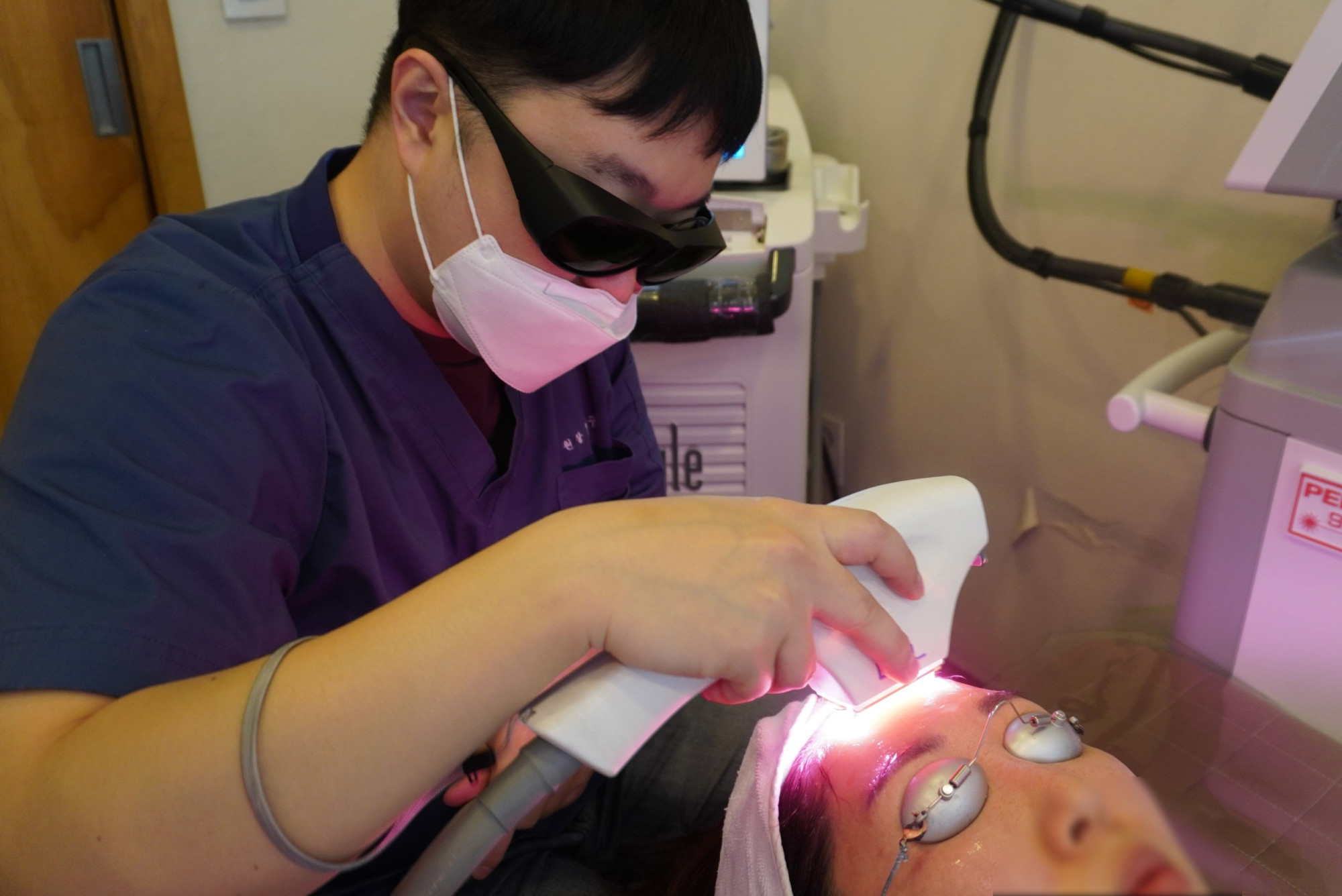
The point worth watching in this treatment is how fully and how evenly the energy is delivered. Enough to prompt collagen renewal, but not beyond that. Skinique Clinic makes it a rule to take the time to cover the whole face or neck carefully.
Changes Reported in Clinical Materials
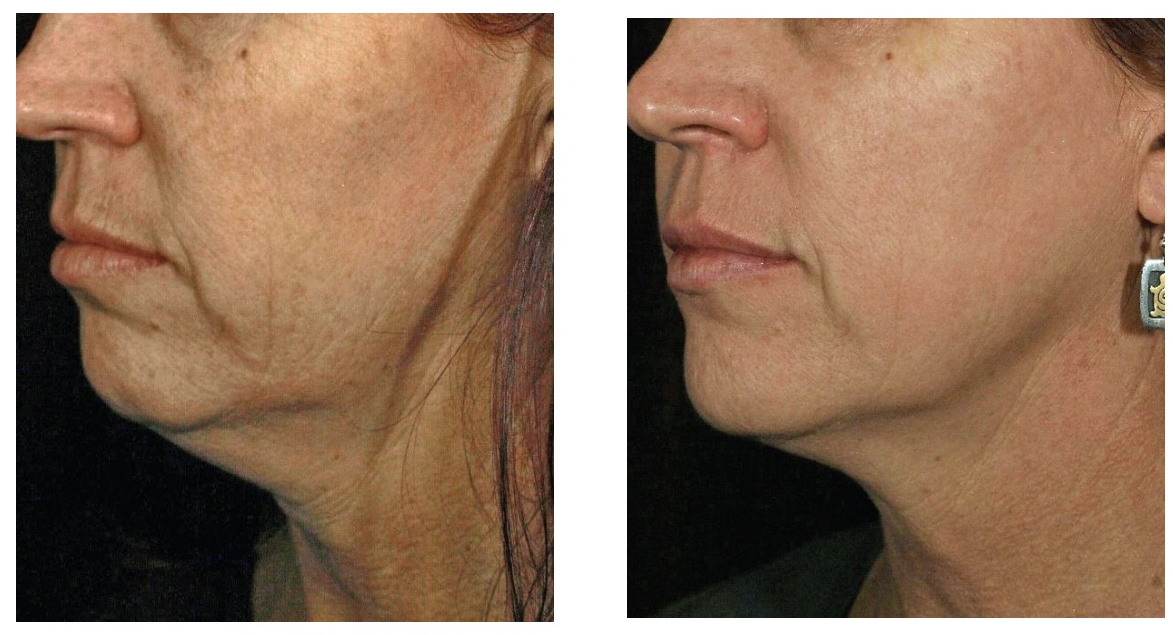
Clinical materials supplied by the manufacturer, Sciton, present the skin changes seen in cases treated with SkinTyte on a regular schedule. Those cases do not guarantee the same outcome for everyone, so they are best read with individual differences in skin condition in mind. Detailed costs are available on the price guide.
Wrapping Up
BBL SkinTyte is a maintenance-style tightening treatment that uses a broad band of light energy to stimulate fibroblasts and encourage collagen production, with a light load in terms of discomfort and downtime. If thin skin or worries about volume loss have kept you from considering lifting, it is worth reviewing as one option. If you are wondering what interval would suit your skin, ask us through chat about a firmness care plan for your skin.
This article was written by Dr. Park Tae-hyung, Chief Director. He is the chief director of Skinique Clinic and serves as academic director of the Korean Society for Laser Dermatology and Trichology. First published February 19, 2023 · Last reviewed August 24, 2026
This article is general medical information. Skin condition and response to treatment can vary from person to person. Whether and how to treat should be decided through an in-person consultation.