
Pores, fine lines, scars, slackened texture — treating concerns of such different natures with a different device for each makes the treatment plan complicated. Potenza combines microneedling with radiofrequency, so a single platform can approach several skin issues at once. This article covers how Potenza works, the three programmes SKINIQUE Clinic runs with it, and how skin boosters such as PDRN (salmon DNA) injection, Filorga, Juvelook and exosomes are combined with it.
A device that carries radiofrequency on microneedles
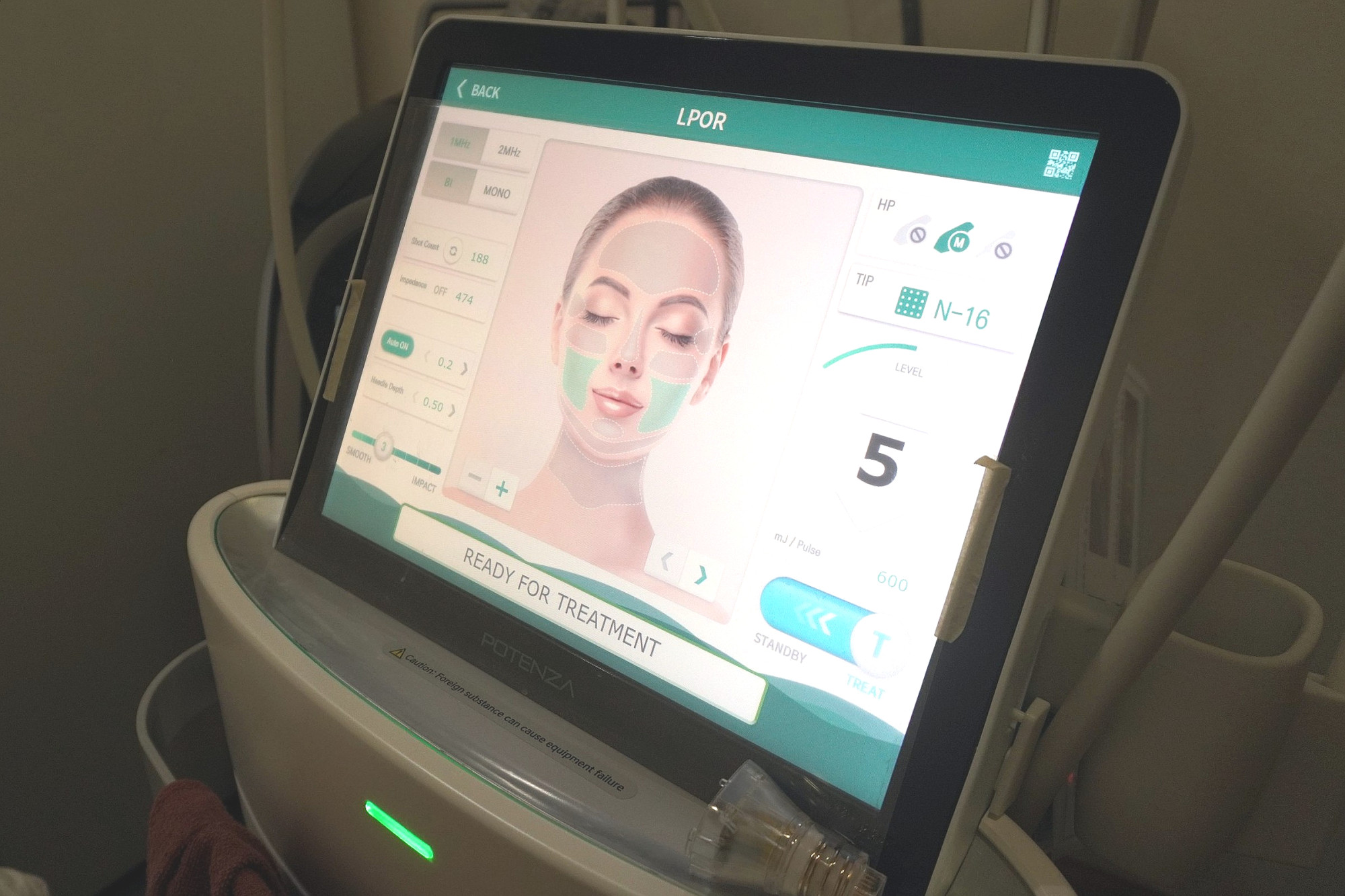
Potenza works by inserting fine needles into the skin at depths that can be varied from 0.5 mm to 4.0 mm and delivering RF (radiofrequency) energy through the needle tips. The heat produces a fine coagulative response in the tissue, and as the area recovers, collagen production is prompted — which is the basis for expecting improvement in fine lines, elasticity, skin tone and texture. The upgraded version adds three non-invasive tips used without needles, bringing the tip line-up to fourteen and widening the range of applications accordingly.
The three Potenza programmes at SKINIQUE Clinic
Having many tips also means that setting the goal matters. SKINIQUE Clinic runs Potenza along three broad lines. When the goal is lifting, the non-invasive DIA and DDR tips are used together to apply both bipolar and monopolar radiofrequency. When pigmentation is the target, Potenza is added to the clinic's main Quattro Toning programme, combining laser with radiofrequency. If pores, scars, texture and elasticity are the concern, the N16 or CP25 tip is chosen and paired with a skin booster.
Which skin booster to add
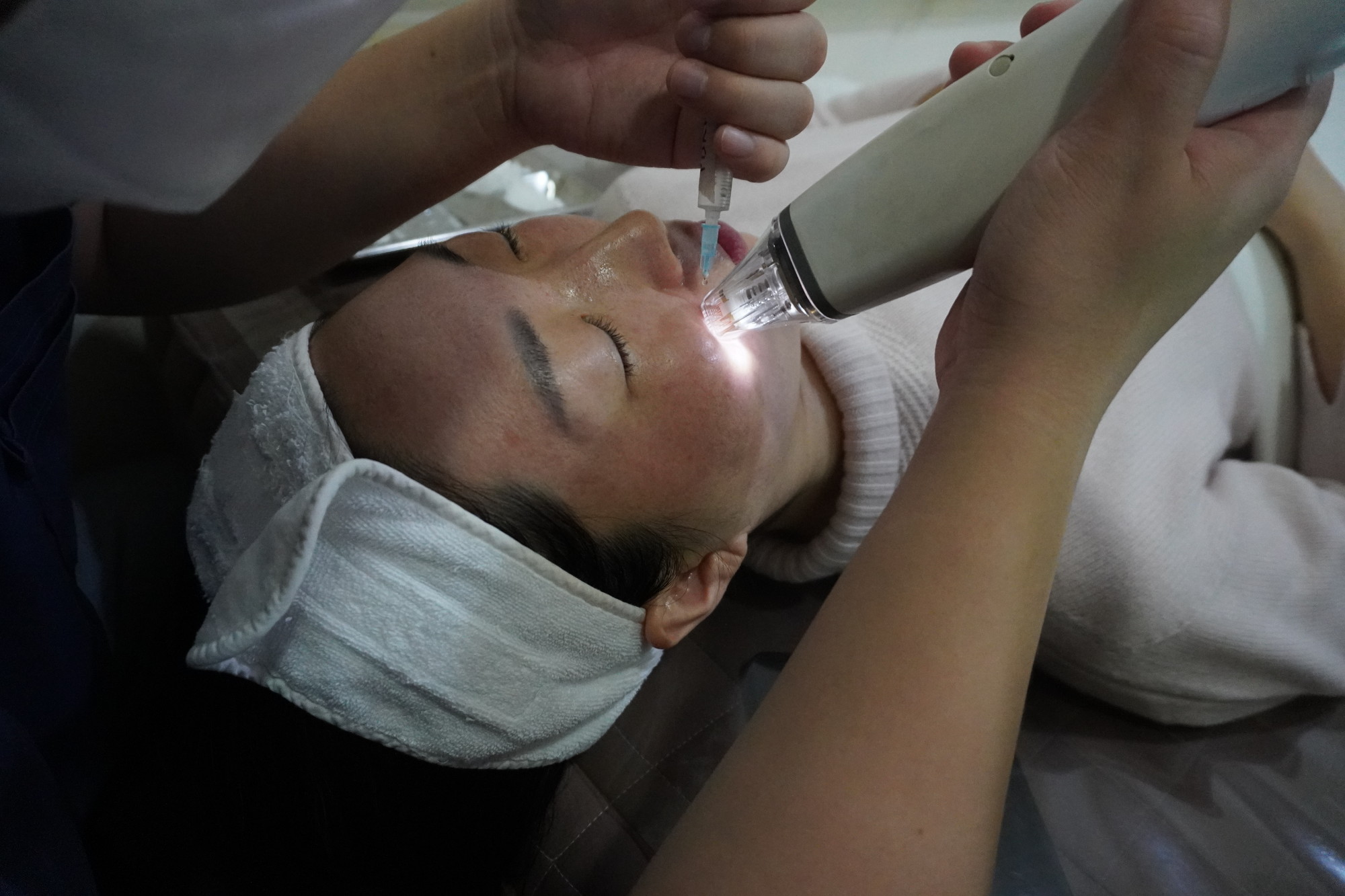
Right after an invasive tip has created micro-channels in the skin, conditions are favourable for absorption, which is why Potenza is often paired with a skin booster. At SKINIQUE Clinic, the choice among PDRN (salmon DNA) injection, Filorga, Juvelook and exosomes is made through a consultation with the director, based on the condition of your skin. Of these, PDRN — the ingredient behind the name "salmon injection" — is derived from salmon DNA and is known to assist cell regeneration and support the recovery of damaged skin. Whichever combination is used, the degree of response varies from person to person.
The same device, different technique, different result
It is easy to choose a clinic by checking the name of the device alone, but face size and skin condition differ from person to person, and applying a fixed number of shots across the board can leave the areas that actually need attention insufficiently treated. Whether the awkward areas such as around the mouth, the eyes and the nose are skipped, and whether time is spent going back over the areas you are concerned about, are what decide how satisfied you feel afterwards.
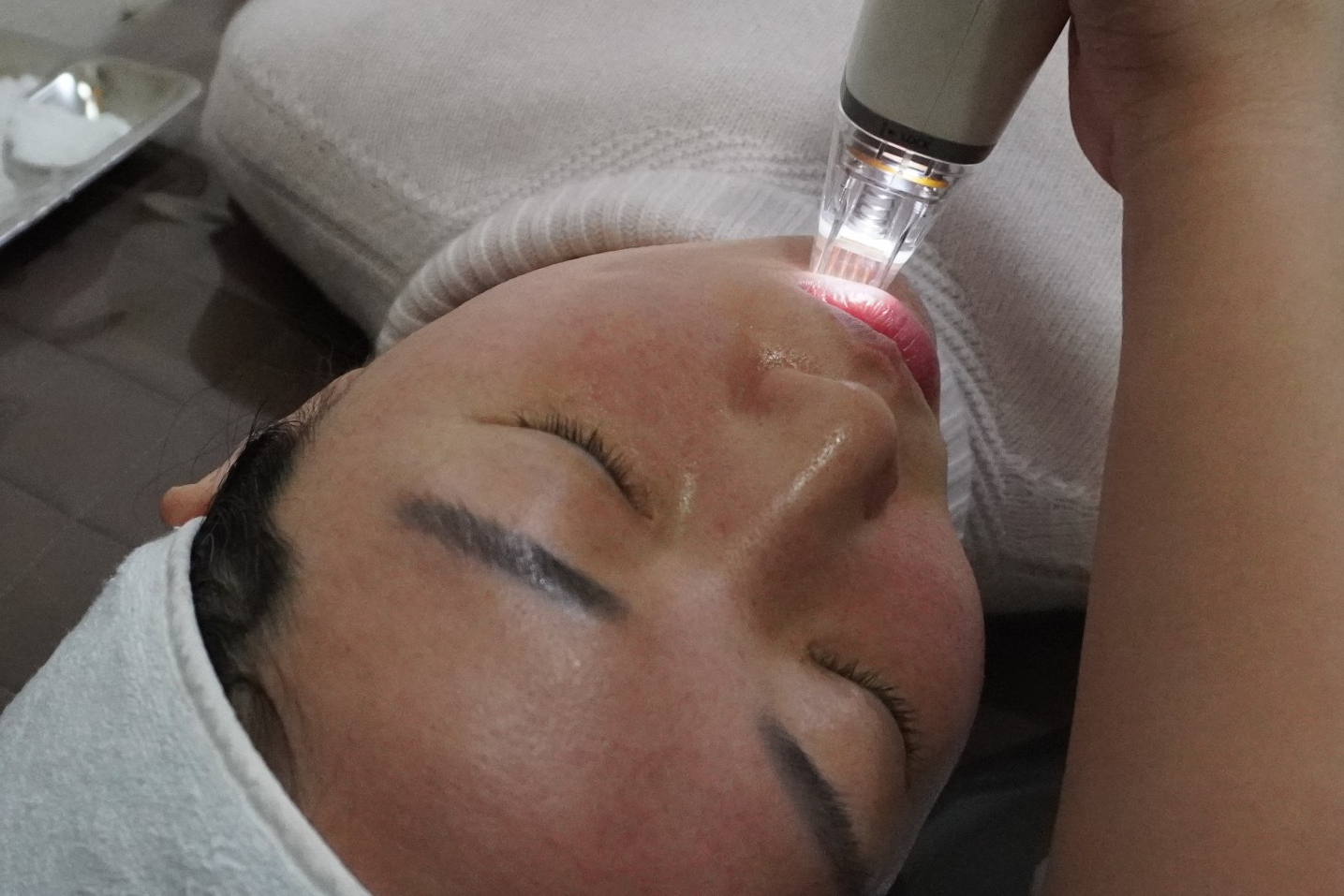
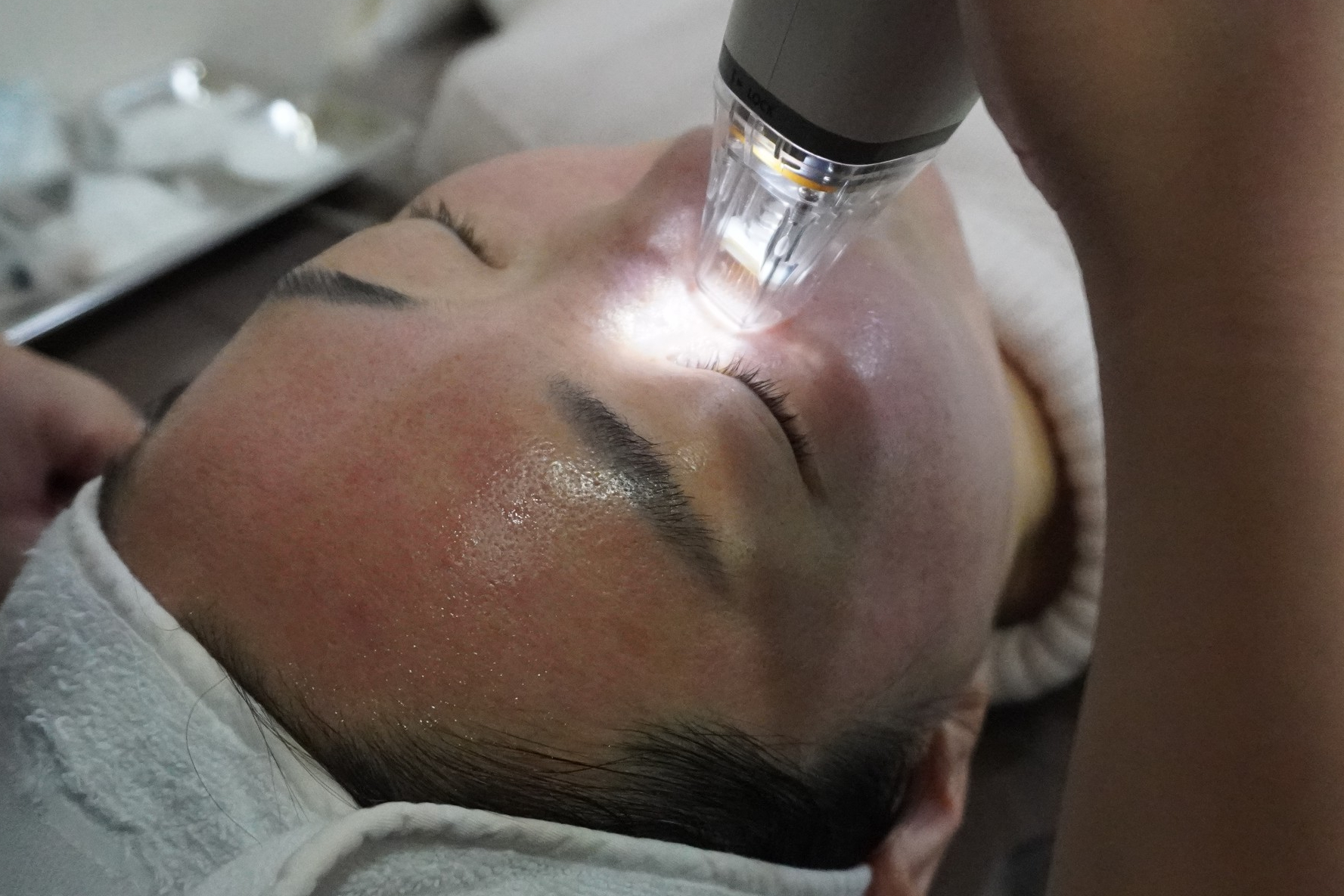
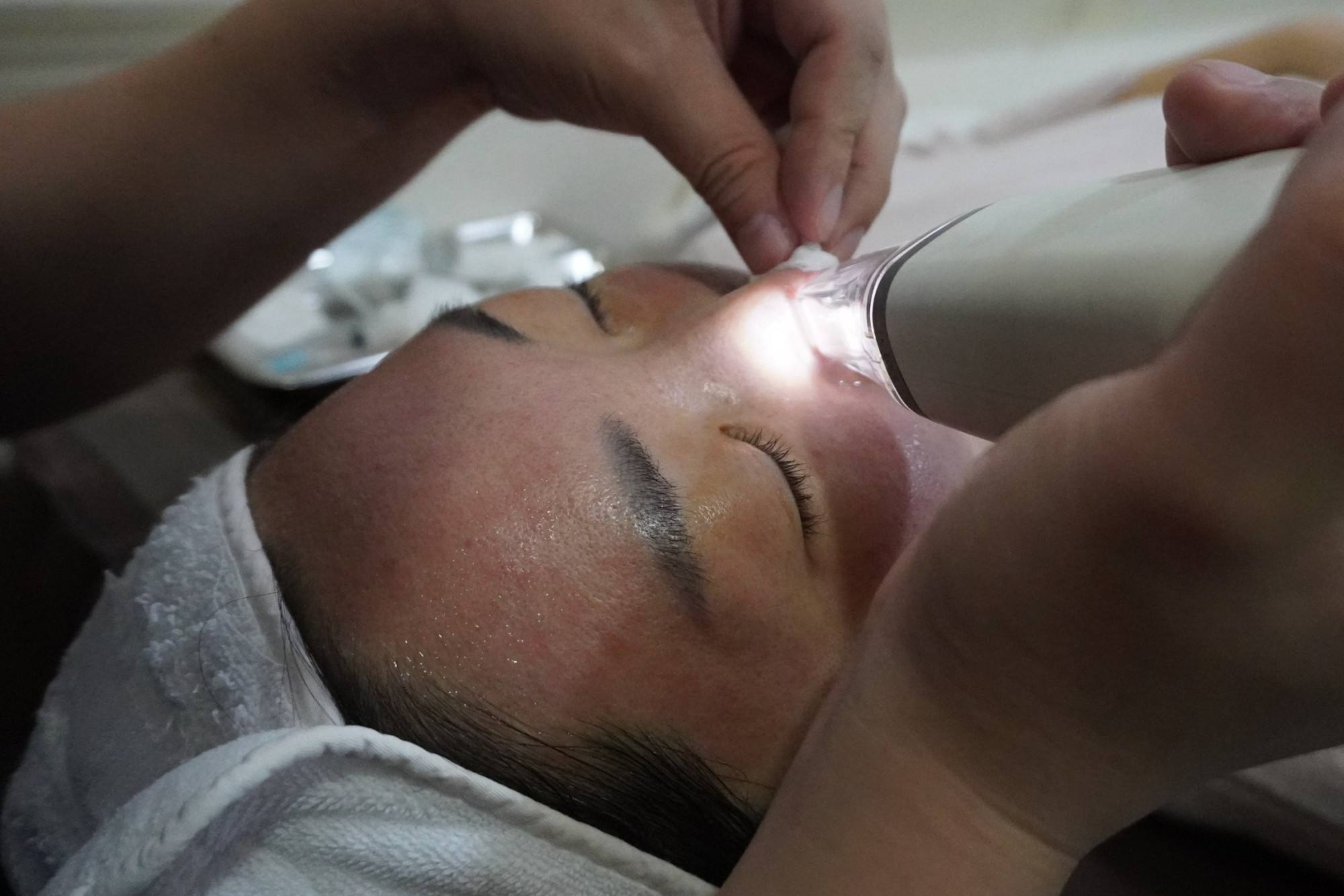
SKINIQUE Clinic works to the principle of using as many shots as the individual's skin condition calls for, and of going over the areas a patient is particularly concerned about in several careful passes.

The consultation comes first
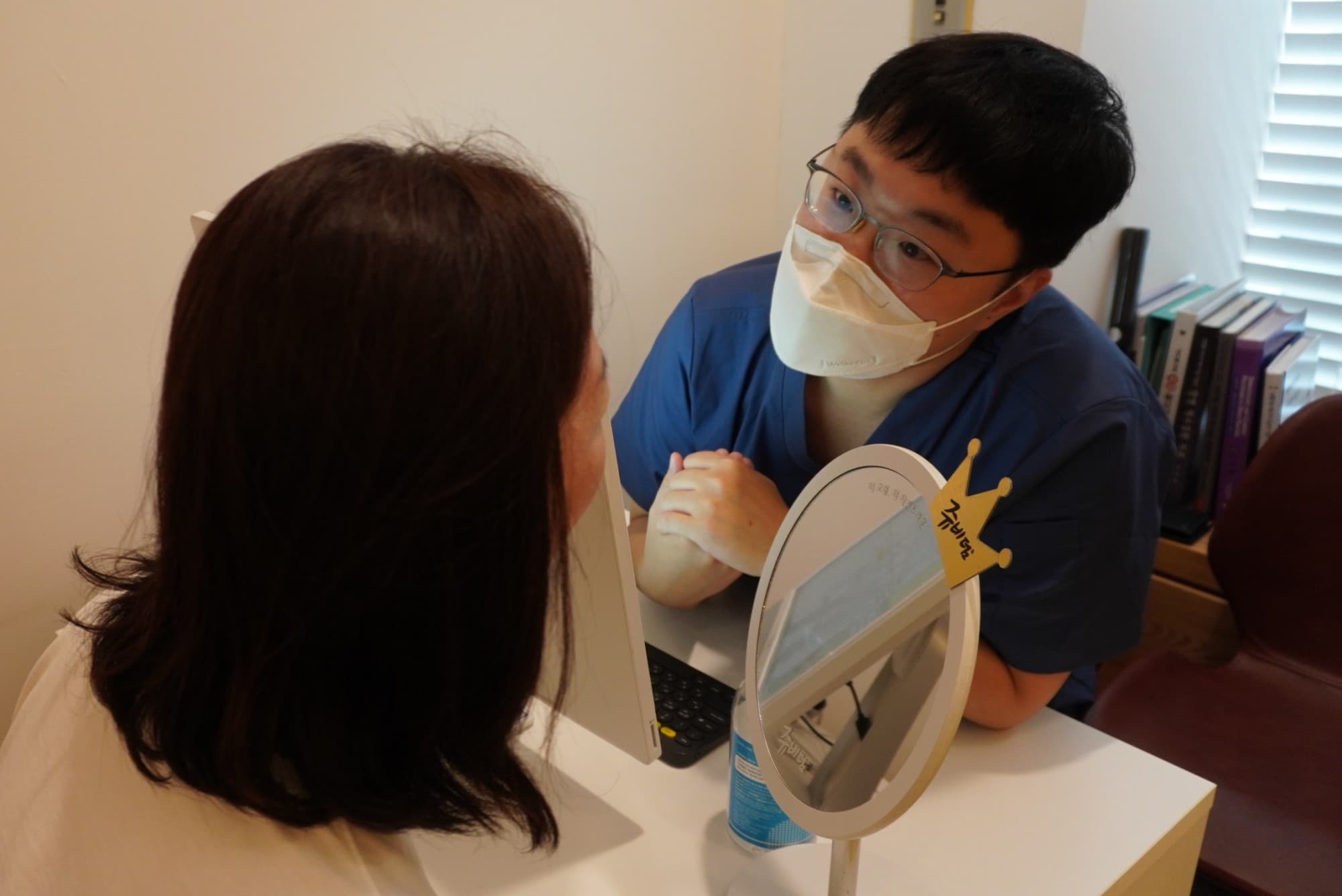
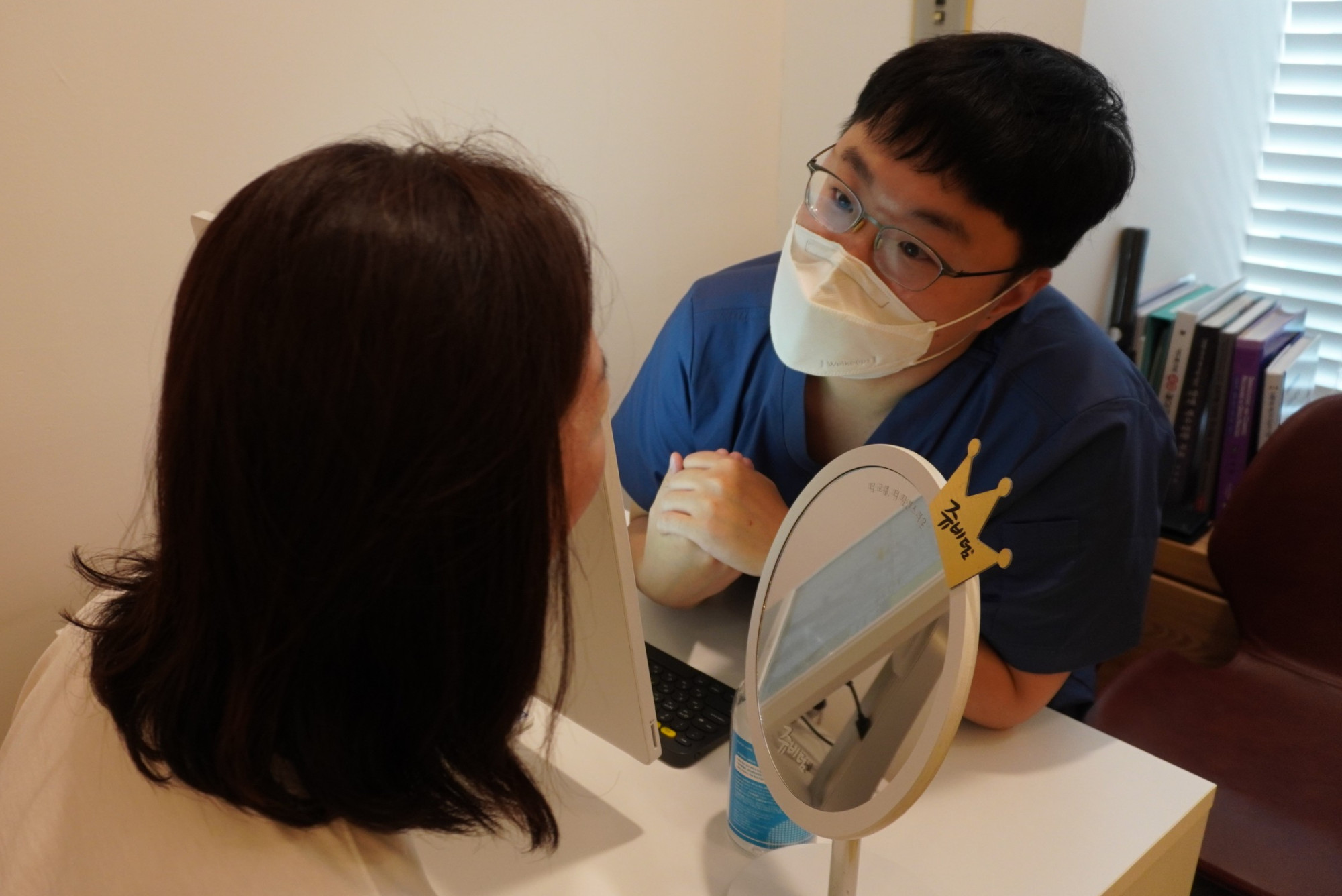
When you visit, a prior consultation with the director who will perform the treatment begins by judging whether the treatment you had in mind is in fact the right fit for improving your skin. Not recommending packages you do not need, and carrying what was established in the consultation straight through into the treatment, is how SKINIQUE Clinic operates. Detailed pricing is available on the price guide page.

Wrapping Up
Potenza prompts collagen production through microneedling radiofrequency, giving it a broad reach across pores, scars, fine lines, elasticity and pigmentation — and the choice of tip for the goal, the skin booster paired with it and the care taken by the practitioner are what shape the result. If you are wondering which tip and booster combination suits your own concerns, feel free to ask us at chat with us about the right combination for your skin.
This article was written by Dr. Park Tae-hyung, Chief Director. He is the chief director of SKINIQUE Clinic and serves as academic director of the Korean Society for Laser Dermatology and Trichology. First published 14 December 2022 · Last reviewed 24 August 2026
This article is general medical information. Skin condition and response to treatment vary from person to person. Whether and how to be treated should be decided through an in-person consultation.