

When you look into treatments for melasma or dark spots, you quickly run into a flood of similar names — laser toning, dual toning, pico toning — and it is easy to get confused. Even when the same word "toning" is used, the actual treatment can be completely different depending on which devices are combined and how. In this article, we explain how Pico Triple and Quattro Toning, the multi-laser program run by Skinique Clinic, is put together.
Laser toning is not the name of a specific device
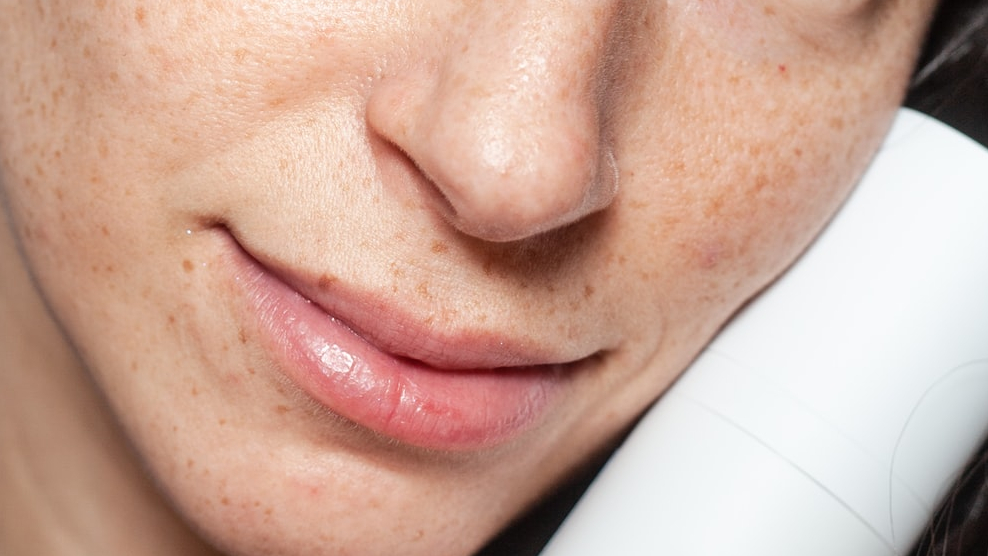
The commonly used term "laser toning" does not refer to any single machine. It is closer to a general name for treatments that use Q-switched 1064nm Nd:YAG-type lasers to break pigment into fine particles. Instead of firing high energy all at once, the laser delivers low energy over multiple passes to gradually break down pigment in the dermis — which is why the treatment is usually repeated over several sessions rather than finished in one.
The catch is that laser devices vary enormously by wavelength and pulse speed. Two clinics may both advertise "laser toning" while actually performing different procedures with completely different machines, so it is difficult to compare treatments on name and price alone.
One more thing worth remembering: there is no single "correct" laser for pigmented lesions. Melasma, freckles, and dark spots differ from person to person in both their cause and the depth at which they sit, so a single type of laser has limits in addressing every kind of pigment. This is also why Skinique Clinic does not keep a basic toning menu performed with a single device.
How Pico Triple and Quattro Toning is structured
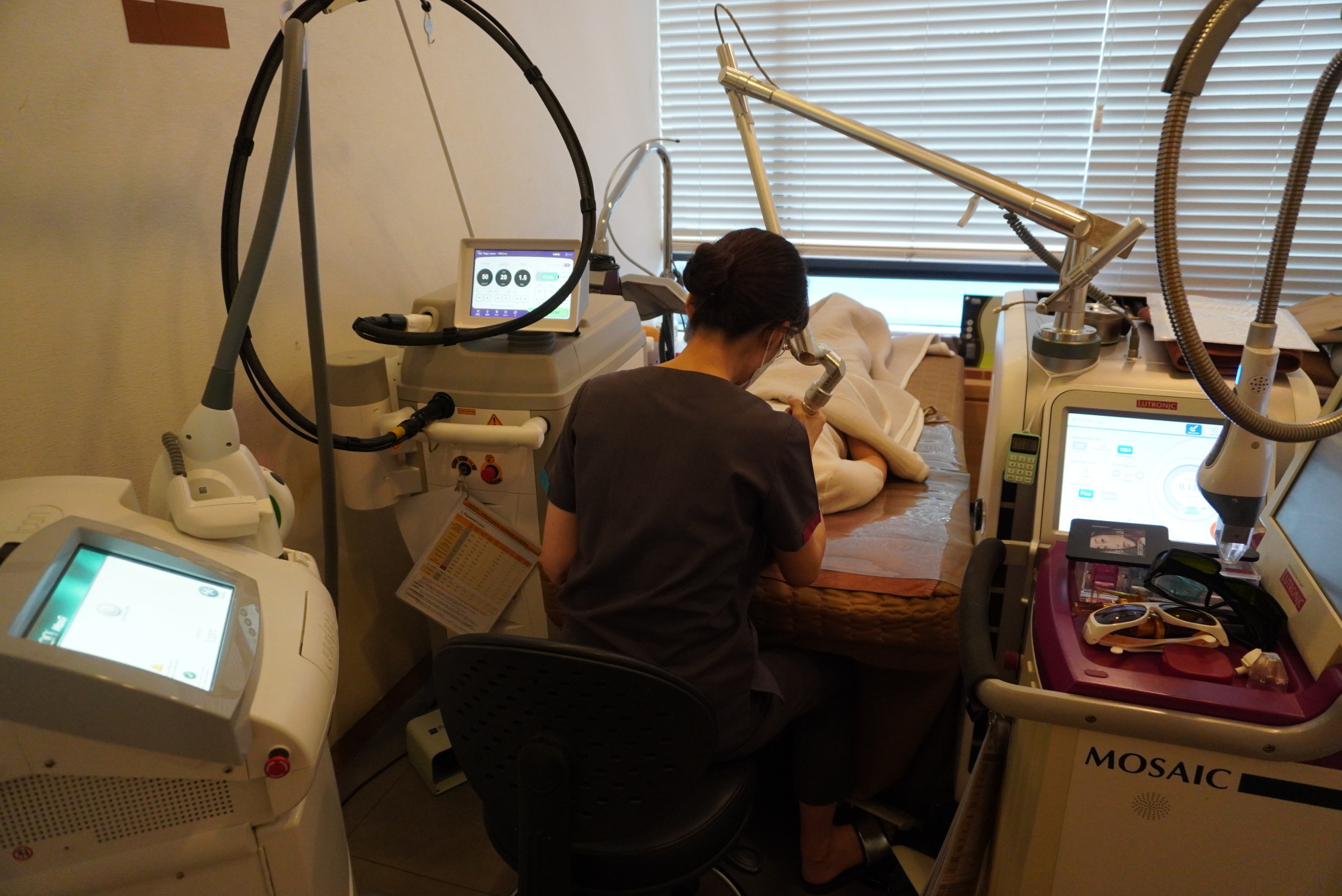
Skinique Clinic's toning program is built around pico toning and pico-focus toning. Picosecond-level pulses shatter pigment particles into much finer fragments, and on top of this we add other lasers with complementary effects — three to four types of laser, sometimes more, applied in sequence within a single visit. Rather than mechanically repeating the same order every time, we adjust the day's combination based on how your skin looks on the day of your visit.
Some people worry that receiving several lasers at once might leave their skin sensitized or dry. That is why the sequence is not limited to pigment-targeting lasers: lasers that support dermal regeneration are placed alongside them, so pigment treatment and skin conditioning happen together. Of course, skin responses vary from person to person, so we confirm your condition in a pre-treatment consultation before proceeding.
The procedure, step by step
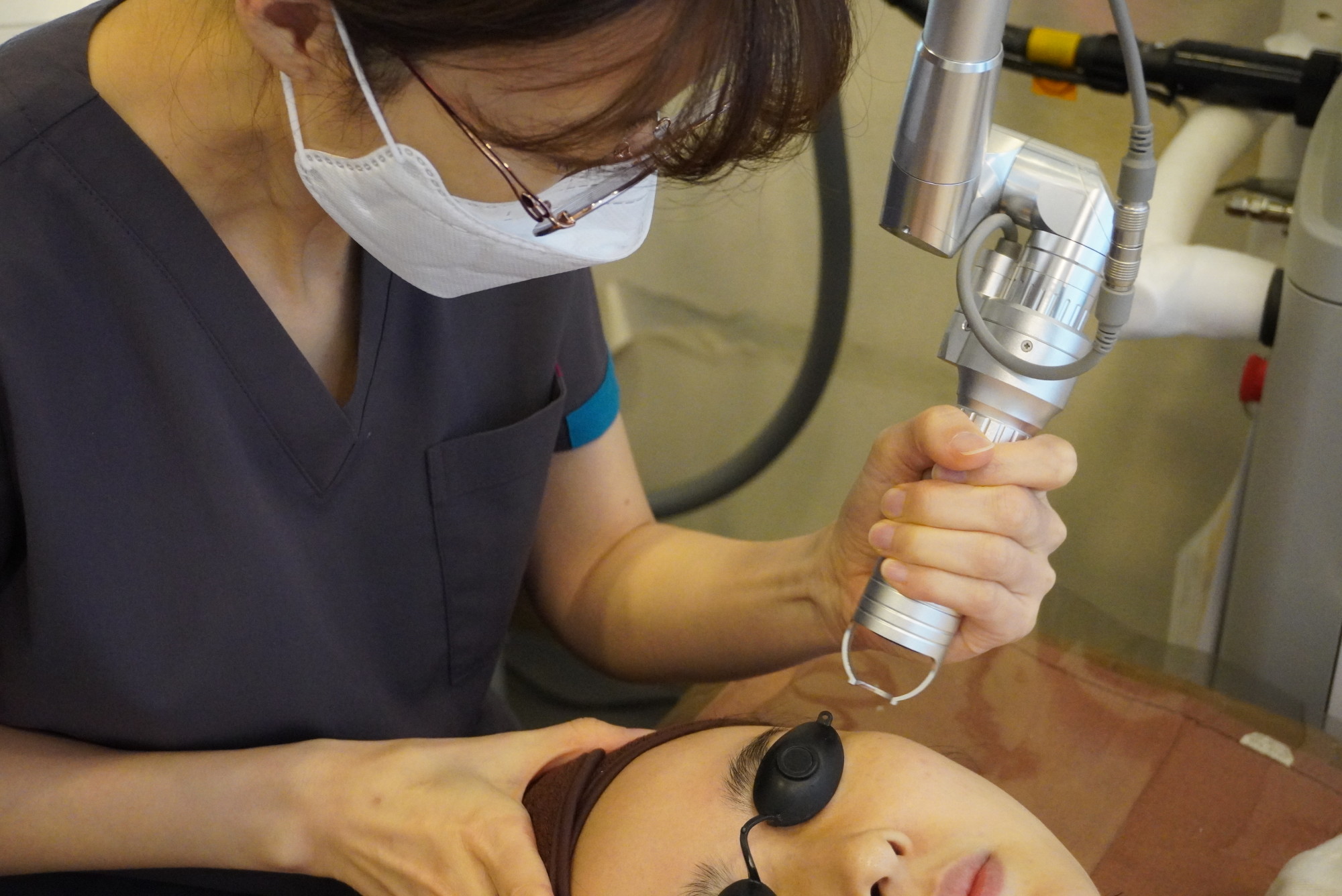
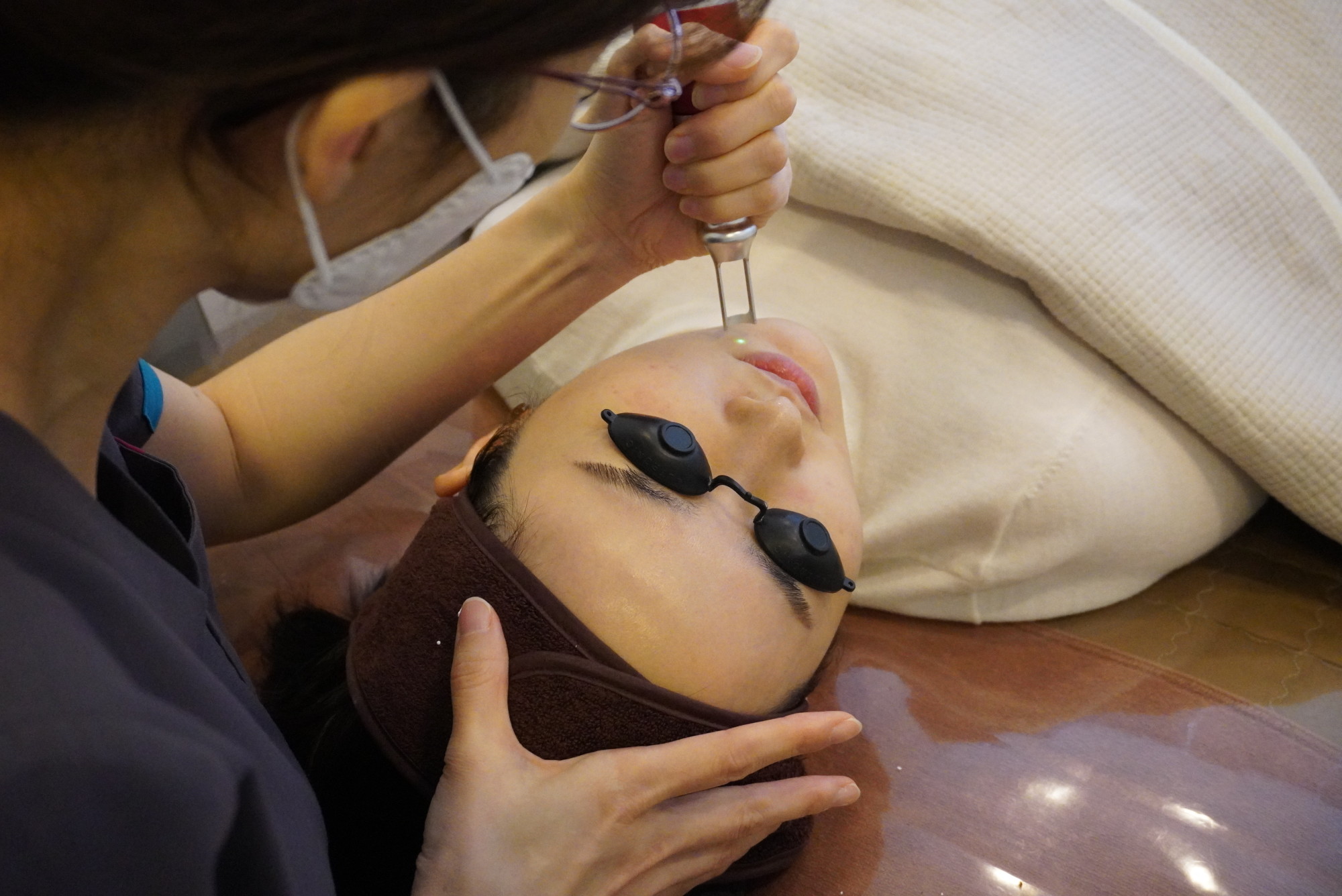
The first step is pico toning. Using both the 532nm and 1064nm wavelengths, it targets pigment in the epidermis, pigment settled in the dermis, and mixed lesions in between — each at its own depth.
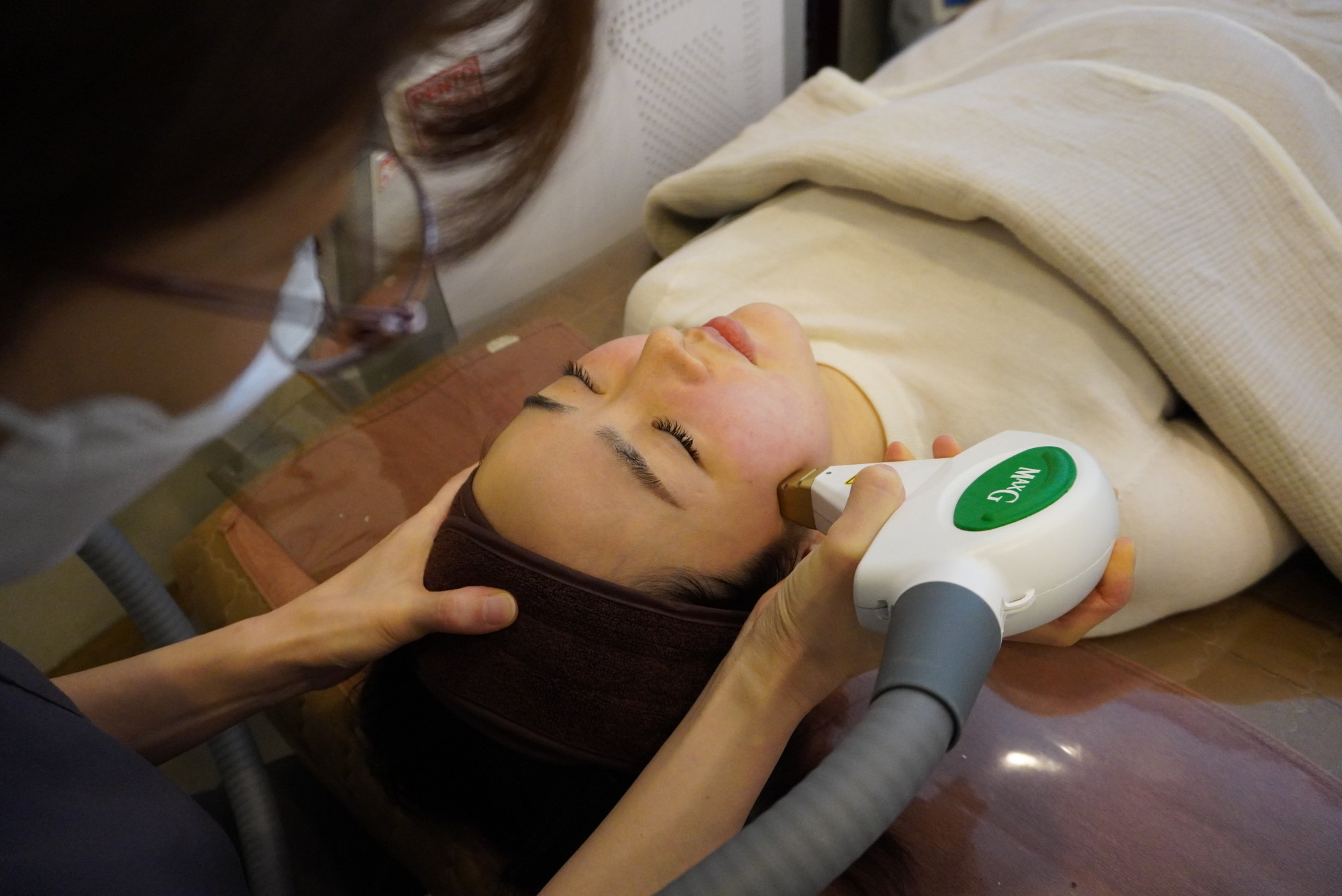
Next comes the Icon Max-G, an IPL device. This step addresses epidermal pigment while also reaching accompanying concerns such as pores, redness, and acne.
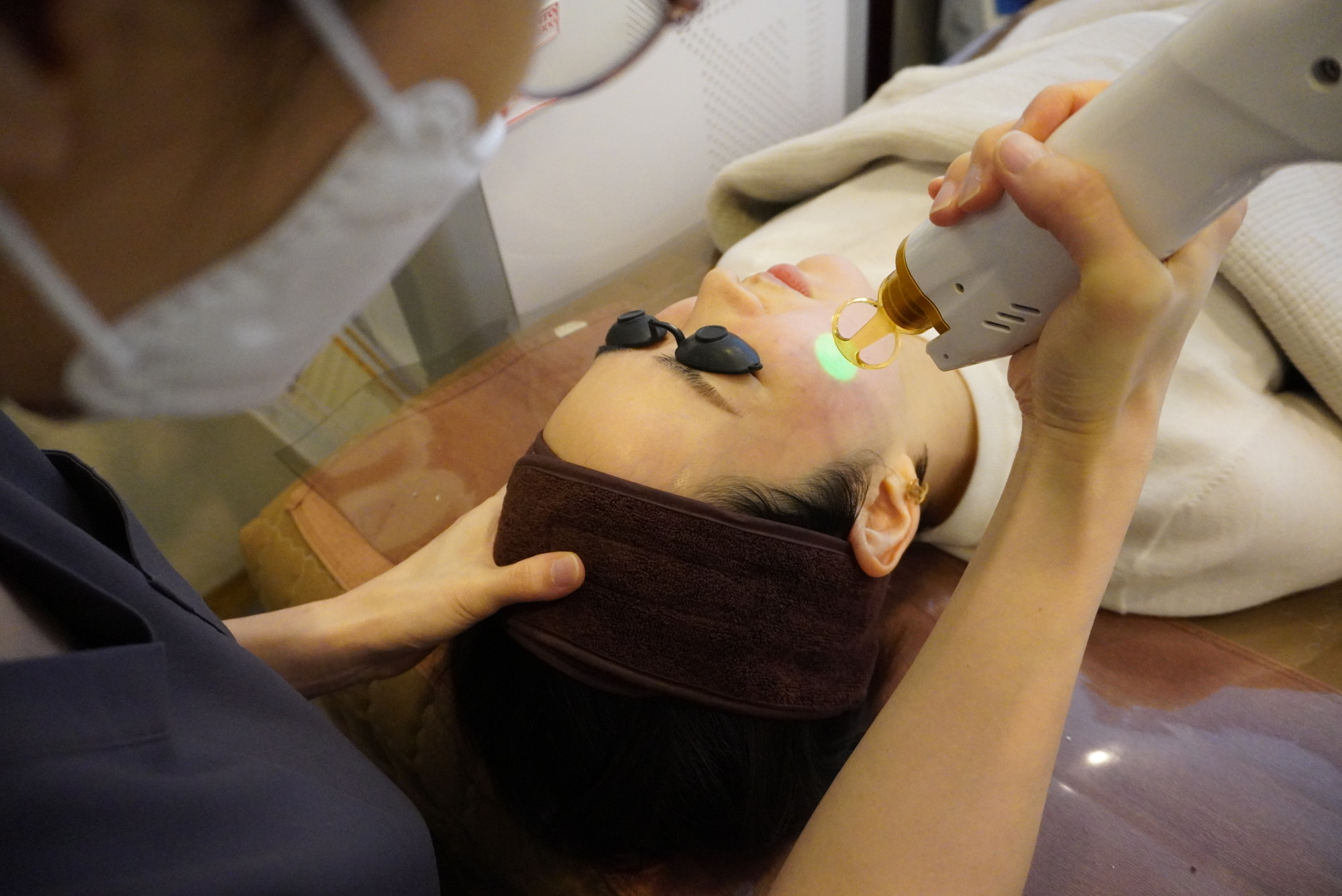
Then the Clarity Genesis laser delivers long-wavelength energy deep into the skin, stimulating collagen production and lending additional support to the treatment of melanin-driven concerns such as melasma, freckles, age spots, and dark spots. And at every step there is a principle we consider more important than the number of devices: securing sufficient irradiation time across the whole face for each laser. Even with the same device, results can differ greatly depending on irradiation time and combination.
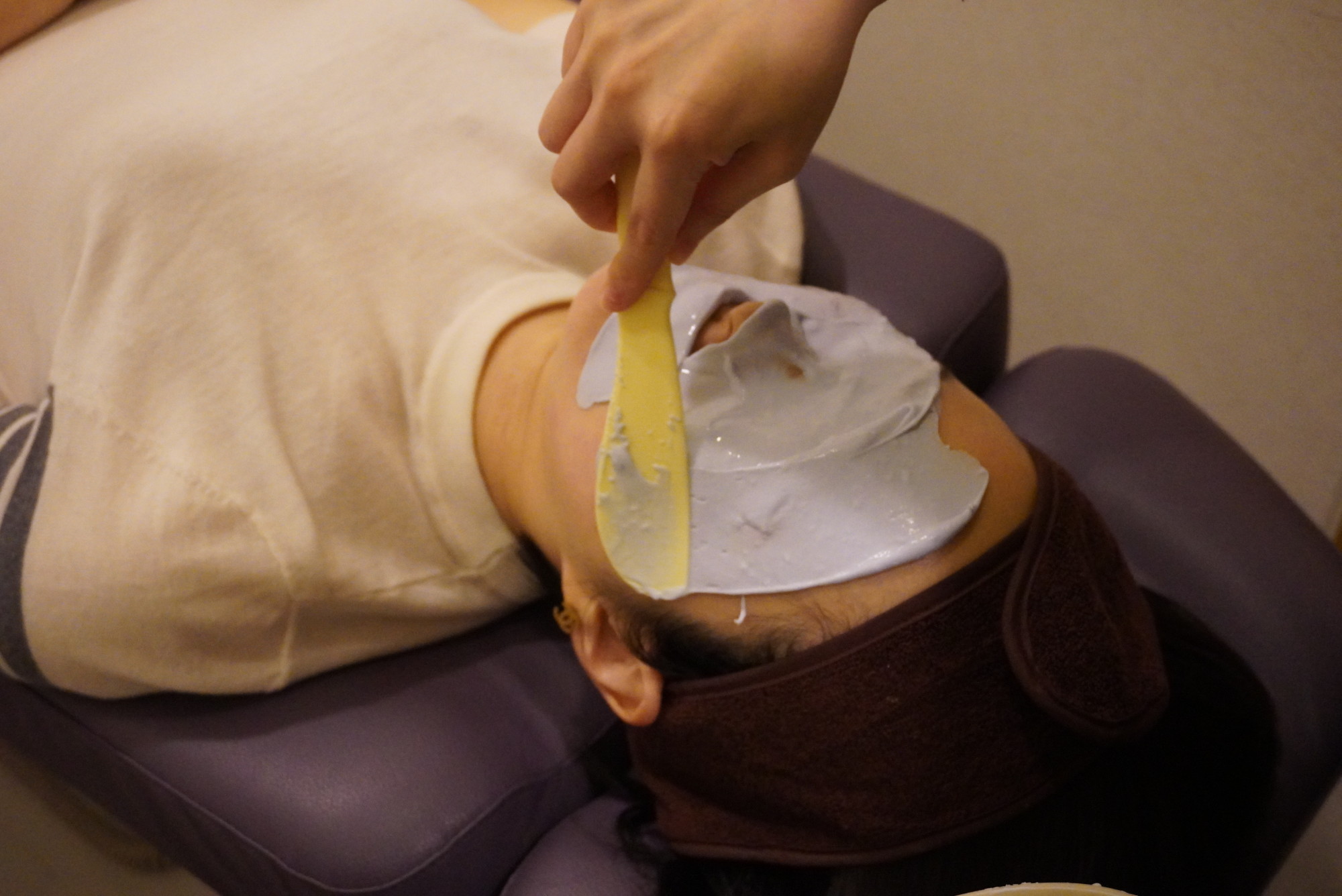
Once all laser passes are complete, your skin is calmed with a cooling modeling mask before you head home.
Customized design is the key
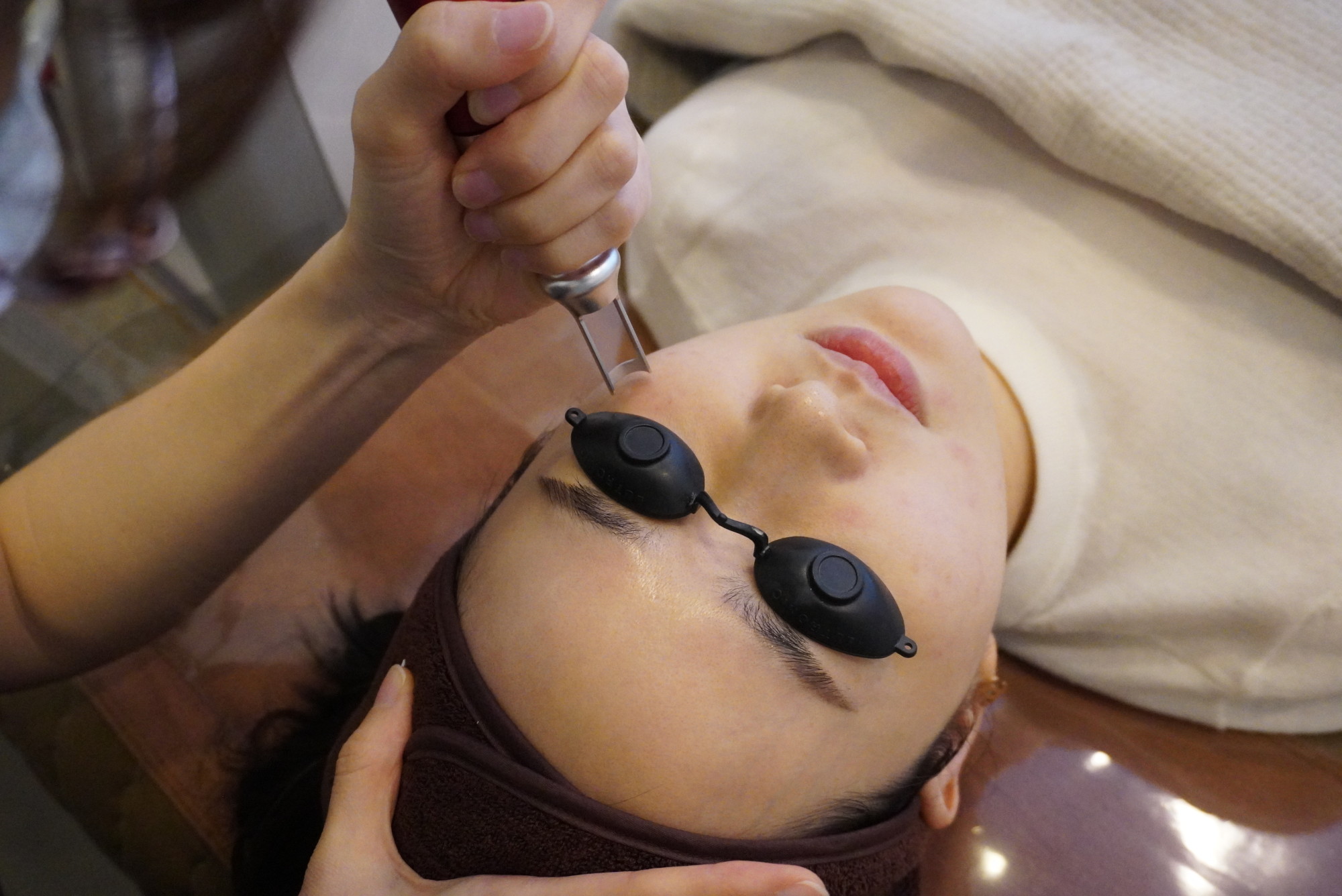
The heart of Pico Triple and Quattro Toning is not the equipment list but the design. What shapes the outcome is the process in which the medical team assesses the type and depth of your pigment through consultation, then decides the laser combination and irradiation times to match. Detailed pricing is available on our price guide.

Skinique Clinic operates by appointment only, and allocating sufficient treatment time to each patient is one of our standing principles.
Wrapping Up
Pigment treatment begins not with "which toning is best" but with "which combination suits my pigment." We have looked at why pigmented lesions call for a multi-laser design matched to pigment depth and skin condition, rather than repetition of a single laser. If you are wondering which configuration would suit your skin, feel free to reach out via a chat consultation about the right toning for your skin.
This article was written by Dr. Park Tae-hyung, chief director of Skinique Clinic and an academic director of the Korean Society for Laser, Dermatology and Trichology. First published November 5, 2021 · Last reviewed August 24, 2026
This article provides general medical information. Skin conditions and responses to treatment vary from person to person; decisions on whether and how to proceed should be made through an in-person consultation.