

When you start researching Juvelook, stories about a side effect called nodules can make you anxious. Surprisingly, the key to reducing this concern lies in a step before the procedure itself: the hydration process, in which the powdered product is reconstituted into liquid. In this article, we walk through how Juvelook works, why hydration matters so much, and how the injection methods differ.
How Juvelook Works
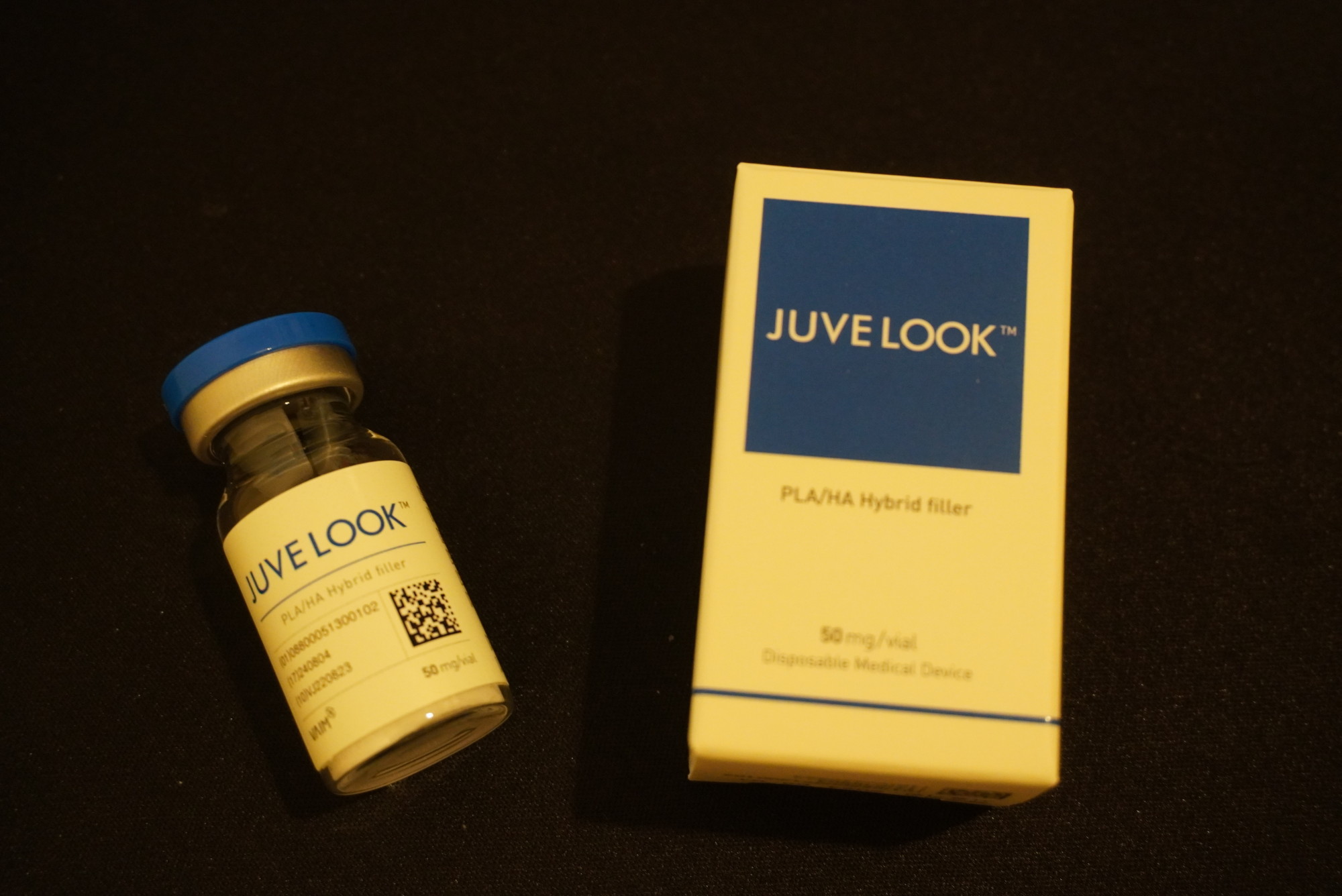
Juvelook is a collagen-stimulating skin booster that combines PDLLA with hyaluronic acid. Compared with conventional PLLA-based products, it breaks down more readily in the body and over a shorter period, which relatively eases the nodule burden while addressing acne scars, enlarged pores, fine lines, and subtle volume and elasticity concerns.
Simplified, the process goes like this: Juvelook injected into the dermis activates fibroblasts, and the activated fibroblasts produce new collagen and elastin, gradually changing the condition of scars, pores, fine lines, and skin firmness. The speed and degree of collagen regeneration vary from person to person.
Hydration, the Hidden Half of a Juvelook Treatment
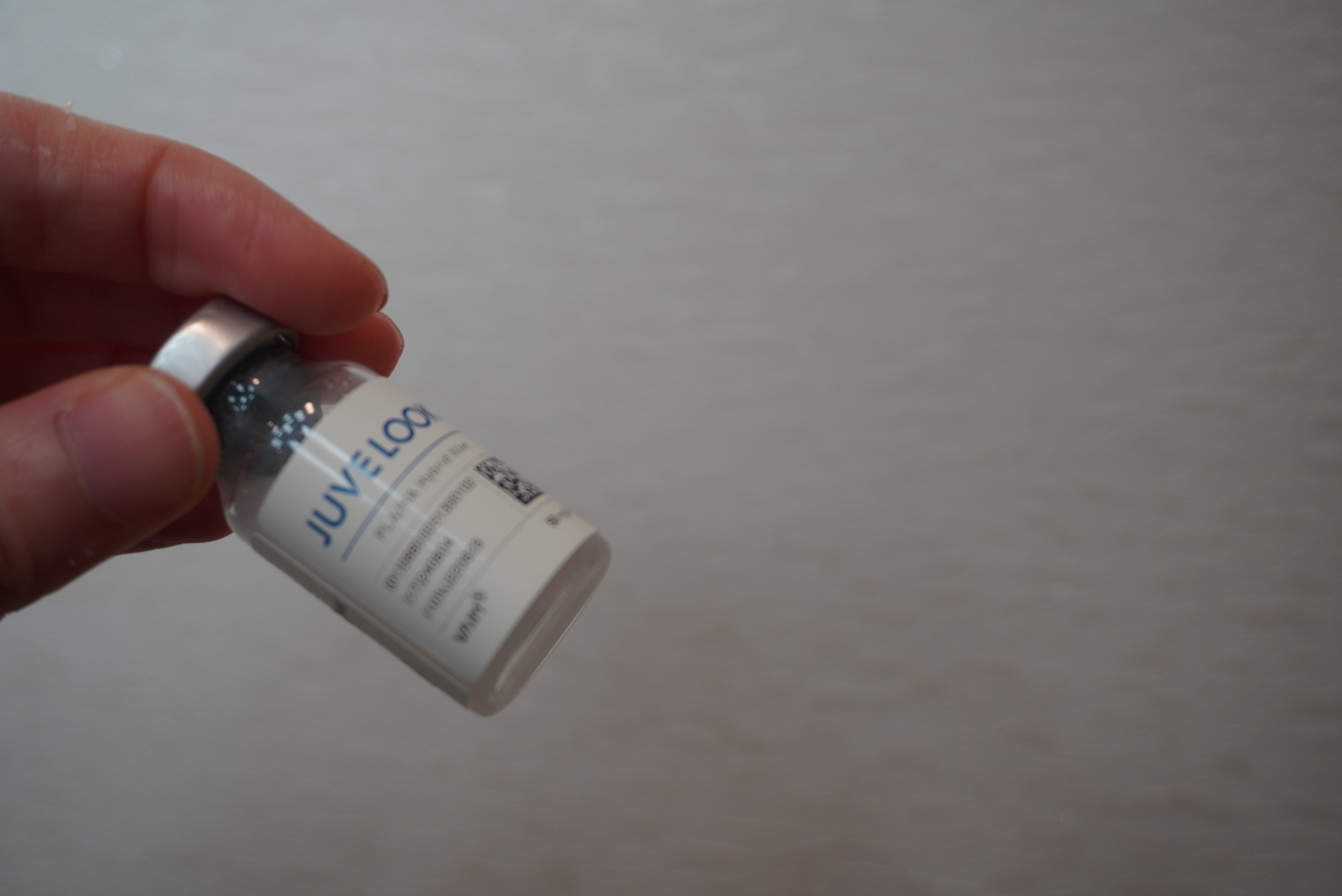
Juvelook is supplied as a powder, so before treatment it must go through a hydration step in which it is dissolved into liquid. If the powder does not dissolve evenly and clumps are injected, the risk of nodules increases, which is why the quality of hydration is the starting point of safety.
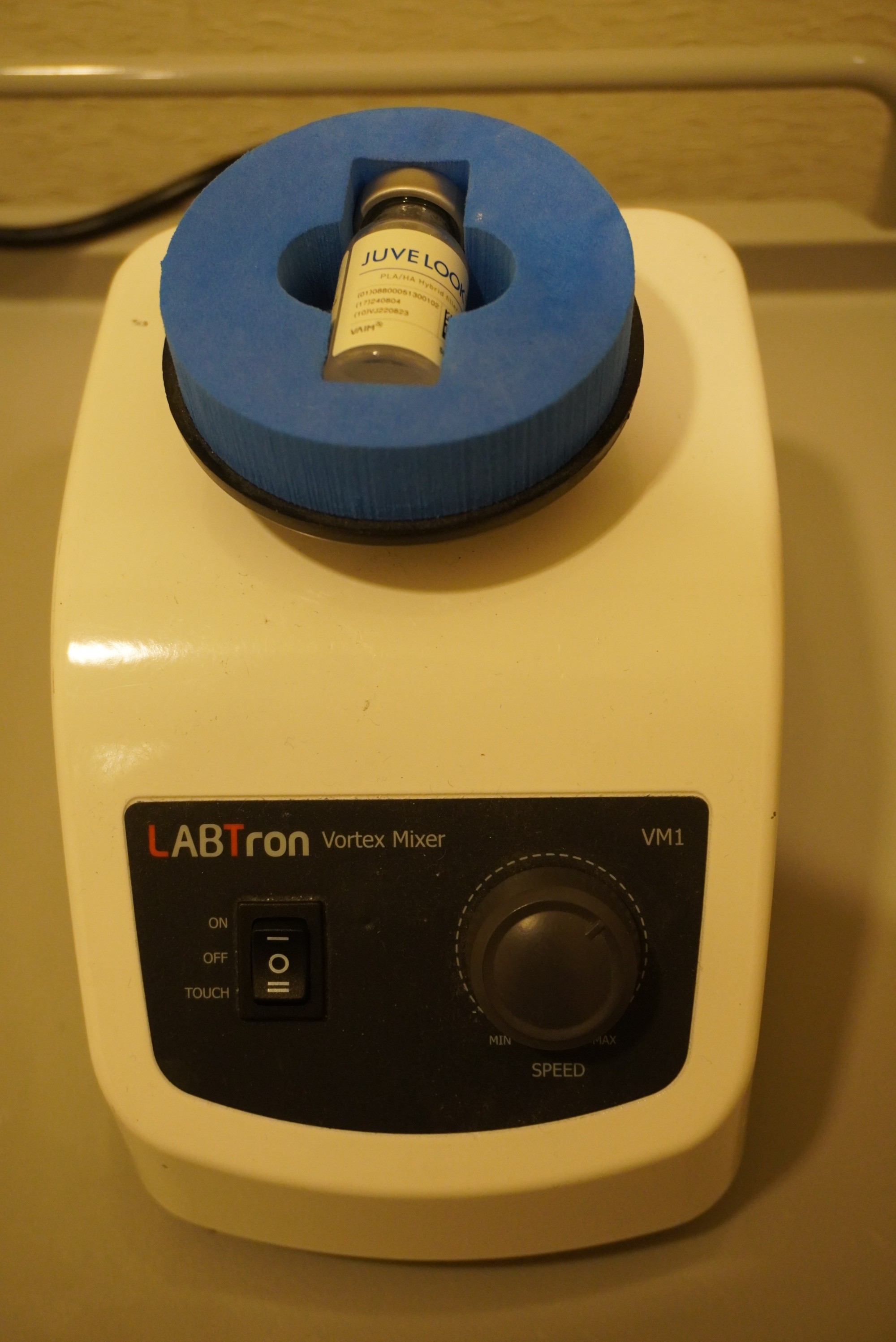
At Skinique Clinic, we use Vortex, a dedicated Juvelook mixing device, and only use the solution for treatment once the particles are fully dissolved with no clumping.
What Matters More Than How Many cc You Get
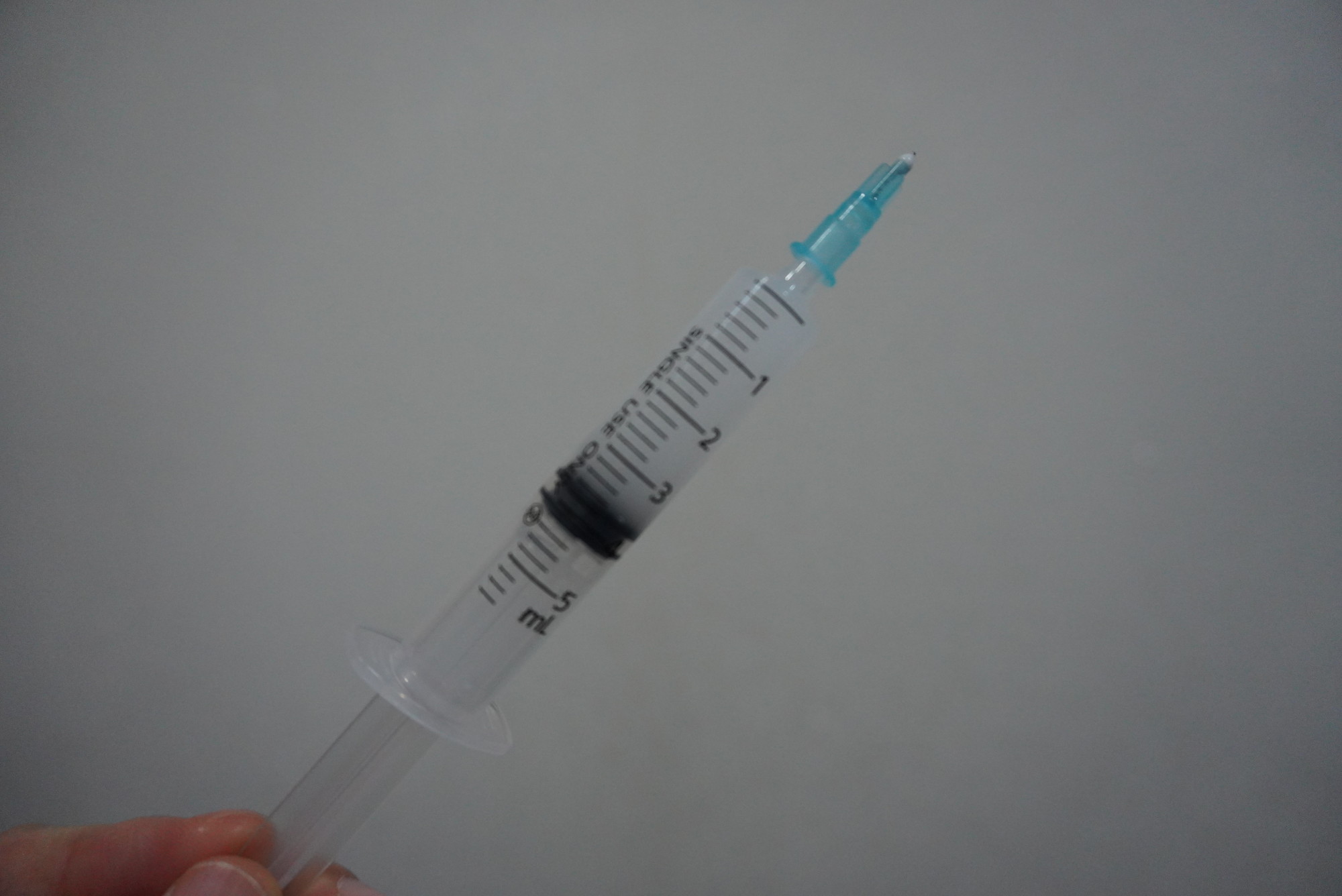
When comparing clinics, it is easy to look only at "how many cc are injected." What actually matters is how many cc one vial is hydrated into, and how much of that is used. The same 4cc can have a completely different concentration depending on whether it was drawn from a vial reconstituted to 8cc or to 12cc.
Based on treatment experience accumulated since the product's early days, Skinique Clinic currently hydrates one vial into 7cc, takes half of it (3.5cc), and adds 0.5cc of hyaluronic acid for a total of 4cc per treatment. This formulation is designed to preserve the strengths of Juvelook while also boosting skin hydration.
Two Injection Methods: Dermashine Pro and the Potenza Pumping Tip
The changes patients most often mention after treatment are pores that look tighter, firmer skin, and a clearer tone, though how noticeable these are can differ depending on your skin condition. Skinique Clinic offers two injection methods. Dermashine Pro excels at delivering the product quickly and precisely, while the Potenza Fusion Tip (pumping tip) allows denser, more even delivery with the added synergy of radiofrequency energy. Which one suits you is decided in a pre-treatment consultation with the director, based on the points you want to improve.
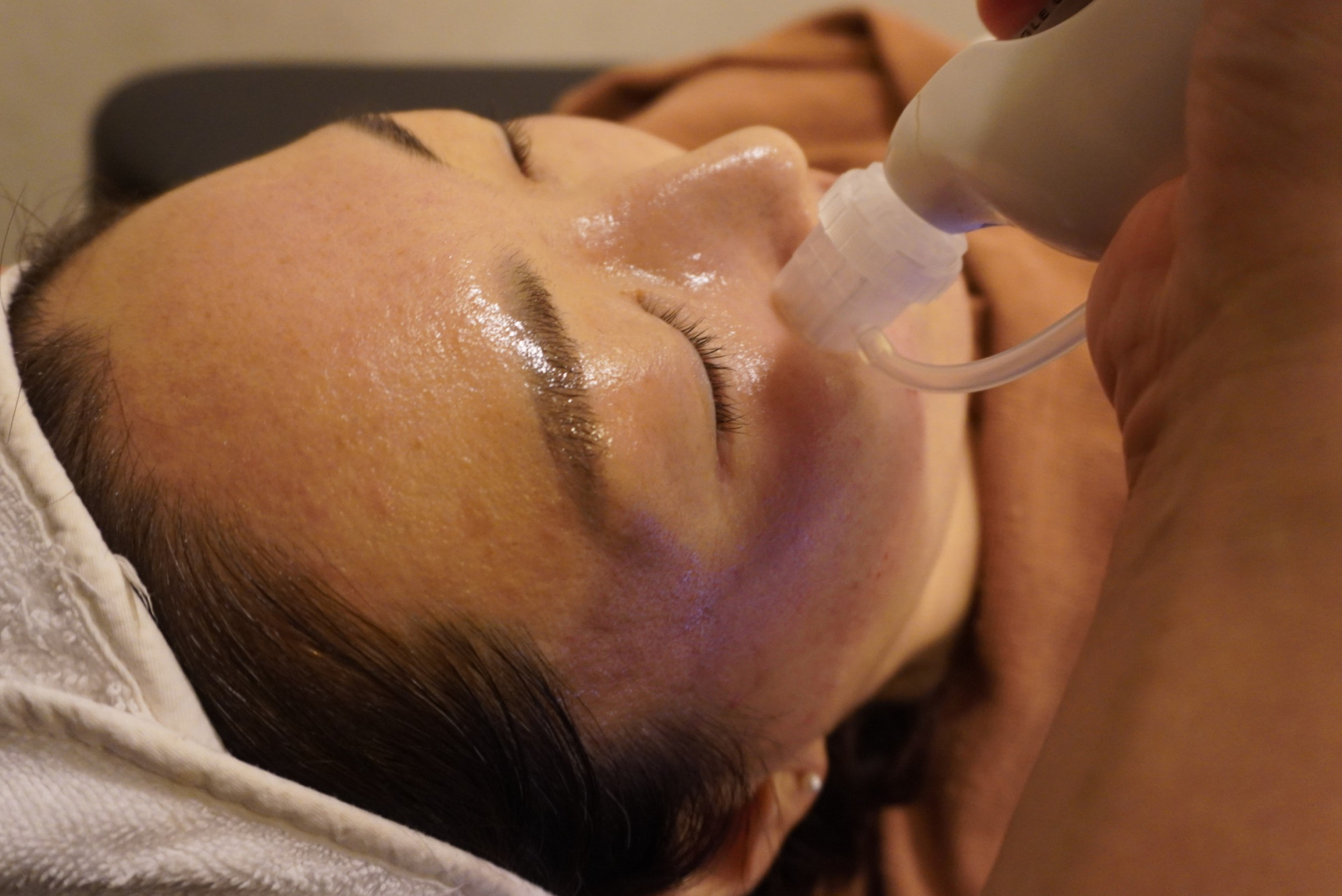
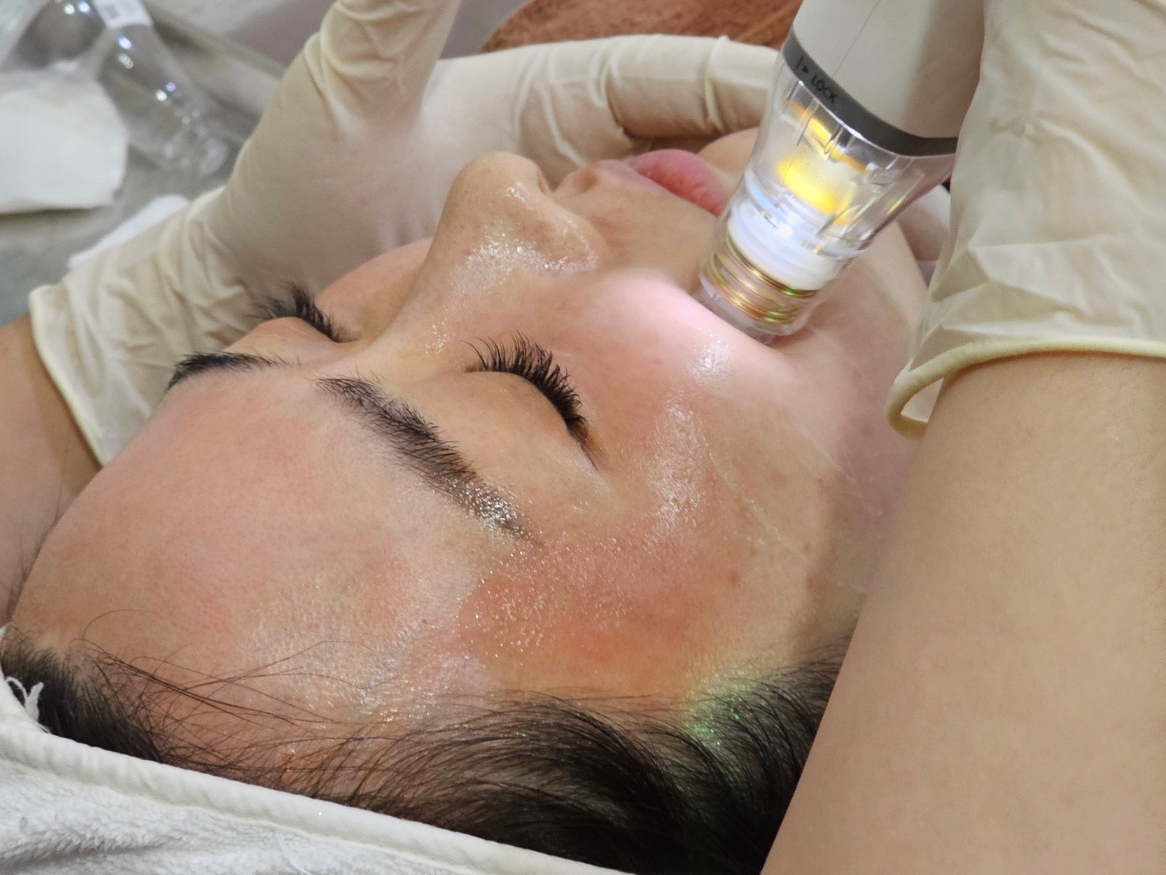
Whichever method is chosen, the treatment covers the entire face thoroughly, including tricky areas such as around the eyes, around the mouth, and the nose, with extra attention given to the concern areas identified during the consultation.

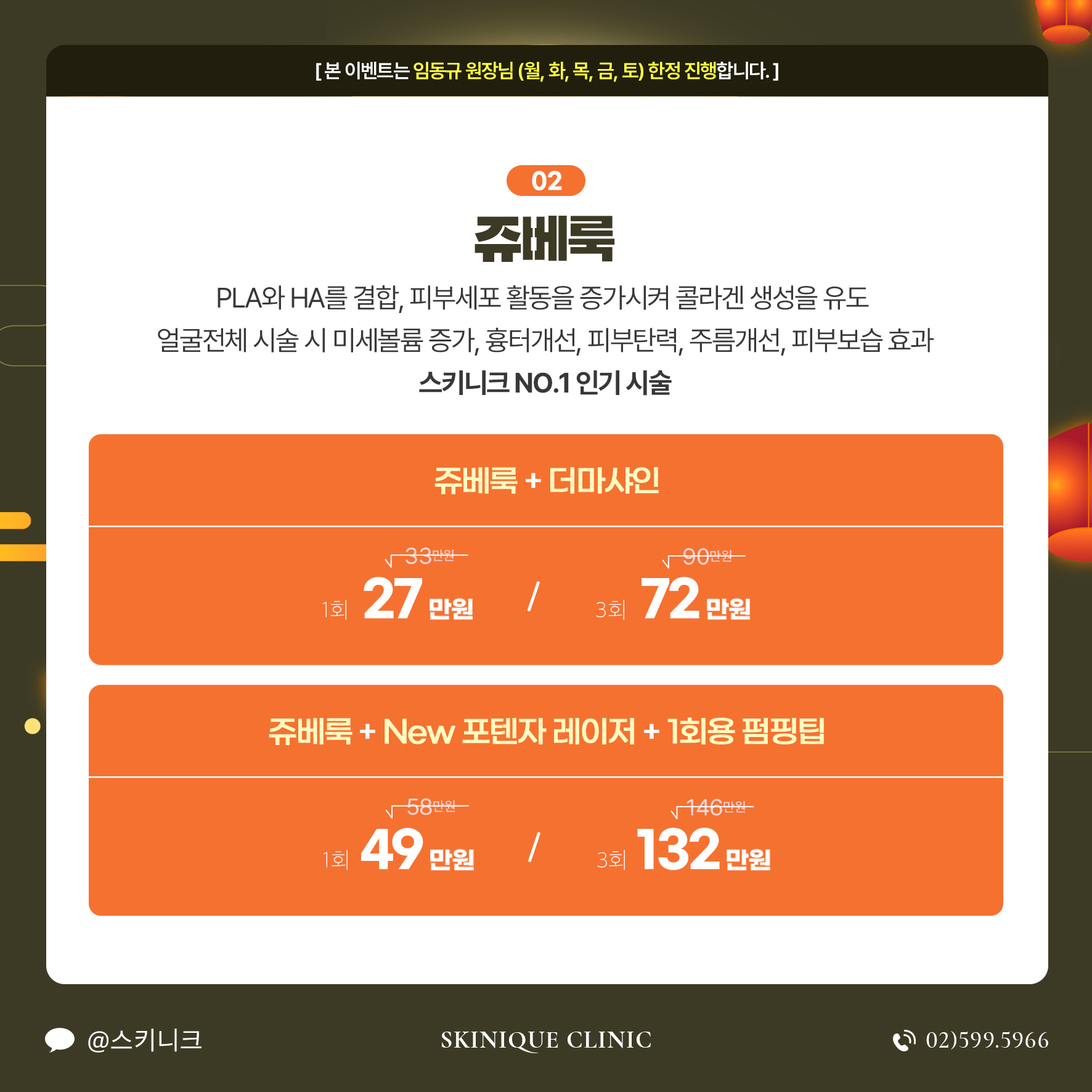
For detailed pricing, please see Treatment Prices.
Wrapping Up
The results of Juvelook depend as much on the quality of hydration, the mixing concentration, and the choice of injection method as on the product itself. When choosing a clinic, we recommend asking not how many cc you will receive, but how the product is dissolved and at what concentration it is used. If you are wondering which Juvelook approach fits your skin concerns, feel free to reach out via chat to discuss the right direction for your skin.
This article was written by Dr. Park Tae-hyung, Chief Director of Skinique Clinic and an academic director of the Korean Society for Laser, Dermatology and Trichology. First published September 30, 2023 · Last reviewed August 24, 2026
This article provides general medical information. Skin conditions and responses to treatment vary from person to person. Please decide whether and how to proceed with treatment through an in-person medical consultation.