

Forehead Botox is such a common procedure that it is easy to assume the result is the same wherever you go. In practice, outcomes vary considerably depending on the judgement of the person injecting. Below we walk through what to check in order to reduce the risk of side effects, and when the effect can be expected to show.
Expression lines can settle into permanent creases

As the skin ages, collagen decreases and elasticity declines, so the same facial expression starts to leave a more visible line than it once did. If expression lines are left alone at this stage, they may eventually settle into fixed creases that remain even when the face is at rest.
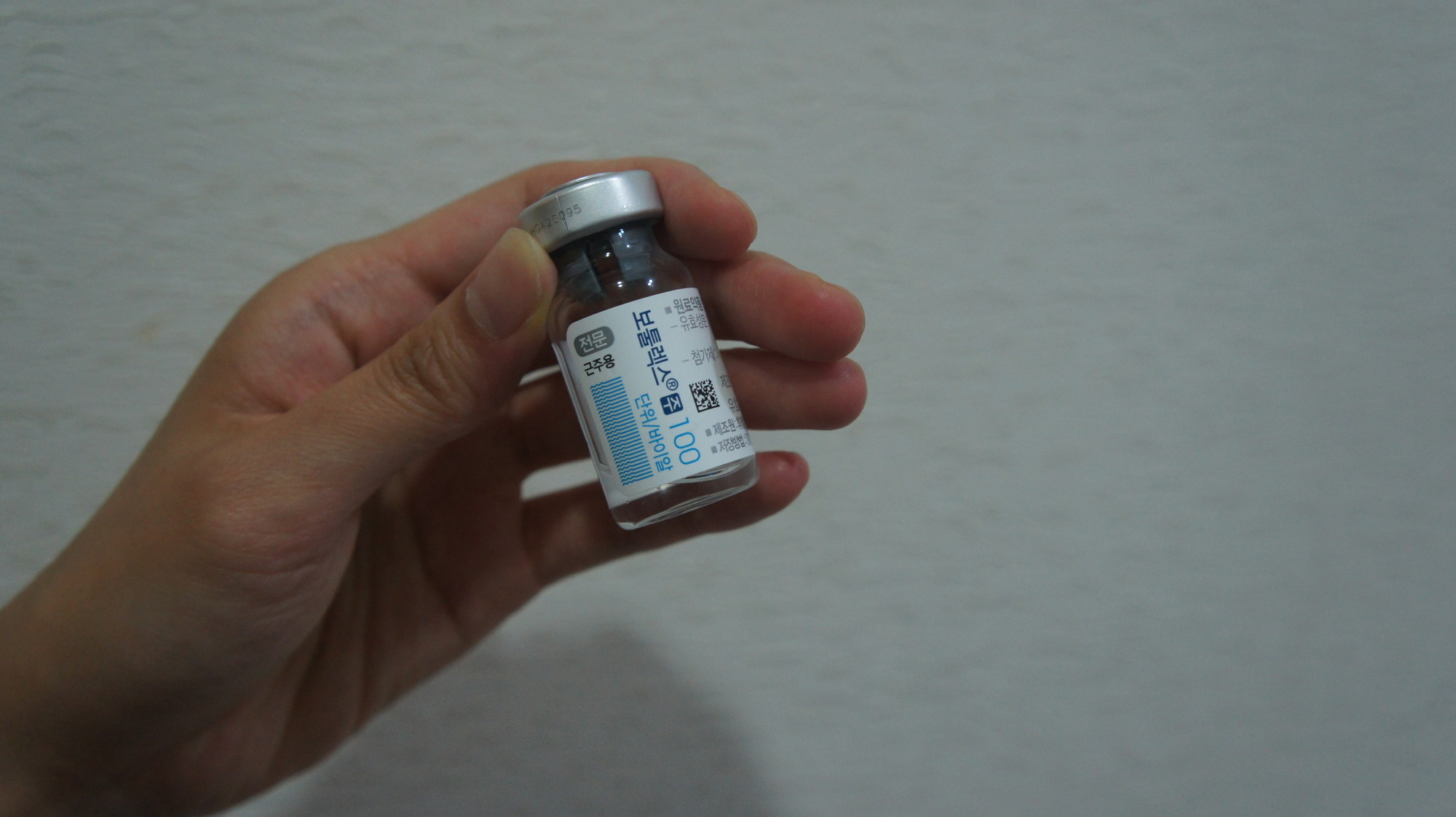
One of the most widely used ways to slow this deepening is botulinum toxin, commonly called Botox. It works by limiting the release of the neurotransmitter that makes a muscle contract, thereby reducing the movement of that muscle, and it is a relatively straightforward procedure to undergo.
Why the choice of clinic matters
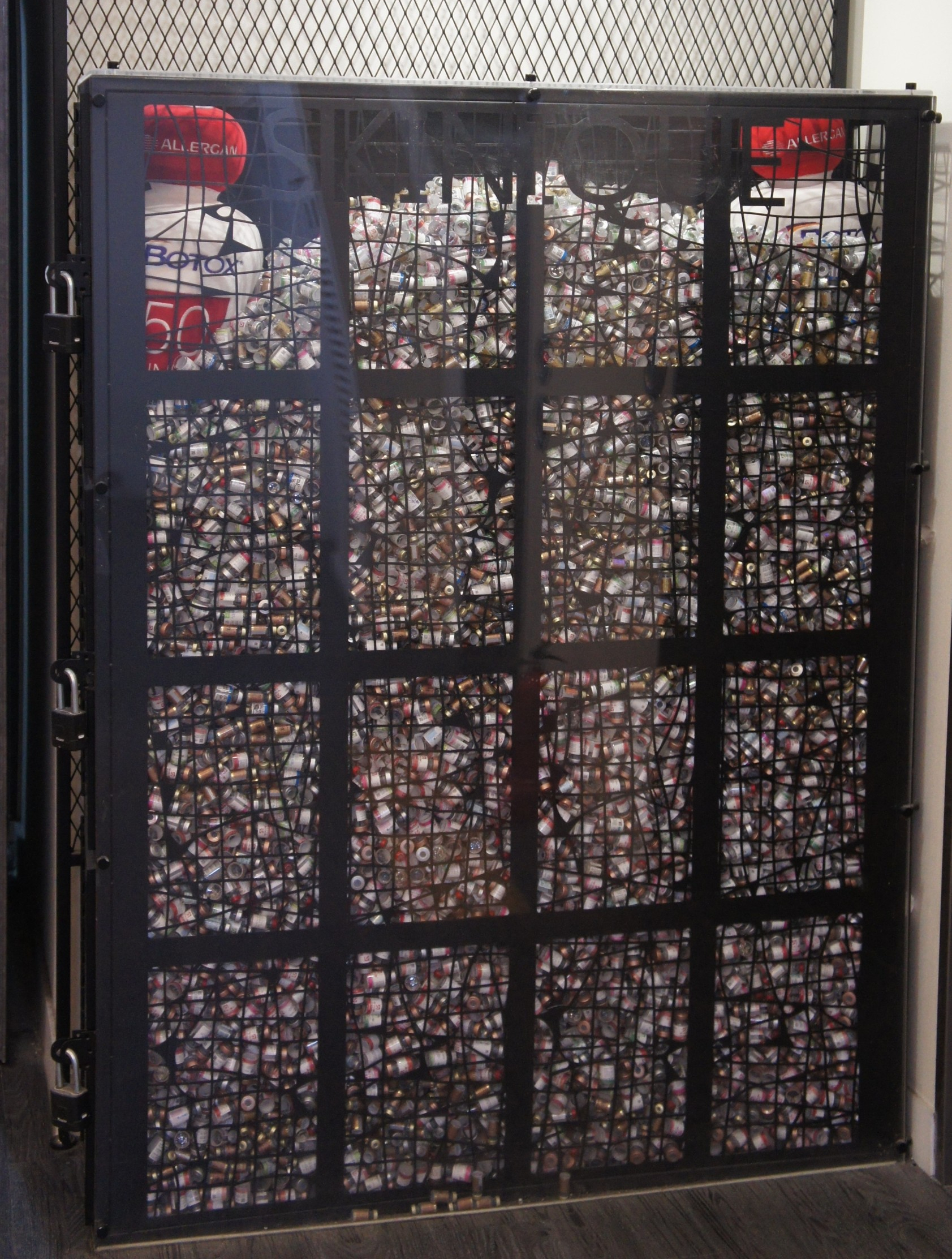
Because the procedure has become so mainstream, many people assume any clinic will do. The forehead, however, is directly linked to the movement of the brows and eyelids, so the choice of injection points and dosage has a large bearing on the result. Rather than a clinic that injects mechanically into a fixed set of points, it is safer to choose one with experience in tailoring the treatment to each person's habitual expressions and muscle condition.
Four principles we follow at Skinique Clinic
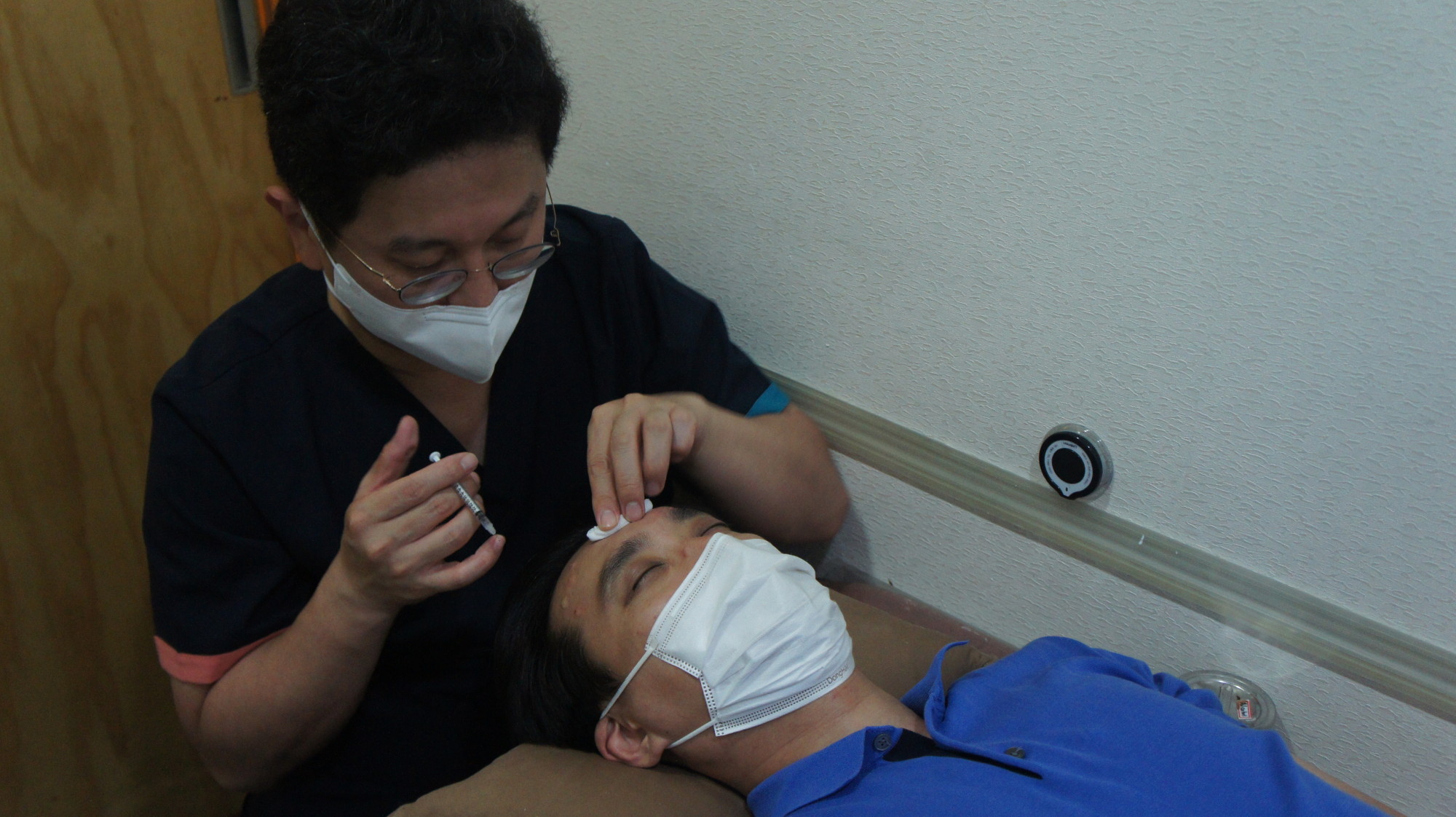
First, a natural look comes first. Instead of a uniform set of injection points, we map the placement around each person's expressions and overall impression. Second, we focus on lowering the risk of side effects. Issues such as a fading double eyelid, a heavy feeling around the eyes, or one brow sitting higher than the other usually stem from misplaced injections, so we assess skin thickness, line depth, and eye-opening strength beforehand to reduce that possibility. Third, we inject carefully to avoid bruising, so the treatment is less noticeable even on the same day. Fourth, we show you that the product is genuine and use the full stated dose without dilution, which also helps the effect last.
The procedure, step by step
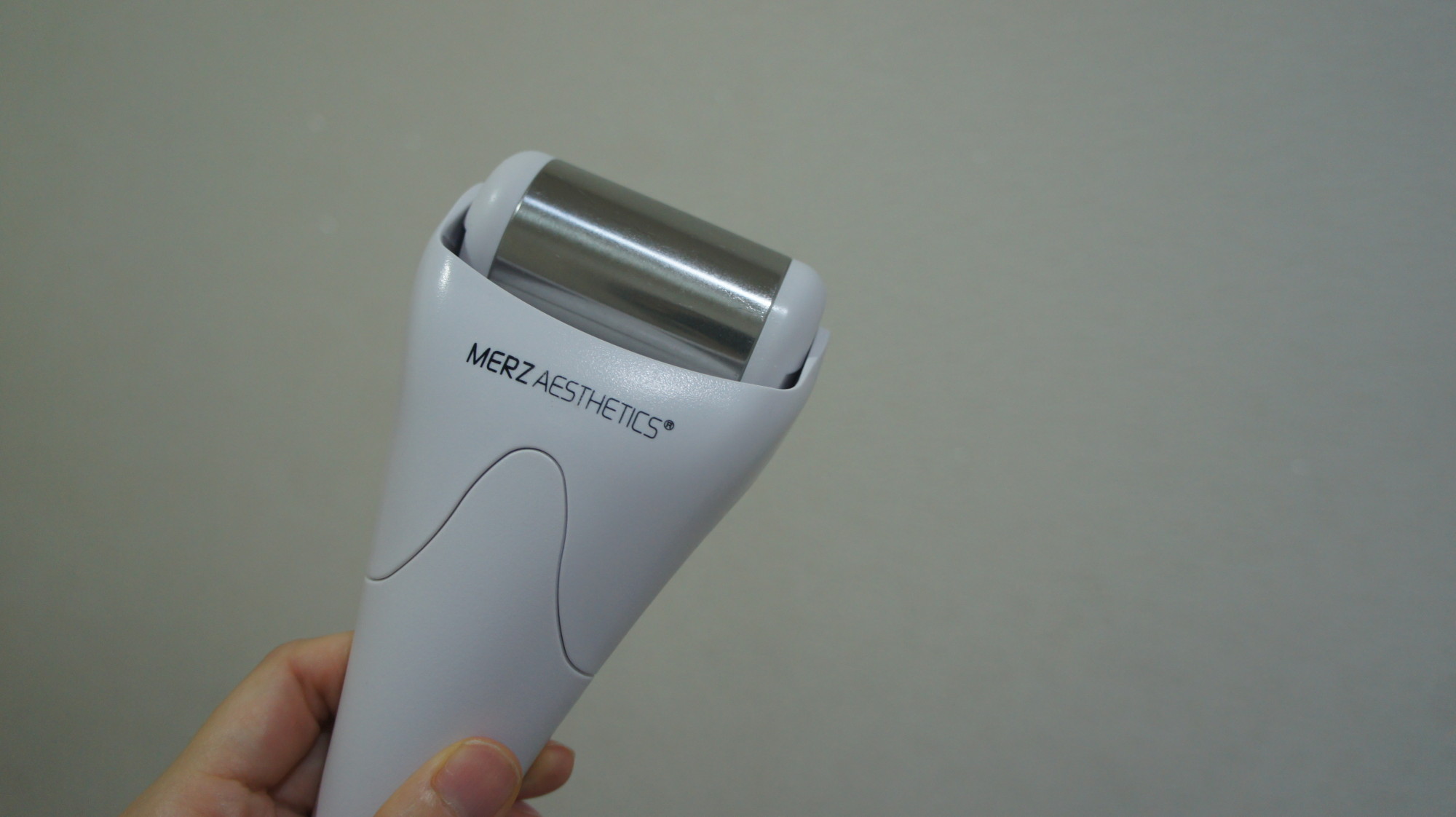
We first reduce discomfort by applying numbing cream to the treatment area or using an ice roller.
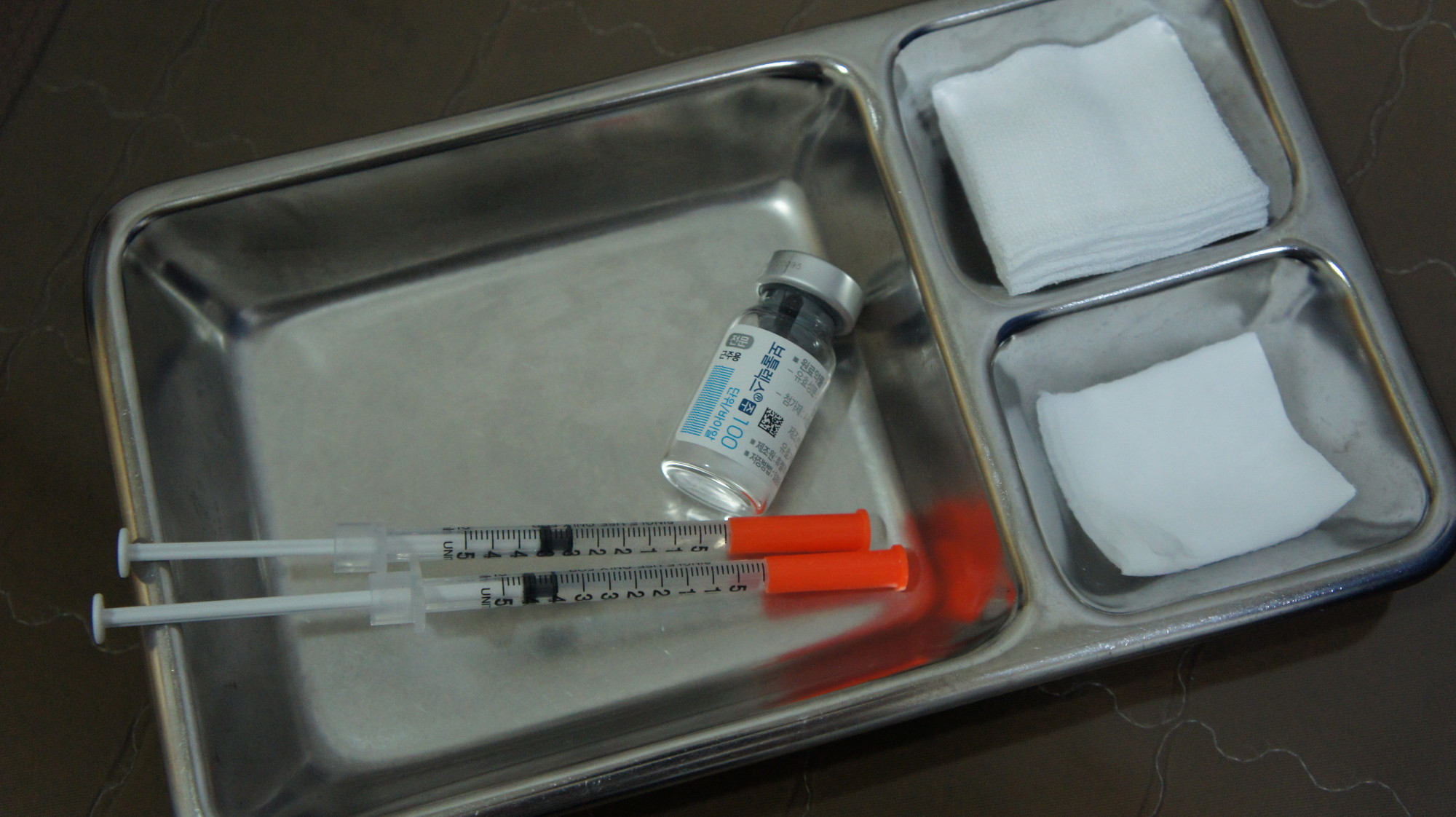
We then show you the chosen product so you can confirm that it is genuine and within its expiry date, and prepare exactly the agreed dose.
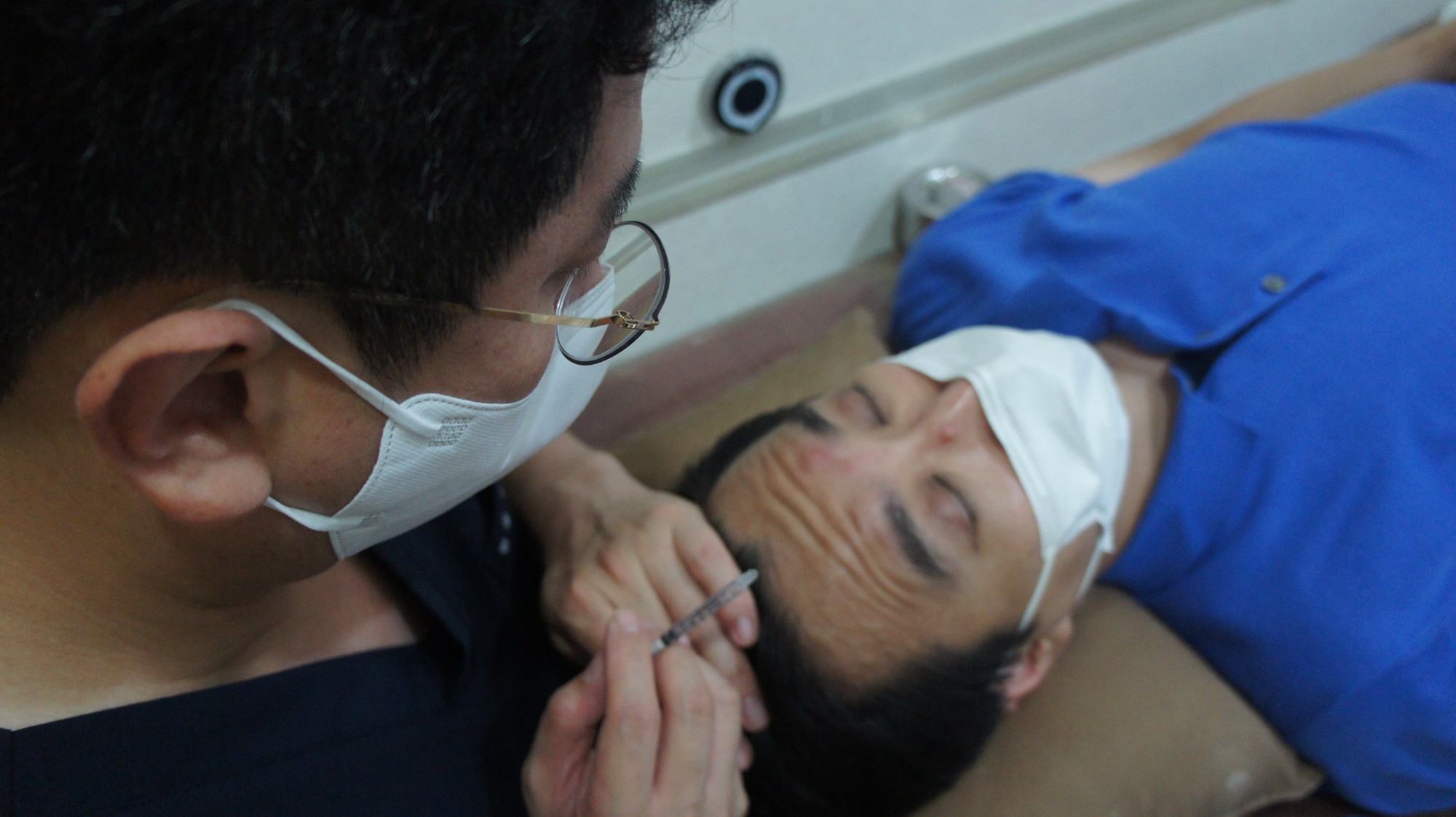
Just before injecting, we look again at where the forehead lines sit and how they behave, and finalise the injection points for that individual.
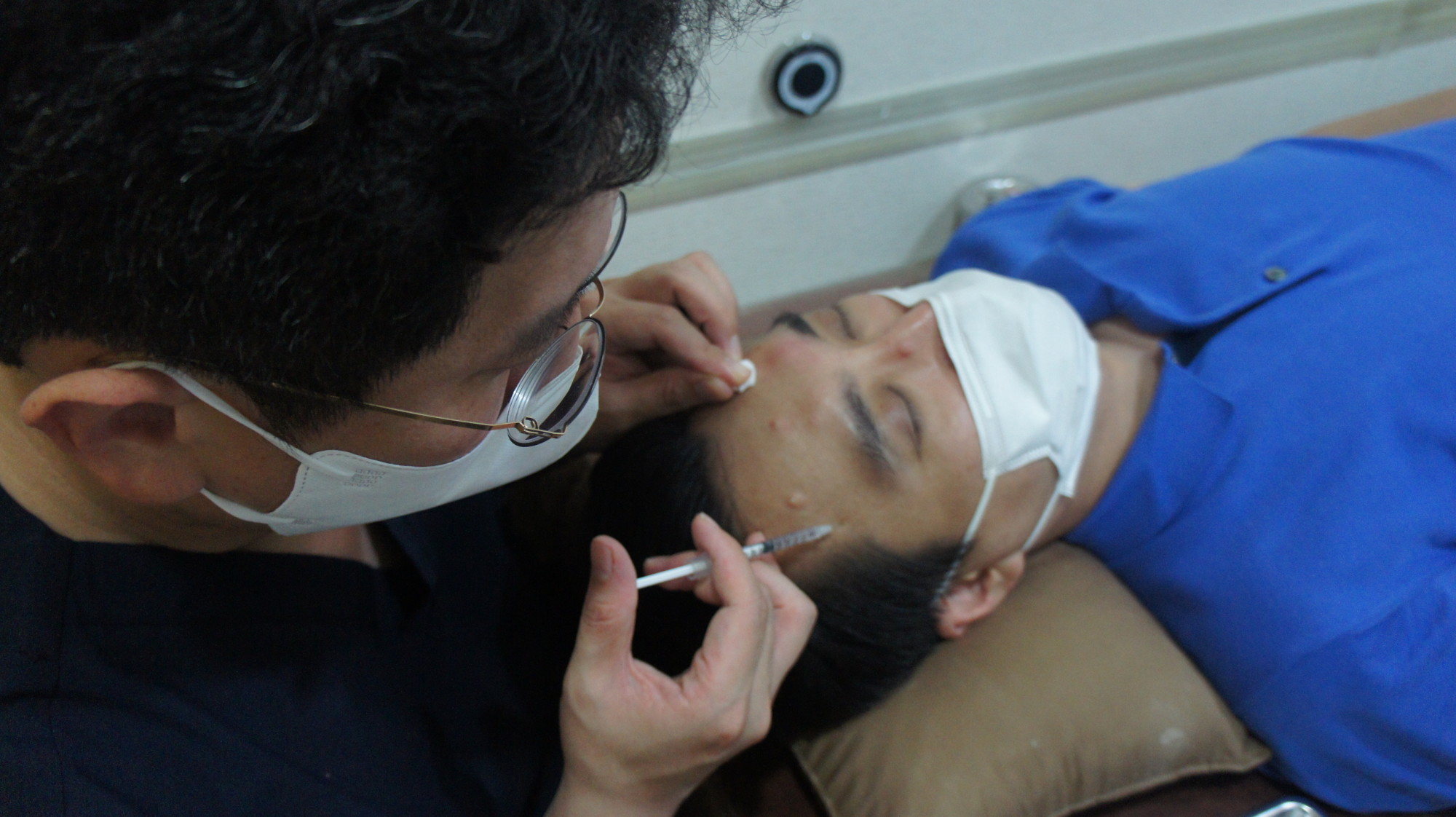
The injections are then placed carefully along the confirmed points to complete the treatment.
When does the effect appear
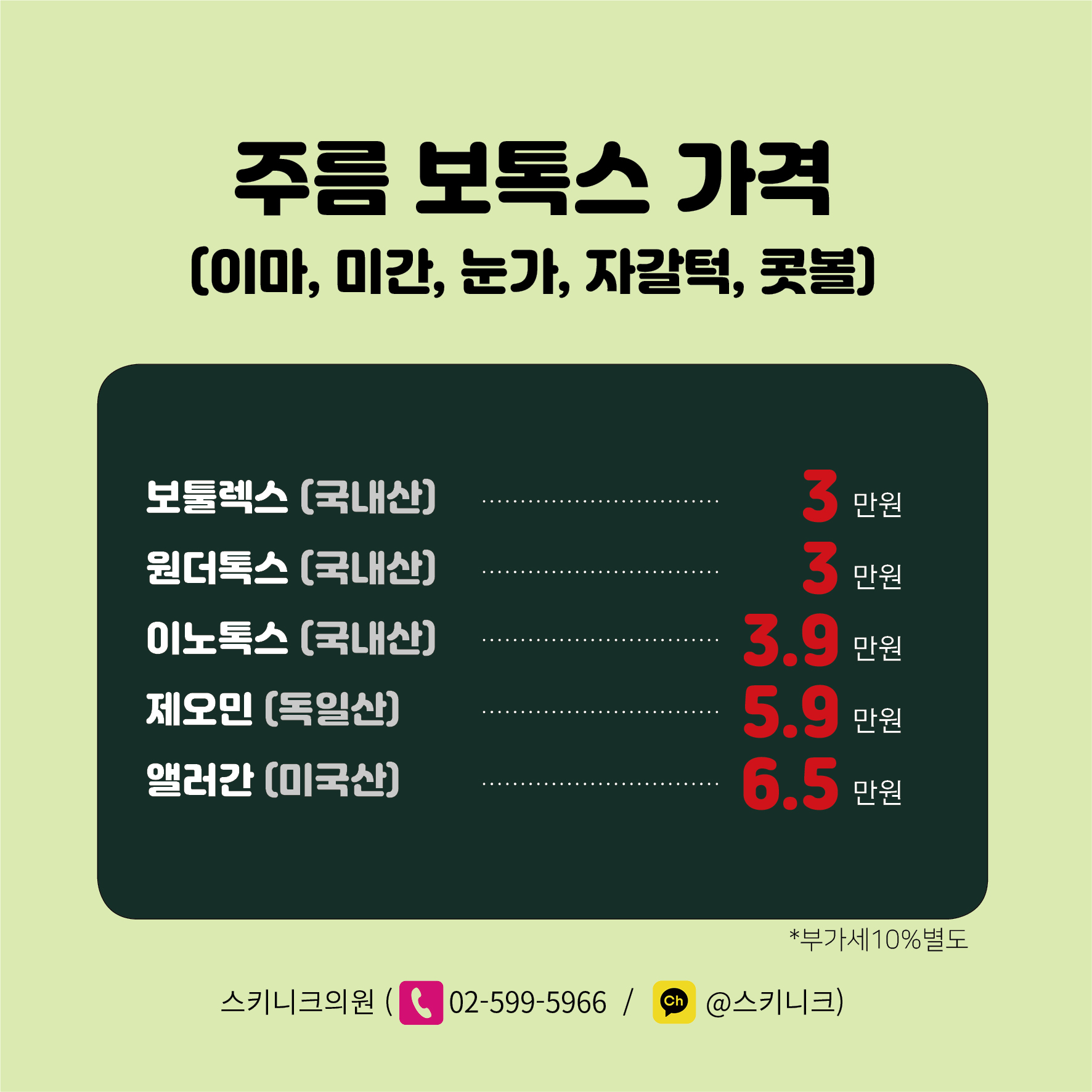
Lines often begin to soften from around the first week, with the change from forehead Botox becoming more apparent at about two weeks. That said, the timing, degree, and duration of the effect vary from person to person. Cost depends on which toxin product is used; you can find details on the price guide page.
Wrapping Up
Forehead Botox may look simple, but how natural the result looks and how likely side effects are both come down to injection placement and dosage planning. It is worth putting together a treatment plan suited to your own forehead before expression lines deepen into fixed creases. If you have questions, feel free to ask through a chat consultation about your wrinkle concerns.
This article was written by Dr. Park Tae-hyung, Chief Director. He is the chief director of Skinique Clinic and serves as an academic director of the Korean Society of Laser Dermatology and Trichology. First published October 3, 2021 · Last reviewed August 24, 2026
This article is general medical information. Skin condition and response to treatment vary between individuals. Whether and how to treat should be decided through an in-person consultation.