
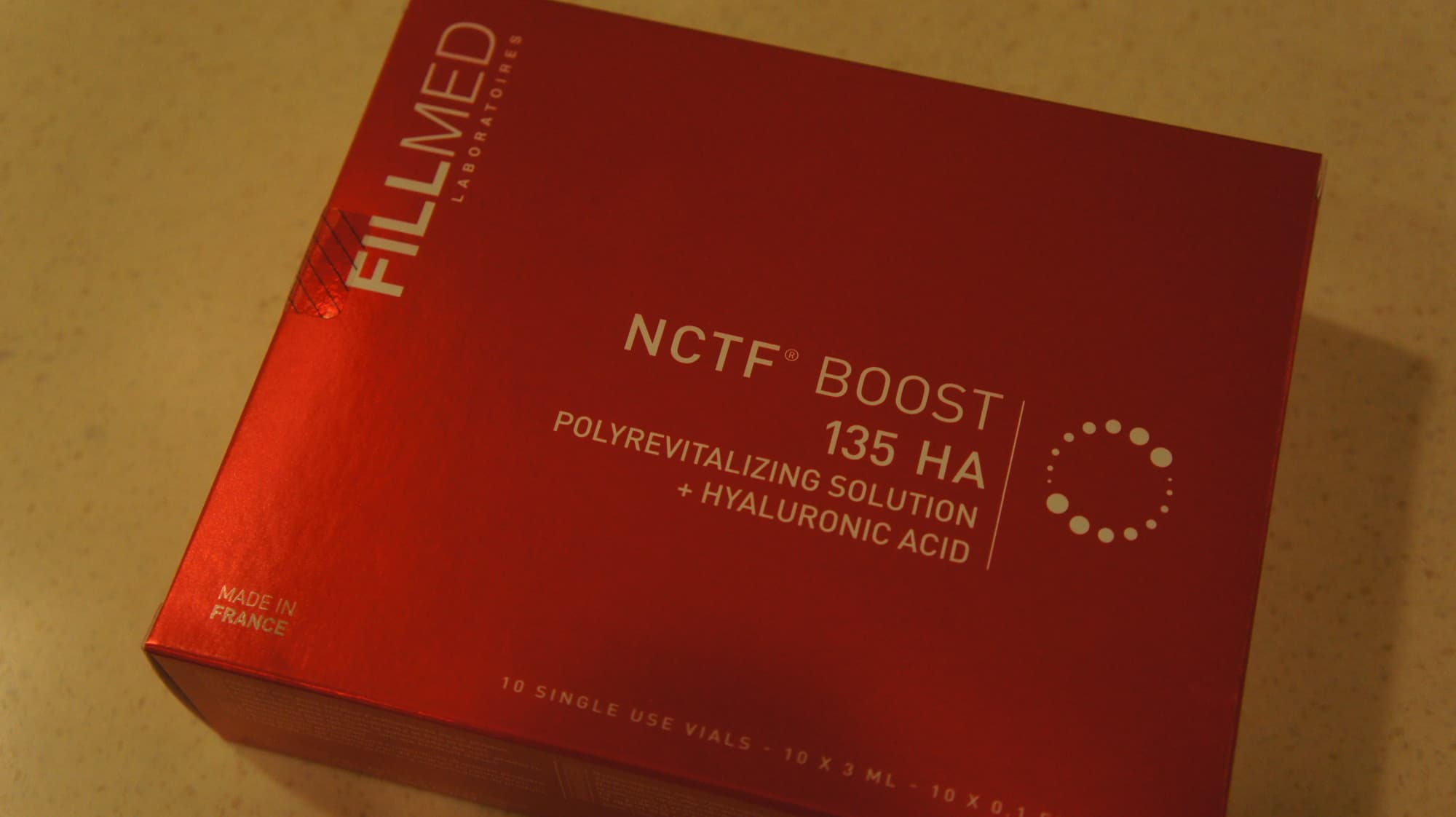
Filorga NCTF 135, known in Korea by the nickname "Chanel injection", is one of the richer skin boosters in terms of its ingredient list. Even with the same ampoule, though, how the product is delivered into the skin and whether the full dose is used can make a noticeable difference to what patients feel. This article follows the actual order of the treatment at SKINIQUE Clinic and sets out the points worth checking.
What is in Filorga NCTF 135
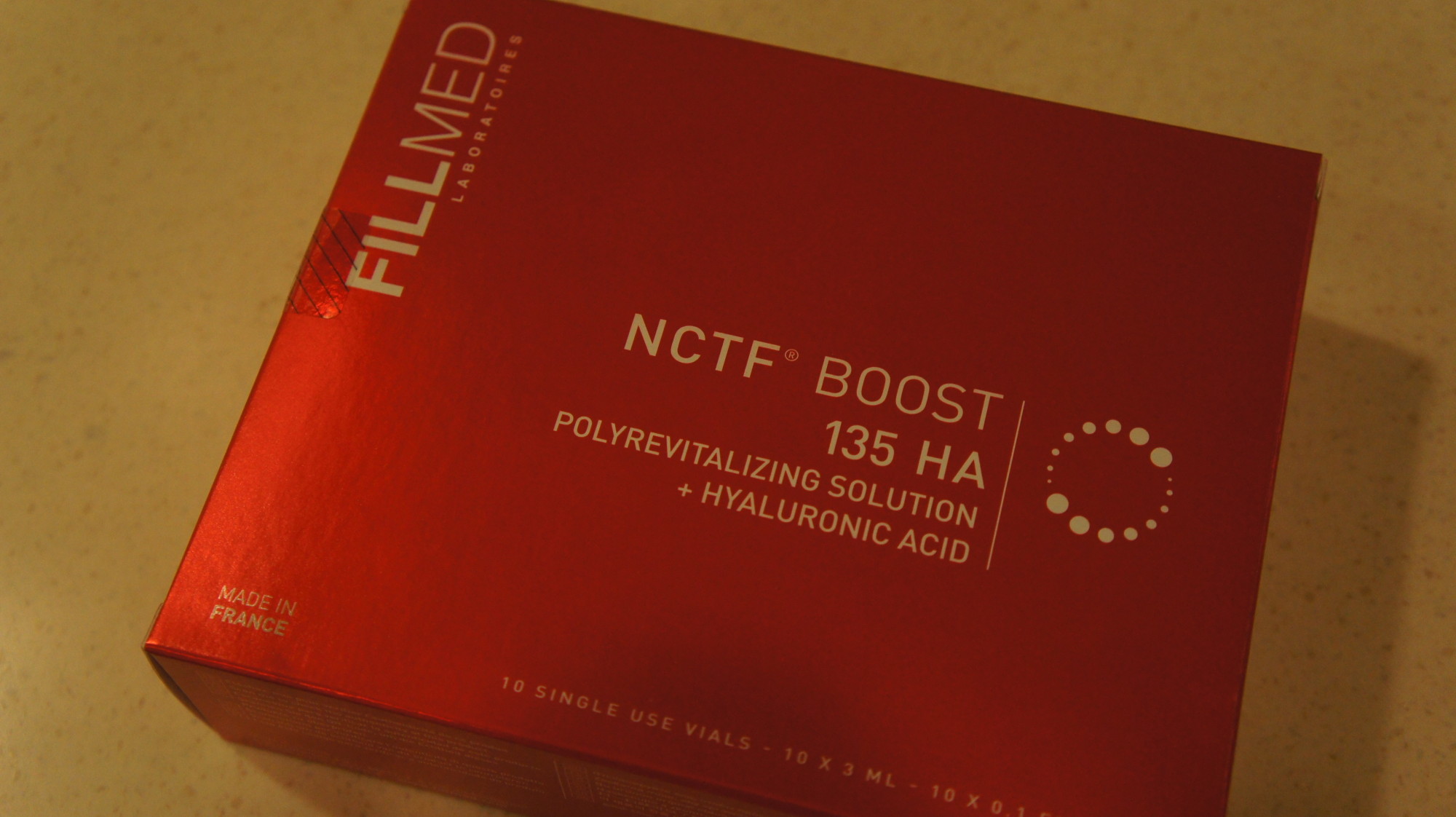
NCTF is a skin booster developed by Filorga, the French anti-ageing laboratory. Alongside hyaluronic acid it contains a total of 53 ingredients, including 12 vitamins, 23 amino acids and 6 minerals, so it is often chosen with skin texture, dehydrated skin and tone in mind. How much of a difference is felt does, of course, vary from person to person.
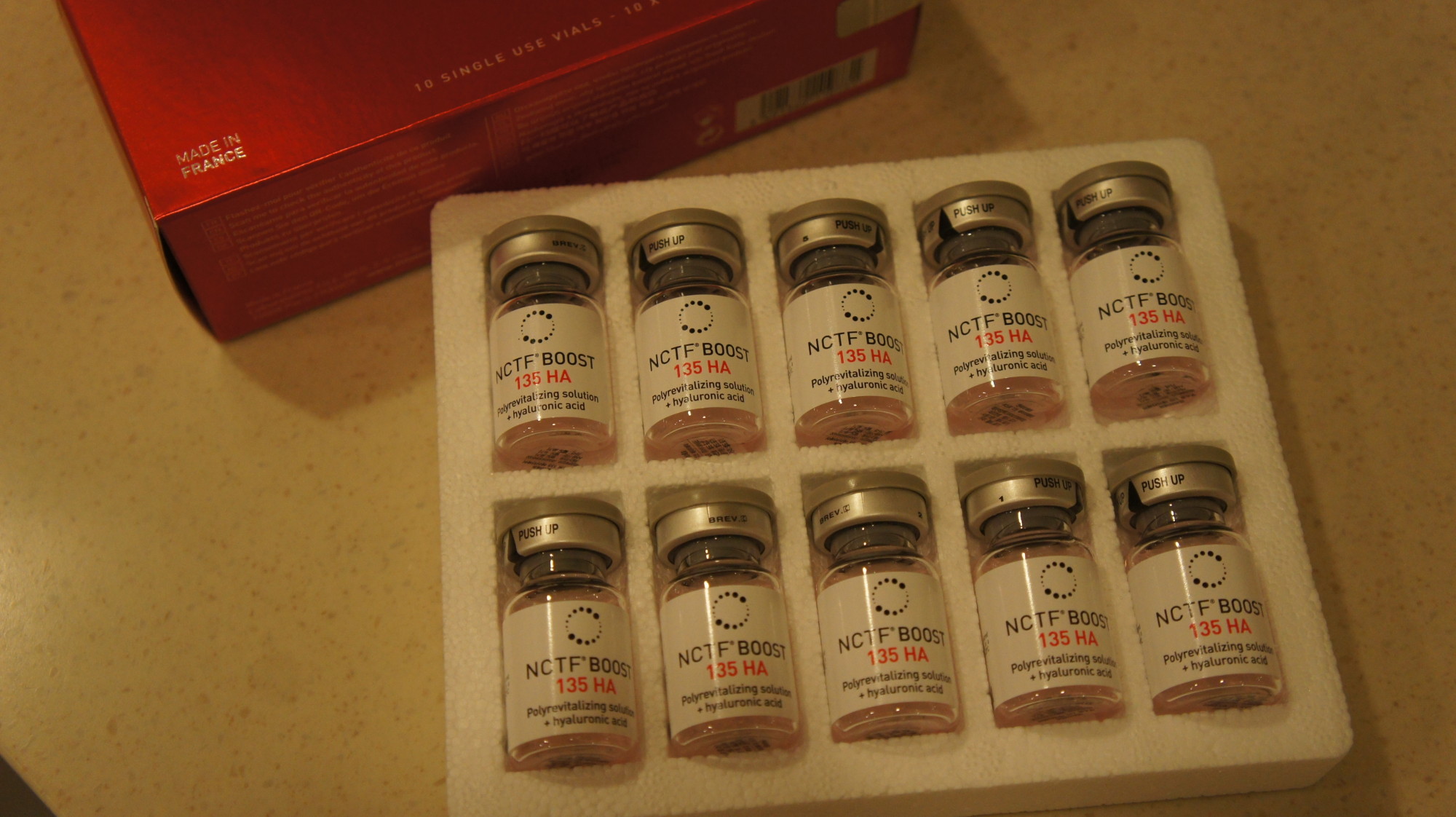
One box holds ten 3cc vials of NCTF BOOST, and one whole vial is used per session. At SKINIQUE Clinic a new vial with a verified expiry date is opened in front of the patient, and we show that all 3cc is in fact used. Using the full dose without leaving any behind is, in our view, where this treatment starts.
How the ampoule is delivered into the skin — Auto MTS
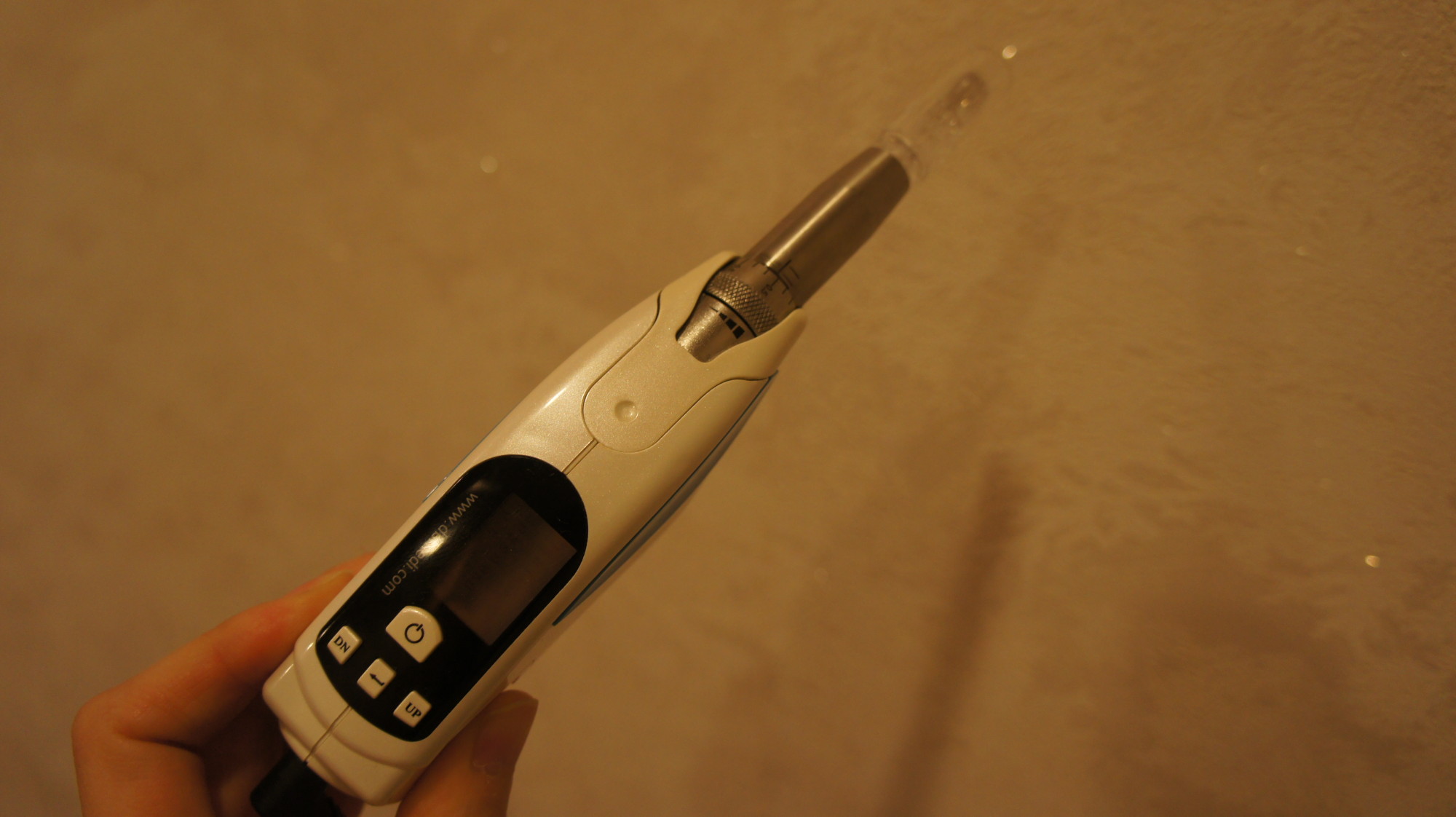
Despite the "injection" in its nickname, this treatment is usually carried out not by injecting with a syringe but by creating fine channels in the skin with MTS and letting the ampoule penetrate through them. Rather than a roller type, we use an Auto MTS device with a needle cartridge that is replaced with a new one every time. The fine needles move 120 times per second, creating roughly 600,000 micro-channels a minute to open pathways for the product; as those micro-injuries heal, fibroblasts are also stimulated, which can encourage collagen production as a secondary benefit.
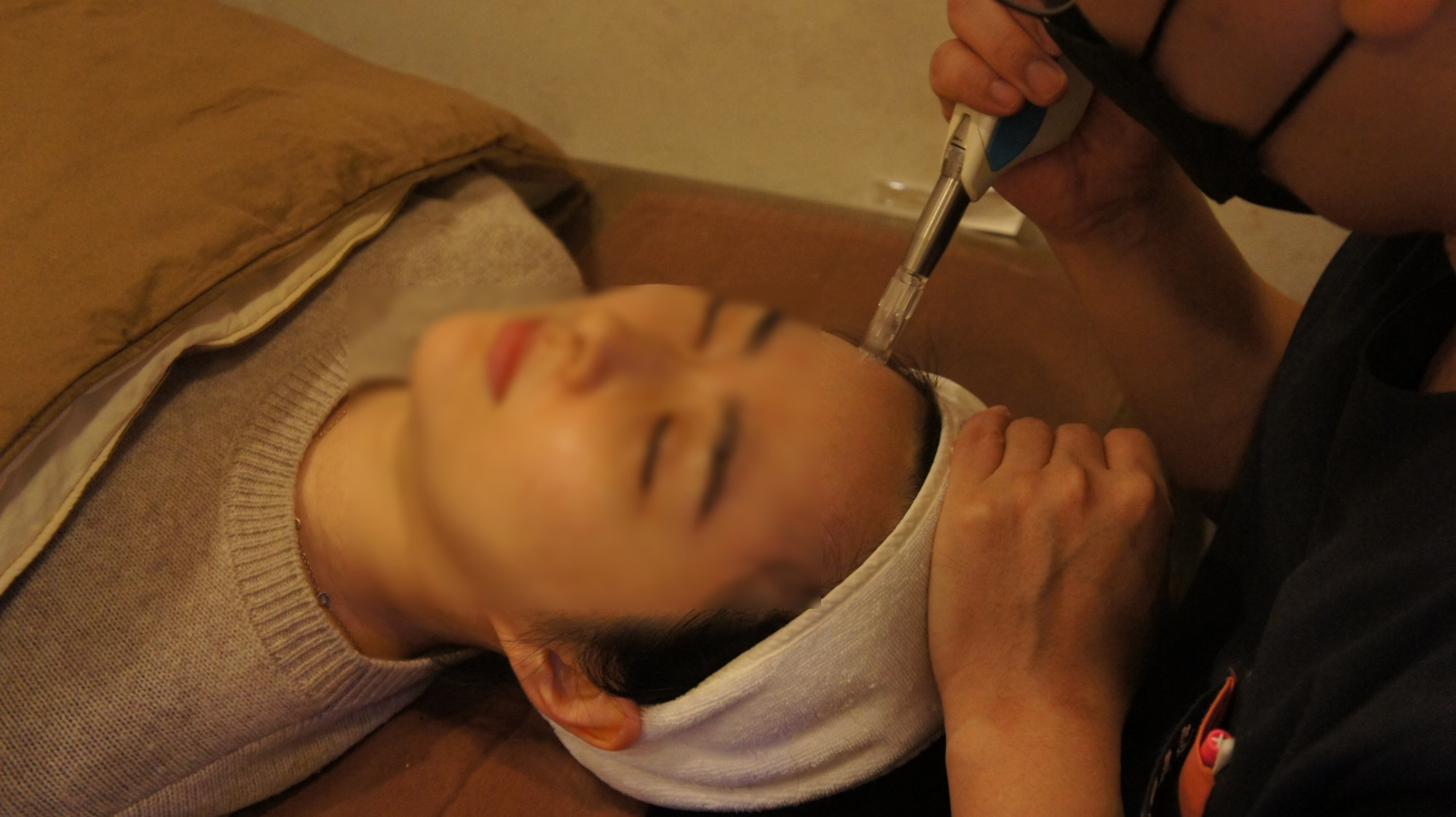
Because the ingredients of Filorga NCTF 135 can only penetrate deeply if the channels are made evenly while keeping surface damage low, we take enough time over this preparatory step with a freshly fitted needle.
Finishing with ultrasound and soothing care
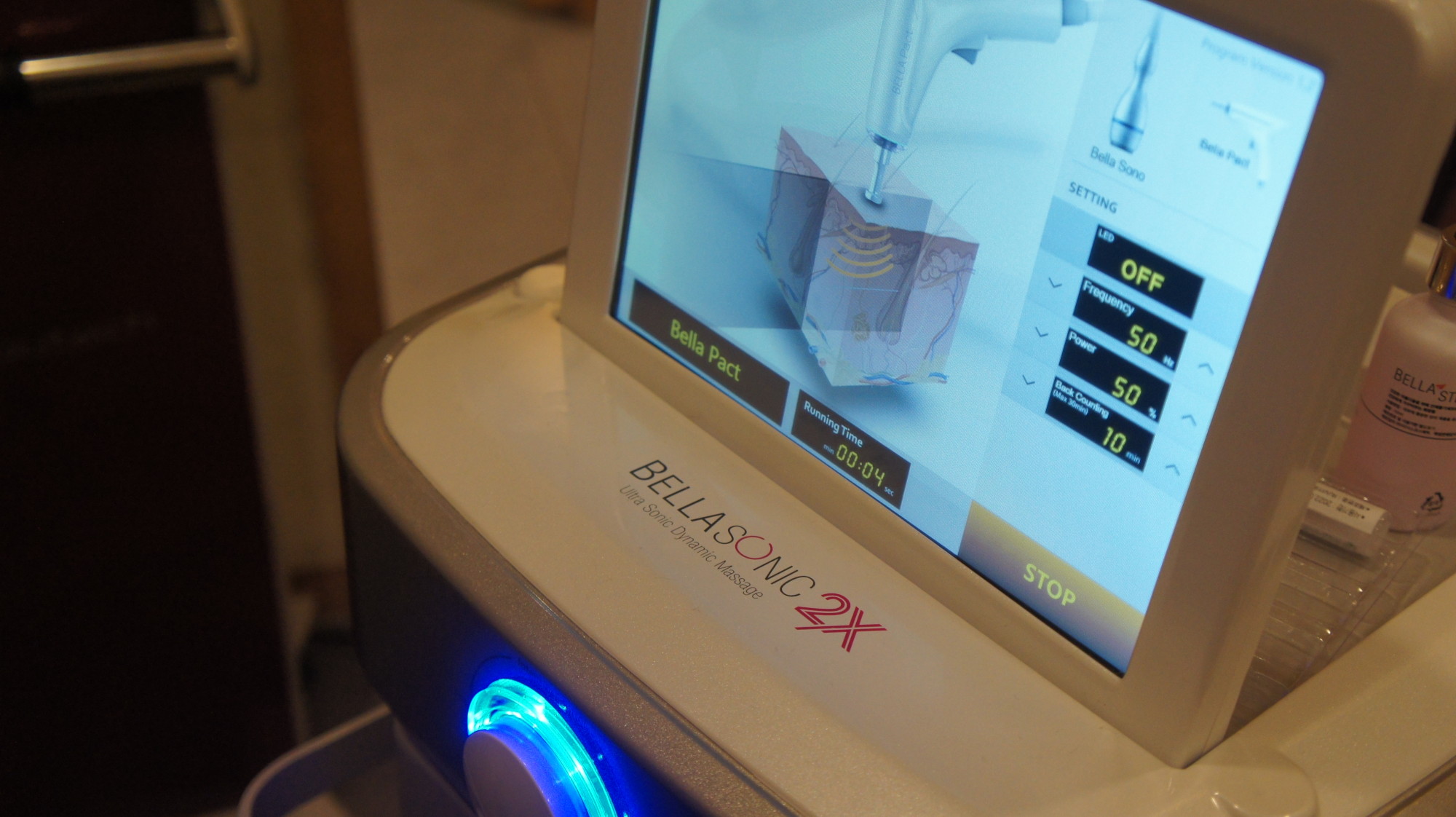
Once the MTS step is complete, the Bellafact mode of the Bellasonic device adds ultrasound to help carry the ampoule closer to the dermal layer.
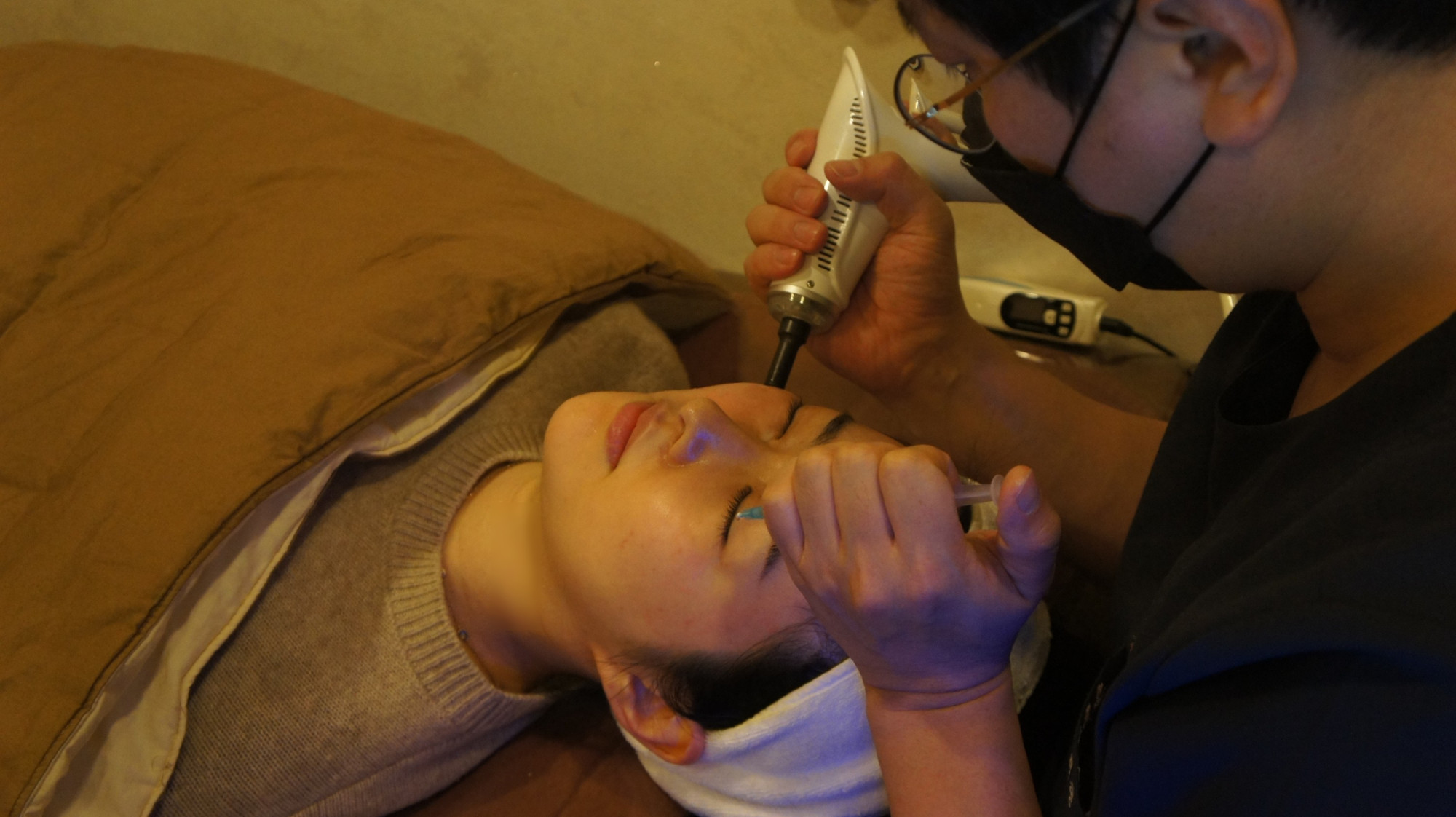
Getting an ampoule of guaranteed volume and expiry date into the skin without waste ultimately comes down to how carefully the practitioner works.
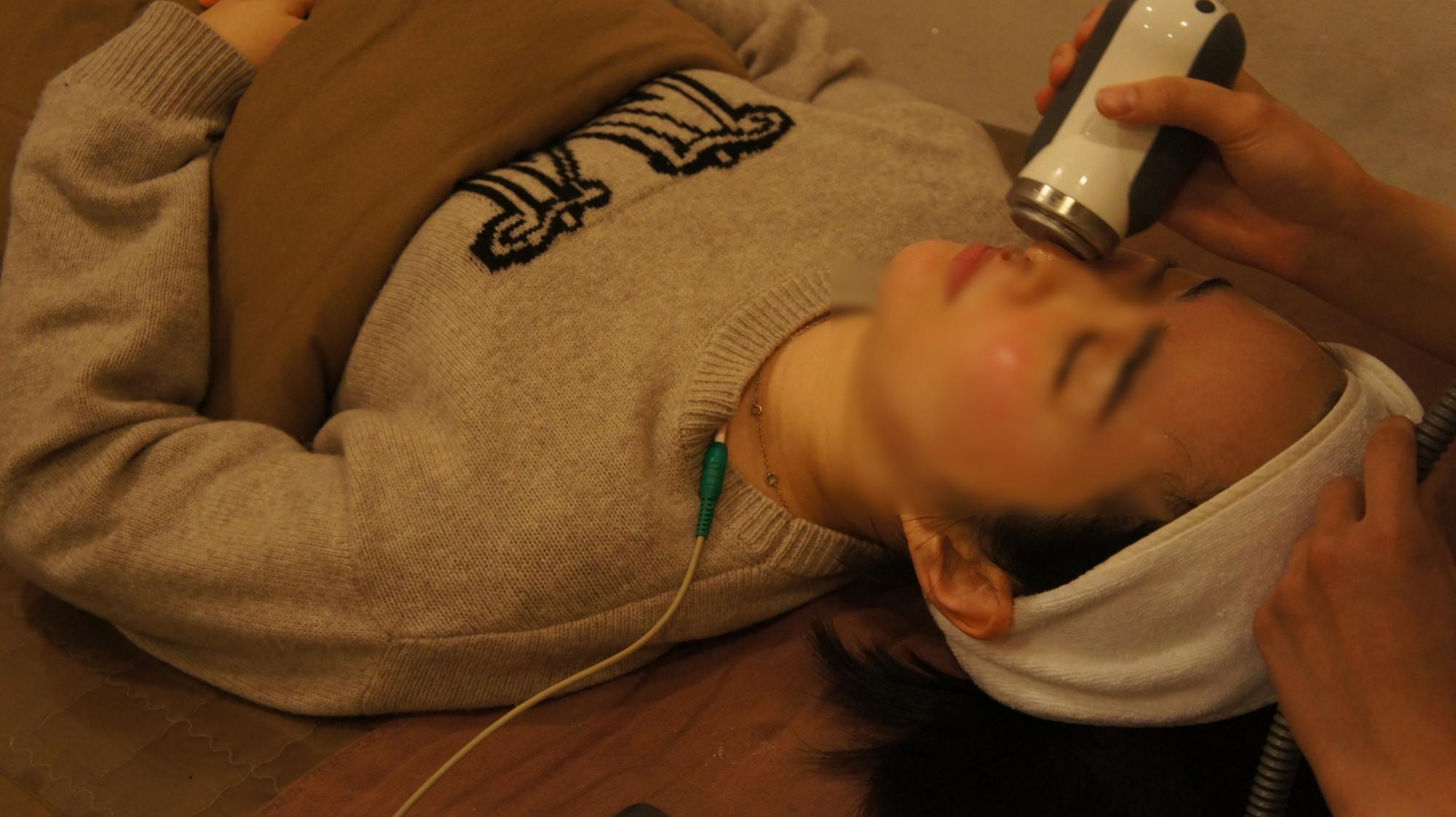
The last step is cryo (cooling) care, which calms the irritation caused by MTS while supporting absorption. Redness or a burning sensation right after the treatment tends to ease over the course of this stage.
A checklist before treatment
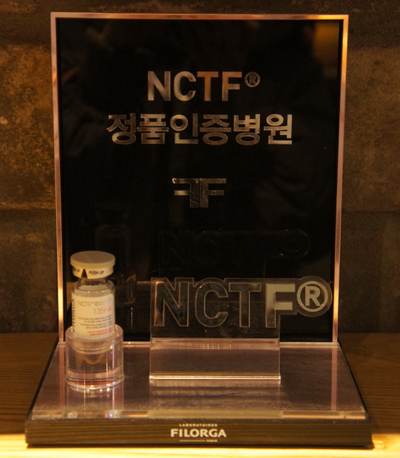
Wherever you have this treatment, we suggest checking these four things: whether genuine Filorga NCTF 135 is used, whether the expiry date and the amount used are shown to you, whether the MTS step is carried out thoroughly with a new needle, and whether there is a follow-up step to aid penetration.
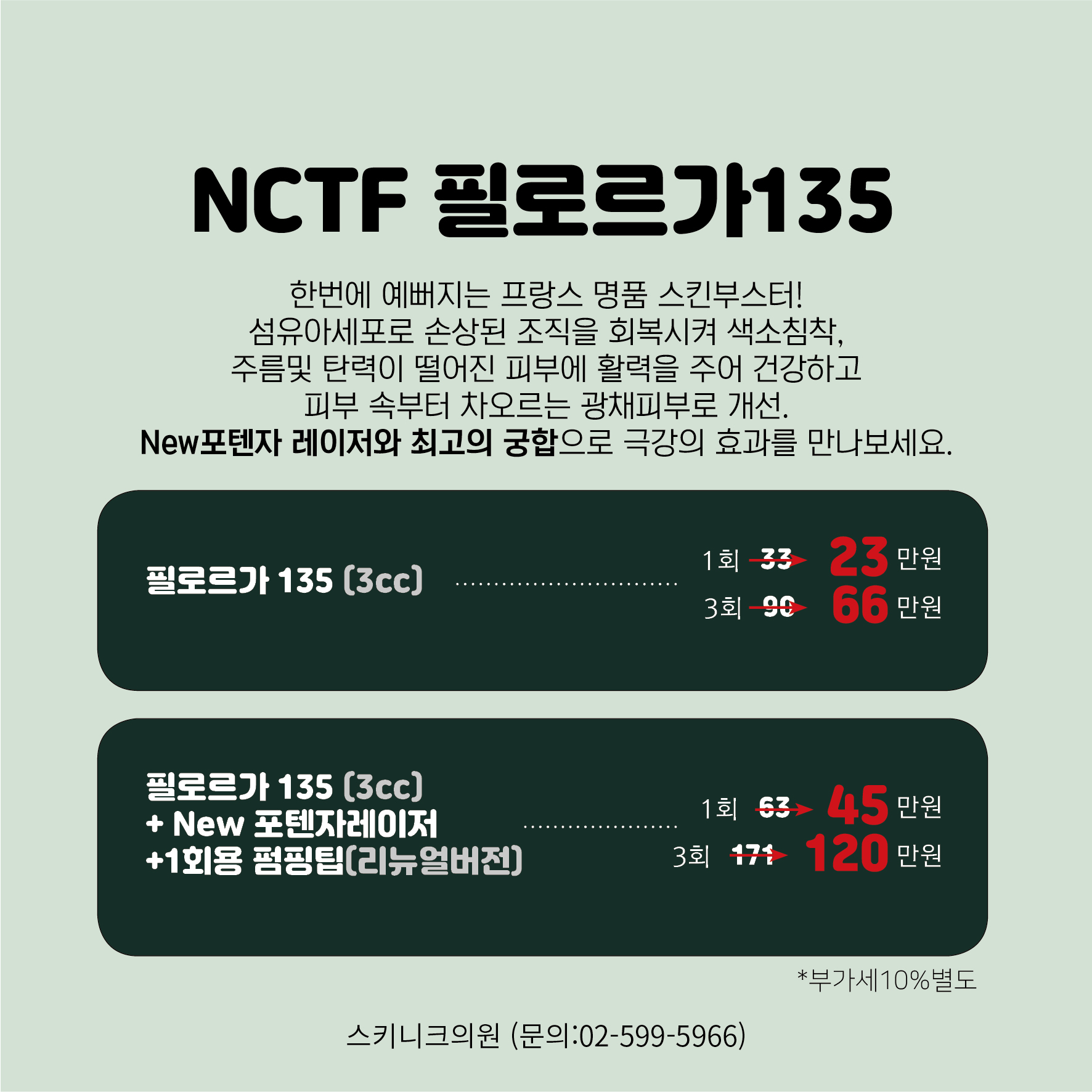
Wrapping Up
With so many skin boosters available, simply choosing the one that suits your skin is not easy. SKINIQUE Clinic puts assessing the condition of your skin through a consultation with a doctor first, and then suggesting a suitable treatment. Detailed costs are listed on the treatment prices page, and if you are wondering whether Filorga NCTF 135 fits your skin concerns, feel free to ask through a chat consultation about the skin booster that suits you.
This article was written by Chief Director Park Tae-hyung. He is the Chief Director of SKINIQUE Clinic and serves as academic director of the Korean Society of Laser Dermatology and Hair. Originally published February 21, 2021 · Last reviewed August 24, 2026
This article is general medical information. Skin condition and response to a procedure vary from person to person. Whether to be treated, and how, should be decided through an in-person consultation.