

Have you ever reached for a short-sleeved shirt in summer, only to notice dark blotches on your arms? Facial melasma and freckles are familiar, but pigmentation that appears on the backs of the hands or on the arms is easy to leave untreated simply because you don't know what it is. This article explains why pigmentation forms on the arms and other parts of the body, and how laser treatment approaches it.
Pigmentation Doesn't Only Appear on the Face

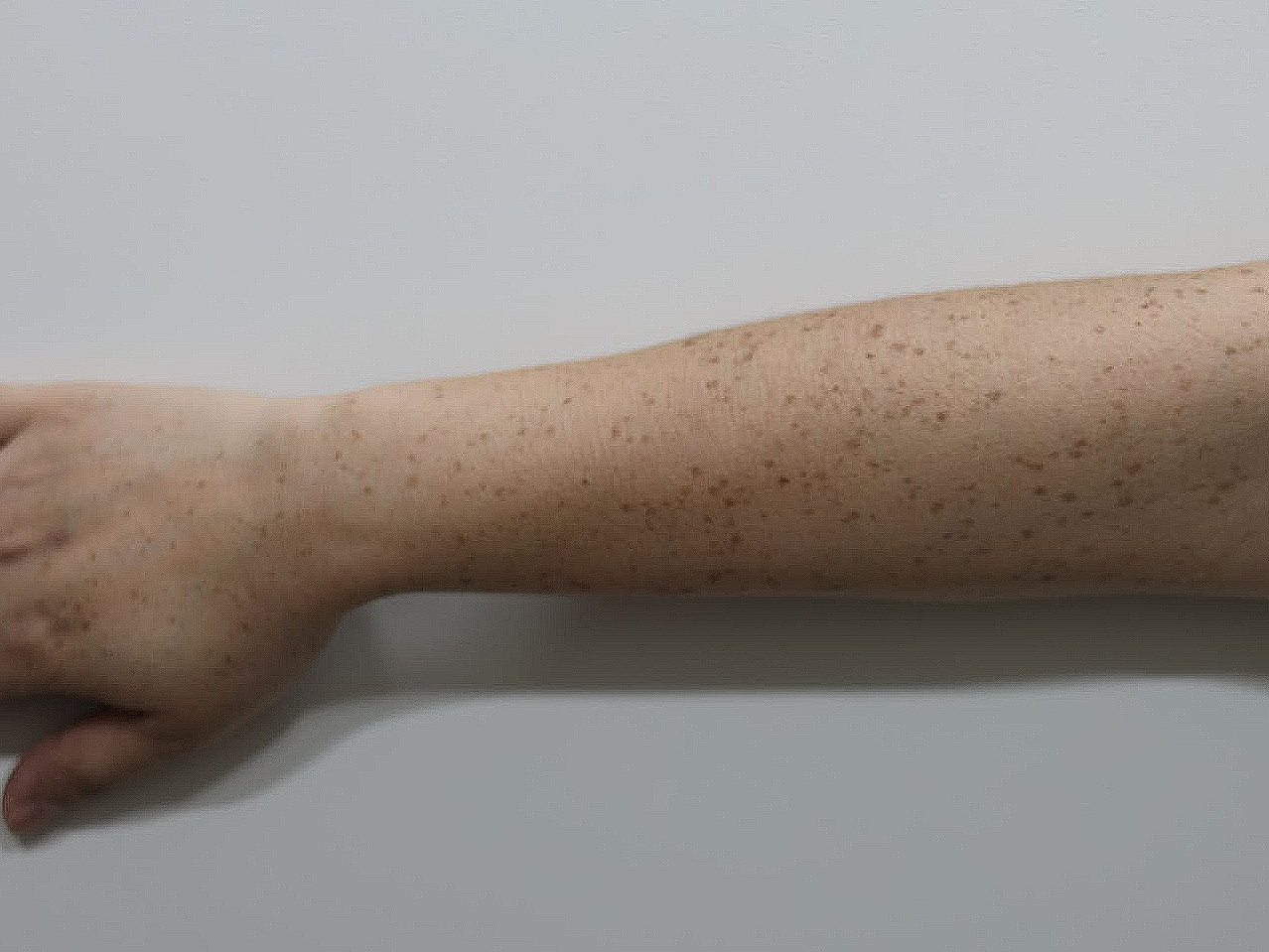
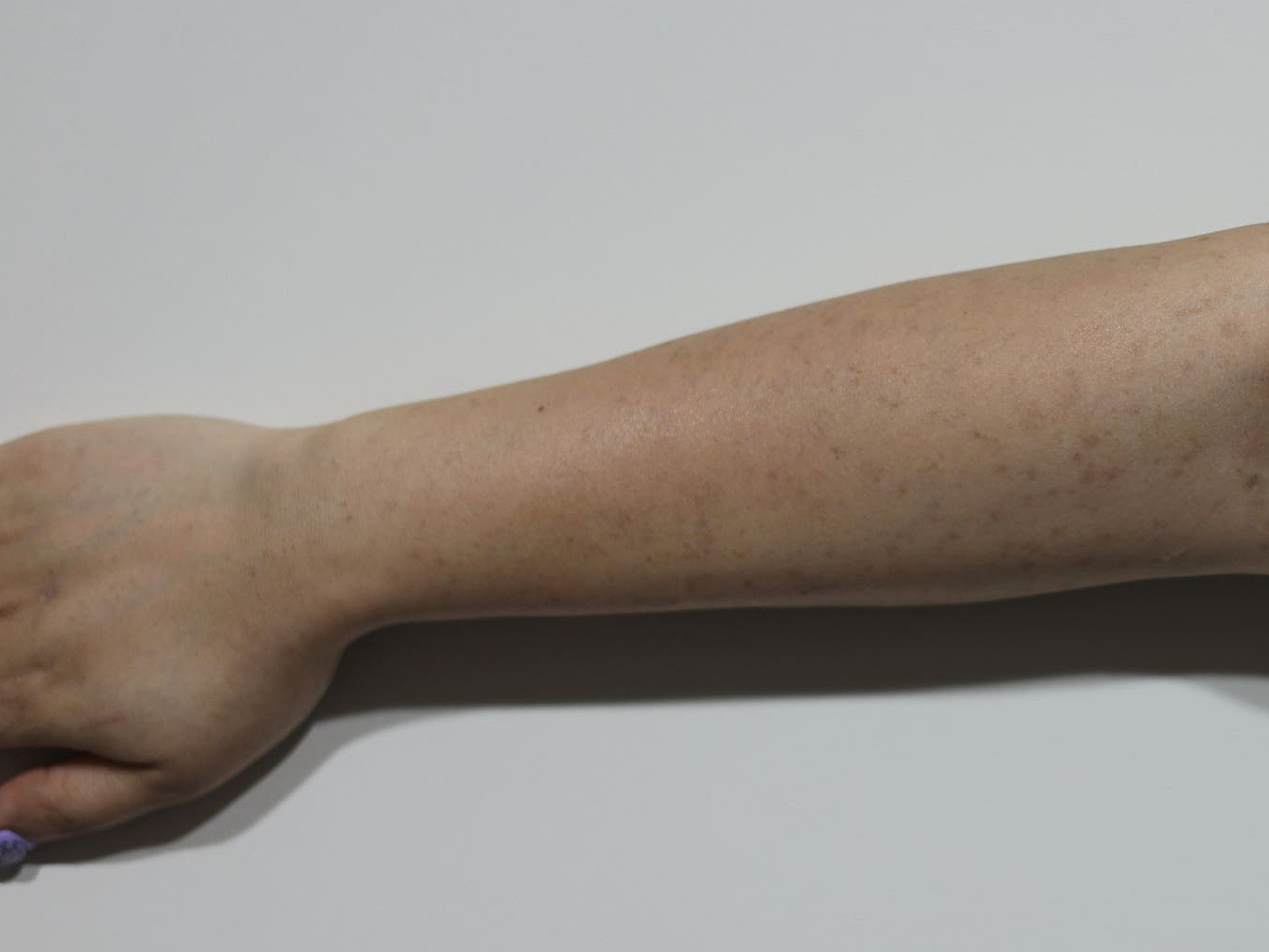
Melanin pigmentation is not exclusive to the face. Dark spots resembling melasma or freckles can appear anywhere that is frequently exposed outside your clothing — hands, arms, and legs alike.
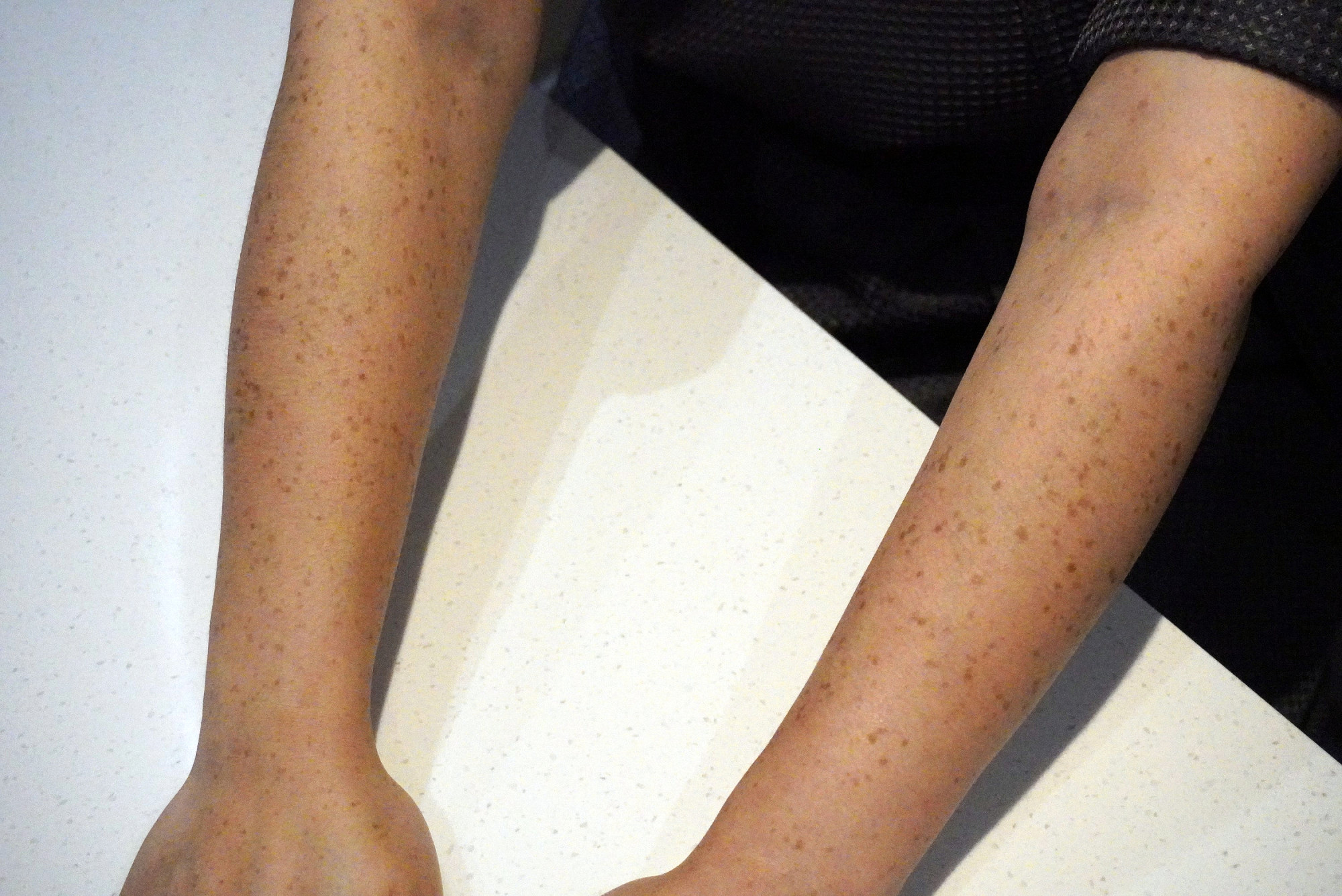
The problem is the season of exposure. When sleeves get shorter, pigmentation on the arms stands out all the more. Unlike the face, which can be covered with makeup, there is no real way to conceal it, and it can even make people hesitant about what they wear.
Why Does Pigmentation Form on the Arms?
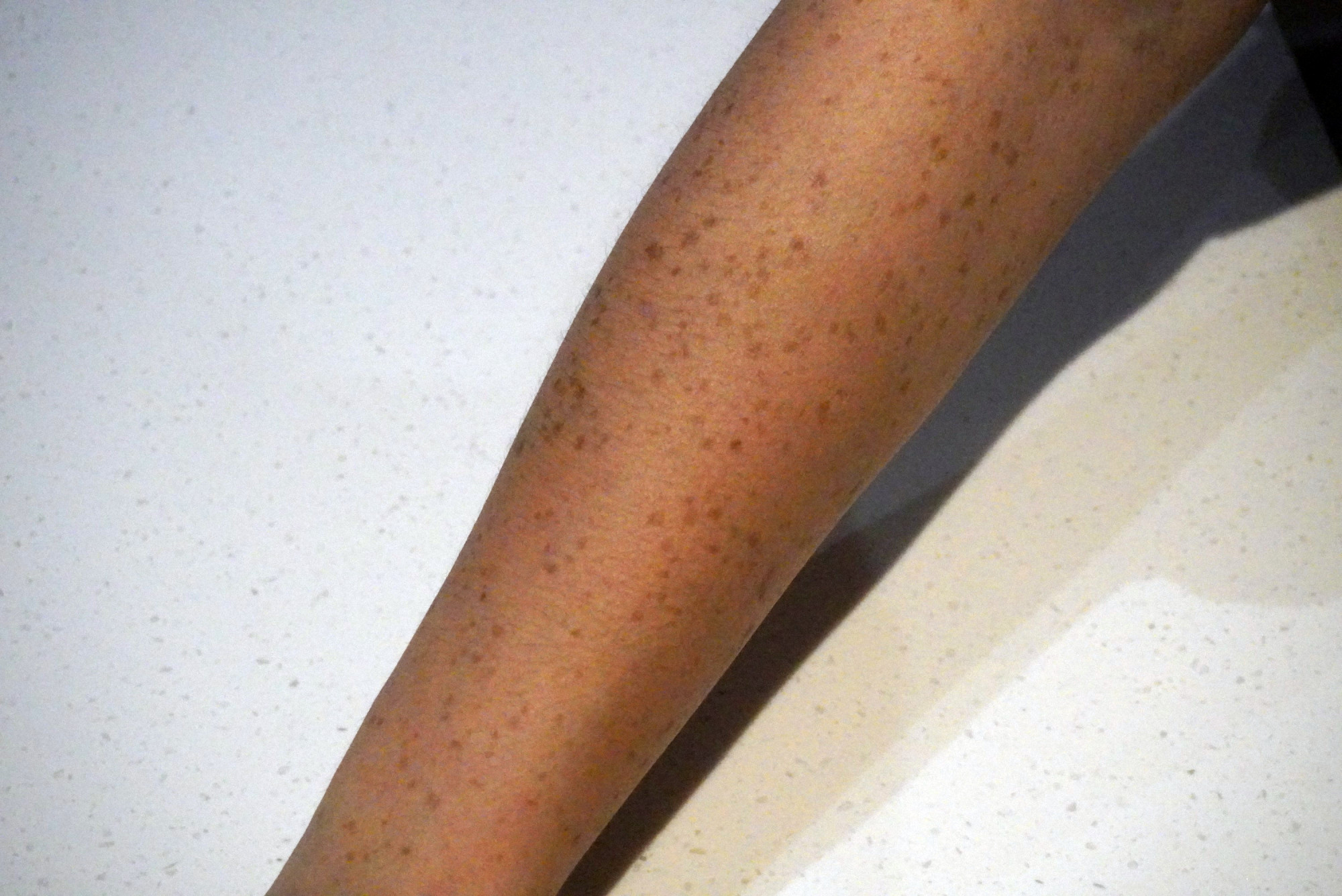
The main causes are accumulated UV exposure and skin aging. Many people apply sunscreen faithfully to their face but rarely extend it to their arms. Meanwhile, the arms steadily receive sunlight through driving, walks, and outdoor activities, and the UV stress accumulated over the years deposits melanin that surfaces in the form of blemish-like spots.
Why It Rarely Fades Once It Appears
The skin on the arms is thicker than facial skin, and its stratum corneum is more developed. Once pigmentation has settled in, it rarely lightens on its own, and in many cases the spots increase in number or spread over a wider area as time passes. Putting treatment off can also mean a larger treatment area later.
Diagnosis First, Laser Second
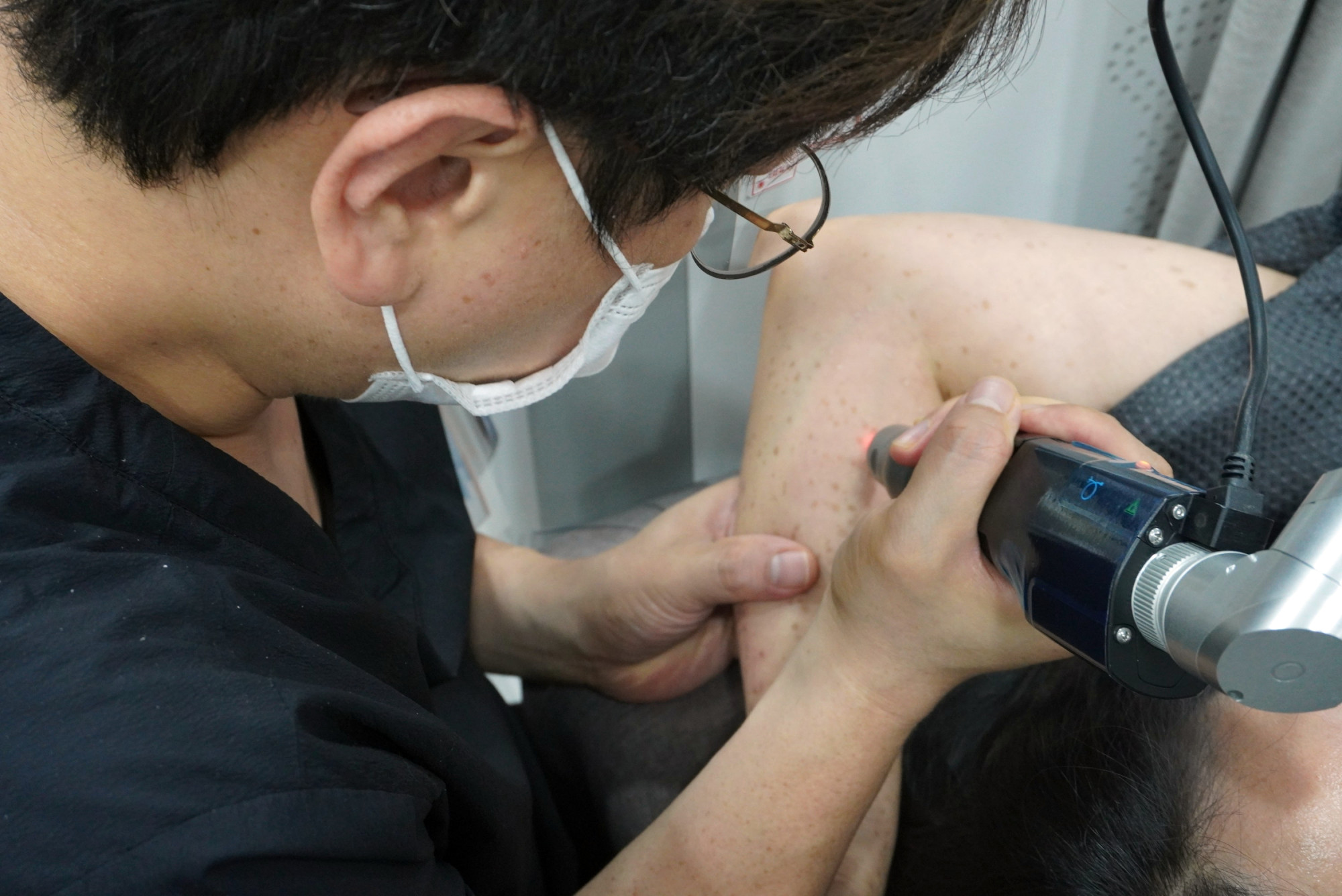
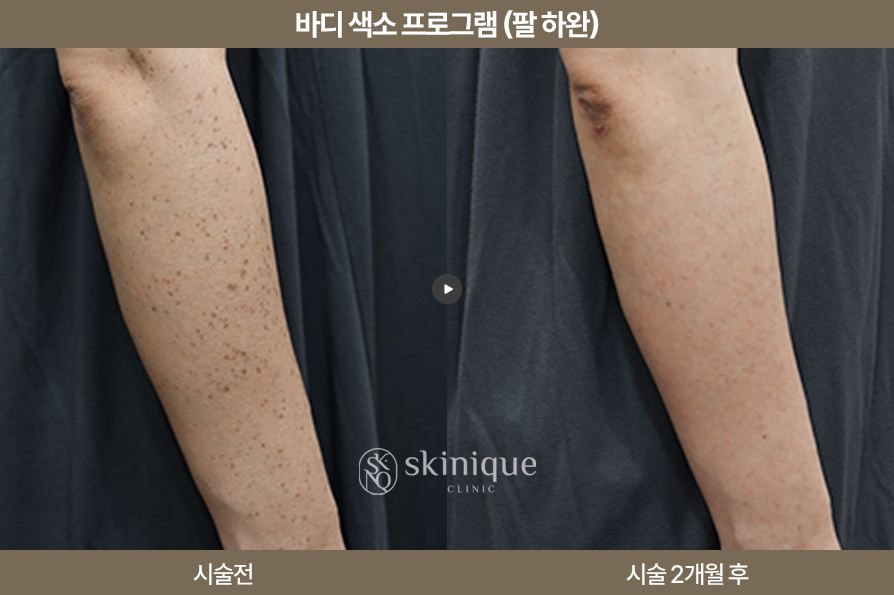
SKINIQUE Clinic applies the know-how built over many years of focusing on facial pigmentation treatment to body pigmentation in exactly the same way. The sequence is the same as for the face: first diagnose the type and depth of the pigment, its cause, and the condition of the skin; then choose the laser device that fits those findings; and finally design a one-on-one treatment plan tailored to your skin tone and pigment depth.
Number of Sessions and Aftercare
The number of sessions needed varies with the nature and depth of the pigment and your improvement goals, and treatment is sometimes divided across several visits. It is good to know in advance that results vary from person to person. Just as important are your habits after treatment: strict sun protection for a period following the procedure plays a key role in preventing re-pigmentation and keeping the results for longer.
Wrapping Up
Dark pigmentation on the arms is a trace left by accumulated UV exposure, and given how thick arm skin is, it is hard to expect it to fade on its own. The standard approach is an accurate diagnosis, a laser chosen to match the pigment, and consistent sun protection alongside treatment. If you are wondering what type of pigmentation is on your arms, feel free to reach out via chat consultation about body pigmentation.
This article was written by Dr. Park Tae-hyung, Chief Director of SKINIQUE Clinic and an academic director of the Korean Society for Laser, Dermatology and Trichology. First published Sep 15, 2025 · Last reviewed Aug 23, 2026
This article is general medical information. Skin conditions and responses to treatment vary from person to person. Please decide whether and how to proceed with treatment through an in-person consultation.