
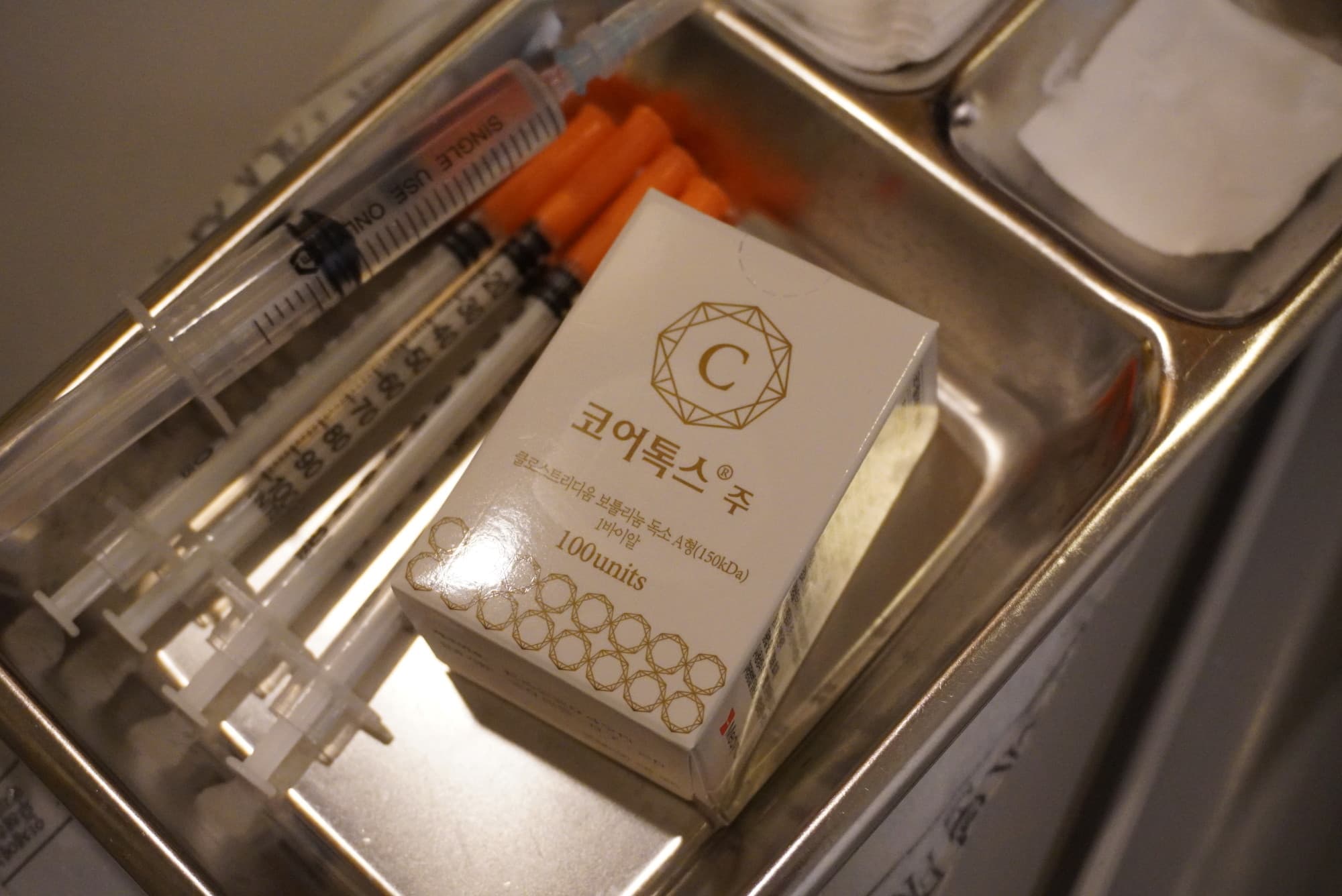
Anyone looking into trapezius or calf Botox tends to pause at the word "resistance". Body Botox uses far larger doses than facial wrinkle treatment, so concern about resistance grows — and products formulated to reduce that risk are generally perceived as expensive. This article explains why resistance matters in body Botox, and how Coretox can serve as an option.
Why resistance draws more attention in body Botox
Botulinum toxin resistance is understood to arise mainly with repeated treatment or high-dose treatment. Body Botox, which addresses large muscles such as the trapezius and the calves, requires a larger dose than wrinkle Botox by nature, so from a resistance standpoint the choice of product matters more in these areas.
Many people therefore seek out Xeomin, from which the proteins associated with resistance have been removed, even at higher cost — but with the larger volumes of a body treatment, the cost burden grows accordingly, which is the practical dilemma.
Coretox as an option
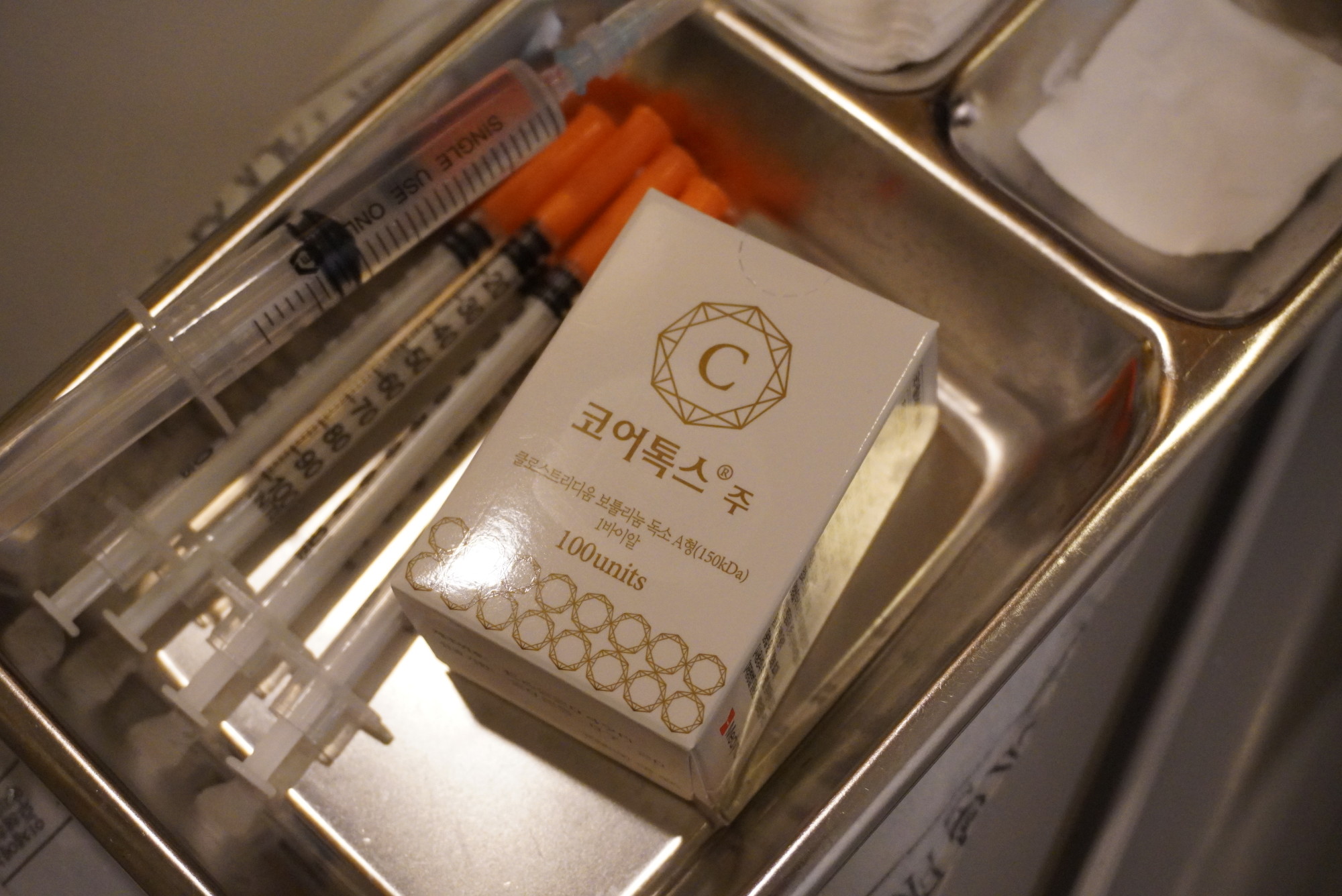
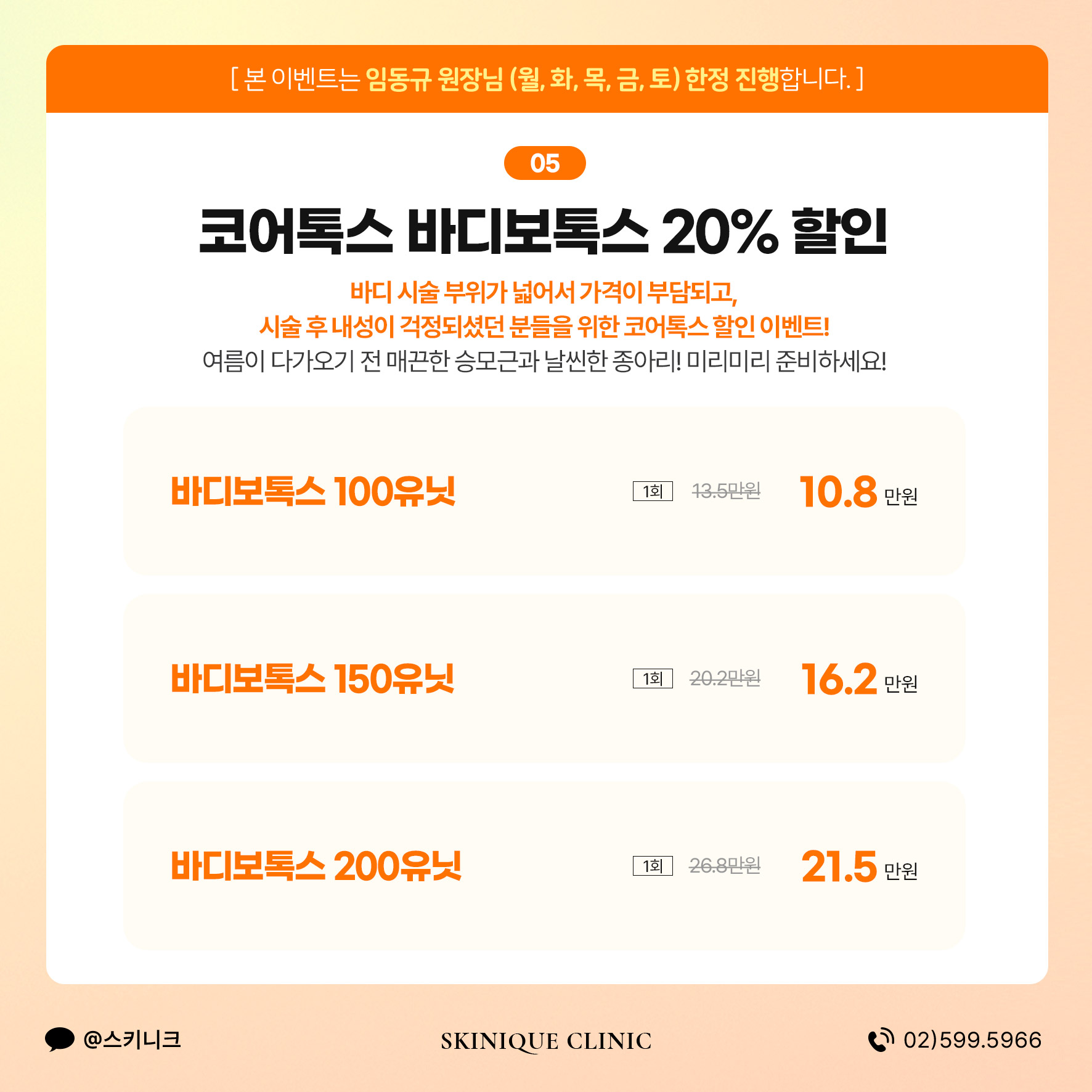
Many people still believe Xeomin is the only botulinum toxin with a lowered risk of resistance. Medytox's Coretox, however, is likewise a product in which the complexing proteins have been removed from the botulinum toxin and only the core neurotoxin purified, lowering the possibility of resistance. Where a body area calls for a high dose and you want to manage resistance while easing the cost burden, Coretox can be a reasonable middle ground. Detailed costs can be found on the price guide.
Trapezius Botox and calf Botox
Trapezius Botox aims to release the tension in an overdeveloped trapezius that makes the shoulders look raised, so that the shoulder line settles more softly.
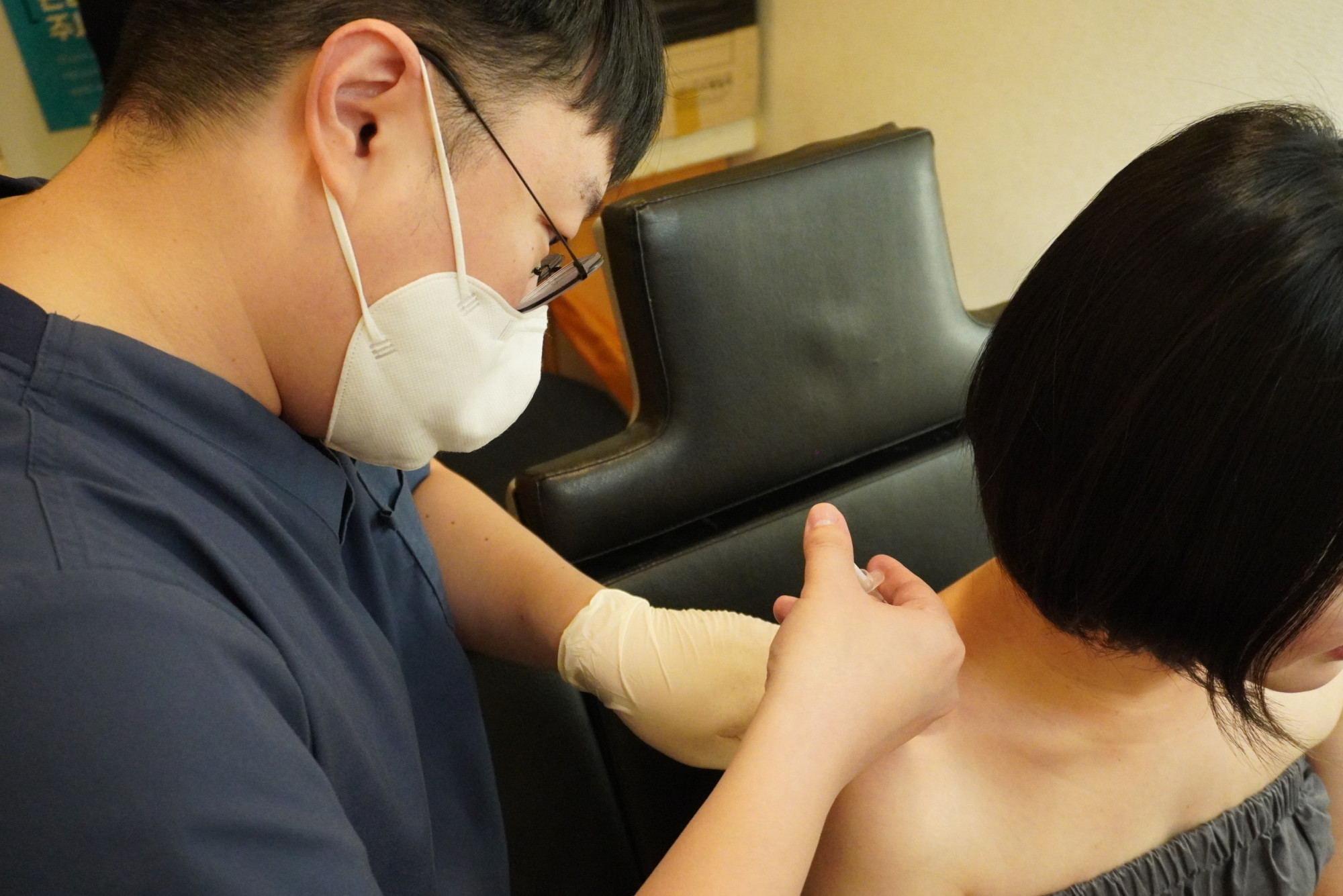
Calf Botox works in the direction of reducing the volume of calf muscle that protrudes outward, for a smoother leg line. In both areas the dose required and the injection points differ with how developed the muscle is and with body shape, so the plan is drawn up after palpation and consultation with the medical team beforehand.
When changes appear
Body Botox is a treatment whose changes emerge over time rather than immediately after the session. Typically a change in muscle volume begins gradually from around two weeks after treatment and tends to be clearest at about six to eight weeks. The pace and degree of change vary between individuals, so if you want to be ready for a particular date, it is best to count back from that date and plan the treatment in advance.
In summary
Because body Botox involves large doses, choosing a product with the resistance-associated proteins removed is advantageous in the long run, and Coretox is an option that meets that condition while easing the cost burden. What dose your own muscles call for is something to confirm through consultation first. If the trapezius or calf line is a concern, ask via a chat consultation on the body Botox approach that suits me.
This article was written by Dr. Park Tae-hyung. He is the chief director of Skinique Clinic and serves as academic director of the Korean Society for Laser Dermatology and Trichology.
First published 16 May 2024 · Last reviewed 23 August 2026
This text is general medical information. Skin condition and response to treatment vary between individuals. Whether and how to treat should be decided through consultation.