
There is no shortage of lifting device names, yet it is rare to find an article that calmly explains which part of your face can be lifted, and how. This post looks at the radiofrequency lifting device Sunny, the structure of its signature Quasar tip, and the order in which an actual session proceeds.
Sunny RF lifting, one branch of radiofrequency lifting
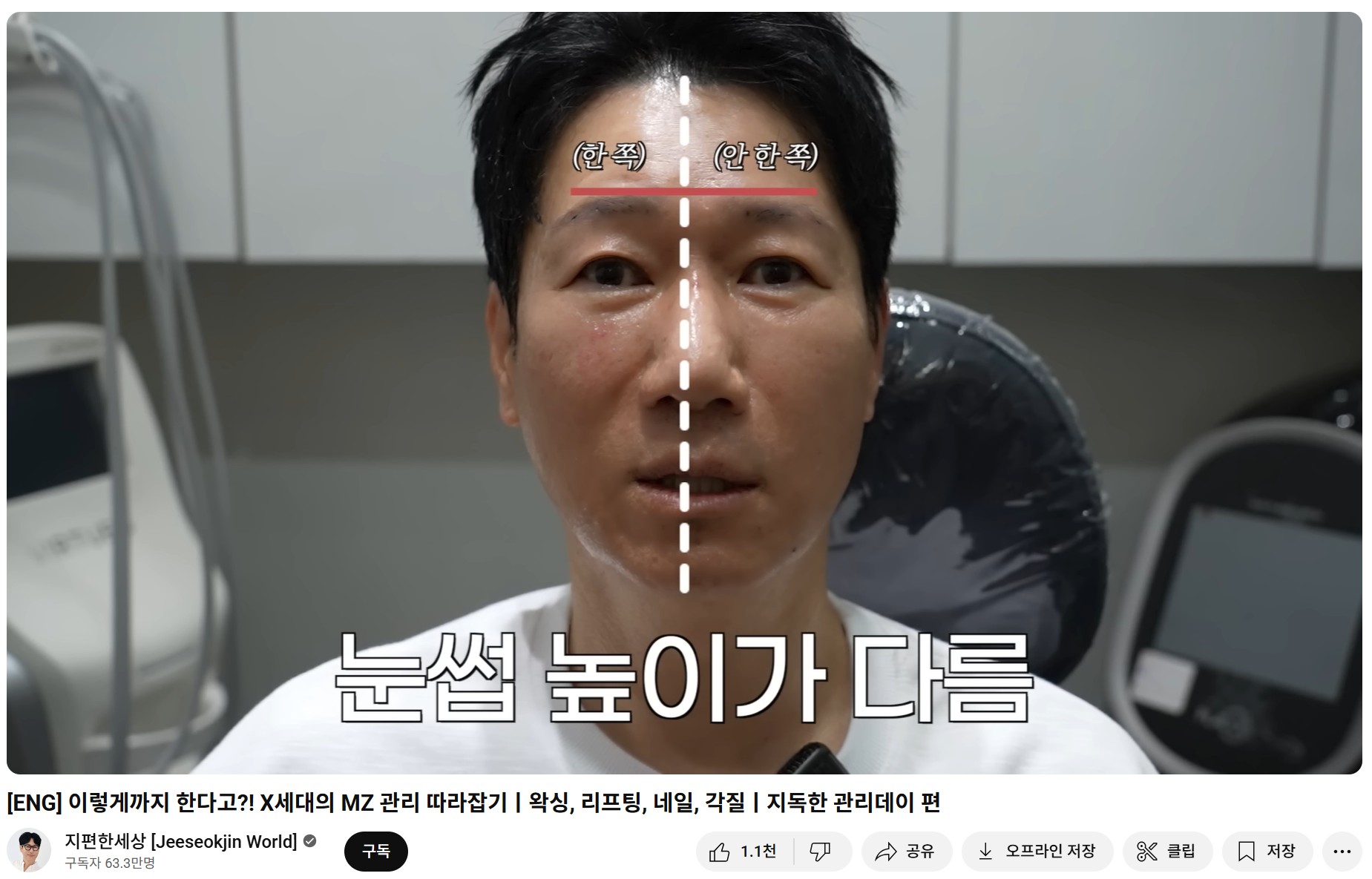
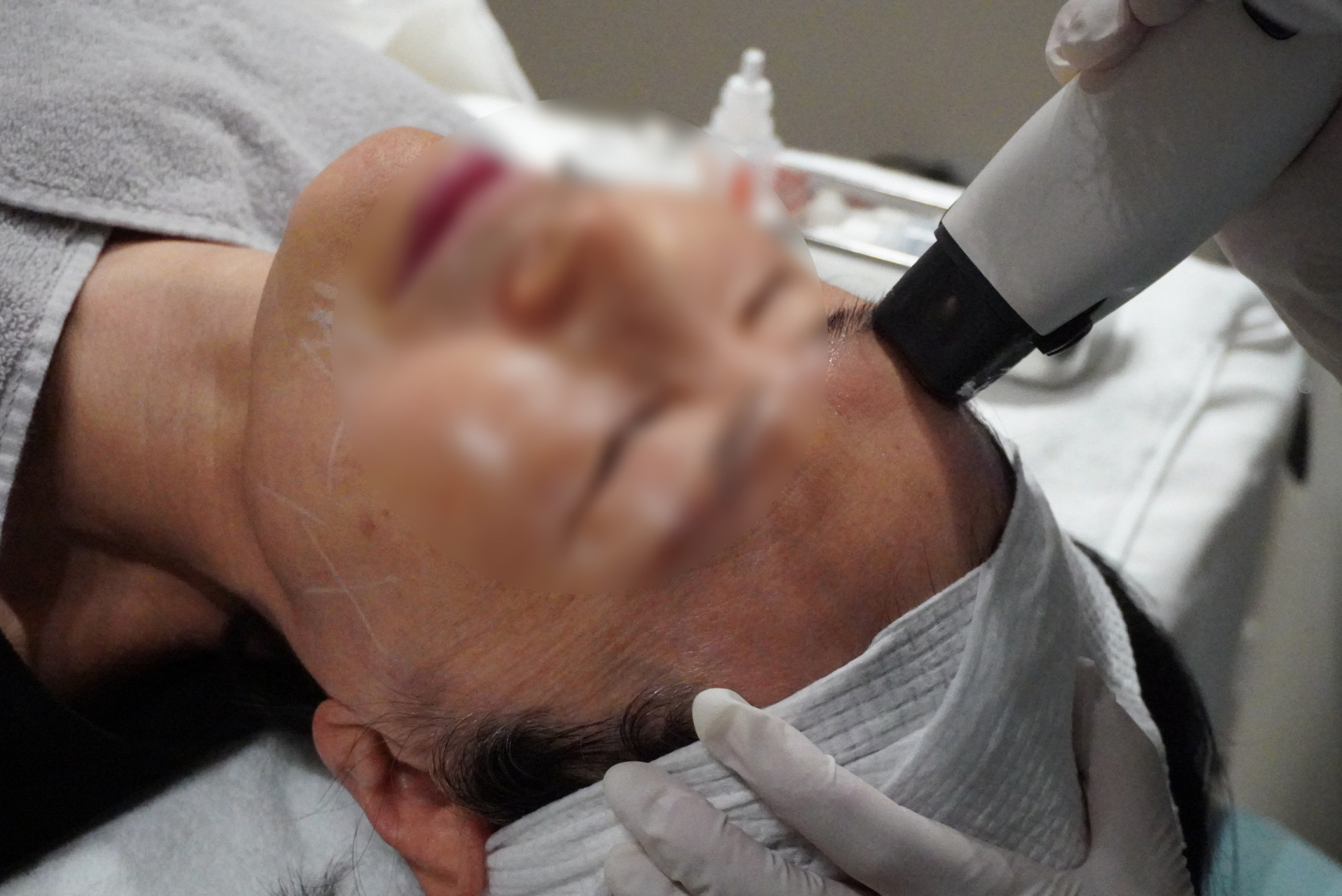
Sunny is a radiofrequency (RF) lifting device developed by SHENB and cleared by the US FDA. In delivering heat to the dermis through RF energy to induce collagen remodelling, it belongs to the same family as devices such as Thermage FLX, Density, SERF, Ten Therma and Oligio.
With so many RF devices already in use, why is a new one drawing attention? The answer lies in the shape of the tip.
The Quasar tip, with 25 pins that move one by one

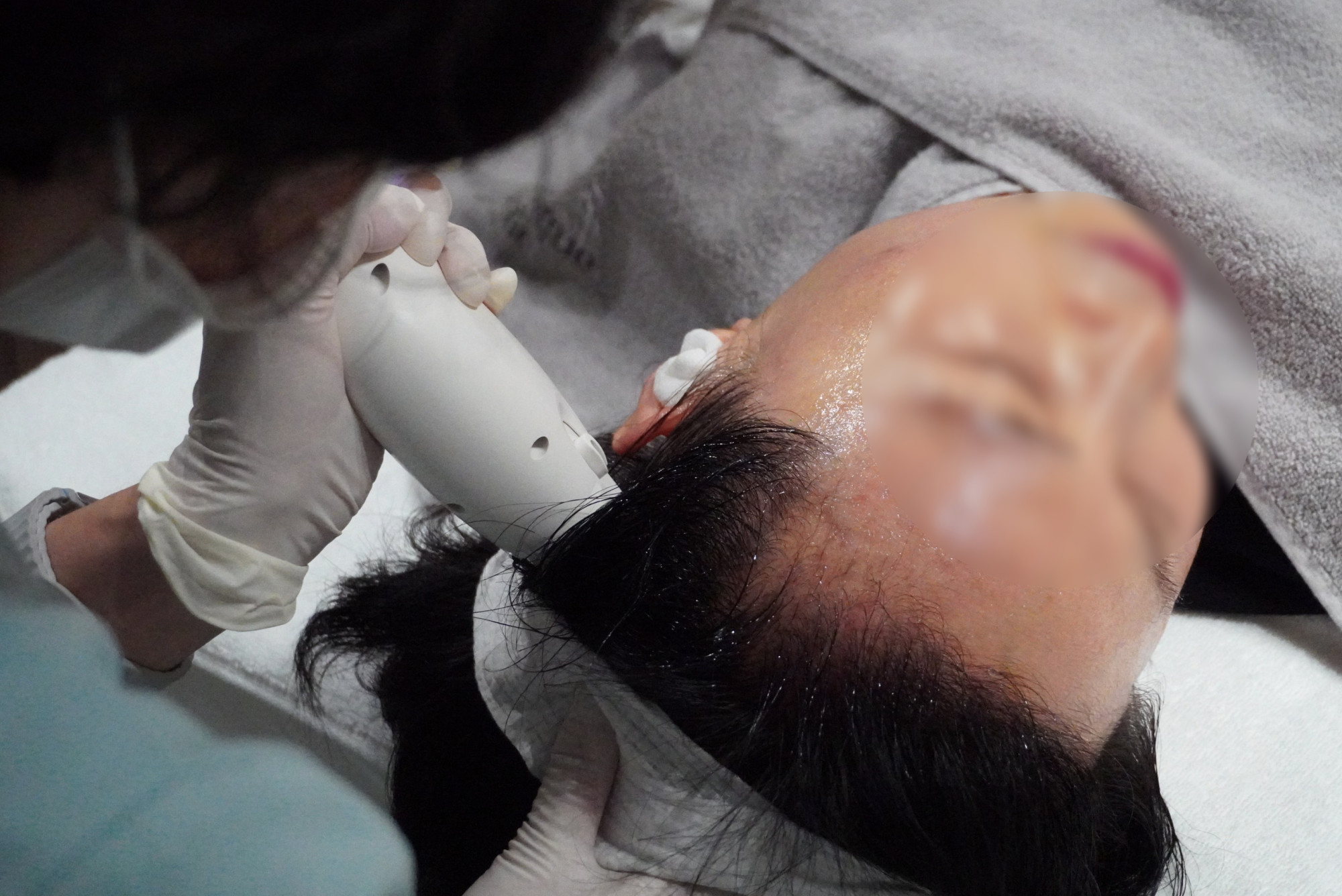
Tips on conventional RF devices are mostly wide, flat squares. They sit well on broad areas such as the cheeks or the forehead, but they are hard to keep in full contact where the surface curves sharply. The Quasar tip carries 25 pins that move individually and follow the contours of the skin as they are. That makes it possible to deliver energy evenly to the so-called blind spots of lifting, such as the hairline, behind the ears and the scalp, where devices have had trouble reaching properly until now.
Why the scalp is included in the treatment area
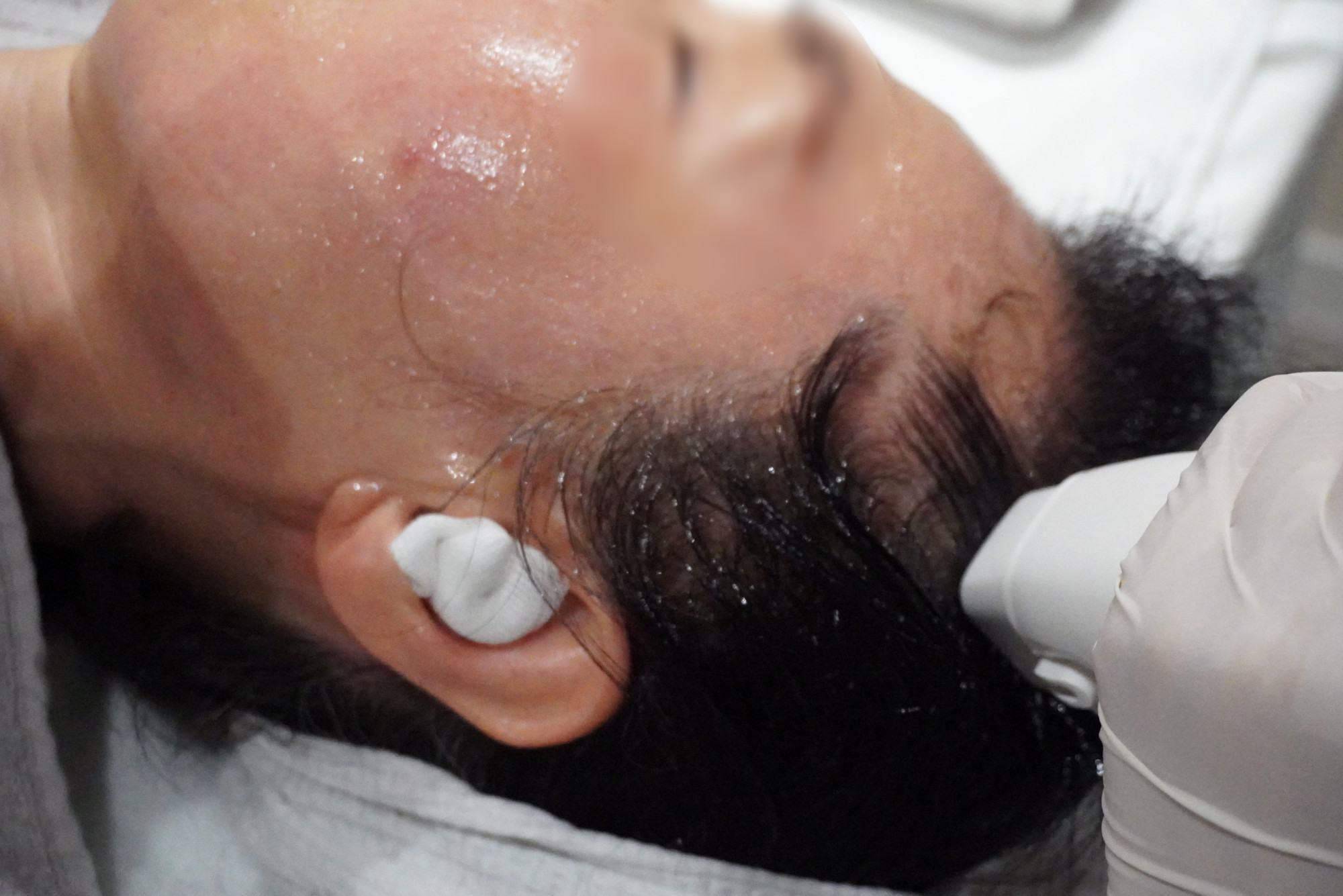
Sagging is not a matter of the face alone. The scalp, the temple, the cheekbone and the jawline are connected as a single structure, so when support at the scalp weakens, the forehead, the brows, the temples and the jawline tend to come down in turn. That is why Sunny RF lifting also covers the area behind the ears, the hairline and the scalp. The idea is to secure the starting point of the pull from the upper part of the face.
As important as the device: how the session is planned
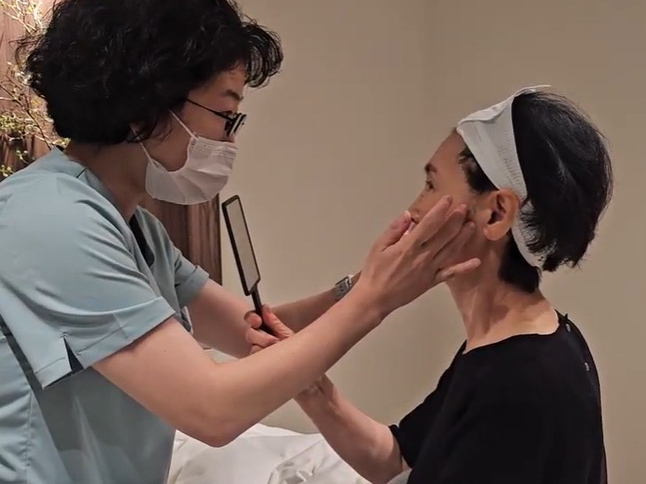
Even with the same device, the result changes with the way the session is planned. Muscle direction, skin thickness and the places where firmness has been lost differ from person to person, so energy levels and the number of passes need to vary by area if a natural change is to be expected.
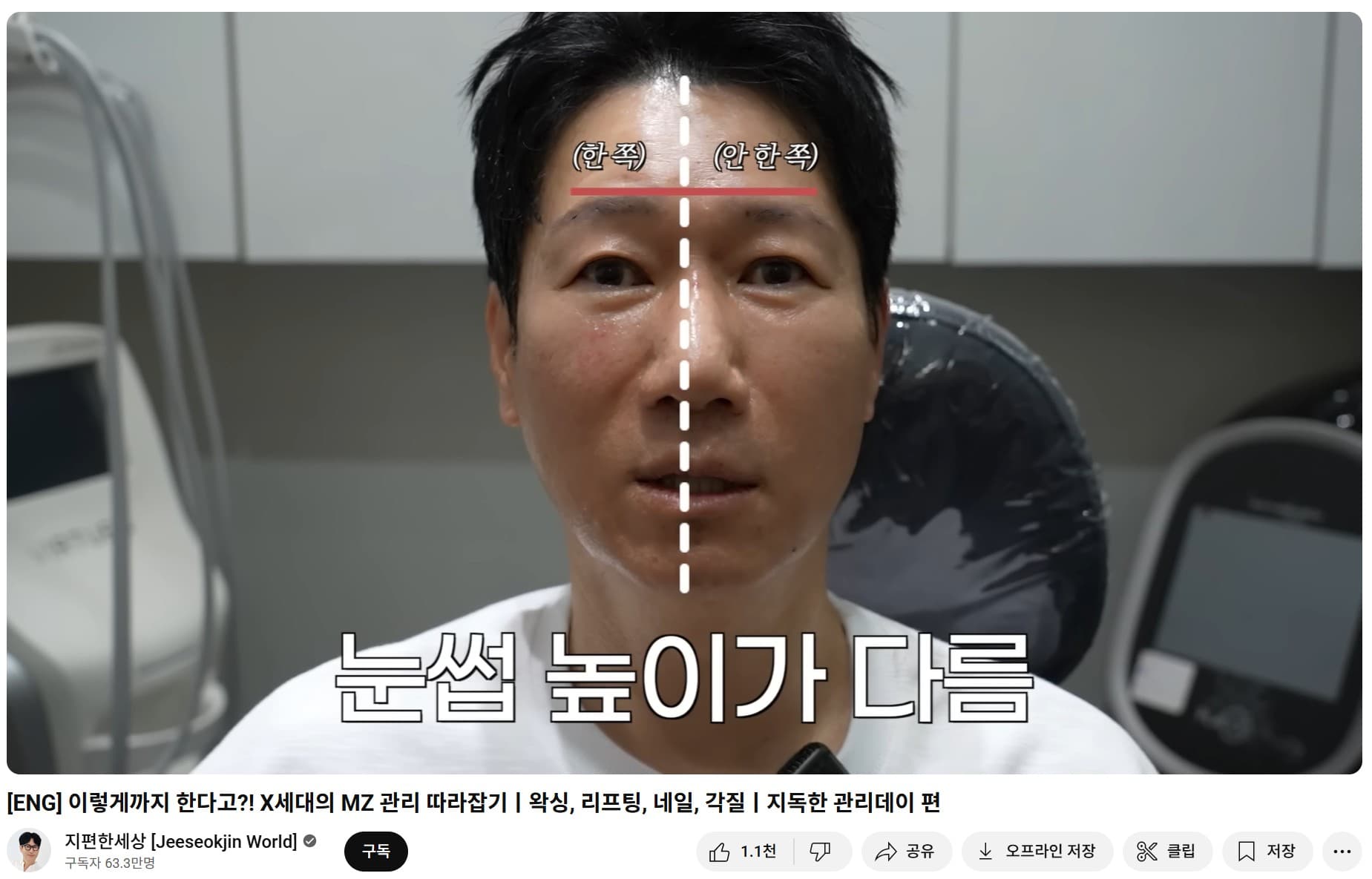
At SKINIQUE Clinic, the face is first observed in a seated position before treatment, checking how much firmness has been lost, whether there is asymmetry, and which areas concern you personally. The treatment area is mapped out from what this shows; the session then works across the broad planes with the Sunny tip and finishes the curved areas with the Quasar tip.
Discomfort, downtime and cost
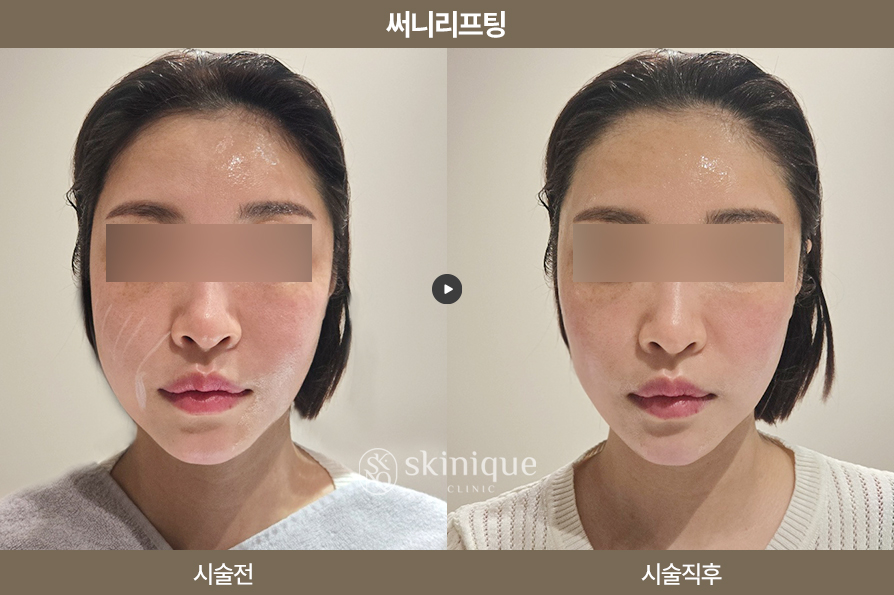
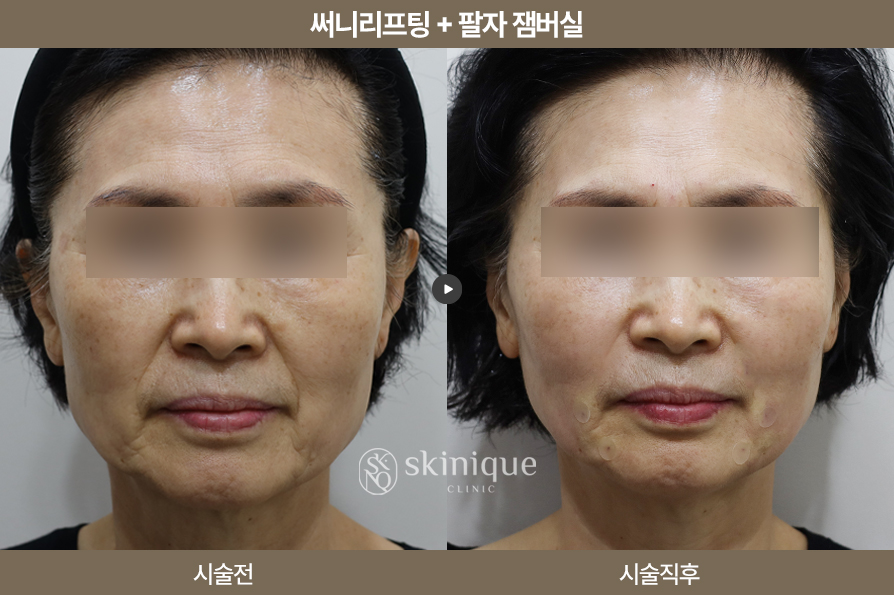
Sunny RF lifting can generally be carried out with numbing cream alone, without IV sedation, and it is among the treatments that allow a return to daily life soon afterwards. How discomfort is felt and how the skin responds afterwards vary from person to person, so it is worth discussing this with the medical team in advance at your consultation. Detailed pricing is available on the price guide.
Wrapping Up
Sunny RF lifting takes the basic principles of RF lifting and adds close contact on curved areas, which lets it approach sagging from its starting point, the scalp and hairline included. Whichever device is used, though, what shapes the outcome is a plan matched to your own facial structure. If you are wondering whether Sunny RF lifting suits your face, feel free to ask through a chat consultation on the lifting direction for your skin.
This article was written by Dr. Park Tae-hyung. He is the Chief Director of SKINIQUE Clinic and serves as Senior Director of the Korean Society for Laser Dermatology and Trichology. First published June 30, 2025 · Last reviewed August 23, 2026
This text is general medical information. Skin condition and response to treatment vary from person to person. Please decide whether and how to undergo treatment through an in-person consultation.