

Look into treatment for solar lentigines and sooner or later you run into the question, "Do I have to go to a clinic that has a REEPOT laser?" To start with the conclusion: the heart of treating these sun spots is not one particular device, but the way the pigment is handled. This post sets out how solar lentigines form and how the approach differs from laser to laser.
What kind of pigmented lesion is a solar lentigo
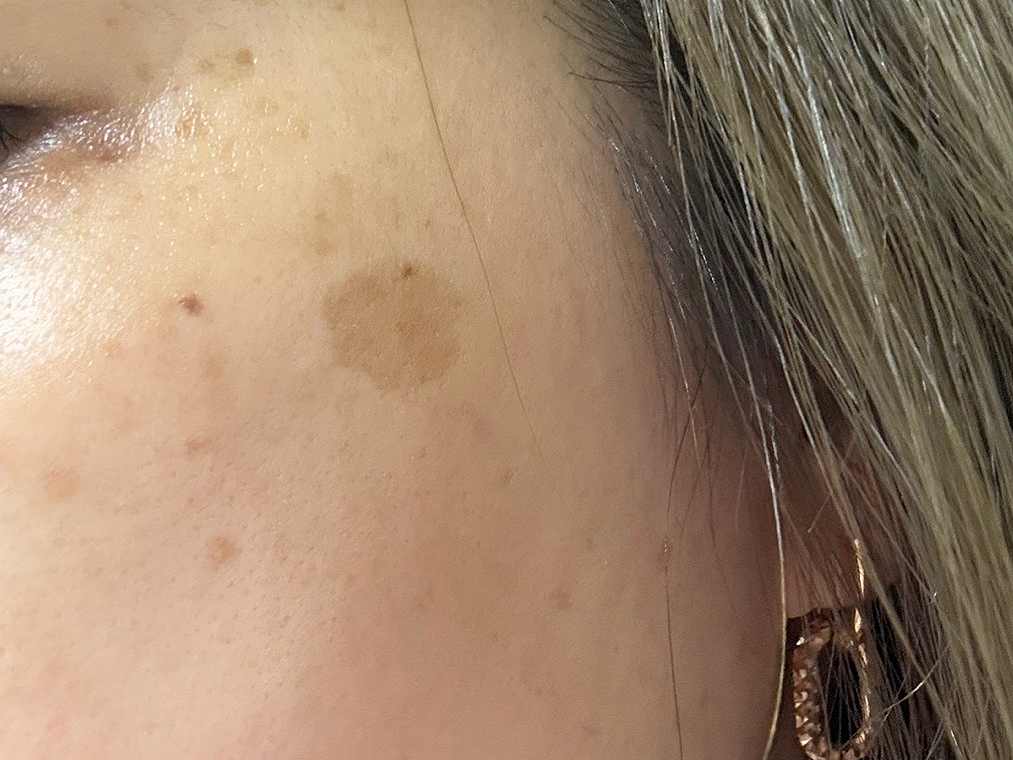
A solar lentigo usually appears as a flat, round brown patch, most often 1 to 3 cm across. It is a pigmentary condition in which melanin in the basal cell layer increases excessively as long-term ultraviolet exposure and ageing overlap, and left alone it often follows a course of growing larger and darker. That is why it seems to take up more space every time you look in the mirror.
Because it is a pigmented lesion, treatment calls for a pigment laser that can selectively break down melanin alone.
Which lasers are used
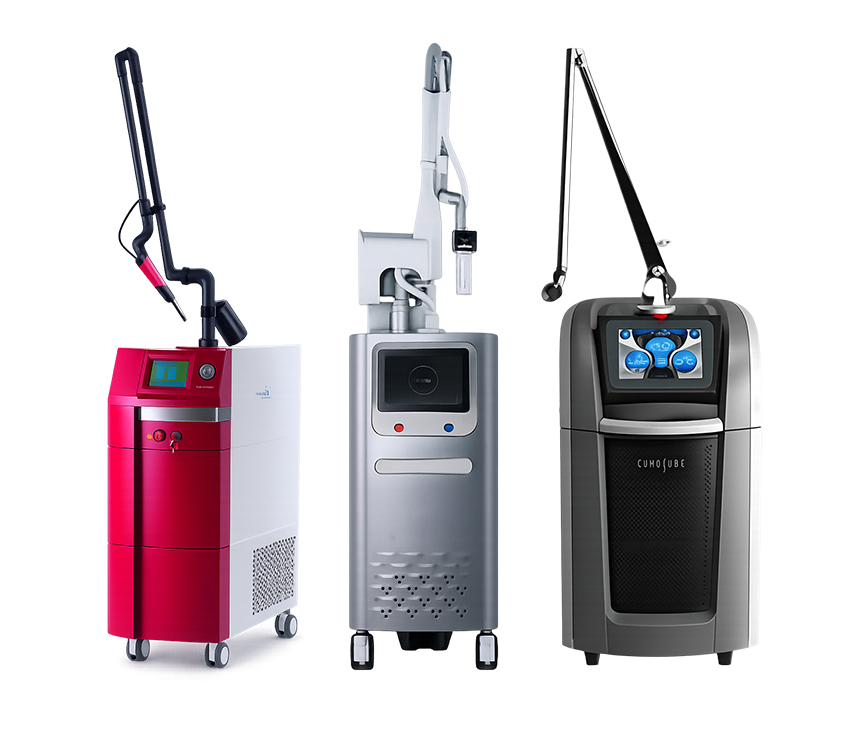
For lesions that sit densely on the surface, as solar lentigines do, the ruby laser and the pico laser have traditionally been the mainstays, and more recently the REEPOT laser, developed with a focus on treating solar lentigines, has been drawing attention as well.
Whichever device is used, the principle is the same. Enough energy has to be delivered to break down the melanin, but if the blood vessels in the surrounding skin are stimulated along with it, pigmentation can be left behind instead. So the crux of treating solar lentigines is not "how strongly do you fire", but "how accurately do you use the energy while reducing the factors that cause side effects".
How the REEPOT laser works, and whether it is the only answer
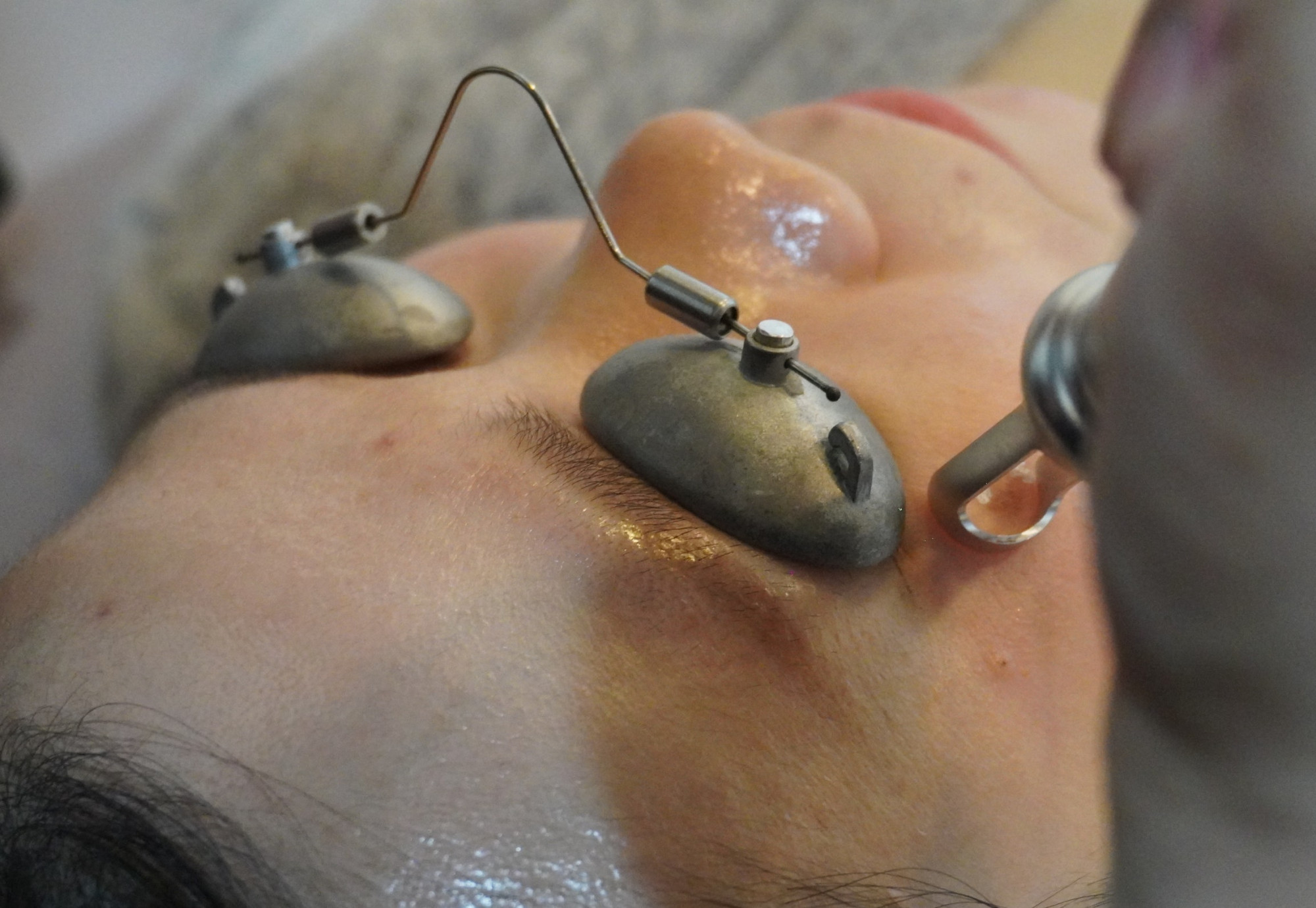
The REEPOT laser has built-in contact cooling that chills the treated area strongly and constricts the surrounding vessels, and it is structured to recognise the lesion and deliver high energy to that spot. It is undoubtedly a well-made device.
That said, the REEPOT laser is not the only answer. The principle of protecting the surrounding tissue with cooling while concentrating energy on the lesion can be put into practice with other combinations of equipment too.
How SKINIQUE Clinic approaches it
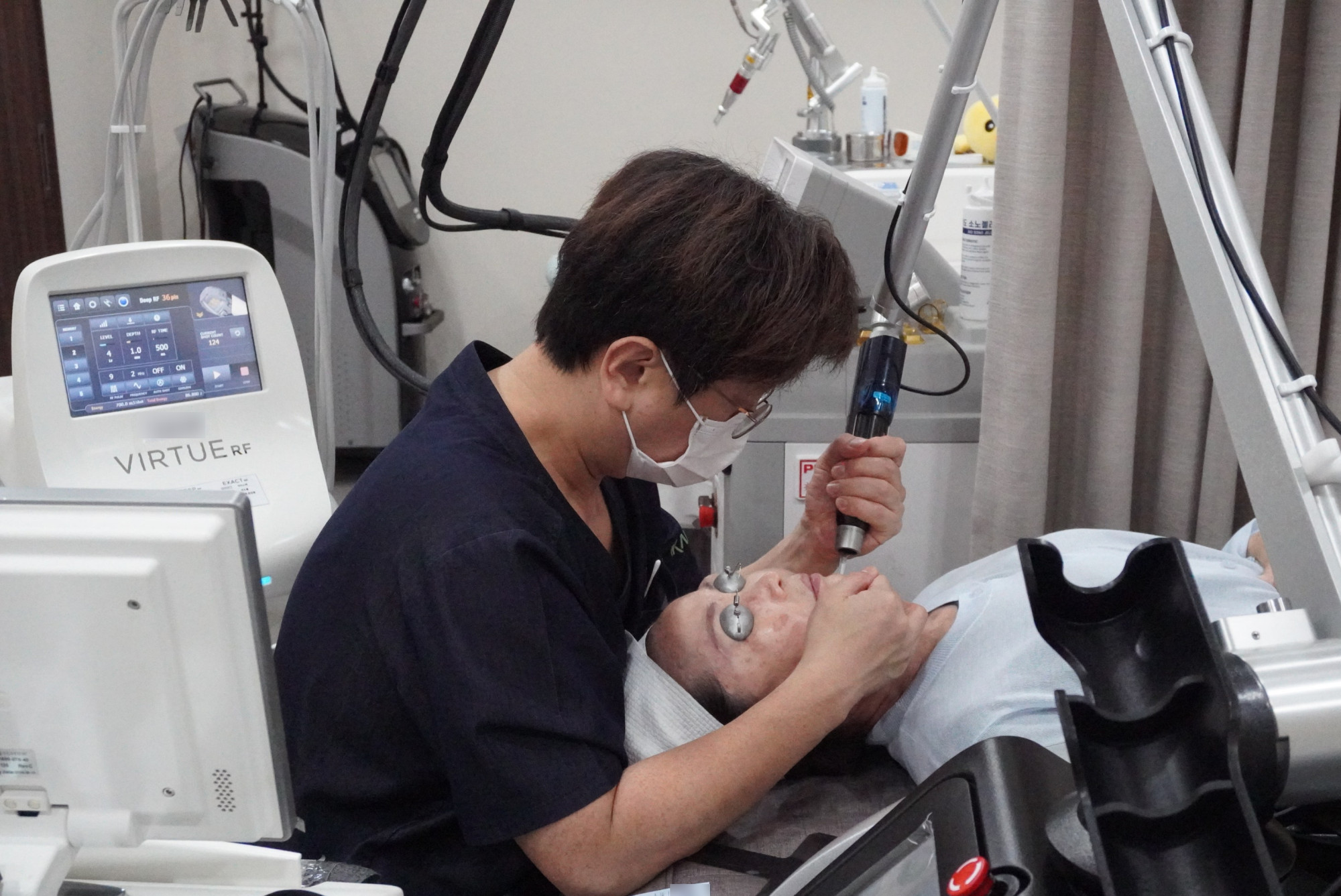
SKINIQUE Clinic treats solar lentigines by pairing a pico laser with cooling, targeting the melanin precisely while reducing stimulus to the surrounding tissue. Energy settings and depth are matched to each person's skin condition, the plan takes account of how the skin is likely to respond afterwards, and the chief director, now in his thirteenth year of practice, leads the treatment himself.
The performance of a device is only a starting point. In the end, what separates the results is the judgement of the person operating it.
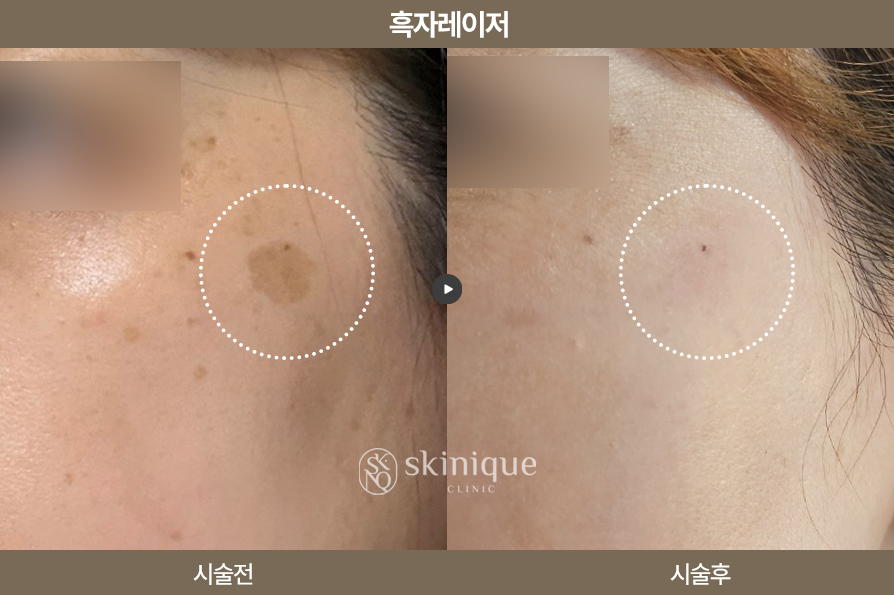
Wrapping Up
Solar lentigines are treated with pigment lasers that selectively break down melanin, and managing the risk of pigmentation through cooling and energy design matters more than whether a particular device is on hand. Of course the suitable method varies with the state of the lesion, and responses to treatment differ from person to person. Detailed pricing is available on the price guide, and if you would first like to find out whether your pigmentation is a solar lentigo at all, feel free to ask through a chat consultation on the treatment direction for your skin.
This article was written by Dr. Park Tae-hyung. He is the Chief Director of SKINIQUE Clinic and serves as Senior Director of the Korean Society for Laser Dermatology and Trichology. First published June 18, 2025 · Last reviewed August 23, 2026
This text is general medical information. Skin condition and response to treatment vary from person to person. Please decide whether and how to undergo treatment through an in-person consultation.