
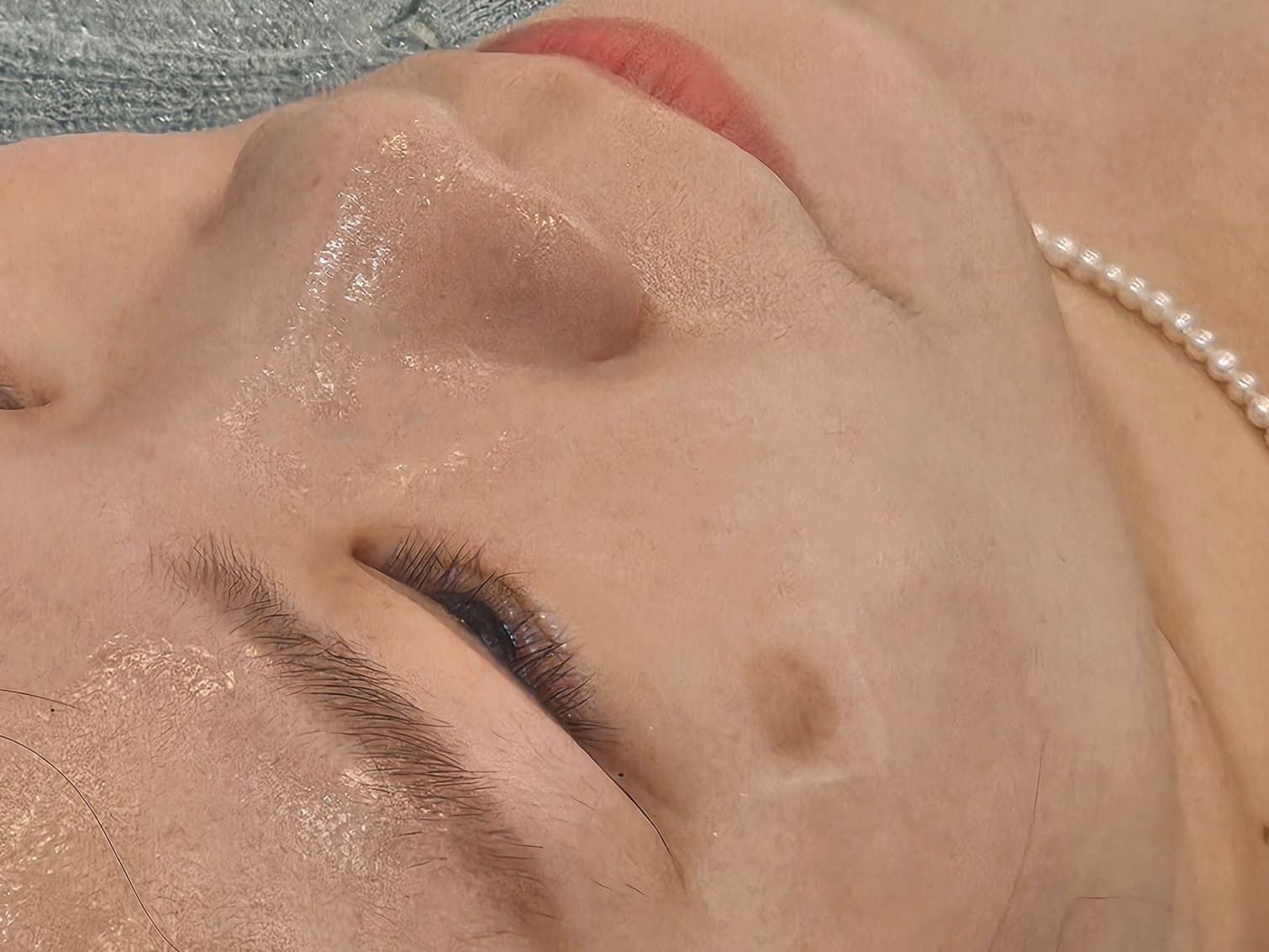
Many people end up reaching for concealer out of habit because of the dark brown spots, solar lentigines, that catch their eye every time they look in the mirror. Yet search for solar lentigo removal and every review and video seems to talk about one device: the Reepot laser. It is natural to wonder whether that particular machine is the only way to clear them. The short answer is no.

What kind of pigmented lesion is a solar lentigo?
A solar lentigo is a superficial pigmented lesion that forms when melanin gathers in one spot close to the surface of the skin. It is larger than a freckle and has relatively well-defined borders, so it is often difficult to cover with makeup. Because the pigment sits in the upper layers, laser treatment that selectively breaks down pigment is usually the first option considered for this type of lesion.
Why the Reepot laser became so well known
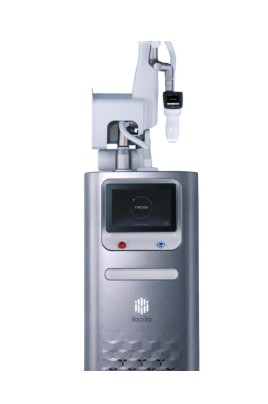
There are reasons the Reepot laser comes up so often in discussions of solar lentigo treatment. It shatters pigment particles with extremely short pulses measured in picoseconds, or trillionths of a second, which suits superficial pigment well and tends to involve a relatively short recovery period. Added to that is a cooling technology known as VSLS, which holds the skin at a steady, lowered temperature during the procedure. That makes it possible to deliver the energy required while easing discomfort and the burden on surrounding tissue.
The principle matters more than the brand
Here is the point worth pausing on. What clears a solar lentigo is not the name Reepot but the principle of destroying pigment with picosecond pulses. That principle is not the exclusive property of a single brand, so any verified device built on the same picosecond technology can treat through the same mechanism. Cooling works the same way: each device takes its own approach, and if other means of protecting the skin are in place, no single method is the only correct one.
To put it another way, what decides how good grilled pork belly tastes is not the label on the pan but the heat control and the skill of the person cooking. What shapes the outcome of laser treatment is the choice of wavelength and output, together with the experience of the practitioner who identifies the lesion and adjusts the energy.
How SKINIQUE Clinic approaches solar lentigo treatment
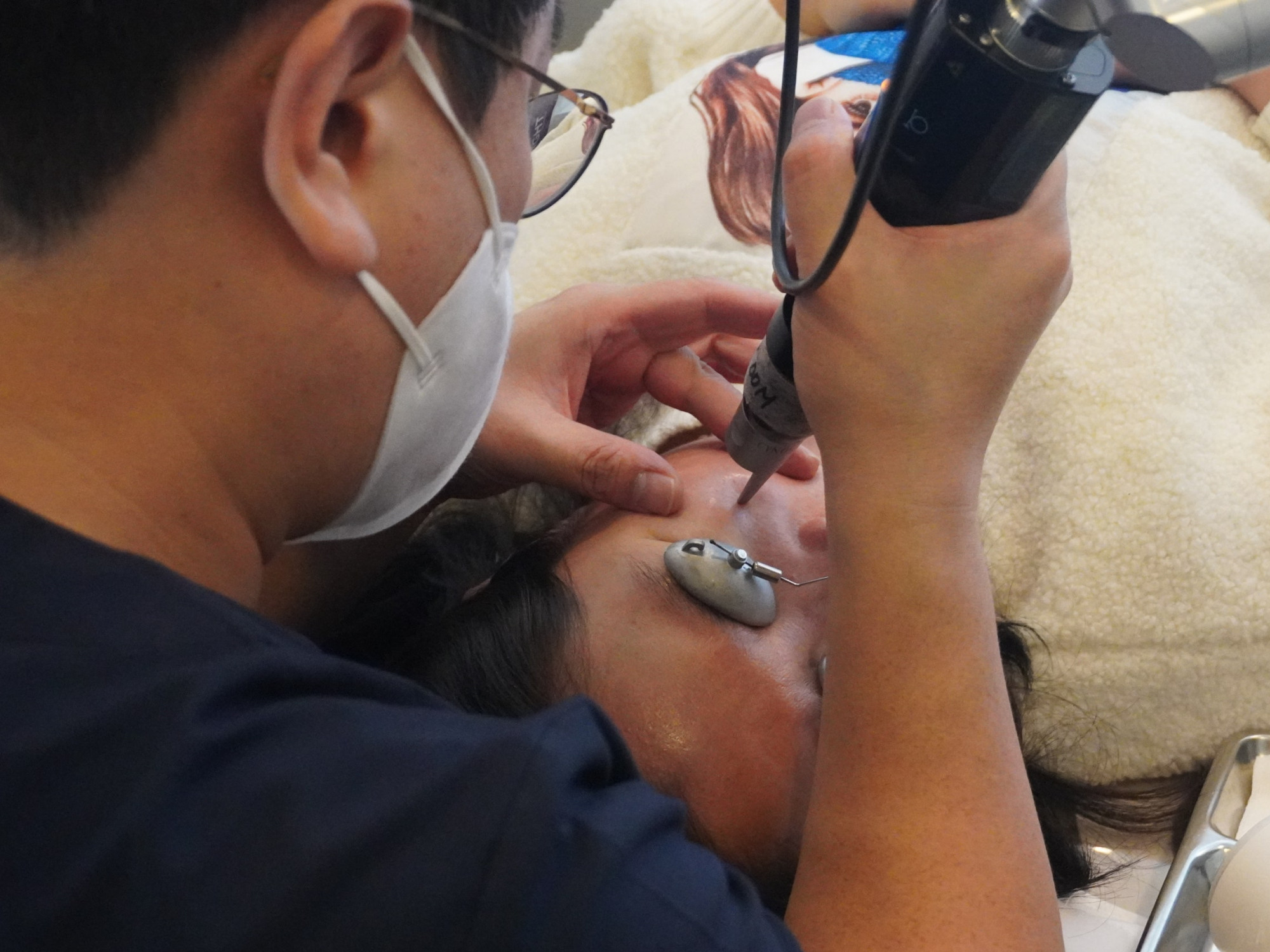
This is why SKINIQUE Clinic does not insist on one particular brand of device. Our direction is to use picosecond lasers verified on the same principle, add the know-how built up through treating pigmented lesions, and keep the cost reasonable. Detailed pricing is available on the pricing guide.
From a few small spots to lentigines spread across a wide area, the number of sessions and the approach change with the size and depth of the lesion. Examining the lesion in person during consultation and then deciding on the device and its settings matters far more than the brand name.
Wrapping Up
What guides the outcome of solar lentigo removal is not the brand of device but the principle of picosecond pigment destruction and the experience of the medical team using it. If the name Reepot has been holding you back, it helps to remember that other options work on the same principle. If you would like to know which approach suits your own spots, feel free to ask through a chat consultation about the right direction for your lentigines.
This article was written by Dr. Park Tae-hyung, Chief Director. He is the chief director of SKINIQUE Clinic and serves as academic director of the Korean Society of Laser Dermatology and Trichology. First published April 3, 2026 · Last reviewed August 23, 2026
This article is general medical information. Skin condition and response to treatment vary from person to person. Whether to undergo treatment, and by which method, should be decided through an in-person consultation.