

Once you start looking into lifting treatments, names such as Ultherapy, Thermage, Shurink, and InMode come at you all at once, and the choice only gets harder. This article first sets out the difference between ultrasound lifting and radiofrequency lifting, then looks at what Potenza Dia — which uses monopolar and bipolar RF together — actually is, and how a combined design with Ultherapy is put together.
Ultrasound lifting and RF lifting: what sets them apart

Non-surgical lifting in dermatology broadly divides into two streams. The ultrasound approach — Ultherapy being the representative device — delivers high-intensity focused ultrasound (HIFU) to the SMAS layer, the underlying source of sagging, and works by drawing the tissue up from a deep layer, which gives it a strength in dealing with slackened lines such as deep cheek fat or a double chin. The radiofrequency approach — Thermage being the representative device — delivers heat to the dermis, where firmness and moisture reside, to stimulate the recovery of damaged tissue and the synthesis of collagen; its focus lies more on overall skin resilience and longer-term dermal remodeling. Because the target layer and the mechanism differ, choosing the one that matches your own skin condition is what shapes the result.
Potenza Dia: monopolar and bipolar in a single device
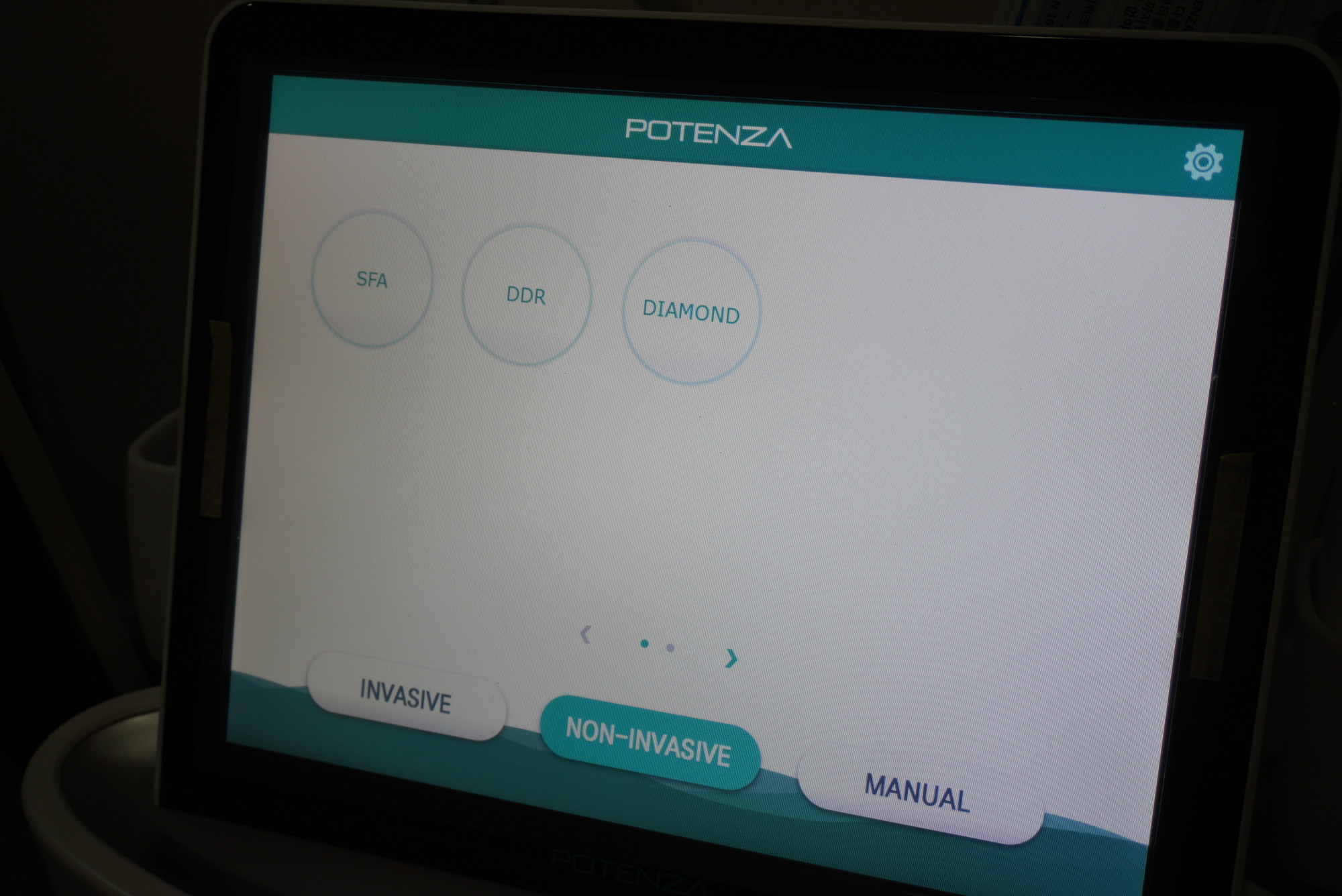
Potenza Dia is an RF lifting treatment introduced by Jeisys Medical in 2021. Unlike earlier devices that rely on bipolar energy alone, it alternates between monopolar energy, which goes in deep and strong, and bipolar energy, which spreads out laterally. That lets it address firmness at both the surface and the deeper layers of the skin, and it can be expected to stimulate collagen production across a deeper and wider range. The relatively modest discomfort during the session is also counted among its advantages, which makes it worth considering for anyone who has held back from RF lifting out of concern about pain.
When ultrasound and RF are used together
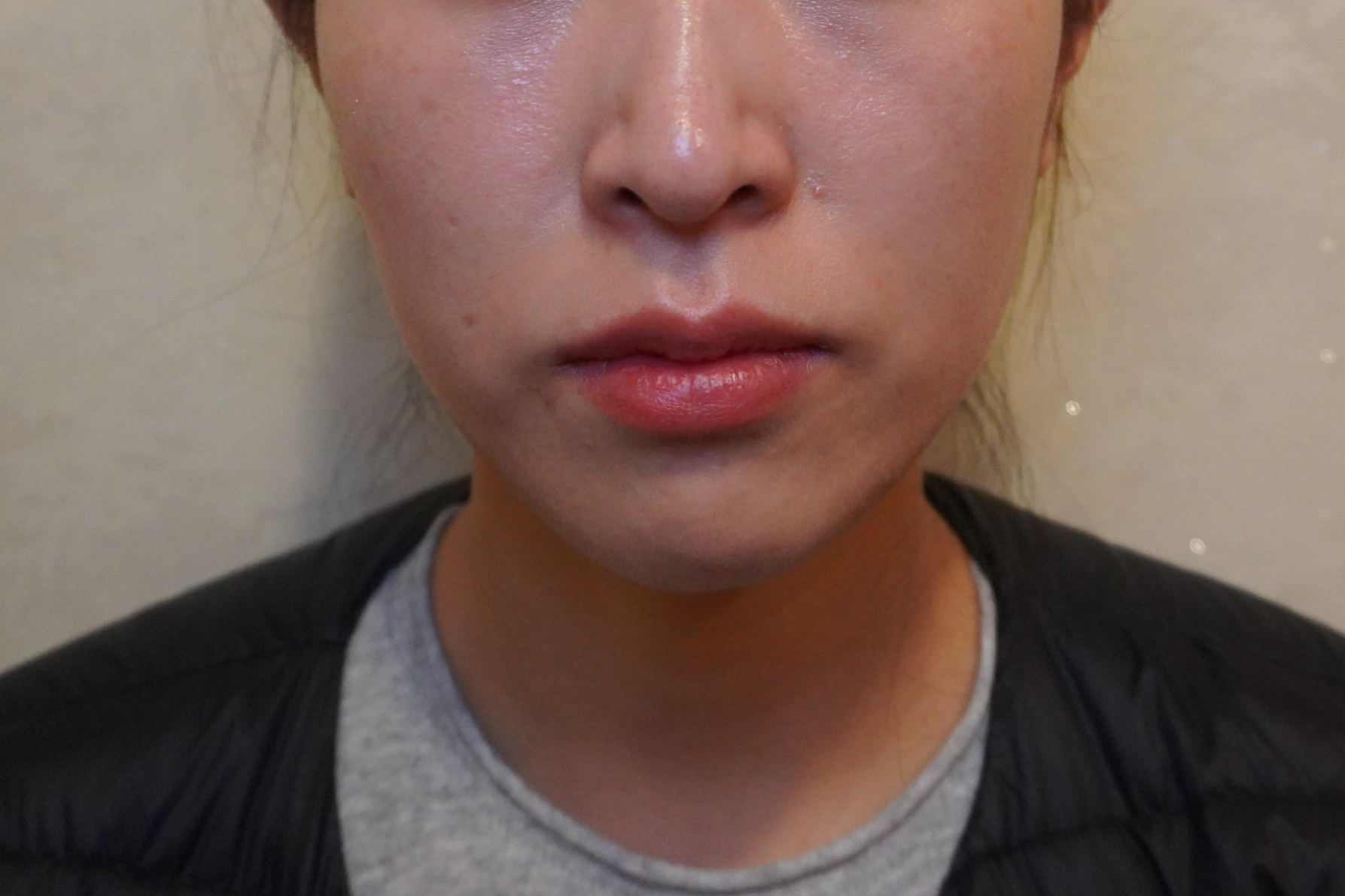
Because HIFU ultrasound comes with a reduction in the fat layer, RF is usually suggested first for those with little facial fat. That said, if you want both improved contours and overall firmness, the two lifting methods can be carried out in a single visit by dividing the energy across different areas. The sequence below is based on a combined design of 500 shots of Potenza DDR, 500 shots of DIA, and an added 200 shots of Ultherapy.
The session, from preparation to the DDR and DIA tips
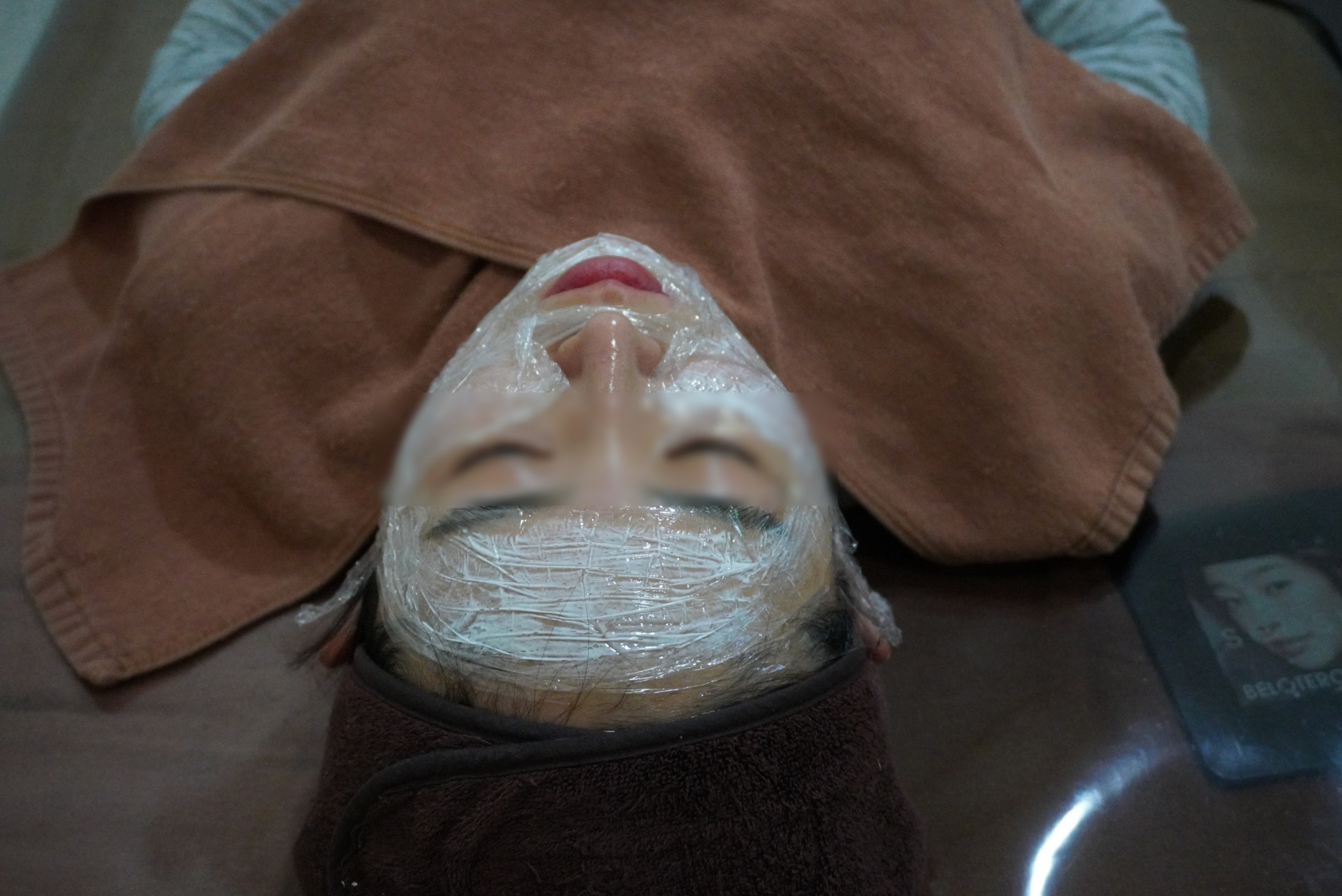
In a combined session, Potenza Dia comes first and Ultherapy afterwards, with numbing cream applied before starting. When Dia is done on its own, the burden of discomfort, swelling, and marking is smaller, so it is sometimes carried out without numbing cream.
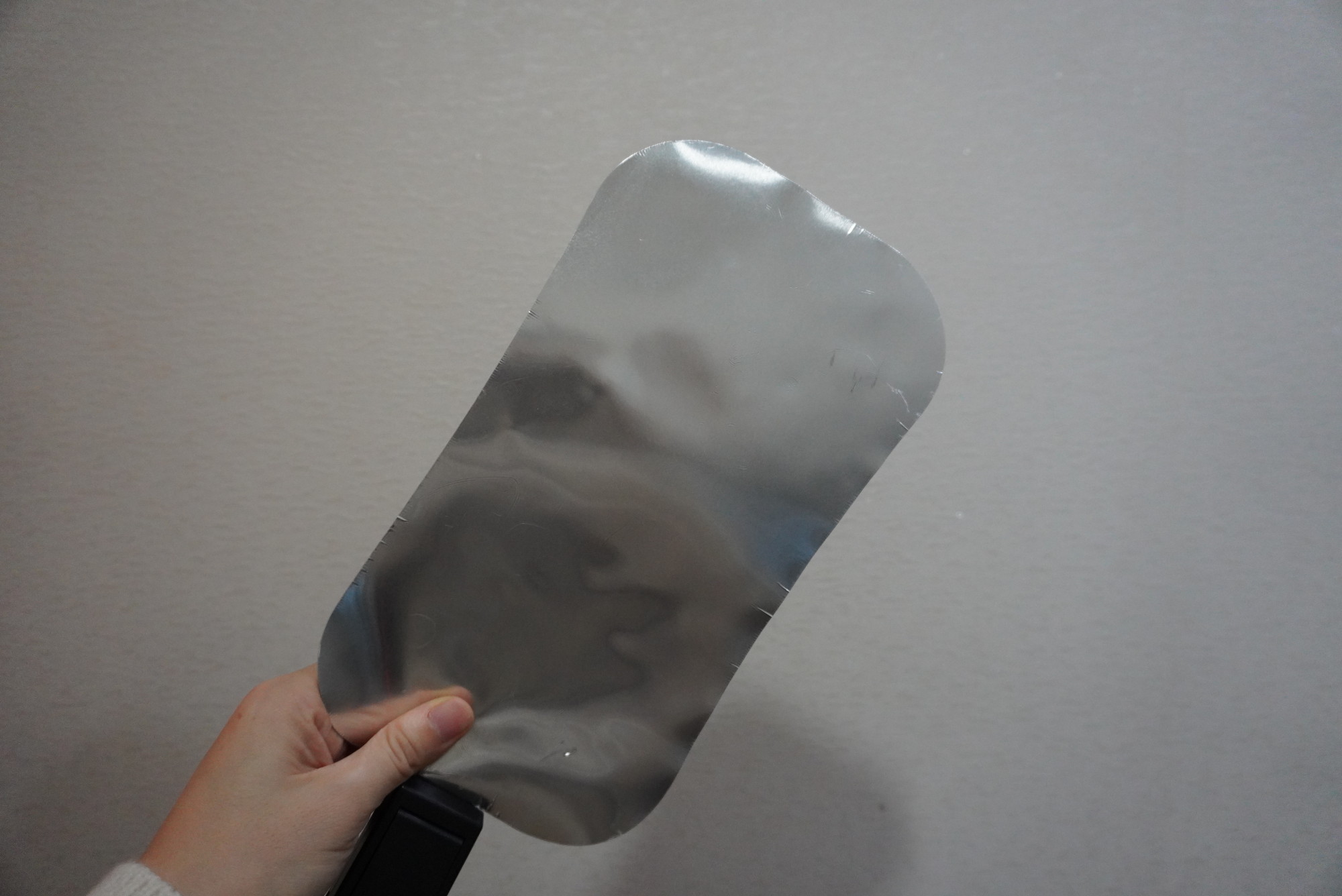
Before the session, we check that no metal jewelry is being worn and attach a grounding pad to the back. This step is essential for the safe use of monopolar RF. Two kinds of tips are used in a Dia session: DDR is a bipolar tip that drives energy deep, while DIA adds monopolar to bipolar so that depth and breadth are covered at once.
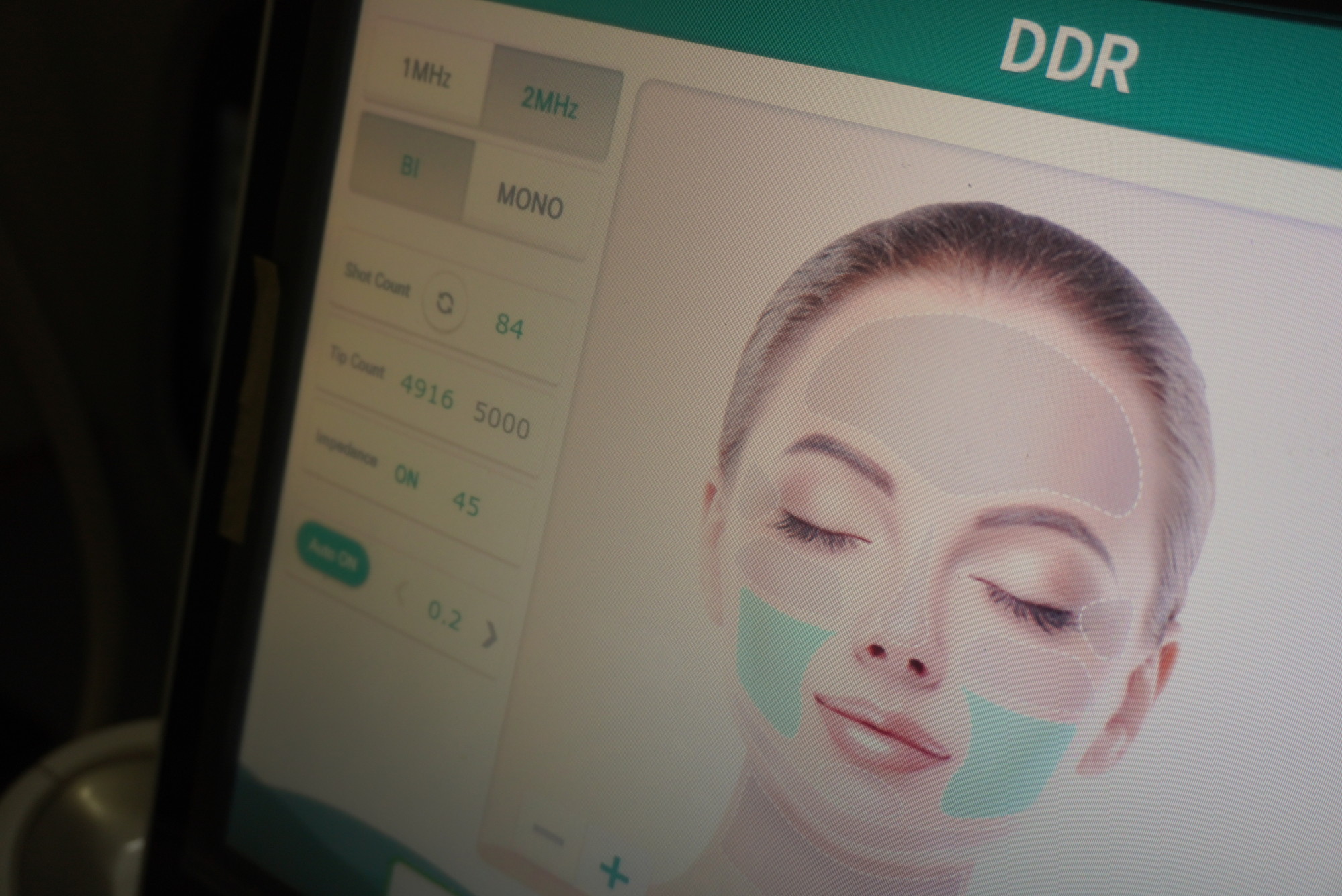
The 500 shots with the DDR tip come first. The broad face of the tip is placed against the skin and moved with a gentle gliding motion as the energy is delivered.
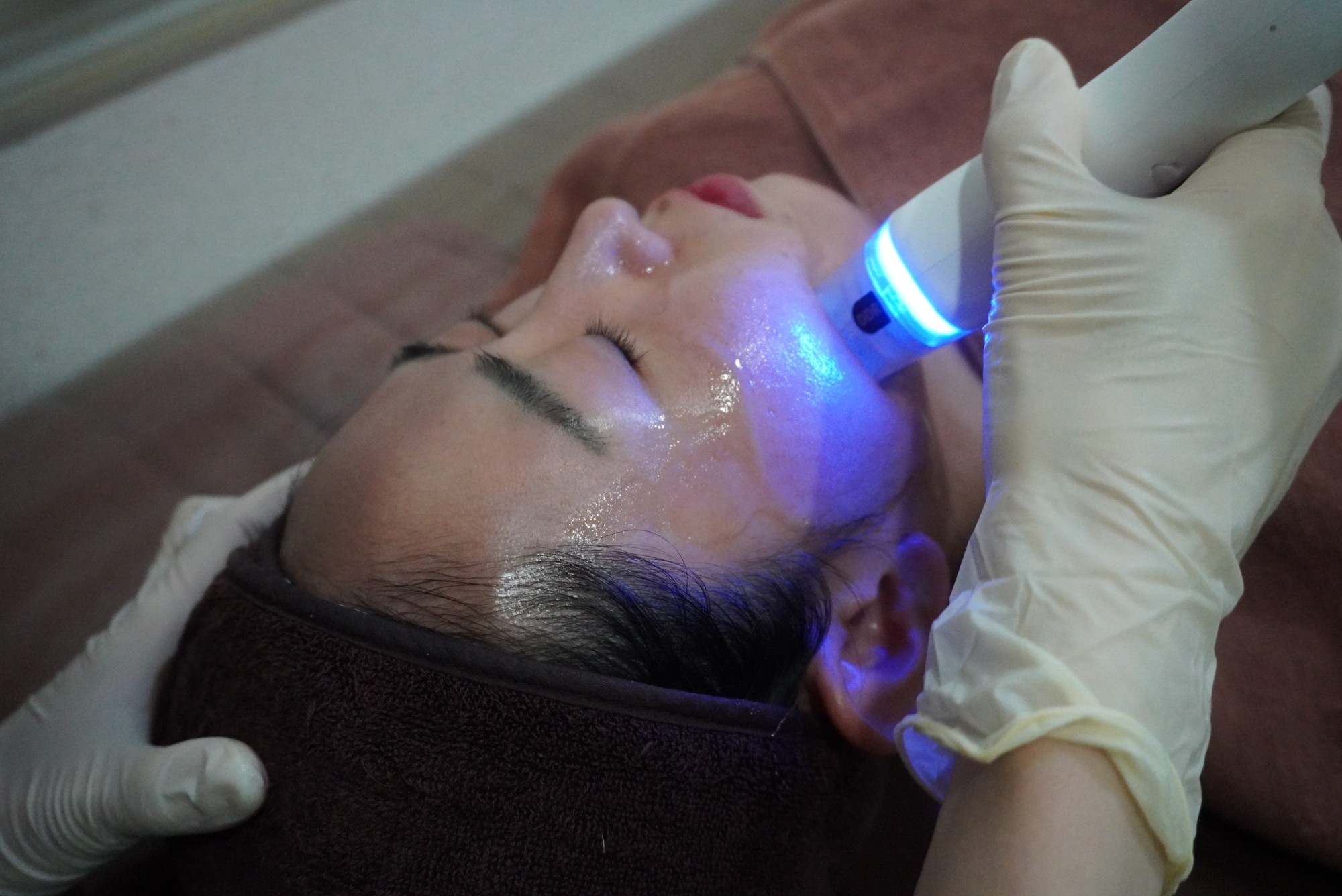
DDR energy is normally concentrated on the lower part of the face, but for someone hoping to improve the nasolabial folds, the distribution is adjusted — for instance by increasing the share of shots on the upper cheek. This is the point at which the same shot count can mean quite different things depending on where and how it is used.
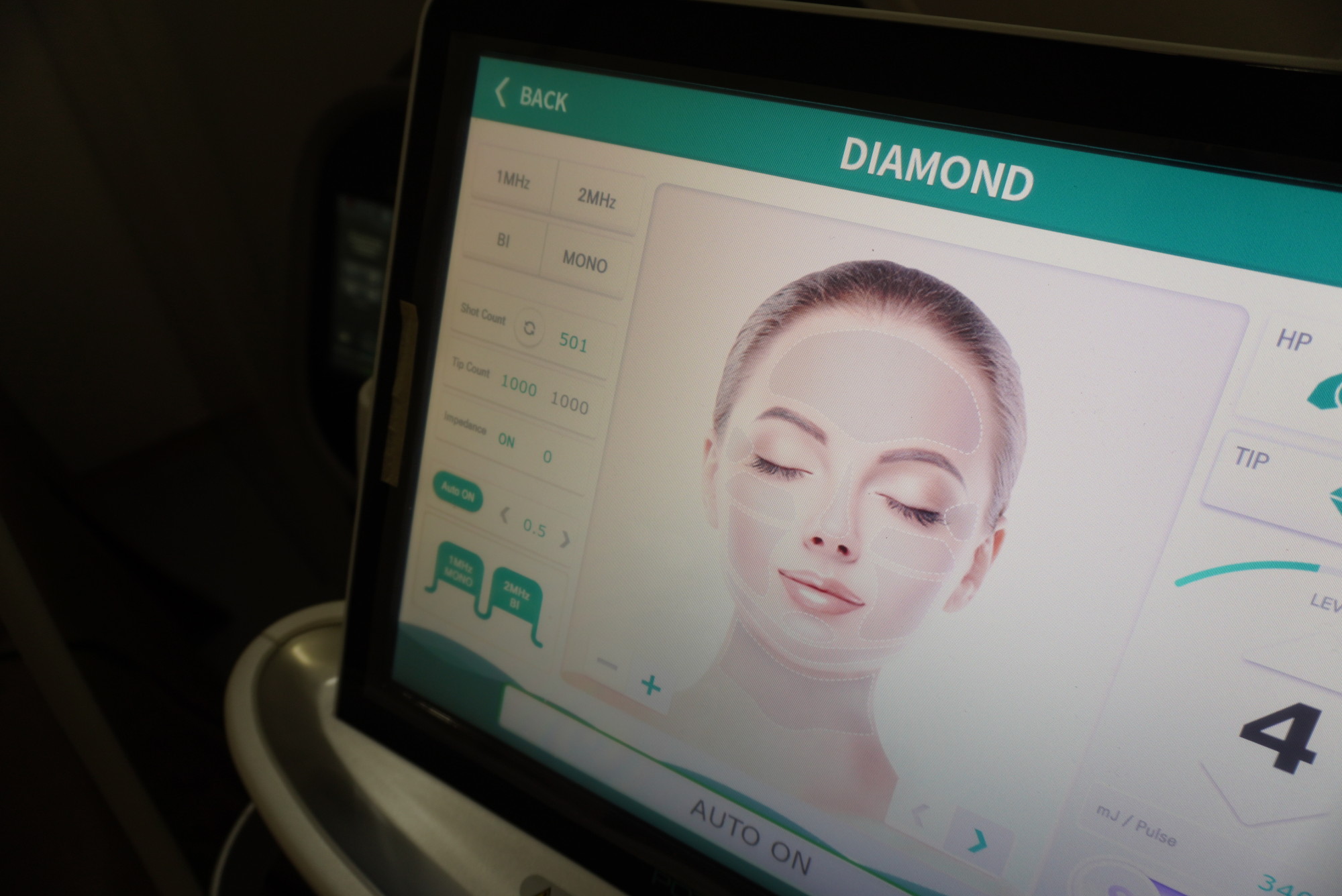
Once DDR is finished, the tip is changed to DIA. Unlike DDR, which moves in a gliding motion, DIA depends on close contact with the skin, so it is pressed down steadily and delivered area by area.
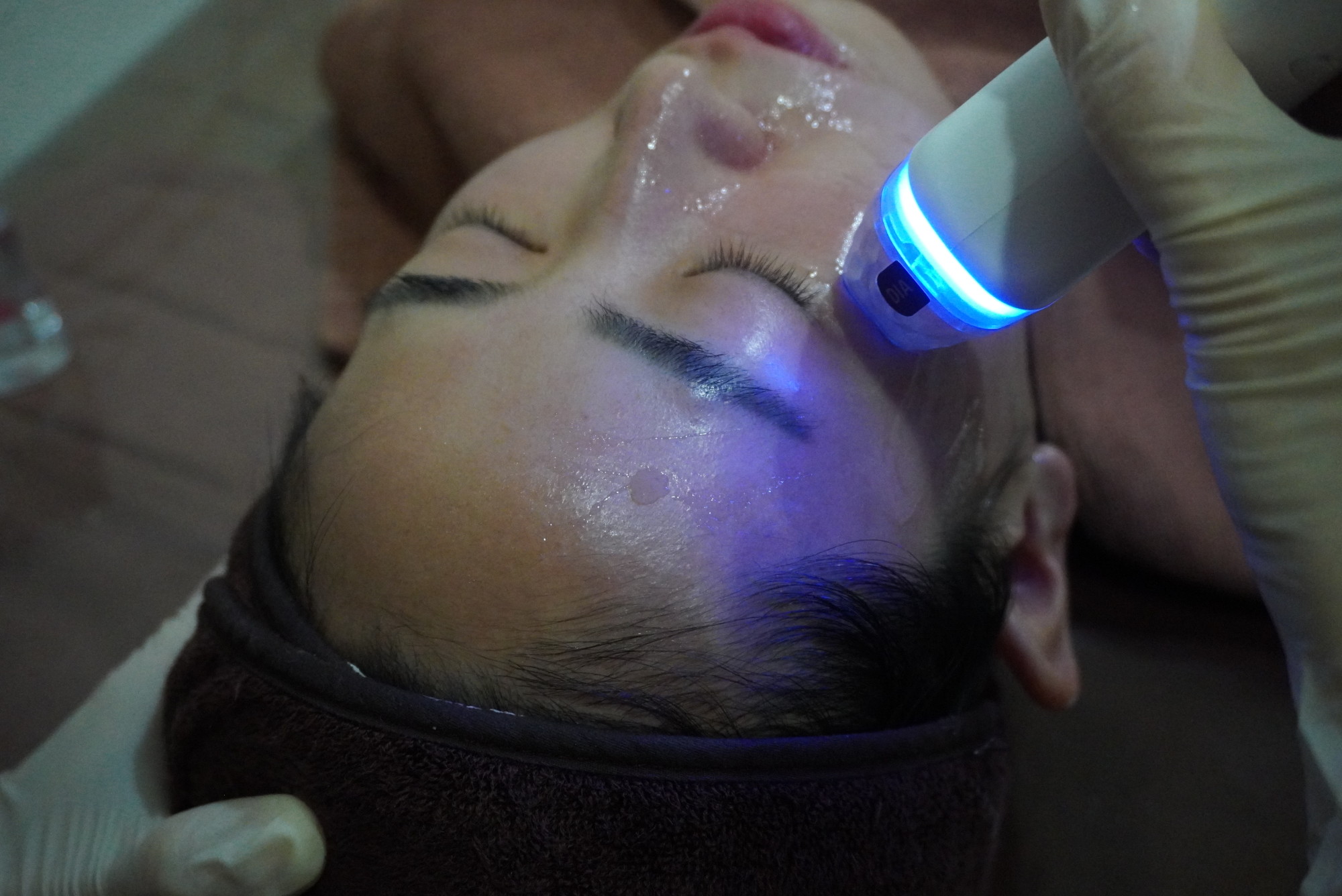
The energy driven deep by DDR's bipolar delivery is then spread out again, deeply and widely, by DIA — a structure from which one can expect collagen stimulation that spans both surface and depth, from the firmness of thin areas such as under the eyes to firmness in the deeper layers.
Reaching the deeper layers with Ultherapy
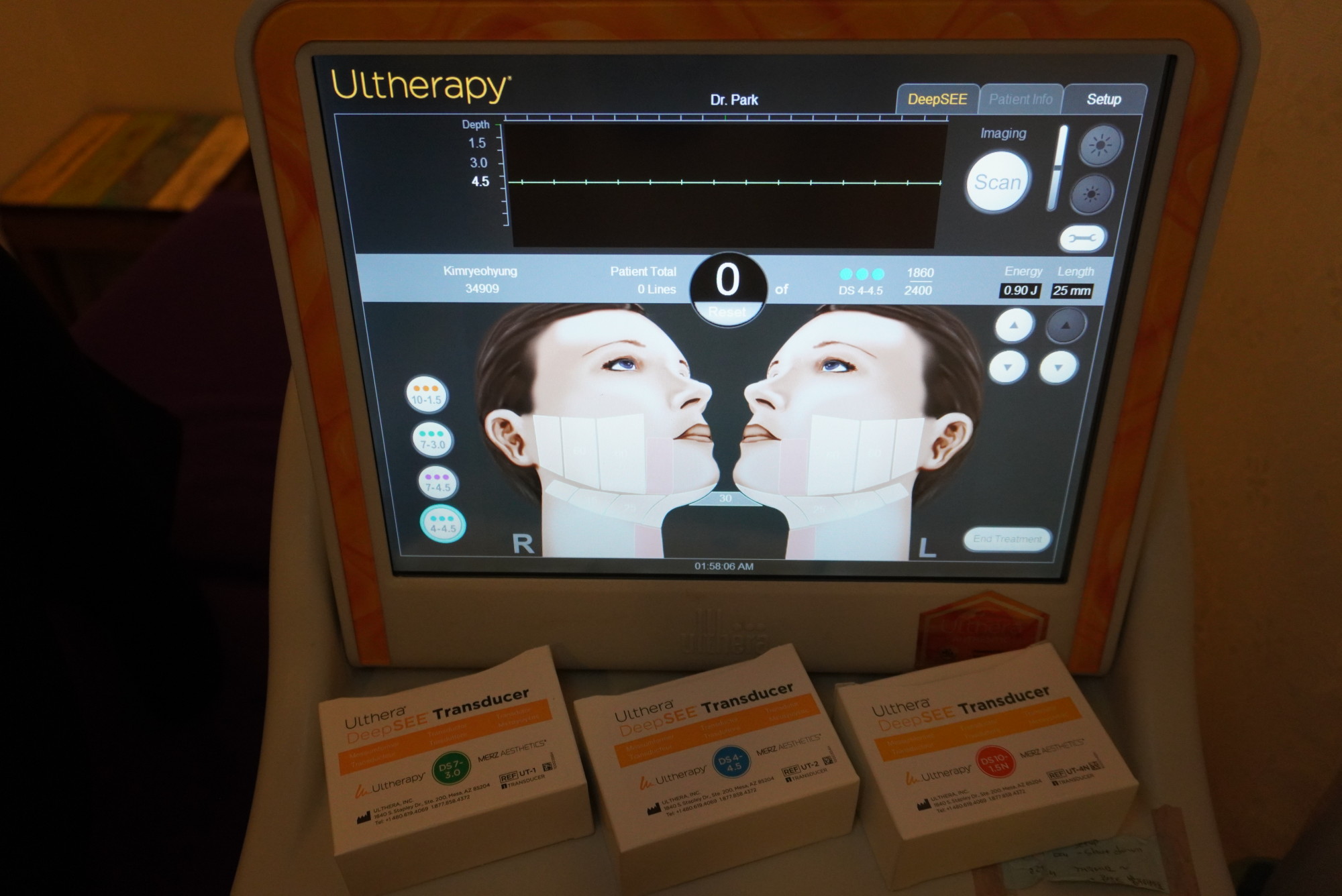
After Dia comes Ultherapy. It focuses ultrasound energy down to the SMAS layer to contract the tissue, producing a pull from a deeper level. Achieving the intended result while limiting side effects hinges on arranging tips of differing depths to match each person's facial conditions.
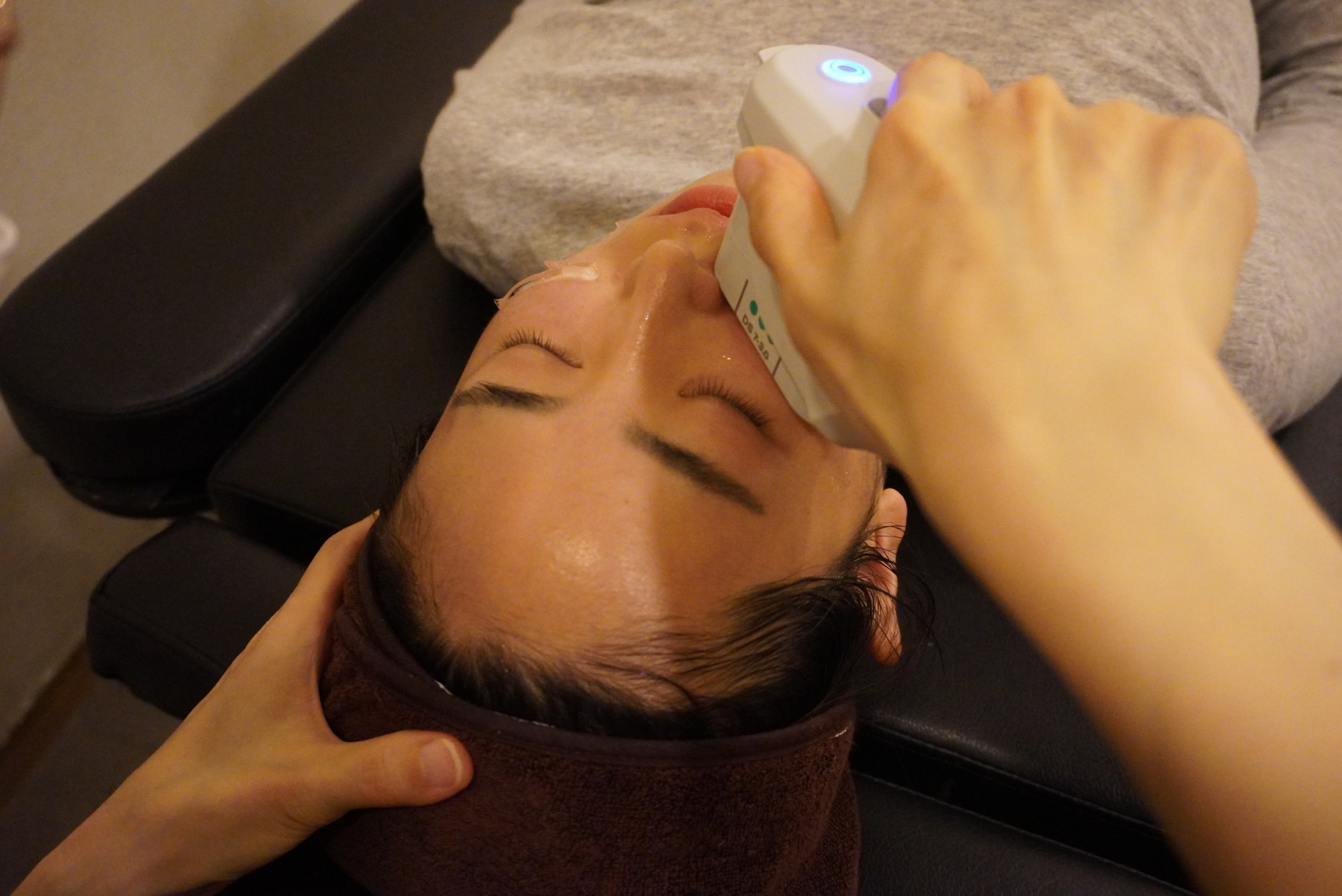
For someone with little facial fat and thin skin, the plan follows those conditions; for someone whose concern is the nasolabial area and an uneven contour, it follows that area. What is established in the pre-treatment consultation carries straight through into shot distribution and tip selection. Ultherapy is easy to compare on shot count alone, but what actually decides satisfaction is a design that reflects your own skin characteristics and the improvement you are aiming for.
Reviewing progress and tailoring the design
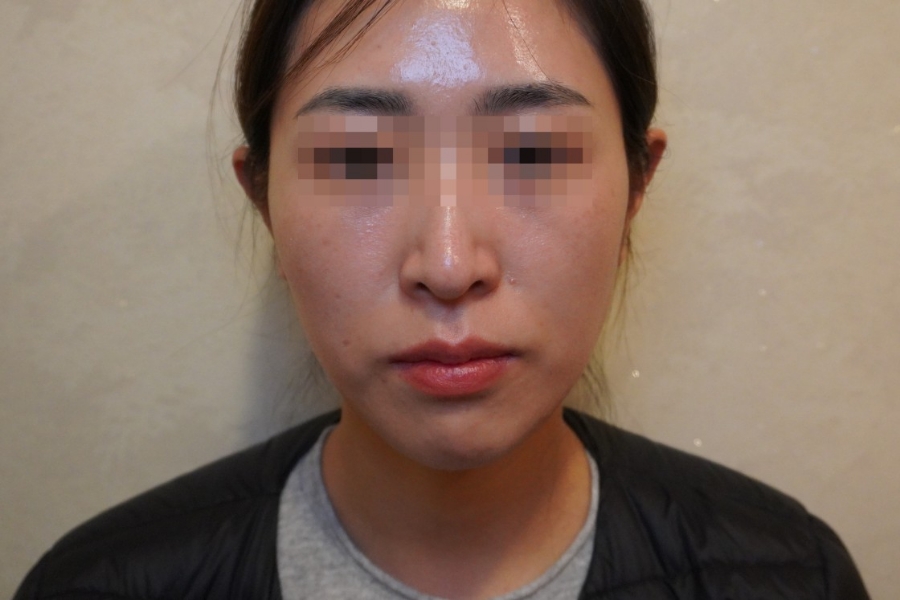
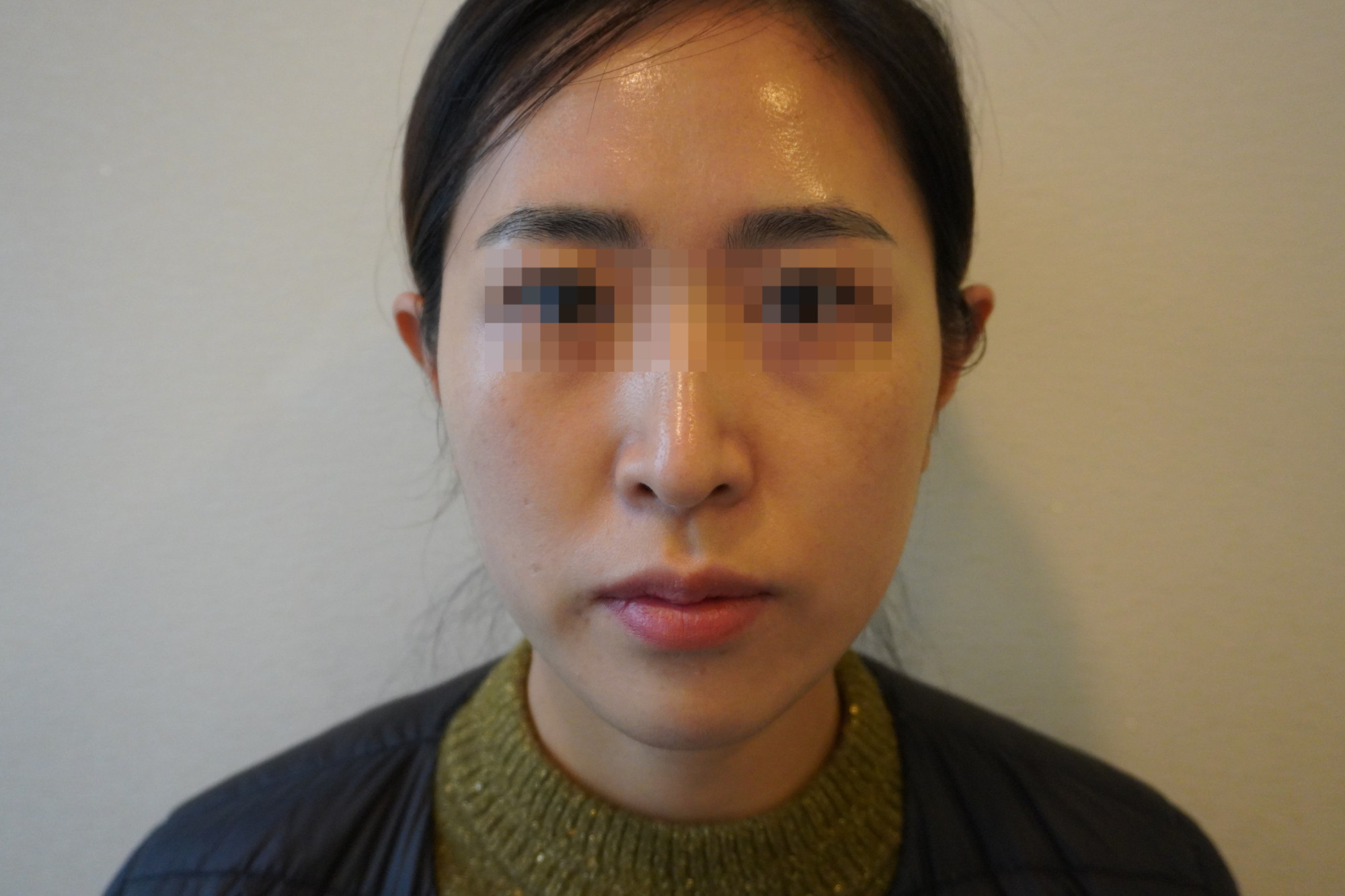
About two weeks after a combined lifting session, changes in contour, firmness, and skin texture are reviewed, though the degree and pace of change vary from person to person. Rather than an either-or view — that a slim face must avoid ultrasound lifting altogether, or that only one particular device will do — the far more important approach is to assess what your own face lacks and design around it.

Detailed costs can be found in the pricing guide.
Wrapping Up
The starting point for choosing a lifting treatment is not a device name but the condition of your skin. If sagging in the deeper layers is the issue, ultrasound; if dermal firmness is the issue, radiofrequency; if both, a combined design distributing Potenza Dia and Ultherapy across different areas — the options are open. If you are wondering which combination suits your face, feel free to ask through a chat consultation about the lifting for your skin.
This article was written by Dr. Park Tae-hyung, Chief Director. He is the chief director of SKINIQUE Clinic and serves as an academic director of the Korean Society for Laser Dermatology and Trichology. First published December 27, 2021 · Last reviewed August 24, 2026
This article is general medical information, and skin condition and response to treatment can vary from person to person. Whether to undergo treatment, and by which method, should be decided through an in-person consultation.