
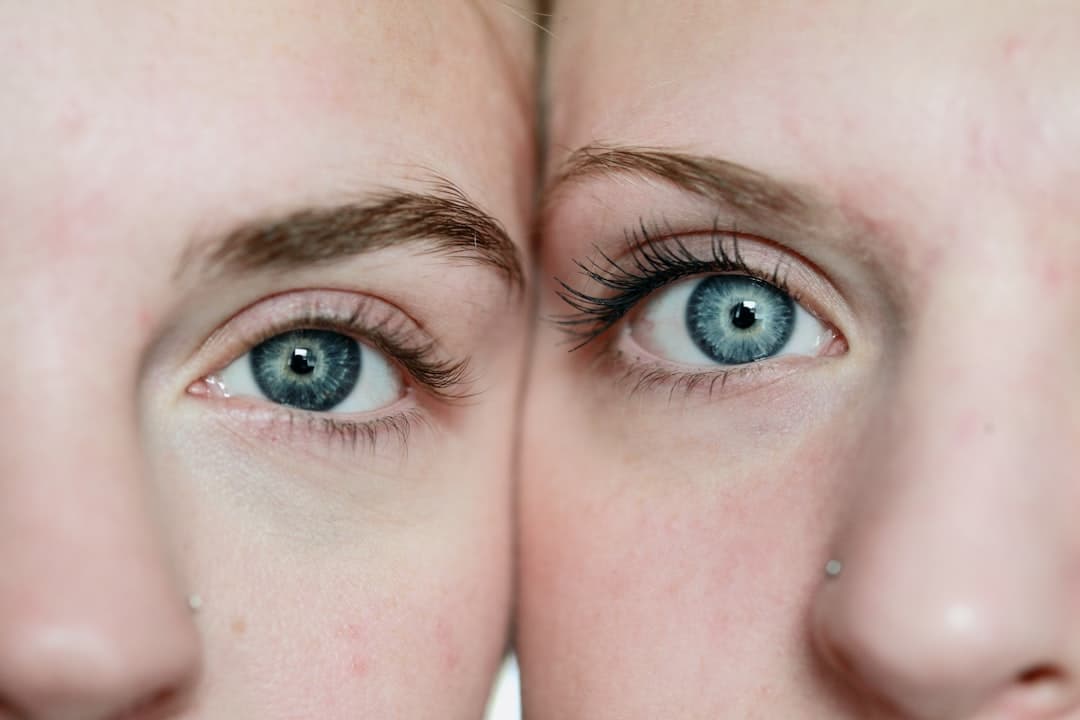
You have tried the eye creams and the patches, and then one day you notice in a photo that the fine lines around your eyes are still exactly where they were. The skin around the eyes is the thinnest on the face, so it is where the signs of ageing tend to show first, and there usually comes a point where home care alone stops being enough. This article looks at why lines form under and around the eyes, and at the roles played by the two procedures most often used for them: Rejuran I (eye) and eye-area Botox.
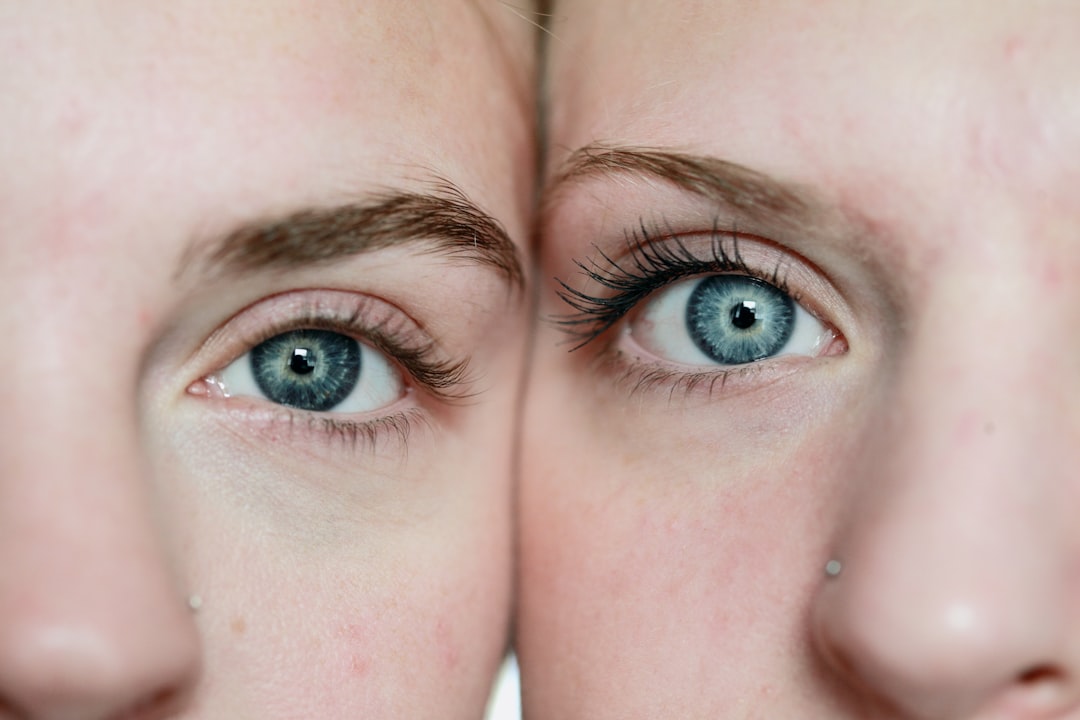
Why lines form around the eyes
Crow's feet and under-eye lines generally come from two directions. One is the repeated movement of the facial muscles every time you smile or squint. The other is the loss of skin elasticity that follows the gradual decline of collagen and elastin with age. The skin folds more and more often, while the resilience that would smooth those folds back out keeps decreasing, so the fine lines settle in.
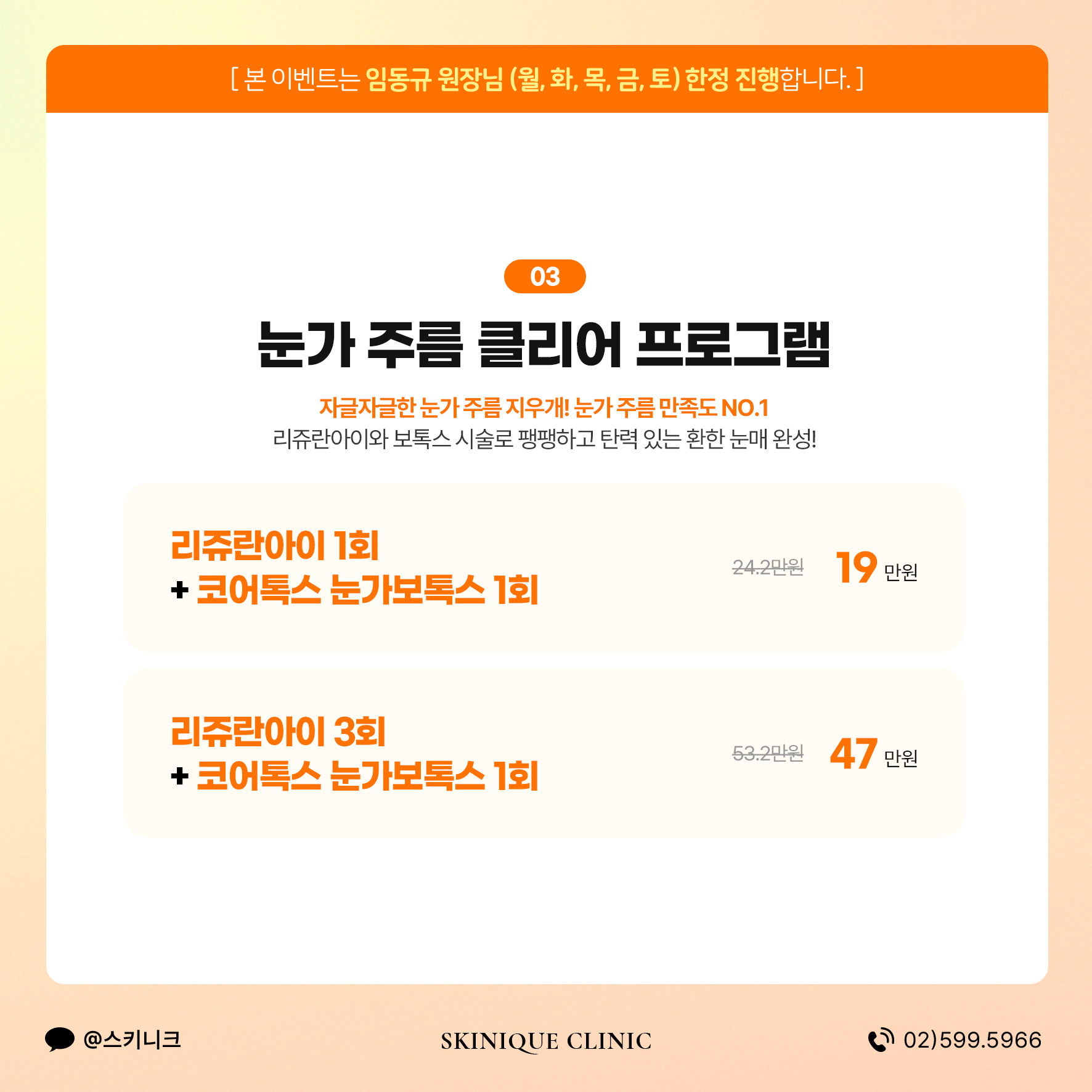
If there are two causes, there need to be two approaches. Excessive muscle movement is managed with Botox, while the skin's own elasticity and regenerative capacity are supported with Rejuran I. Combining the two addresses both the folding force and the resisting force at the same time, which in many cases works more favourably for the eye area than either procedure alone. Of course, the right combination depends on the shape of the lines and the condition of the skin, and results vary from person to person.
Rejuran I, a hand-injected treatment made for the eye area
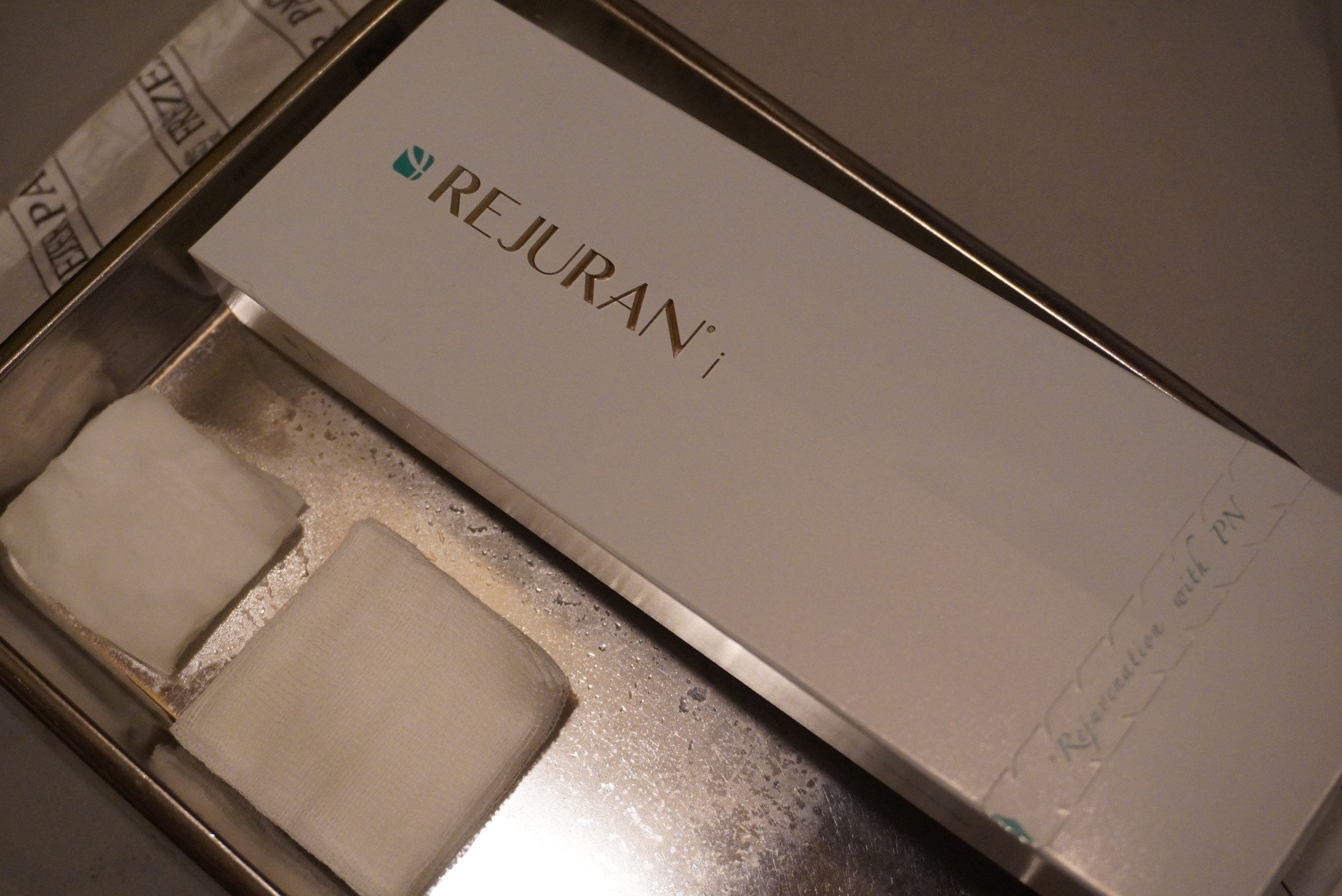
Rejuran I uses the Rejuran product formulated specifically for the eye area, and at Skinique Clinic the treatment is based on 1cc of the eye-dedicated product. Before starting, a new vial is opened in front of the patient and the expiry date is confirmed on the spot.
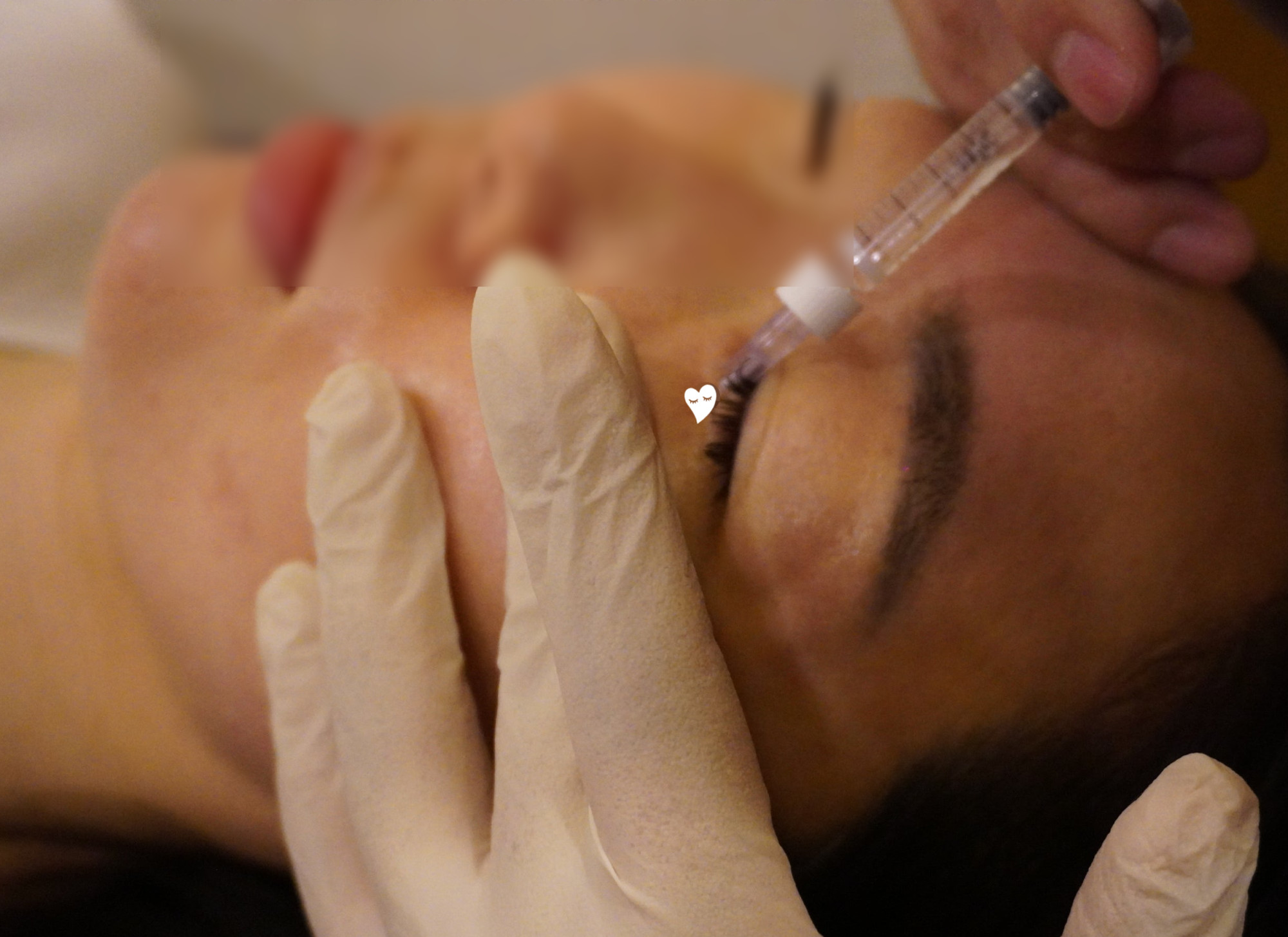
The product is injected by hand rather than by machine. The advantage of hand injection is that the concerns identified during the consultation can be reflected directly: the injector can begin under the eye, work outward to the corners, and extend to the upper eyelid area if needed, adjusting the coverage carefully as they go. Some swelling at the injection sites is common straight after the procedure, and it usually settles within two to three days.
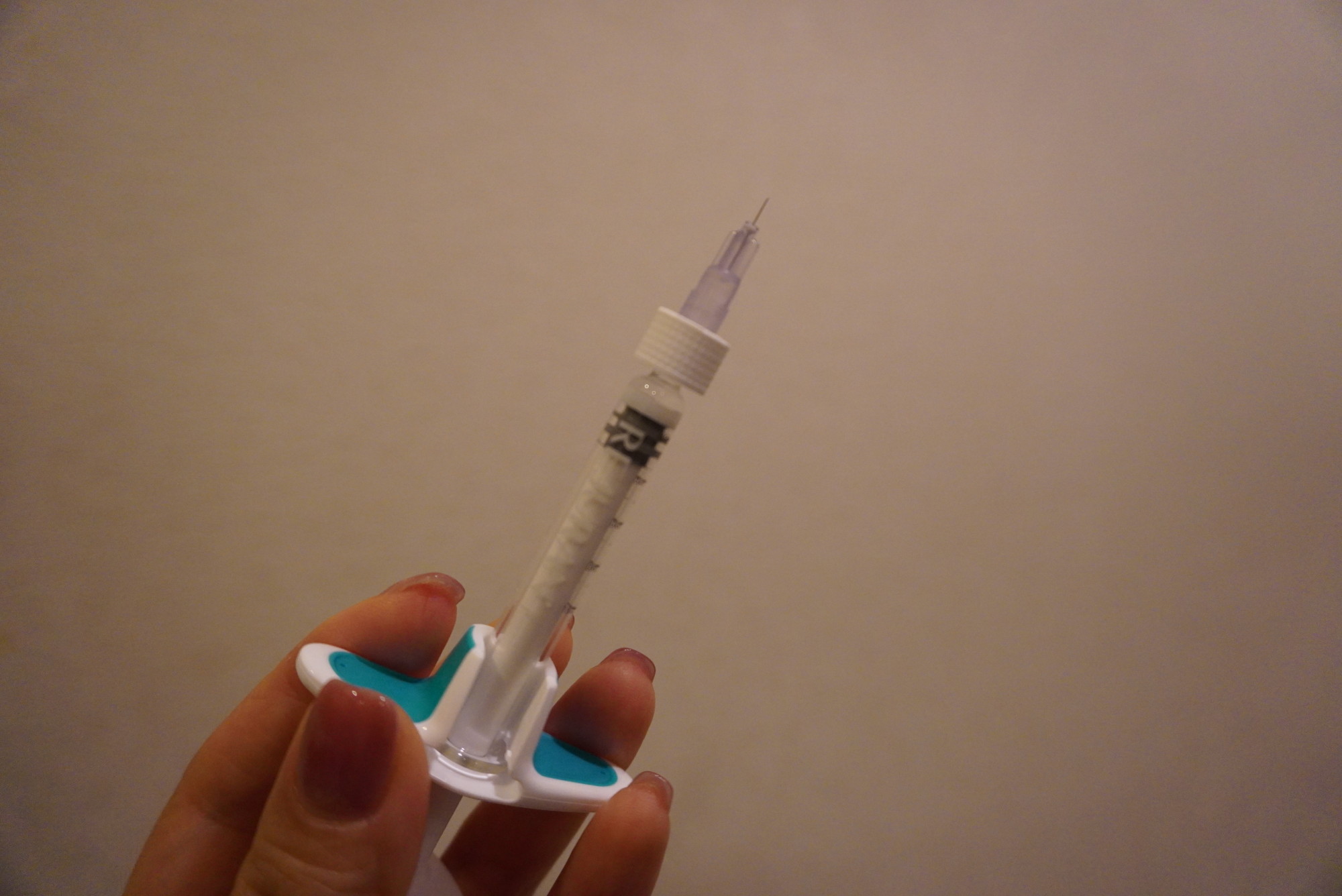
Because a full 1cc of PN (polynucleotide) is concentrated in the eye area alone, changes such as softening of under-eye hollowing or dark circles may be seen alongside improvement in skin texture. As with any treatment that works by prompting the skin to regenerate, changes tend to accumulate over several sessions spaced apart rather than after a single visit.
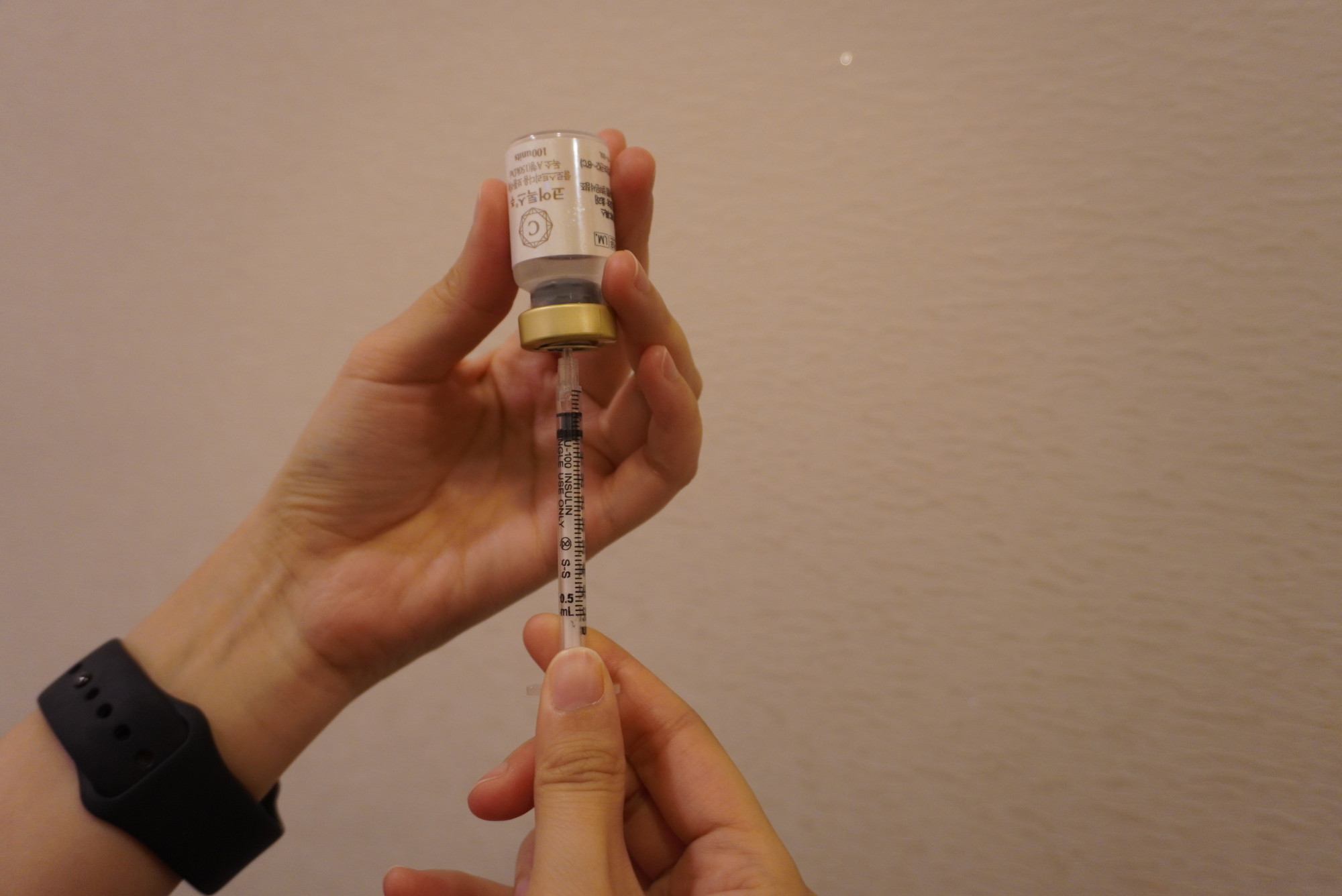
Eye-area Botox, and why Coretox is used
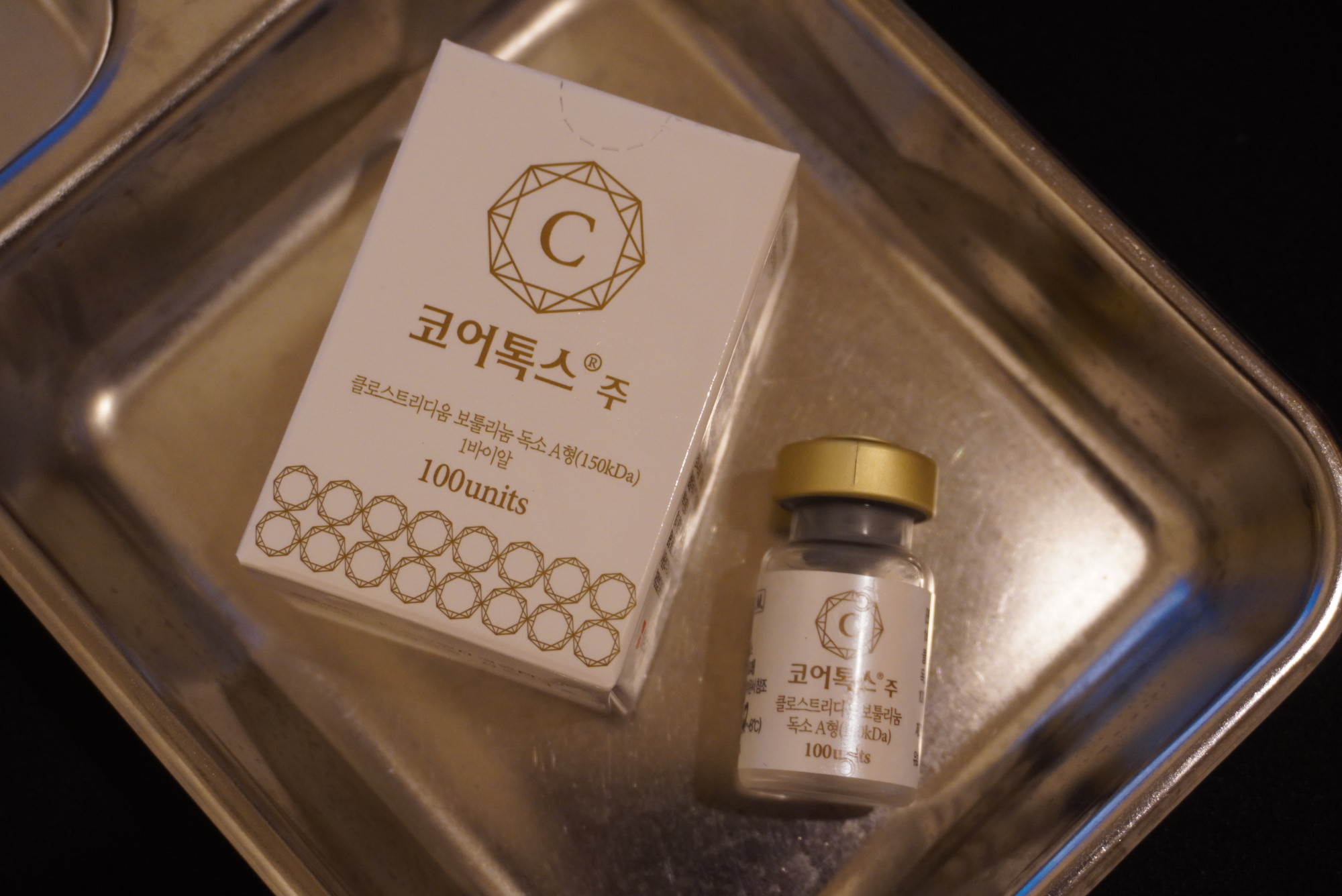
What Rejuran I alone cannot address is expression lines. That is where eye-area Botox comes in, and Skinique Clinic uses products such as Coretox or Xeomin, which are formulated to reduce the complexing proteins associated with resistance. Because Botox is a treatment that assumes repeat sessions, choosing a formulation with a lower likelihood of resistance matters over the long term.
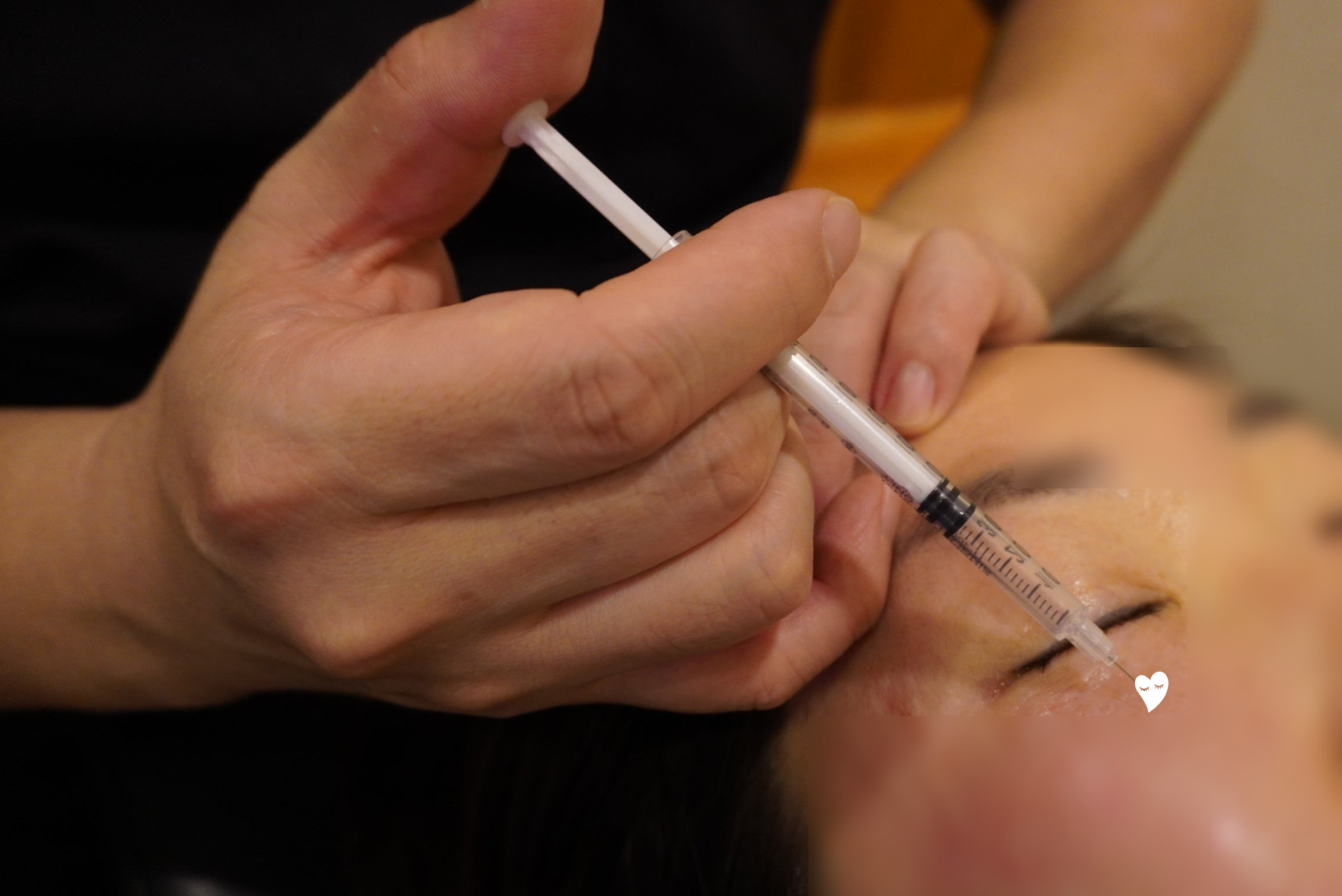
The injection area also shapes the outcome. It is common for treatment to stop at a few points beside the outer corner of the eye, the classic crow's feet, but in most cases the concern extends below the eye as well. Skinique Clinic divides an appropriate dose across both the outer corners and the under-eye area, aiming for a natural look rather than an over-treated one. Under-eye Botox is a demanding area, where even a small deviation in dose or placement can leave the expression looking unnatural, so we recommend proceeding only after a consultation with an experienced medical team.
Wrapping Up
Lines around the eyes arise where repeated muscle movement and reduced elasticity overlap, so the key is combining Botox and Rejuran I according to the condition of your skin. That said, the shape of the lines and the state of the skin differ from person to person, so the suitable procedures and number of sessions should be decided through a consultation. Detailed costs are available on the price guide, and if you would like to know which combination suits your eye area, please use Ask about the right approach for your eye area via chat.
This article was written by Dr. Park Tae-hyung, Chief Director. He is the Chief Director of Skinique Clinic and serves as Senior Director of the Korean Society for Laser Dermatology and Trichology.
First published 24 May 2024 · Last reviewed 23 August 2026
This text is general medical information. Skin condition and response to treatment vary between individuals. Whether and how to be treated should be decided through a medical consultation.