
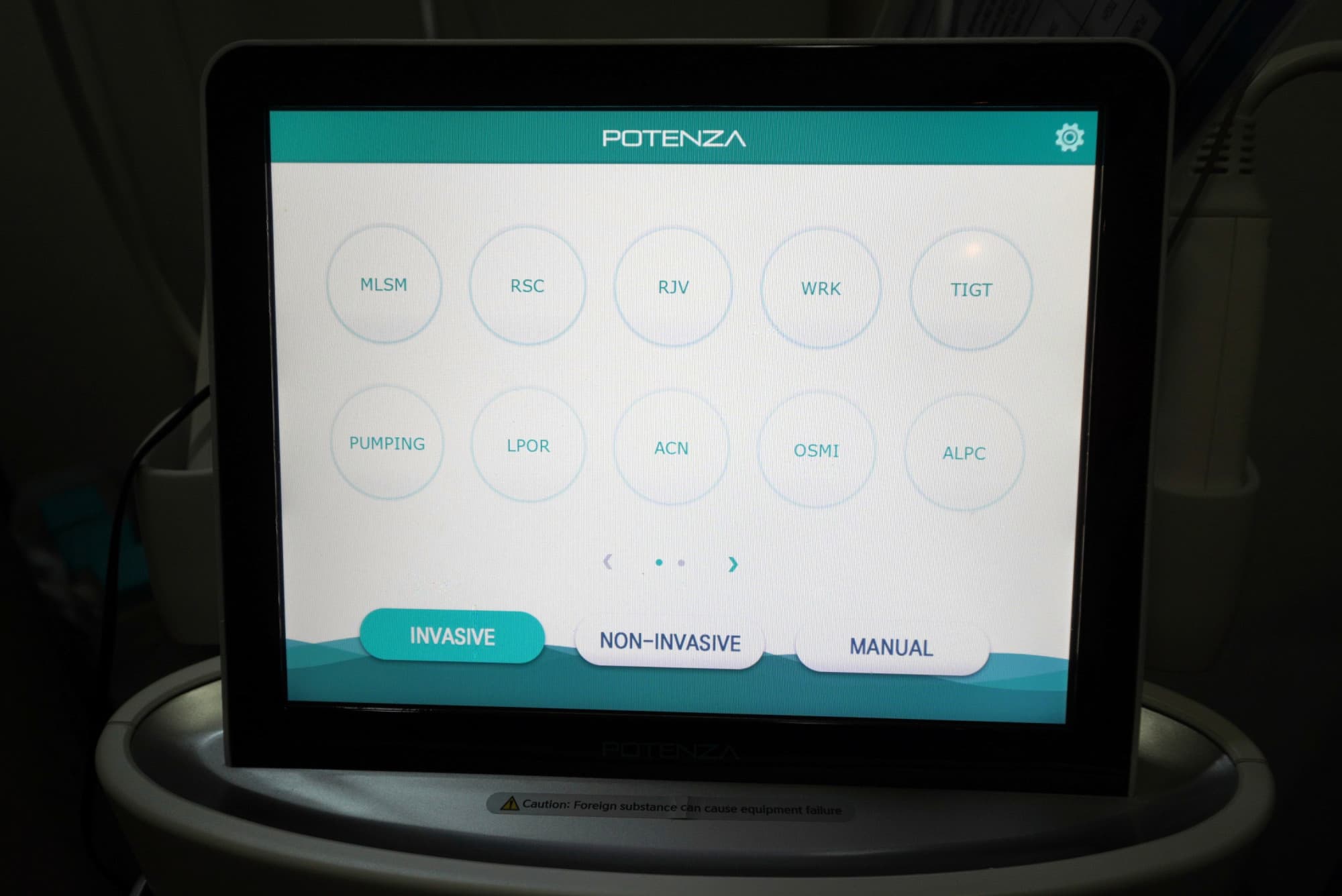
If you have been looking into treatments for enlarged pores, you have probably come across the name Potenza. Deciding on the strength of the device name alone is difficult, though, because there are many tip types and each clinic works differently. This article covers how Potenza works, what a session with the N-25 tip used for pores actually involves, and the question of genuine tips that is worth checking before you choose a clinic.
Potenza, a radiofrequency platform that moves between invasive and non-invasive
Potenza uses RF (radiofrequency) energy and combines an invasive mode with microneedles and a non-invasive mode that works without needles (the non-invasive mode was added in the upgraded version).
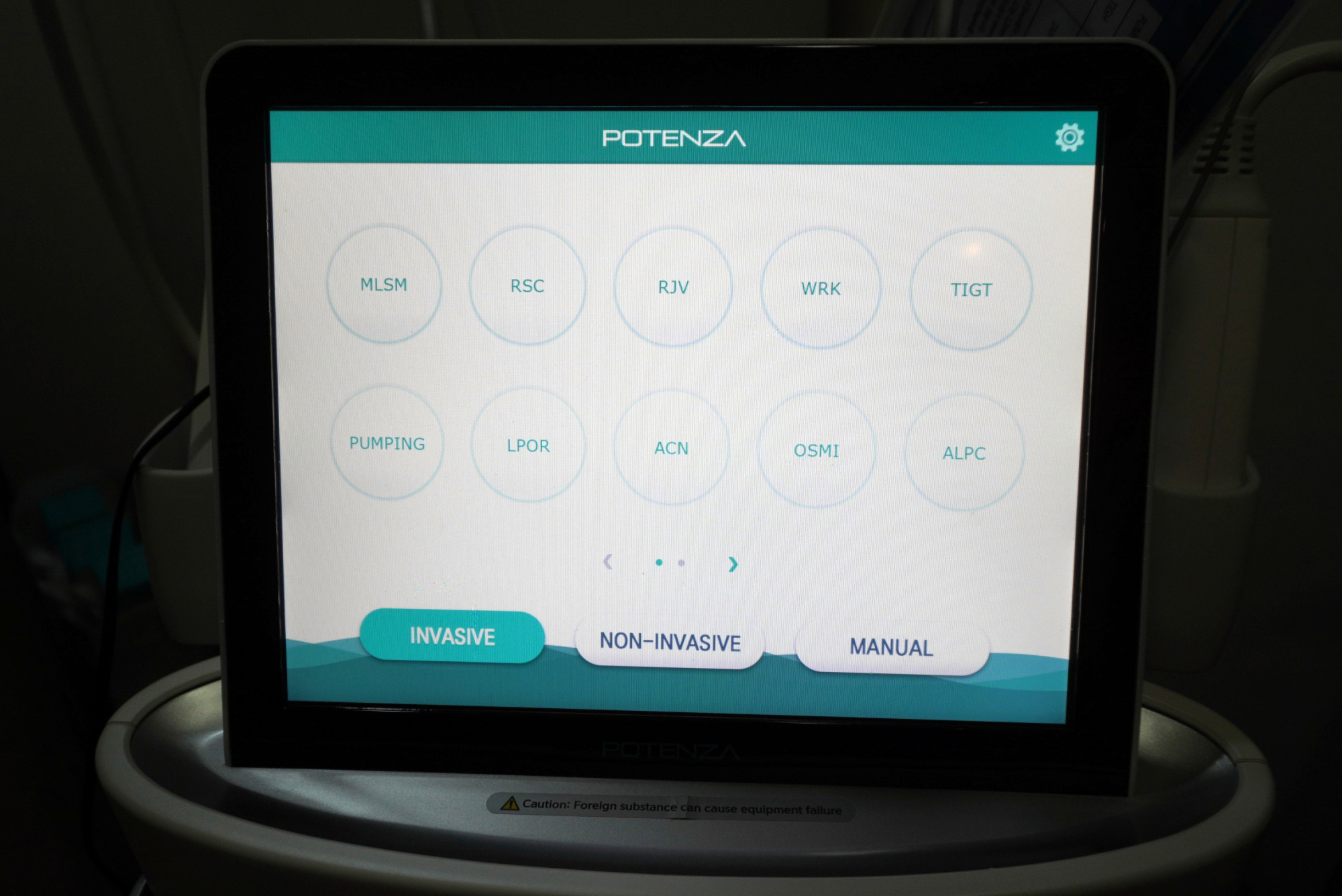
It is often remembered as a pore device, but depending on the mode and tip configuration its range is fairly broad, extending to rejuvenation, acne, redness, melasma and lifting.
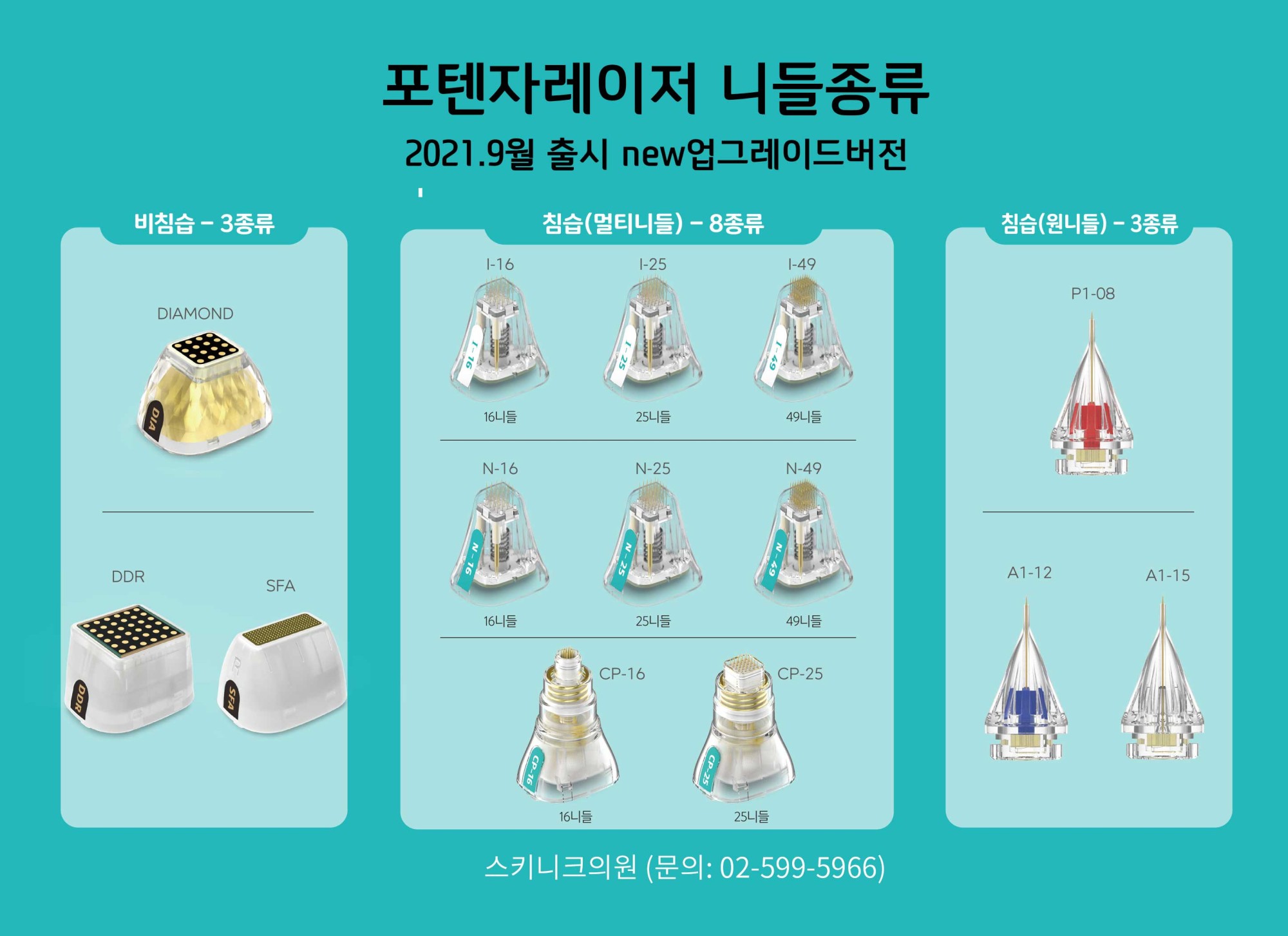
There are 11 invasive needle tips alone, each for a different purpose, and the two used most often are the N-25 and the CP-25. The N-25 is used for pores and rejuvenation, while the CP-25 works in pumping mode to help skin booster solutions absorb. This article focuses on the N-25 tip treatment, the one that addresses pores.
The principle: coagulation zones and collagen
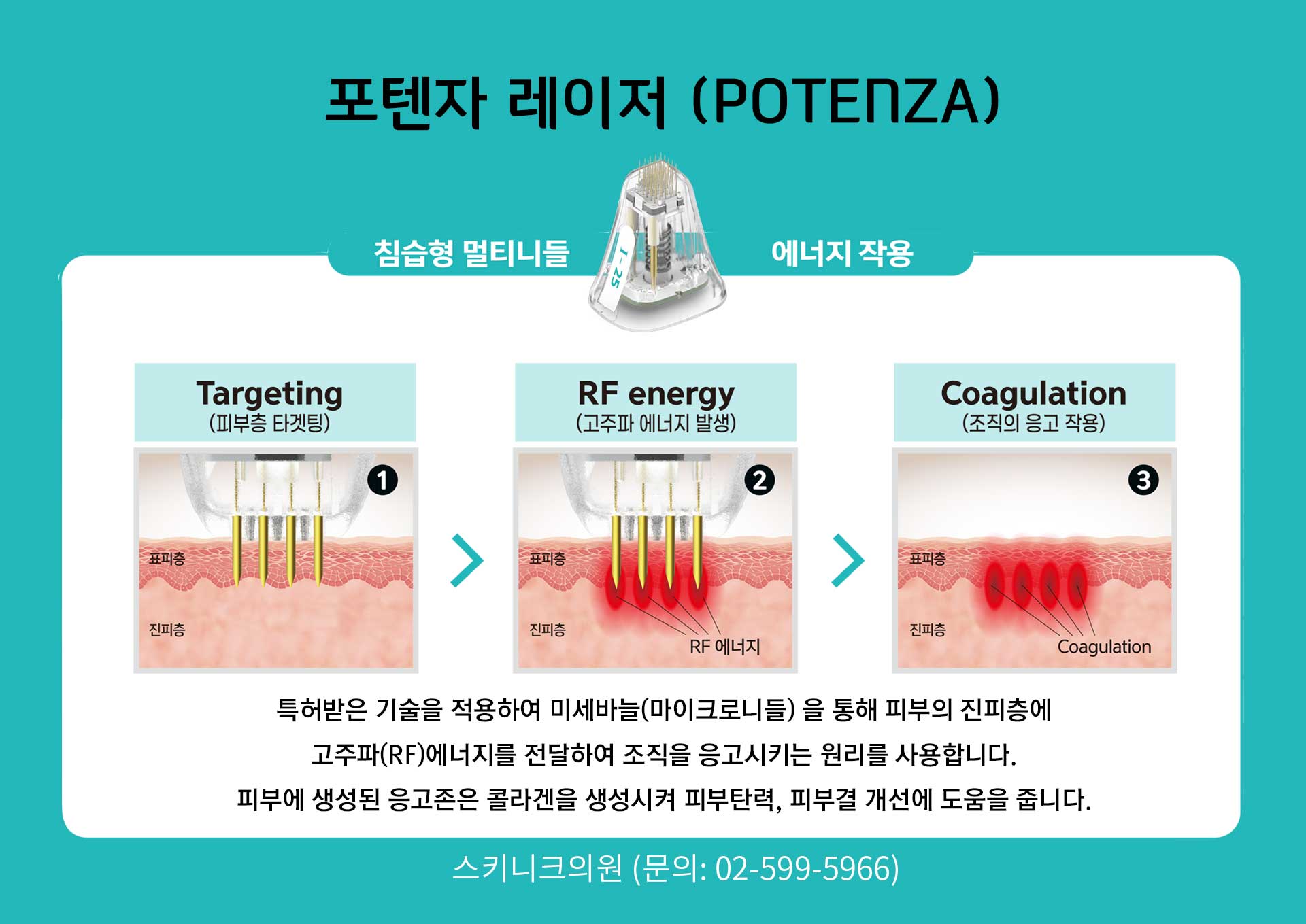
When the microneedles at the end of the tip are inserted to the intended depth, RF energy is released from the needles, and the heat creates tiny coagulation zones inside the skin tissue. As these zones heal, new collagen settles in, and skin firmness and texture become more even. That is the basic principle of Potenza. In one line, it is a treatment that uses radiofrequency to plant a trigger for collagen to form within the skin.
It starts with opening a genuine tip in front of you
At SKINIQUE Clinic, a Potenza session begins by opening a new genuine tip in front of the patient. As a rule, one tip is used for one person, and we suggest confirming this wherever you are treated. A large share of the cost of Potenza is the price of the tip itself, so if a clinic is unusually cheap, it is worth asking whether a single tip is being shared among several people.
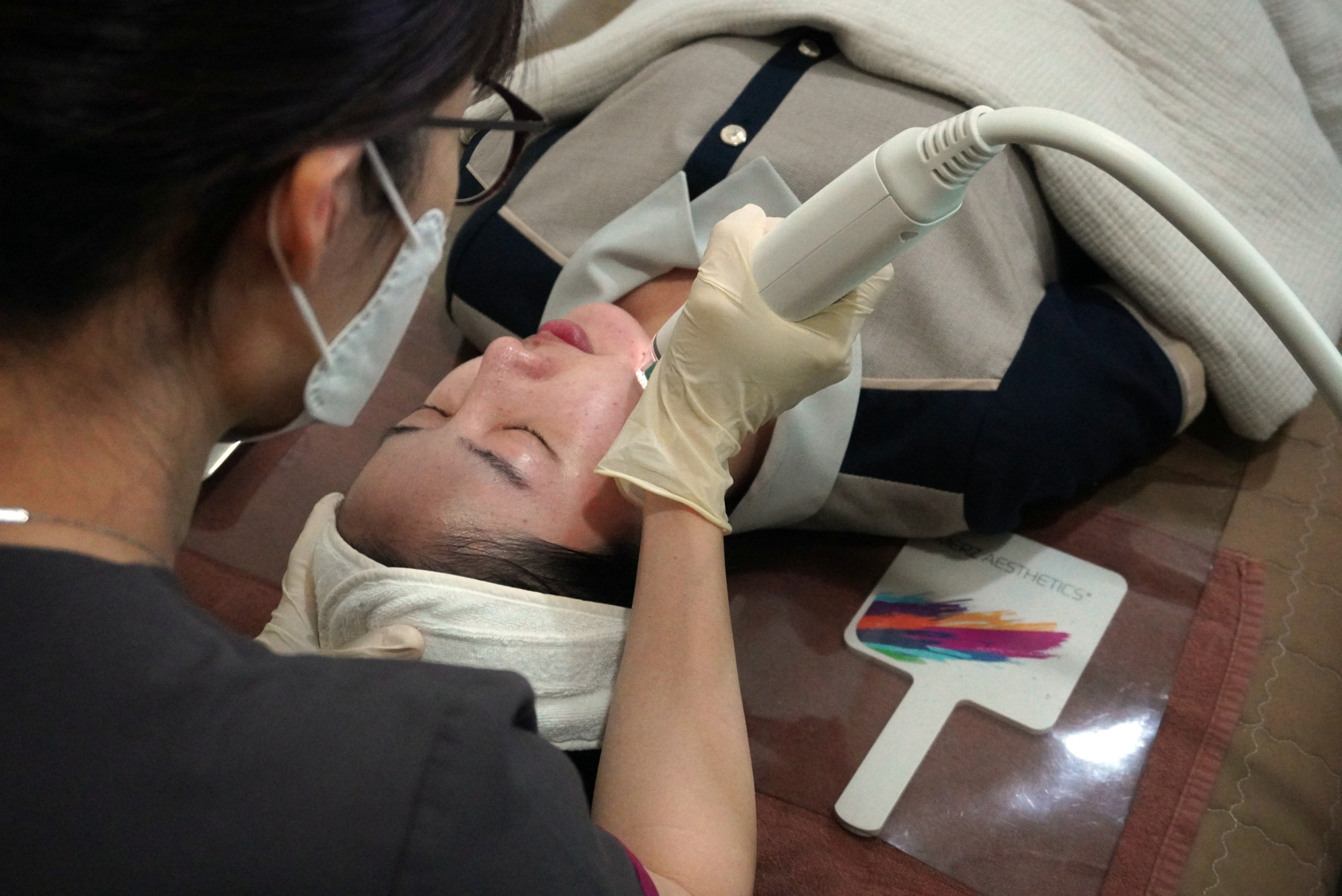
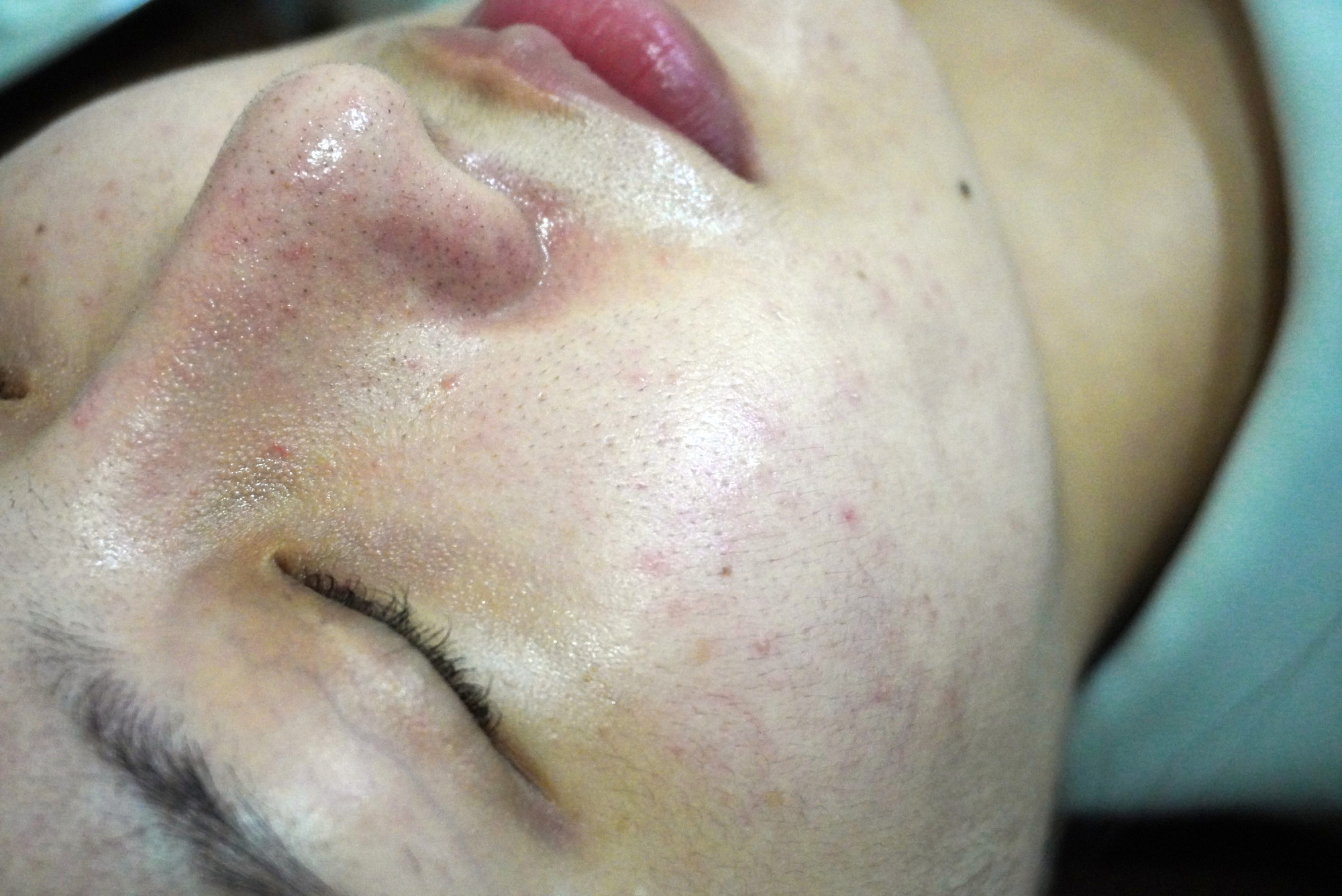
The treatment itself is carried out by pressing the tip lightly onto the skin, much like stamping. Rather than aiming to fill a shot count, SKINIQUE Clinic follows the areas that concern you closely, from the bridge of the nose to the nostrils and the tip, and on to the area under the eyes that is easy to skip. Throughout the session we talk with you about which area bothers you most and adjust the intensity and coverage accordingly.
Right after the session, and downtime
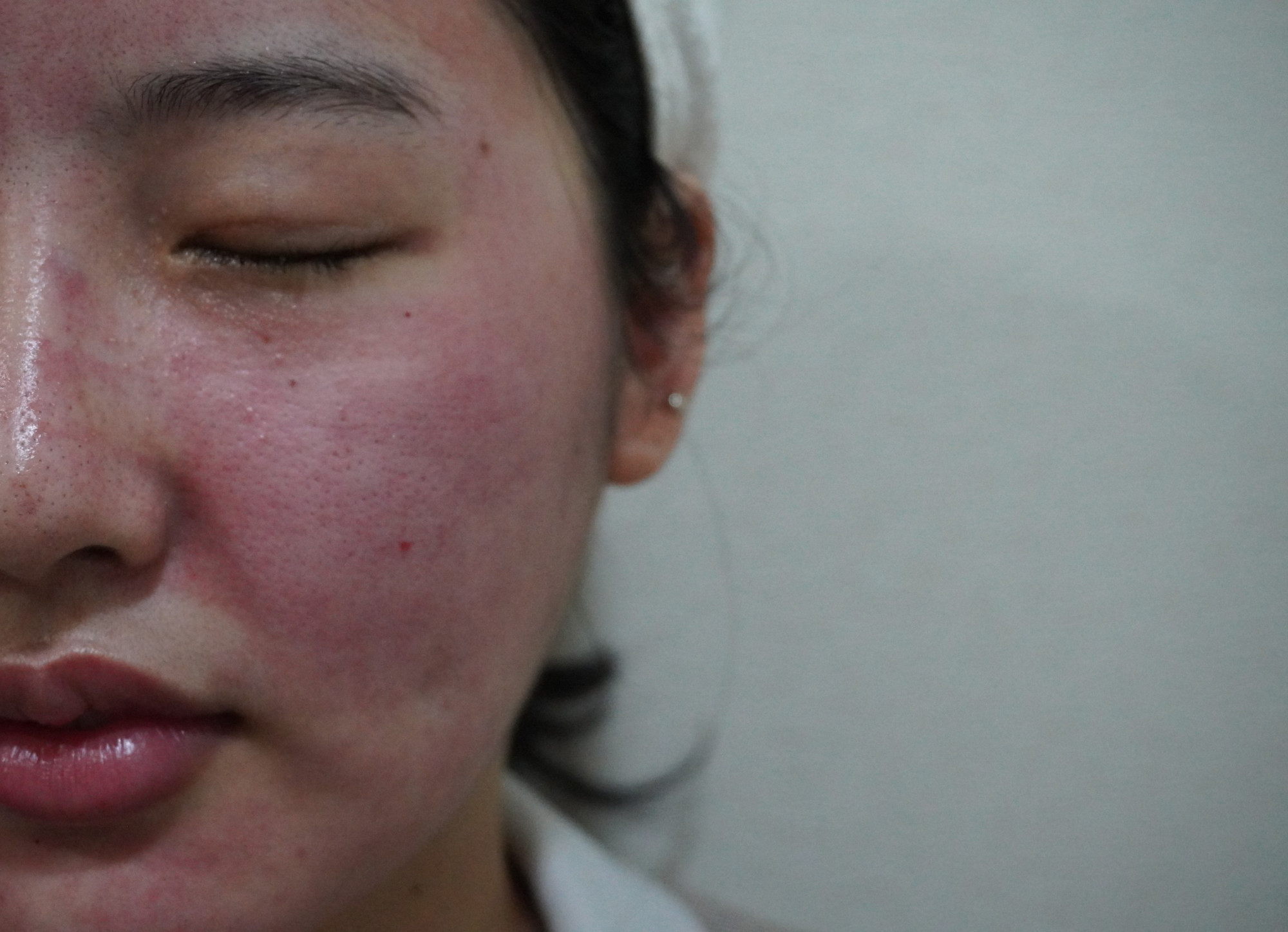
A well-performed Potenza session leaves the whole treated area evenly flushed, with no spots missed. The butterfly zone across the mid-cheeks, which we take particular care over, may look a little more flushed. Because the needles used are very fine, damage to the epidermis is minimal and downtime tends to be short. After a soothing modeling pack you can head home, and the redness usually settles within two to three hours, though recovery speed varies from person to person.
Wrapping Up
Potenza is a device that creates coagulation zones with microneedle radiofrequency to prompt collagen renewal, and in pore treatments the N-25 tip takes the lead. When choosing a clinic, check whether genuine tips are used one per person, and whether the session is guided by the areas that concern you rather than by a shot count. Detailed costs are listed on our pricing information page, and if you are wondering whether Potenza suits the state of your pores, ask us through chat for advice on the direction that fits your skin.
This article was written by Dr. Park Tae-hyung. He is the Chief Director of SKINIQUE Clinic and serves as Senior Director of the Korean Society of Laser Dermatology and Hair. First published September 23, 2021 · Last reviewed August 24, 2026
This article is general medical information. Skin conditions and responses to treatment vary from person to person. Whether and how to treat should be decided through an in-person consultation.