
"I have been to several dermatology clinics and my melasma looks the same." We hear this often in the consultation room. Melasma feels stubborn because the pigment does not sit on the surface of the skin. It settles deep in the dermis, and at an uneven depth at that. This article outlines the principle behind the pico toning SKINIQUE Clinic uses for melasma, and the Bellasonic ampoule care that supports it.
Dermal pigment, not epidermal pigment, is the hard part
Many laser platforms are marketed for melasma, and pigment that stays in the epidermis tends to lighten reasonably well with most of them. The dermis is the difficult layer. Melanin sits at a different depth in every person and in every area of the face, so if that depth is not targeted accurately, sessions can add up without a change you can see.
How a picosecond laser adjusts its depth
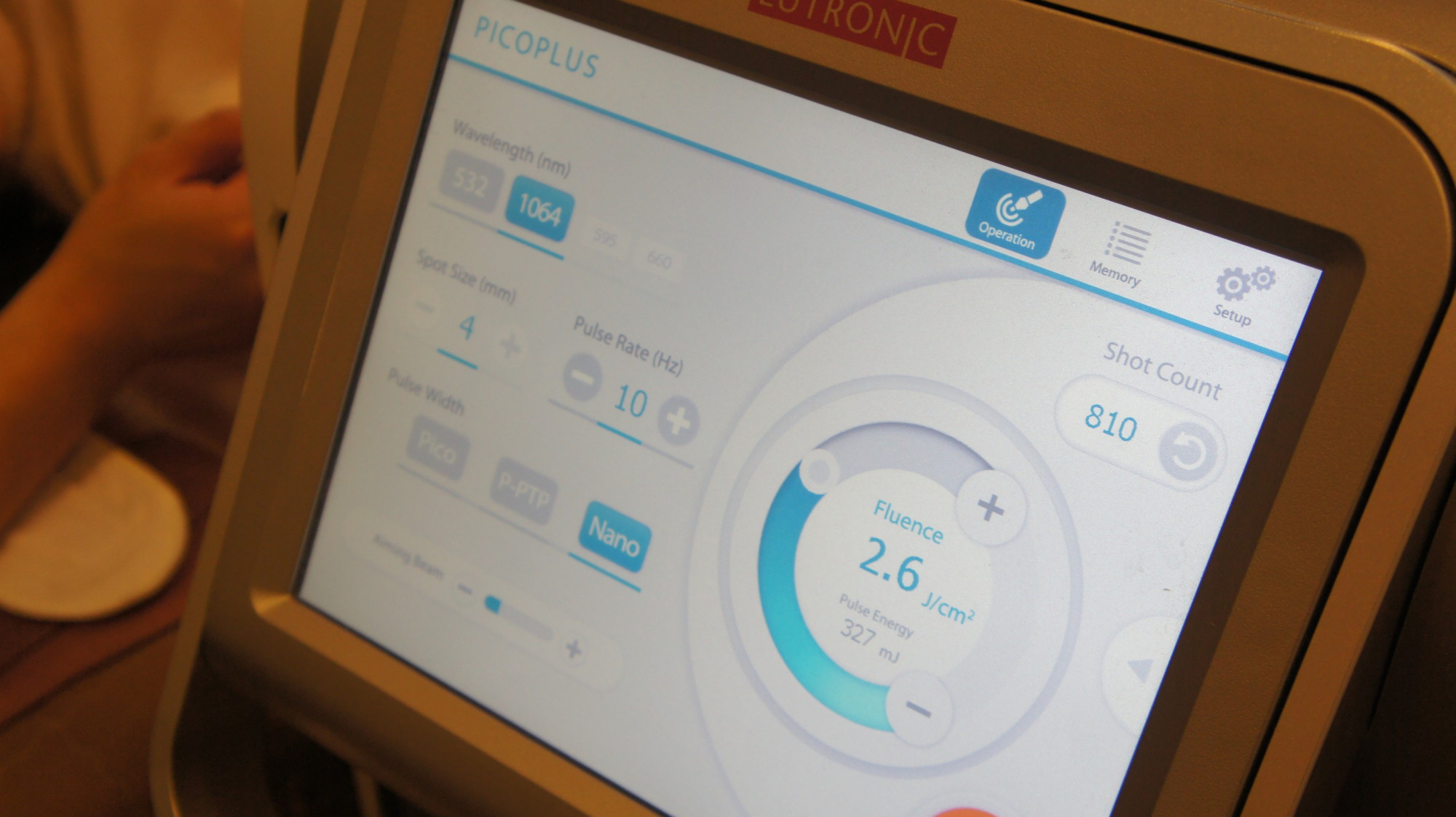
This is why SKINIQUE Clinic uses a picosecond laser for dermal pigment. The key is the MLA handpiece, which creates tiny cavities inside the skin known as LIOB, breaking up pigment at that spot and prompting the tissue to regenerate. The real strength of the platform is that the depth the laser reaches can be adjusted, so the treated layer can be matched to the depth at which the pigment is sitting, which makes dermal melasma easier to address.
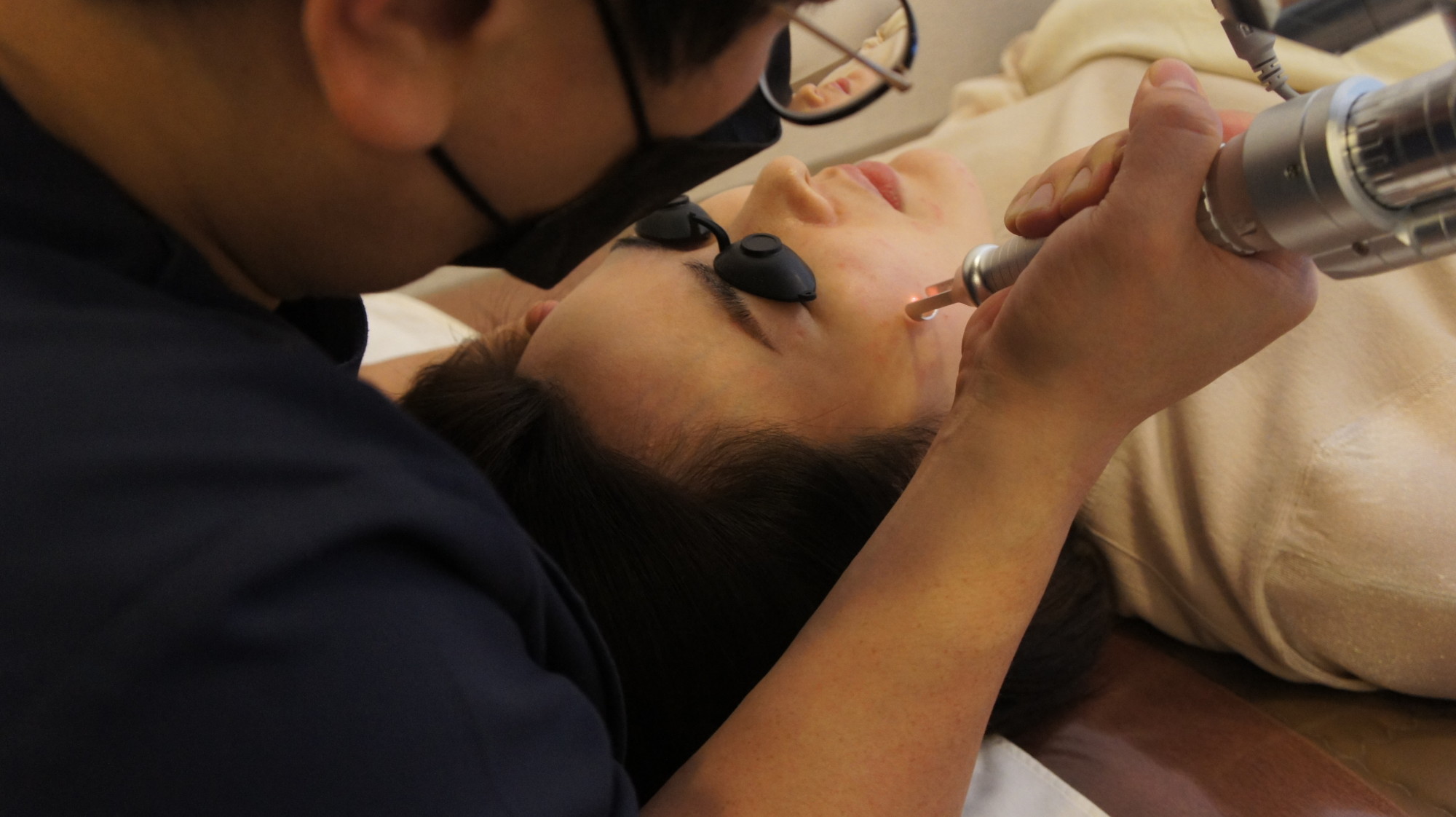
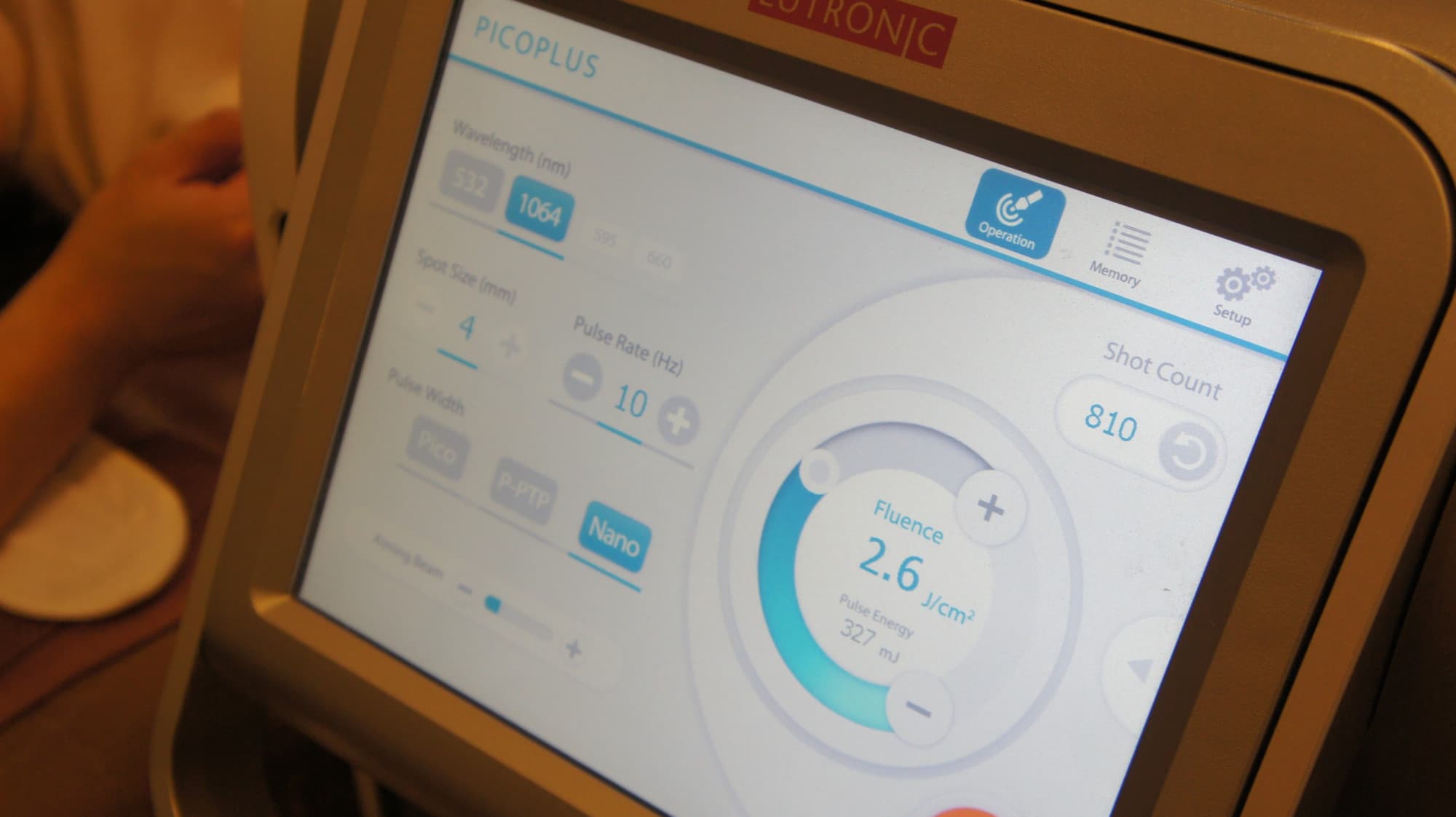
Pico toning delivers strong energy over a far shorter interval than conventional toning, so it can target pigment while reducing the heat load placed on surrounding tissue. Even so, which depth and which intensity are used on a given day comes down to the judgement of the treating physician. That is usually where the split in reviews of identically named treatments comes from.
A 1064nm long-pulse pass after toning
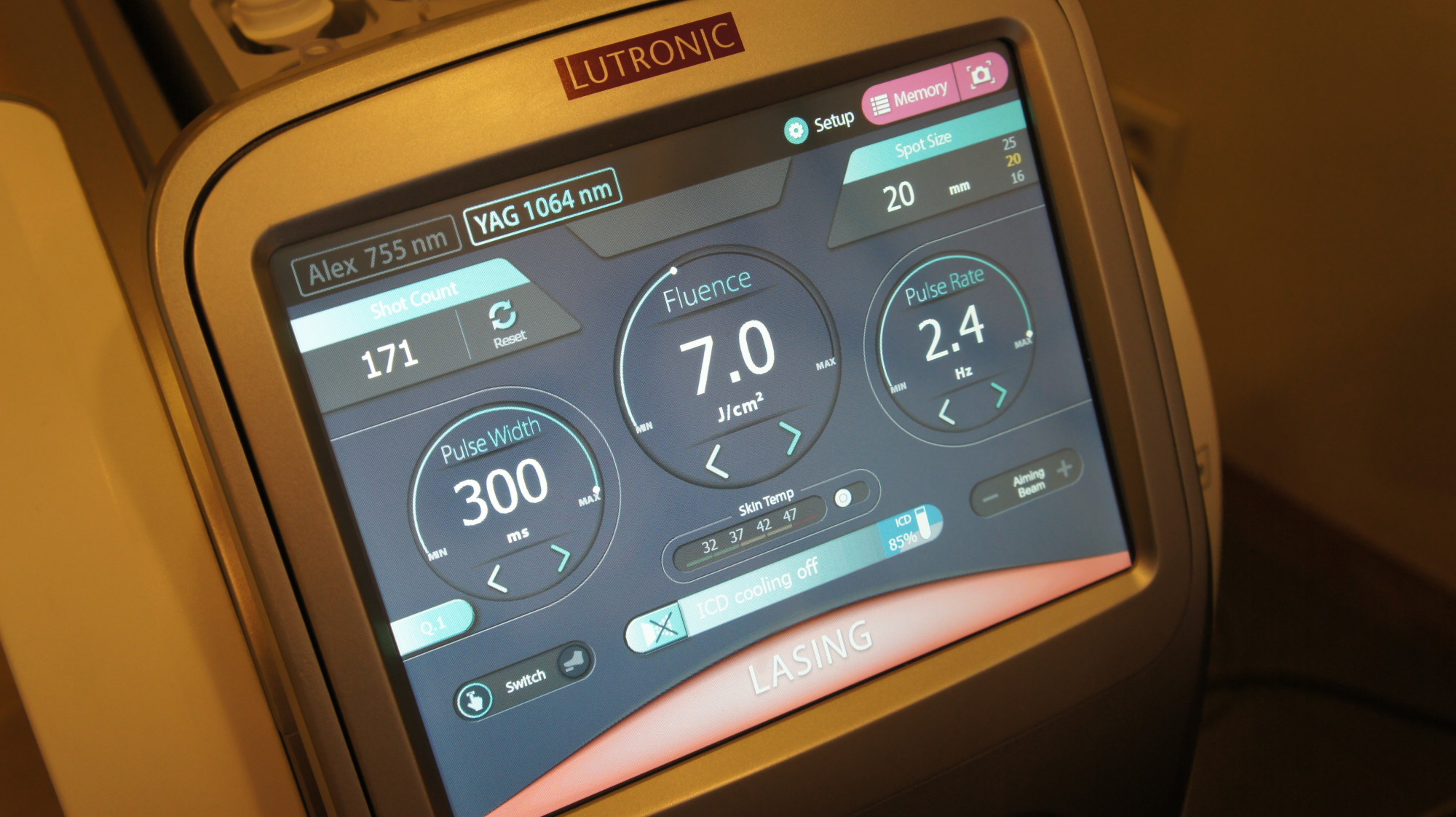
At SKINIQUE Clinic, once pigment has been worked on with pico toning, a 1064nm long-pulse laser follows. The long wavelength carries heat energy into the deeper layers of the skin, refining texture and tone at the same time. The clinic does not aim to finish with a single device on a single wavelength, but to combine lasers one to one according to skin type and the state of the lesion.
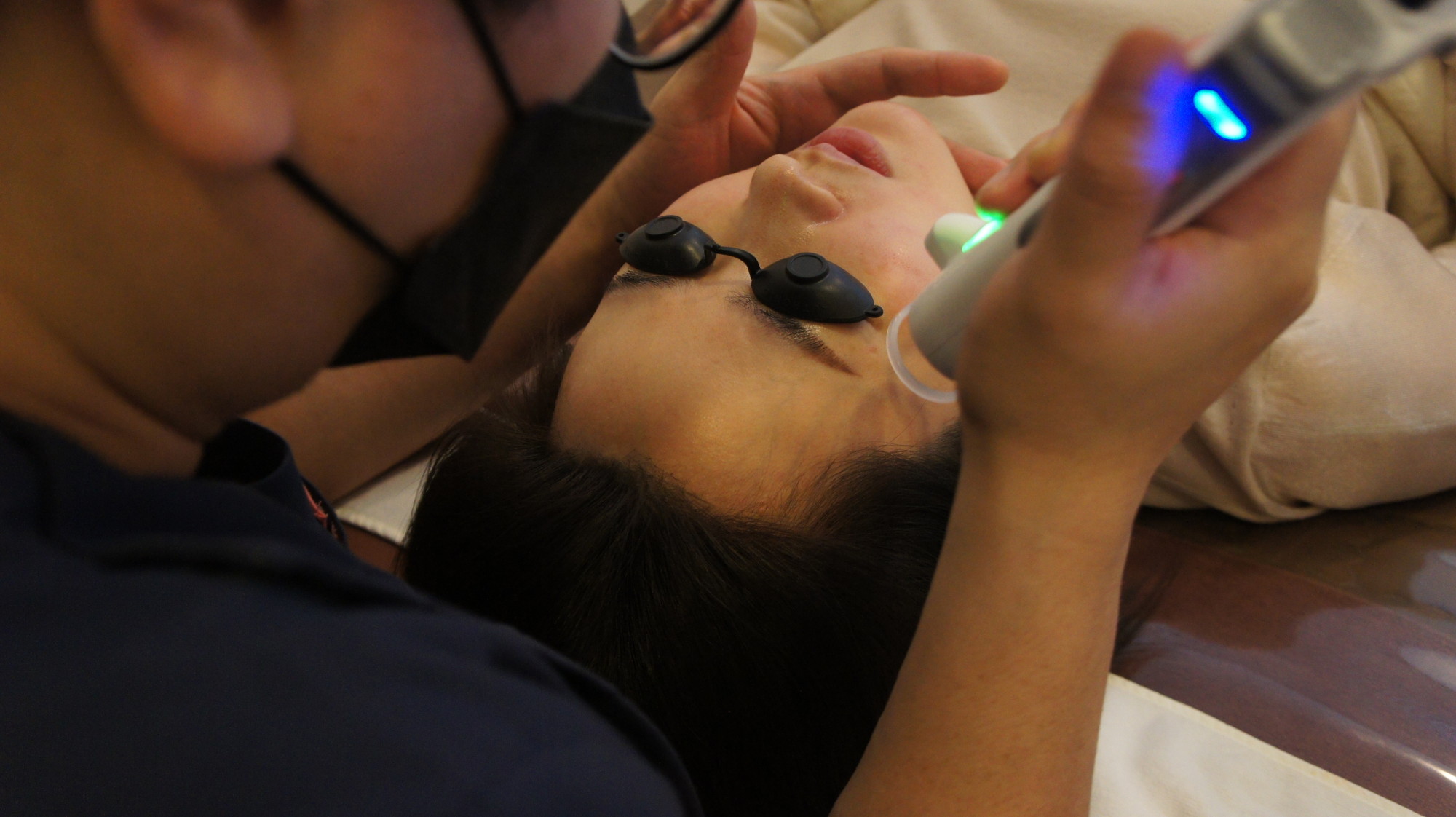
Running dermal remodelling alongside pigment work means the treatment also touches the skin damage that drives melasma in the first place, which can help in managing the chance of recurrence after treatment.
Finishing with Bellasonic ampoule care
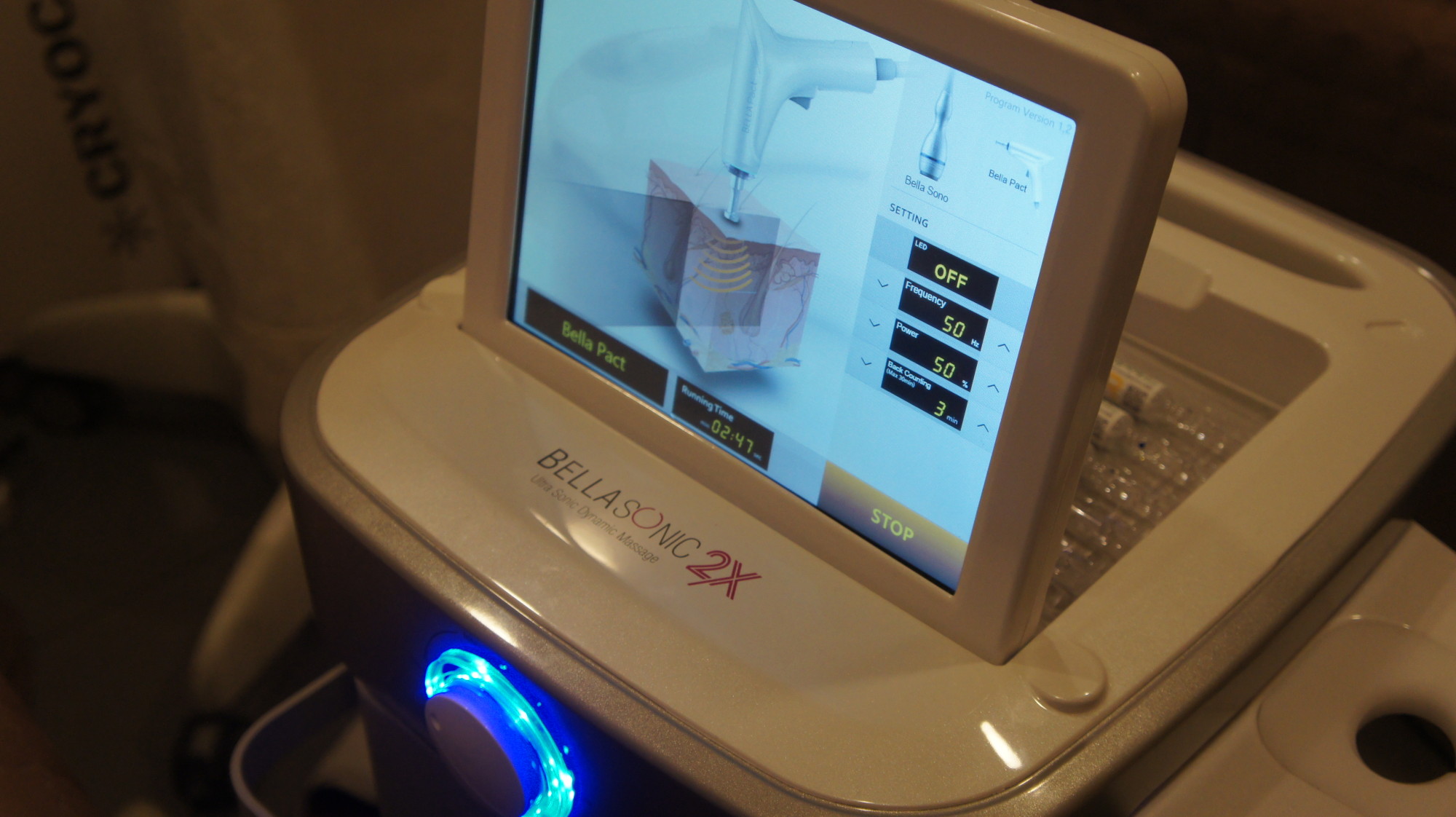
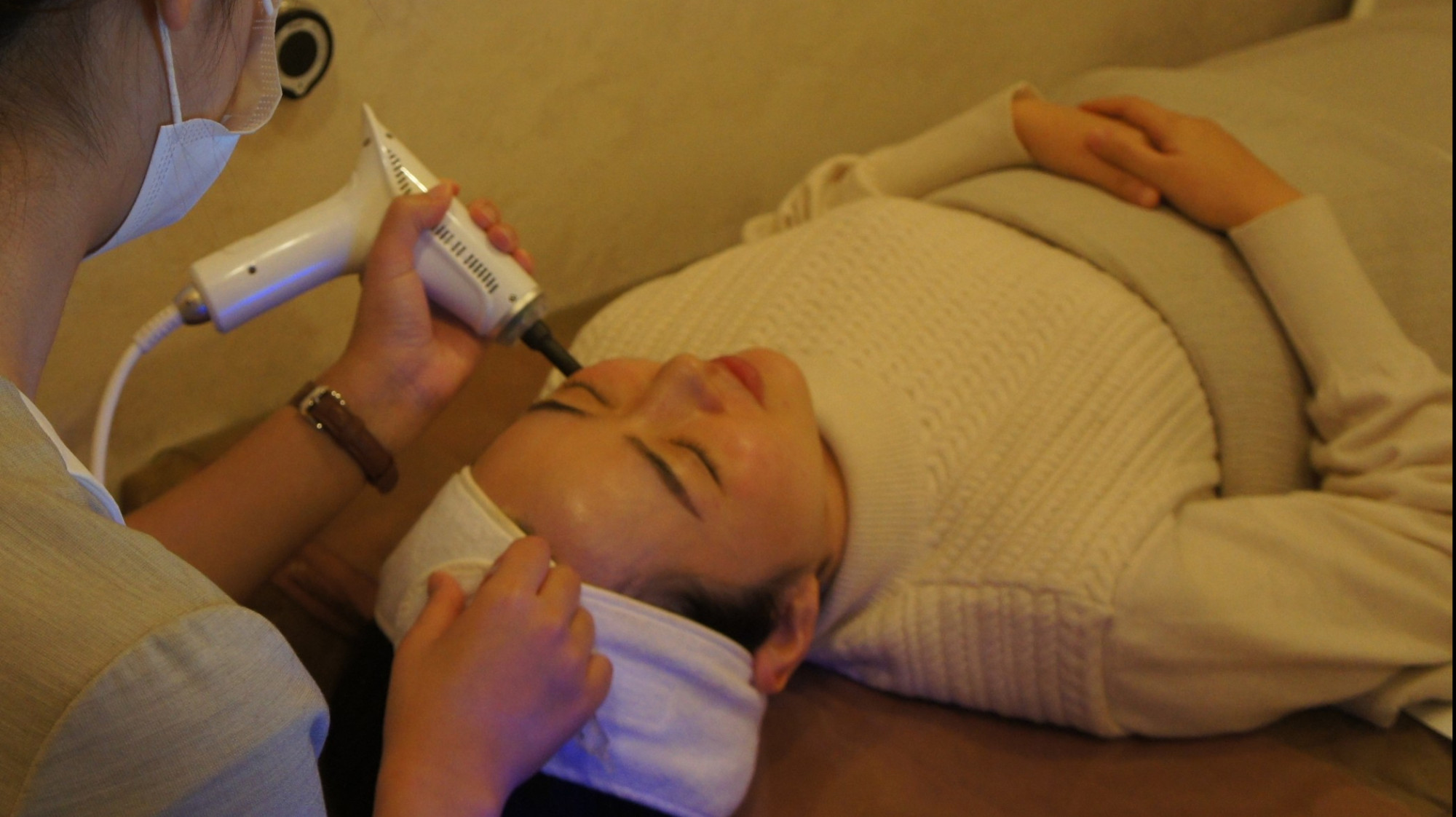
Bellasonic care can be added after the laser. Bellasonic is a combined ultrasound device that houses both a high frequency ultrasound mode (Bellasono) and a low frequency mode (Bellapact); the Bellapact mode carries ampoule ingredients such as PDRN salmon DNA and baby injection boosters into the deeper layers of the skin. Because it calms skin that has just been through a laser while replenishing the ingredients regeneration needs, it can support pigment improvement and skin texture depending on how the skin responds. How quickly and how far the skin responds does vary from person to person.
Wrapping Up
What decides a melasma outcome is not the name on the device, but reading the depth at which the pigment sits and choosing the wavelength and energy that match it. Results can differ when the depth control of pico toning, the 1064nm long-pulse pass, and Bellasonic ampoule care each play their own part. If long standing melasma is on your mind, start with a chat consultation about the treatment direction for your skin. Detailed fees are listed on the price guide.
This article was written by Dr. Park Tae-hyung, Chief Director. He is the Chief Director of SKINIQUE Clinic and serves as an academic director of the Korean Society for Laser Dermatology and Trichology. First published 30 January 2021 - Last reviewed 24 August 2026
This text is general medical information. Skin condition and response to treatment vary between individuals. Whether and how to treat should be decided through an in-person consultation.