

Pigmentation, pores, redness, laxity — skin concerns differ from person to person, but what sits underneath all of them is the health of the skin itself. This article looks at how Laser Genesis toning, a step built into many of SKINIQUE Clinic's laser programs, works on the skin, and why results differ so much from clinic to clinic.
A laser that treats the dermis, not the surface
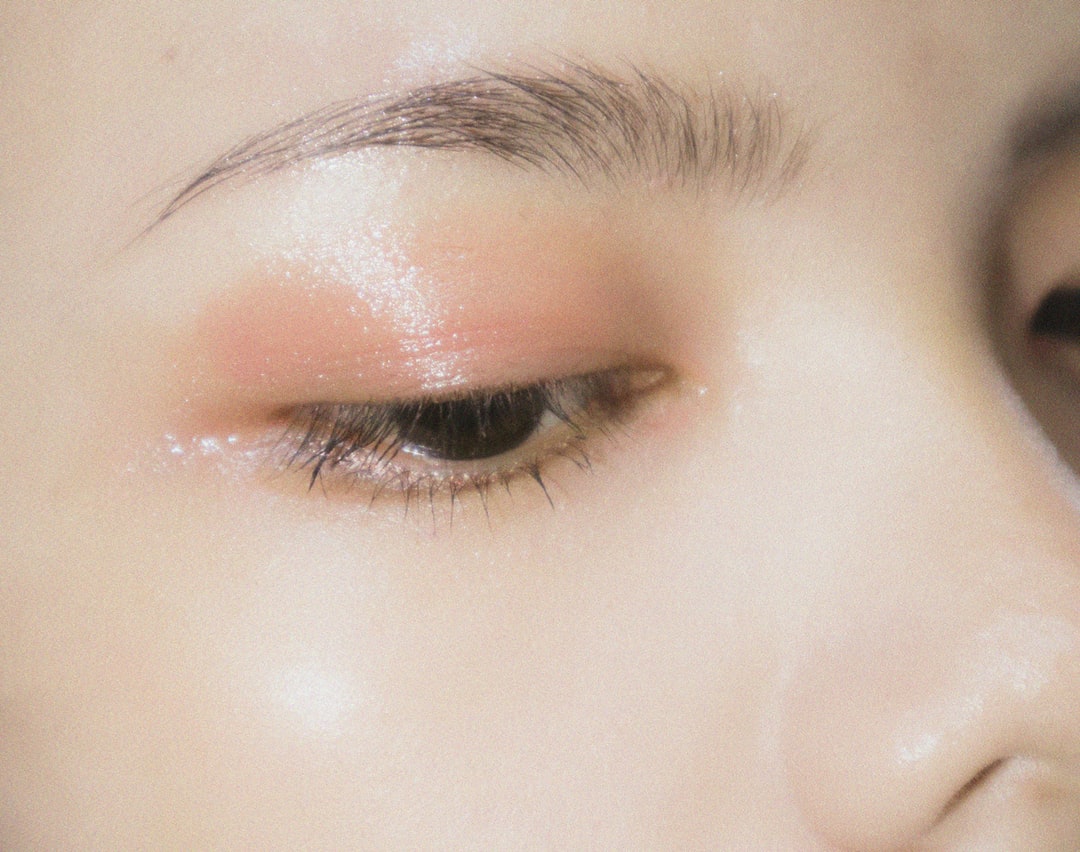
However good a skincare product may be, it works from outside the epidermis, and that places a limit on what it can do. Changing skin texture and firmness at the root means creating change in the layer beneath — the dermis. Laser Genesis uses a long wavelength to deliver heat into the dermis and stimulate collagen production, so with a steady course of sessions you can look for change that begins deep in the skin. How much change, and how quickly, varies from person to person.
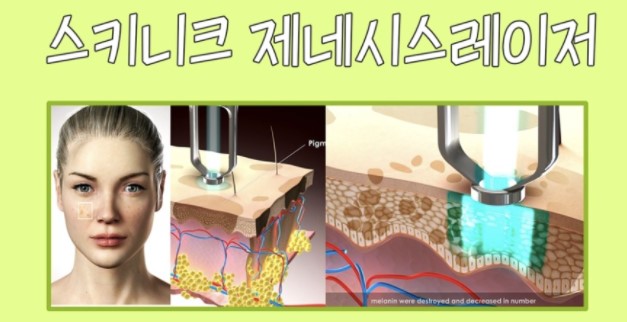
In more detail: the laser clears surface keratin and debris while its deeply penetrating wavelength warms the dermis and prompts collagen renewal. Because that process touches dermal regeneration, firmness, fine lines, pores and overall radiance, Laser Genesis is less a laser for erasing one specific lesion than one for raising the skin's baseline condition. It is harder to capture in dramatic before-and-after photos than a pigment treatment, which is exactly why it belongs to the category of ongoing skin care.
The same treatment name, different results
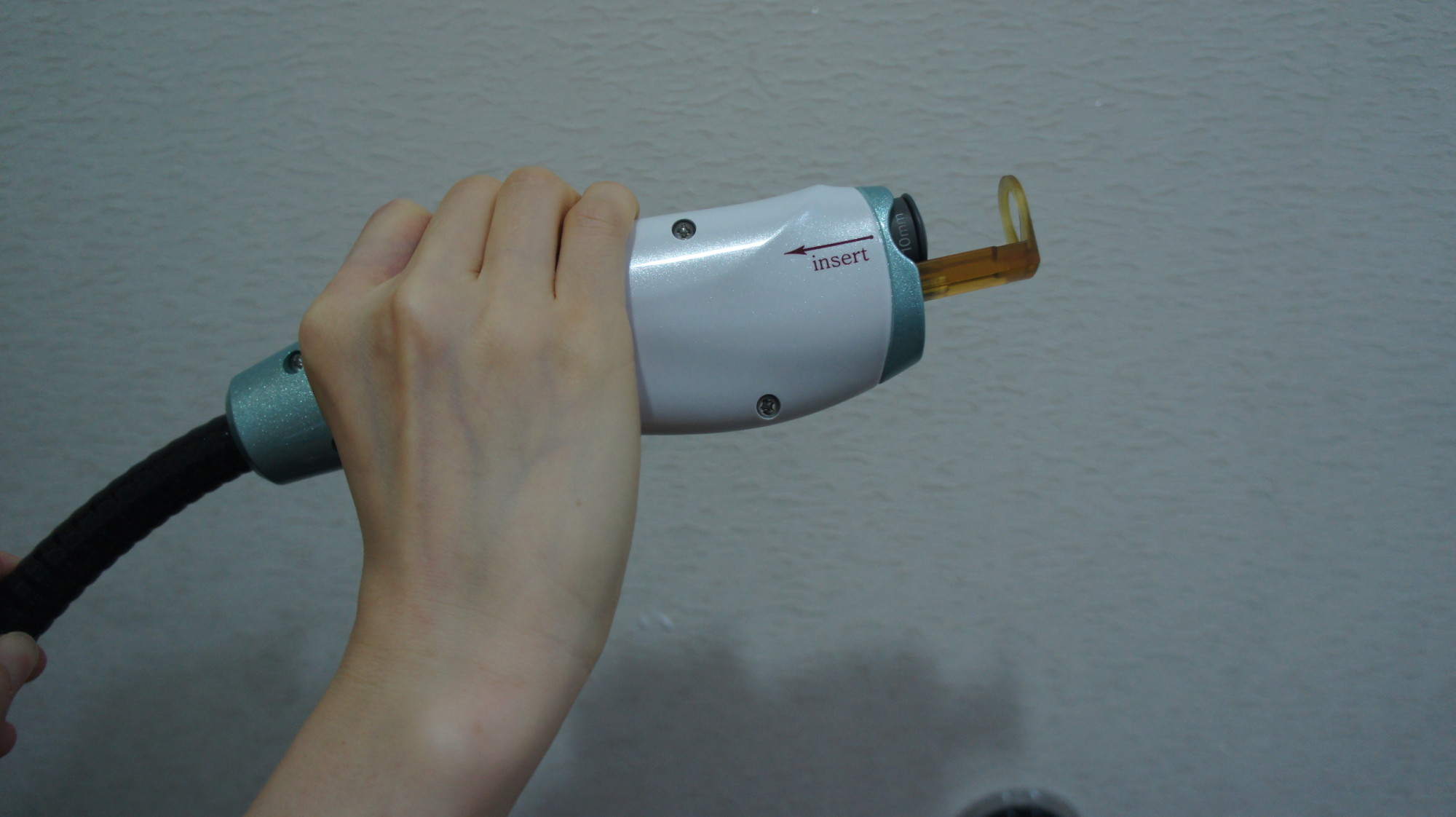
Two things decide what Laser Genesis toning delivers: the energy setting and the time spent passing over the skin. The aim is to raise the temperature of the dermis sufficiently, so a quick pass that only skims the surface is unlikely to produce the response you are hoping for. When choosing a clinic, look before price at whether the medical team assesses your skin and adjusts the intensity accordingly, and whether they take enough time for the heat to be delivered evenly. At SKINIQUE Clinic, a one-on-one consultation precedes every session, and the intensity and shot composition are set individually from what that consultation finds.
Programs that include Genesis
At SKINIQUE Clinic, Genesis is combined with different devices depending on the goal. In pigmentation programs it runs alongside Pico Focus, pico toning and Icon; in redness and pore programs, alongside Icon; and in skin regeneration programs, alongside PlaDuo.
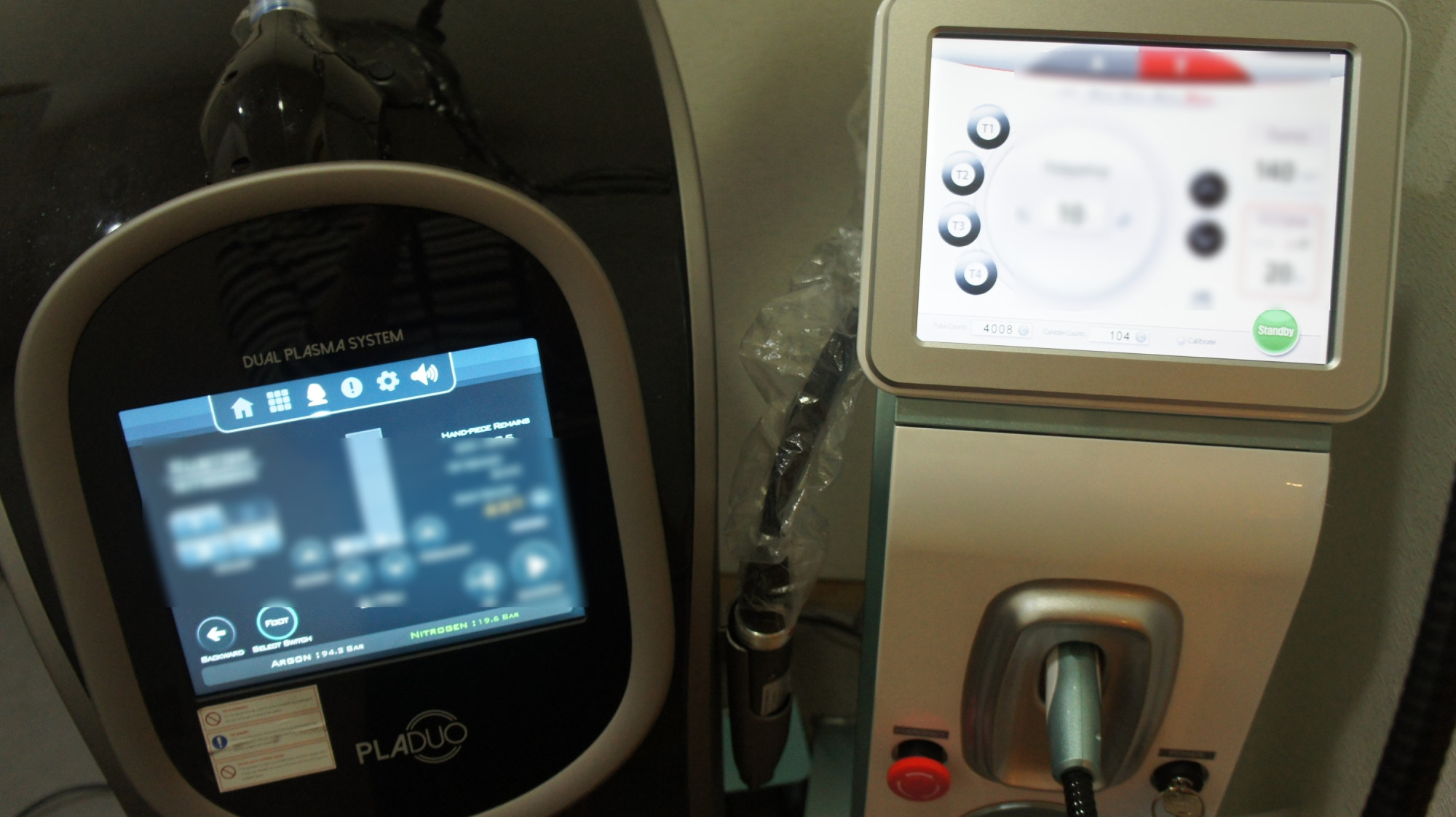
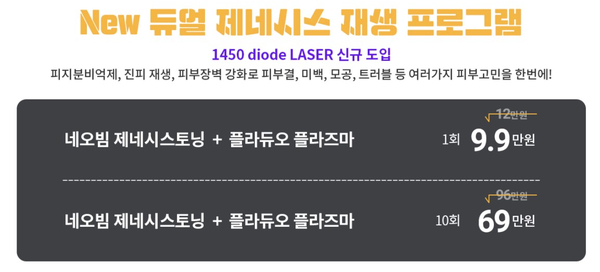
Laser Genesis toning + PlaDuo
The combination in which Genesis takes the lead is the skin regeneration program paired with PlaDuo plasma. It opens with a generous number of Genesis passes, delivering heat throughout the dermis to prompt dermal remodelling.
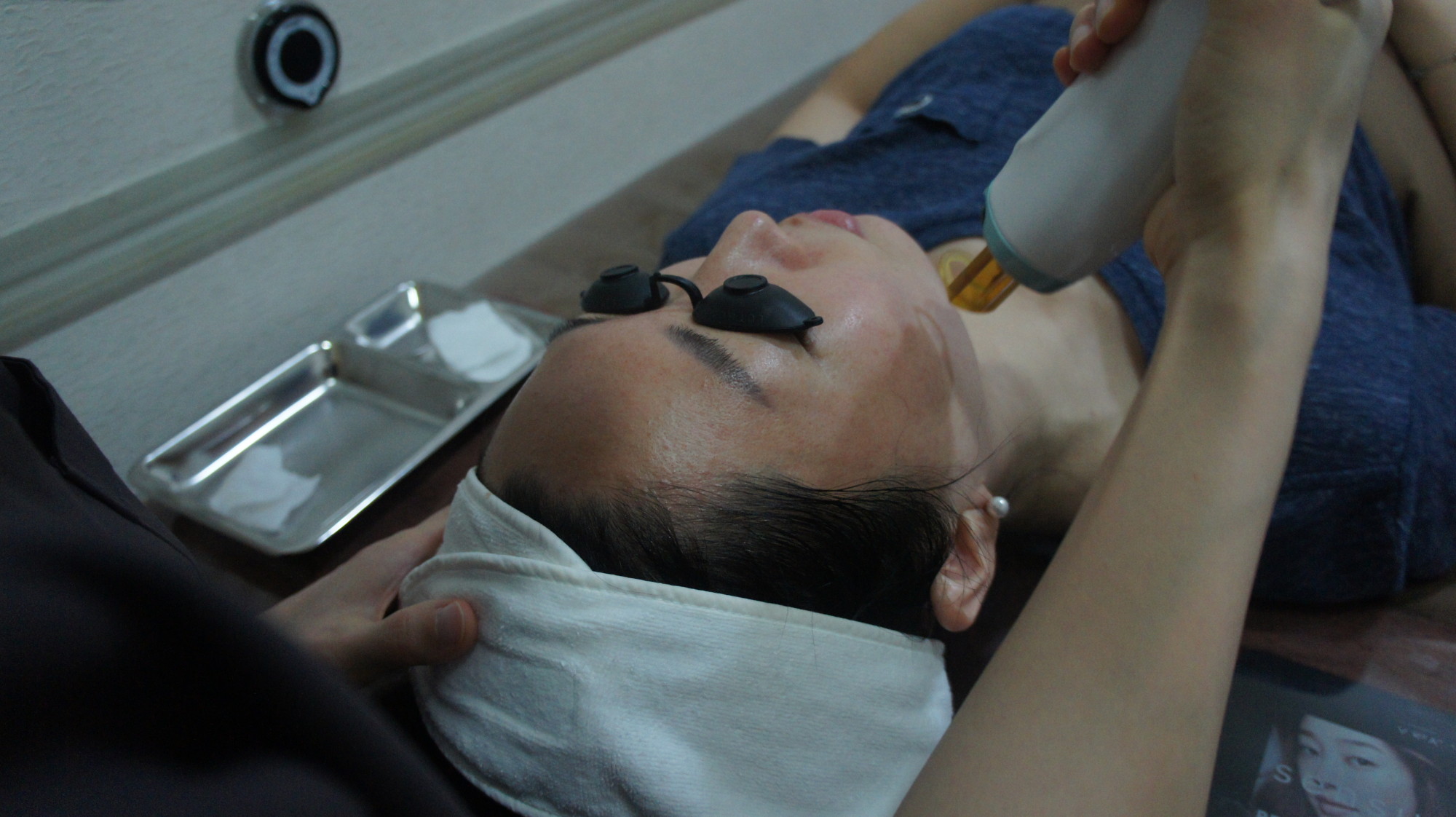
Heat that reaches the dermis stimulates aged collagen and encourages the synthesis of new collagen. The nitrogen plasma of PlaDuo that follows helps activate fibroblasts and dermal cells and takes part in regulating sebum, so it is also used for skin prone to breakouts or to the small closed comedones that come with wearing a mask.
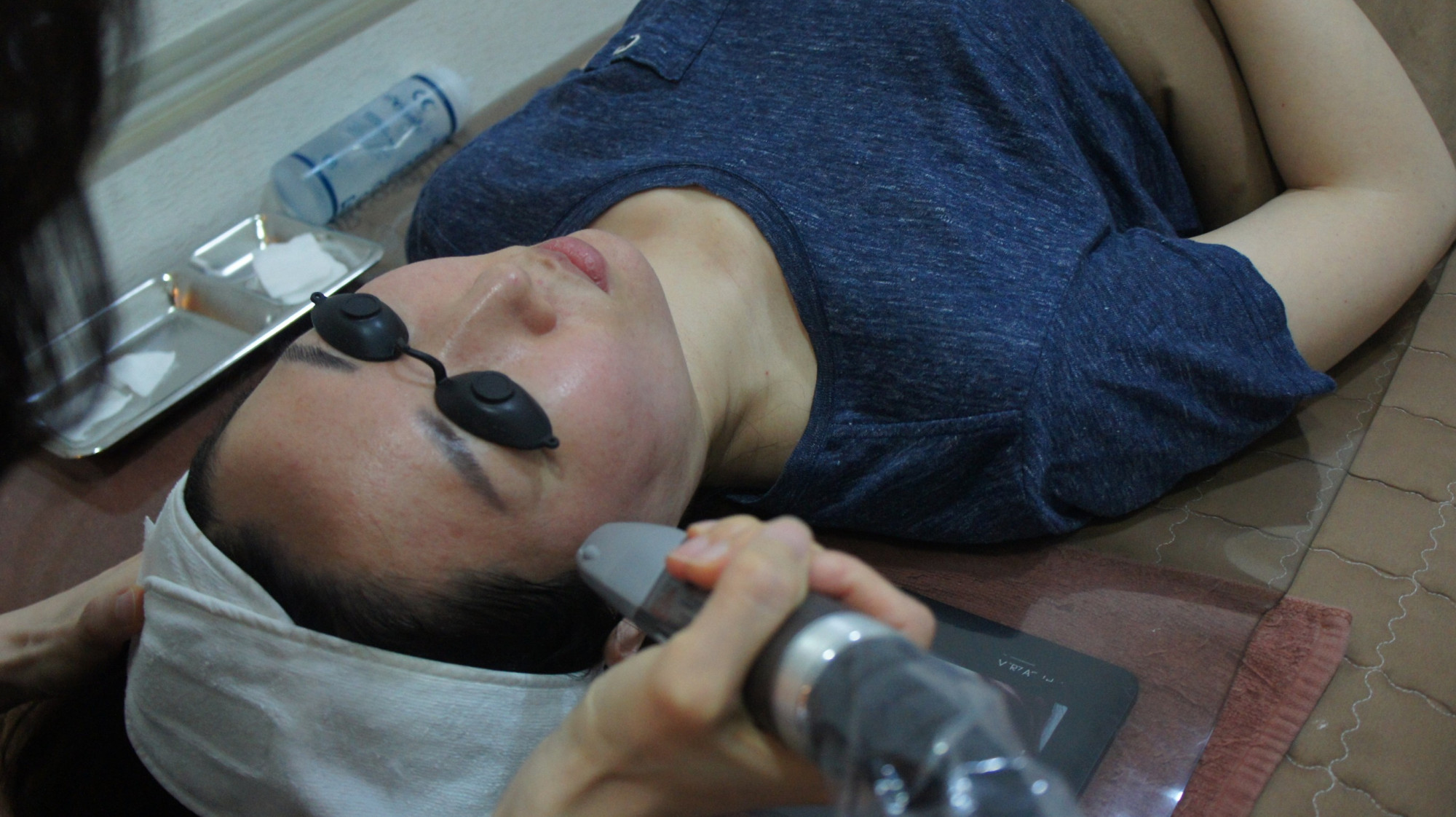
Because the two devices work on the dermis one after the other, dermal regeneration, the skin barrier and sebum control can be addressed in a single flow, and the discomfort involved is mild enough that the treatment is manageable for those receiving a laser for the first time. Detailed pricing is available on the price guide.
Wrapping Up
Laser Genesis toning delivers enough heat into the dermis to prompt collagen renewal — a laser that builds up the foundation of the skin. Since the same device is experienced differently depending on how intensity and exposure time are used, the first question is whether the plan suits your own skin. If you would like to know which program fits, ask us through a chat consultation about the right program for your skin.
This article was written by Dr. Park Tae-hyung, Chief Director. He is the chief director of SKINIQUE Clinic and serves as an academic director of the Korean Society of Laser Dermatology and Trichology. First published August 11, 2021 · Last reviewed August 24, 2026
This article is general medical information. Skin condition and response to treatment can vary from person to person. Whether to undergo treatment, and by which method, should be decided through an in-person consultation.