

Most people have heard that collagen matters for the skin, yet many feel little difference from eating or applying it. Laetigen (LAETIGEN) is a treatment that places refined collagen itself directly into the dermis, and it is usually sought by people who want to top up collagen while keeping pain and recovery to a minimum. This article covers how Laetigen works, what kind of change can reasonably be expected, and how the treatment intervals and precautions are handled.
What kind of treatment is Laetigen
Laetigen is a skin booster made up of 99.9% high-purity collagen. Where it differs most from better-known products such as Rejuran, Juvelook or exosome injections is in its approach. Rather than stimulating the skin so that it produces collagen, it fills the skin directly with collagen that has been filtered of impurities through a refining process.
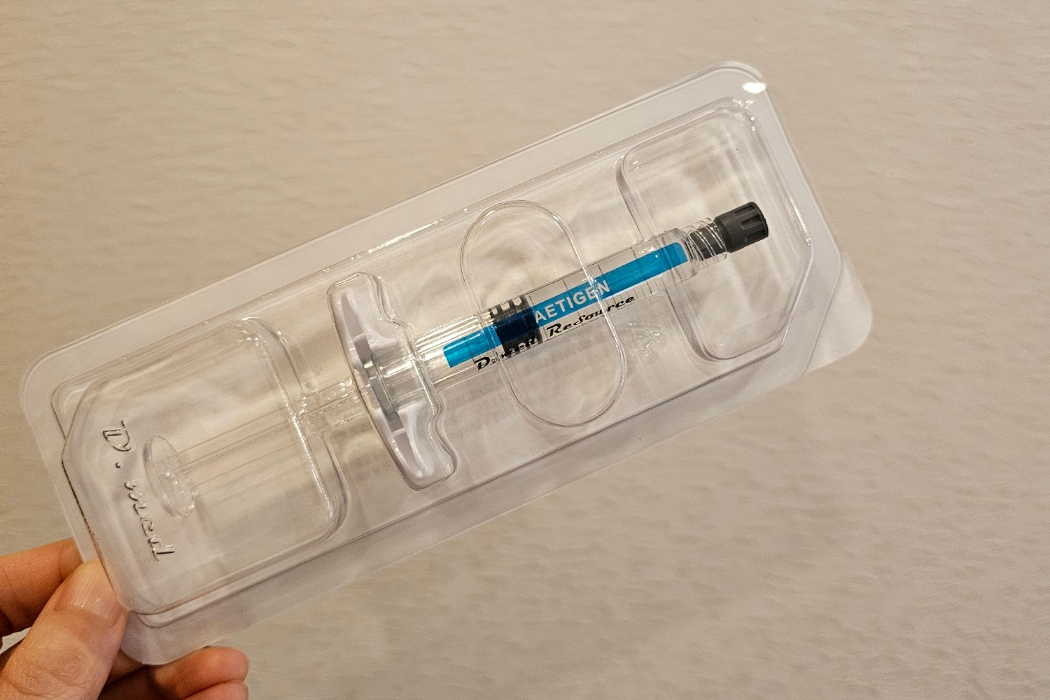
Experts broadly agree that collagen taken by mouth passes through digestion and absorption, and that only a very small proportion reaches the skin. Injecting it into the dermis places collagen where it is needed without that loss along the way.
Why it tends to be less painful
The main reason people hesitate over skin boosters is the pain of the injections. Laetigen has small particles and is a neutral (pH 7) collagen matched to the environment of the dermis, so the irritation as the product enters tends to be mild. It also spreads broadly once injected, which leaves fewer of the raised bumps that can sit on the surface afterwards.
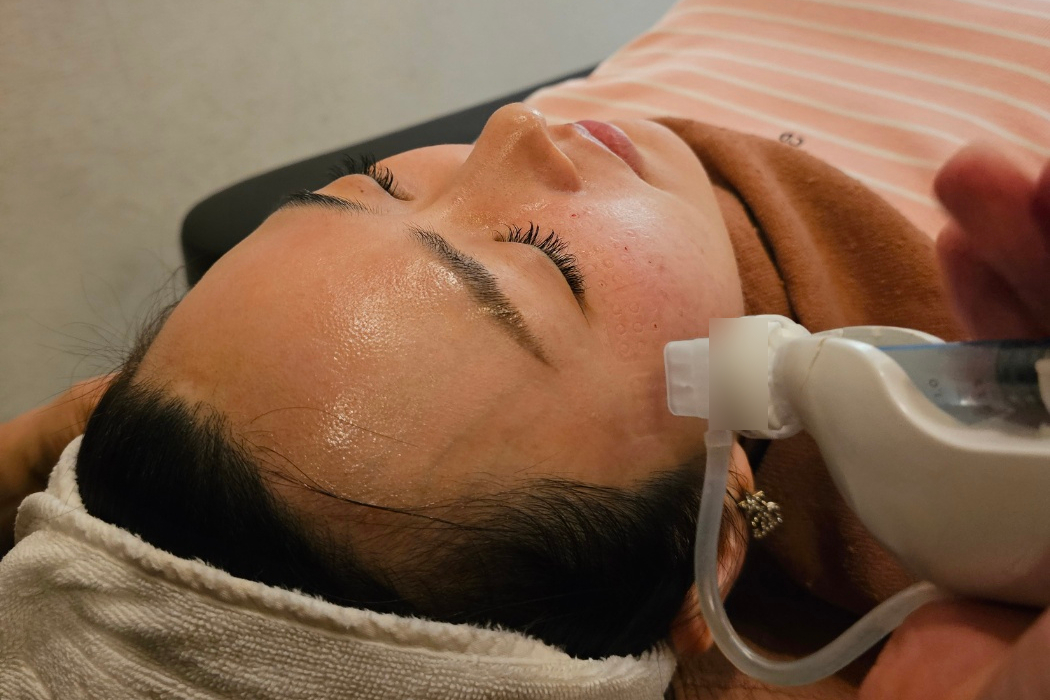
At Skinique Clinic, the volume per session and the injection depth are set differently for each skin booster. That said, this is a treatment in which a needle passes through the skin, so it cannot be entirely painless, and how much is felt differs from person to person.
What change can be expected
Collagen begins to decline gradually from your thirties, and that decline shows up as dullness, fine lines and sagging. Topping up collagen in the dermis with Laetigen can be expected to move things in the following directions.
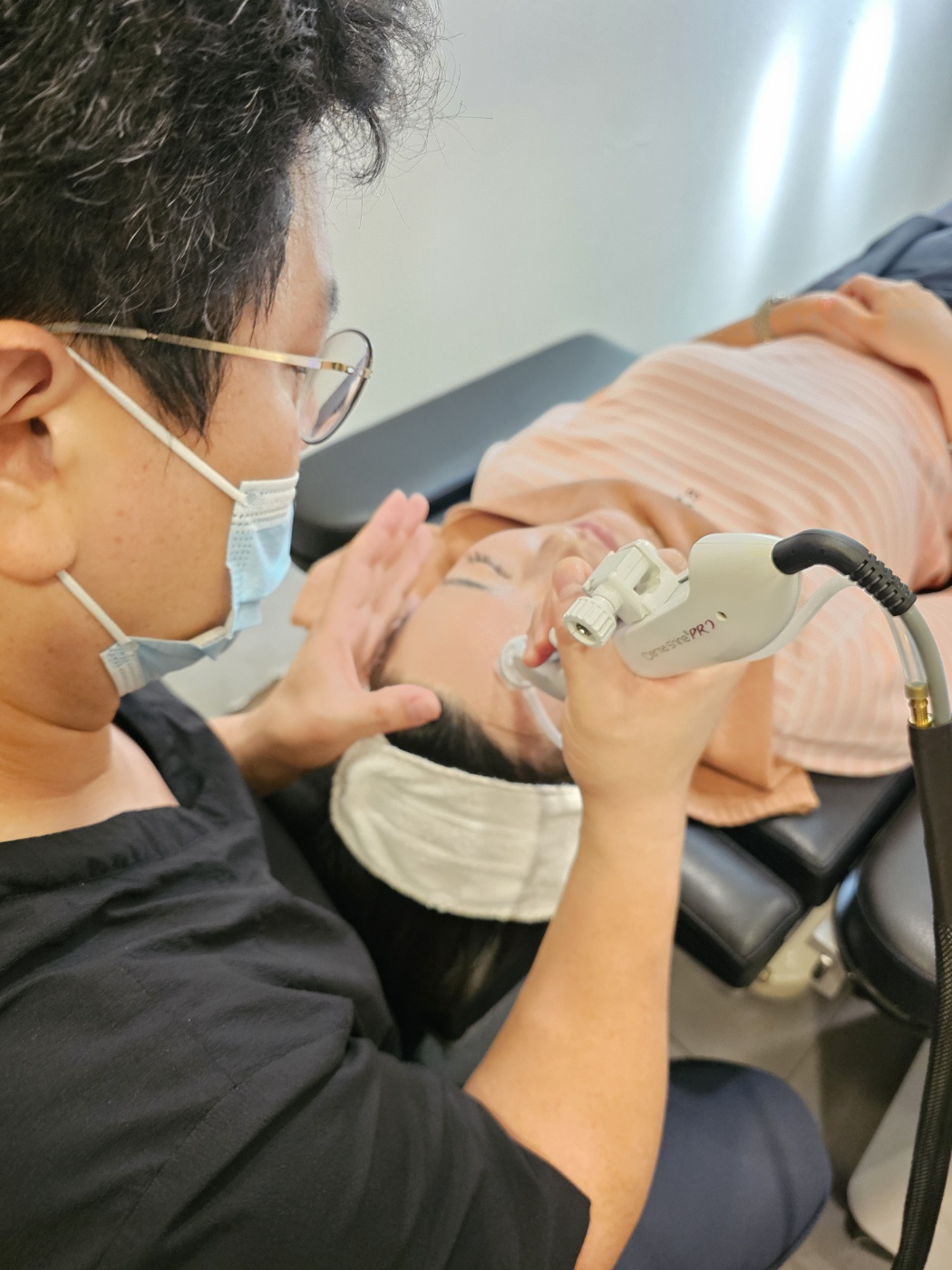
- Reinforced firmness supporting the structure of the skin
- A better-hydrated feel from improved moisture retention
- Improvement in fine lines, pores and skin texture
- Support for fibroblast function, encouraging new collagen production
The characteristic feature is a dual action: immediate filling alongside an environment that favors renewal. The degree and pace of change vary with the condition of your skin.

How treatment intervals are set
The developer (Korea Pavis Pharm) accounts for the half-life of collagen and suggests a second session two to three weeks after the first, and a third three months later. Rather than following that schedule as a formula, however, it generally works out better to adjust it individually after discussing your age and skin condition with the medical team.
Downtime and precautions
As with any injection treatment, redness and needle marks immediately afterwards cannot be avoided, but thanks to the properties of the neutral collagen they tend to settle faster than with other skin boosters. Less commonly, itching, a feeling of tightness or small lumps may appear for two to three days; these usually normalize within a few days.
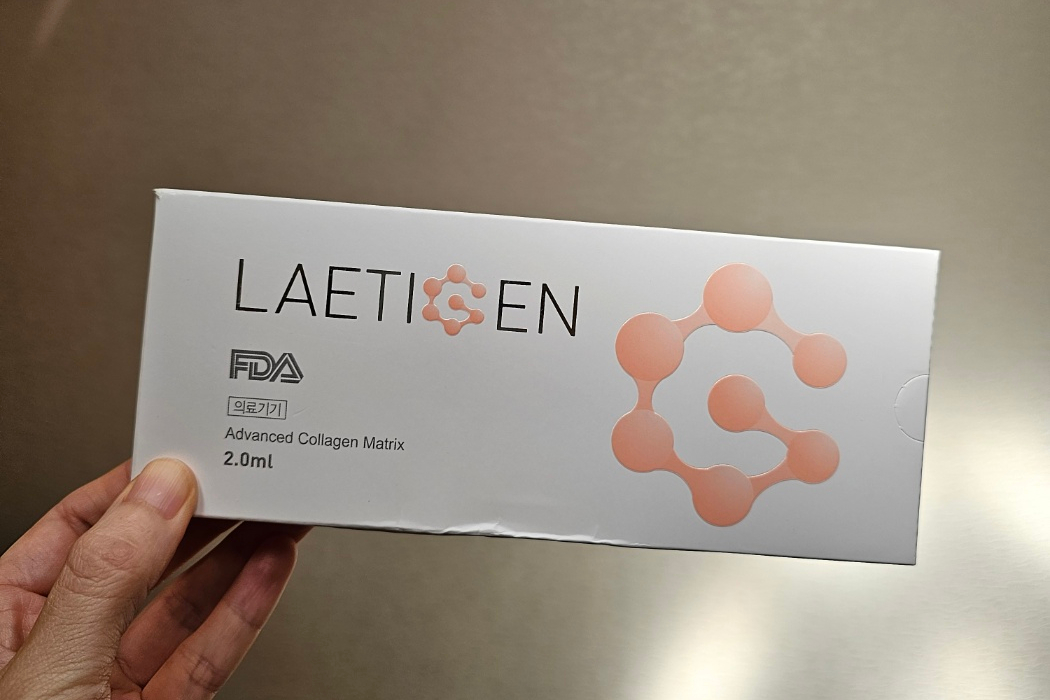
Elements that trigger an immune response are removed during manufacturing and the product goes through high-pressure steam sterilization, so there are not many side effects of particular concern. Still, because the ingredient is sensitive to heat, it is better to avoid activities that cause sharp temperature swings for at least five days after treatment — saunas, alcohol, exercise that flushes the face, and cold treatments such as cryotherapy.
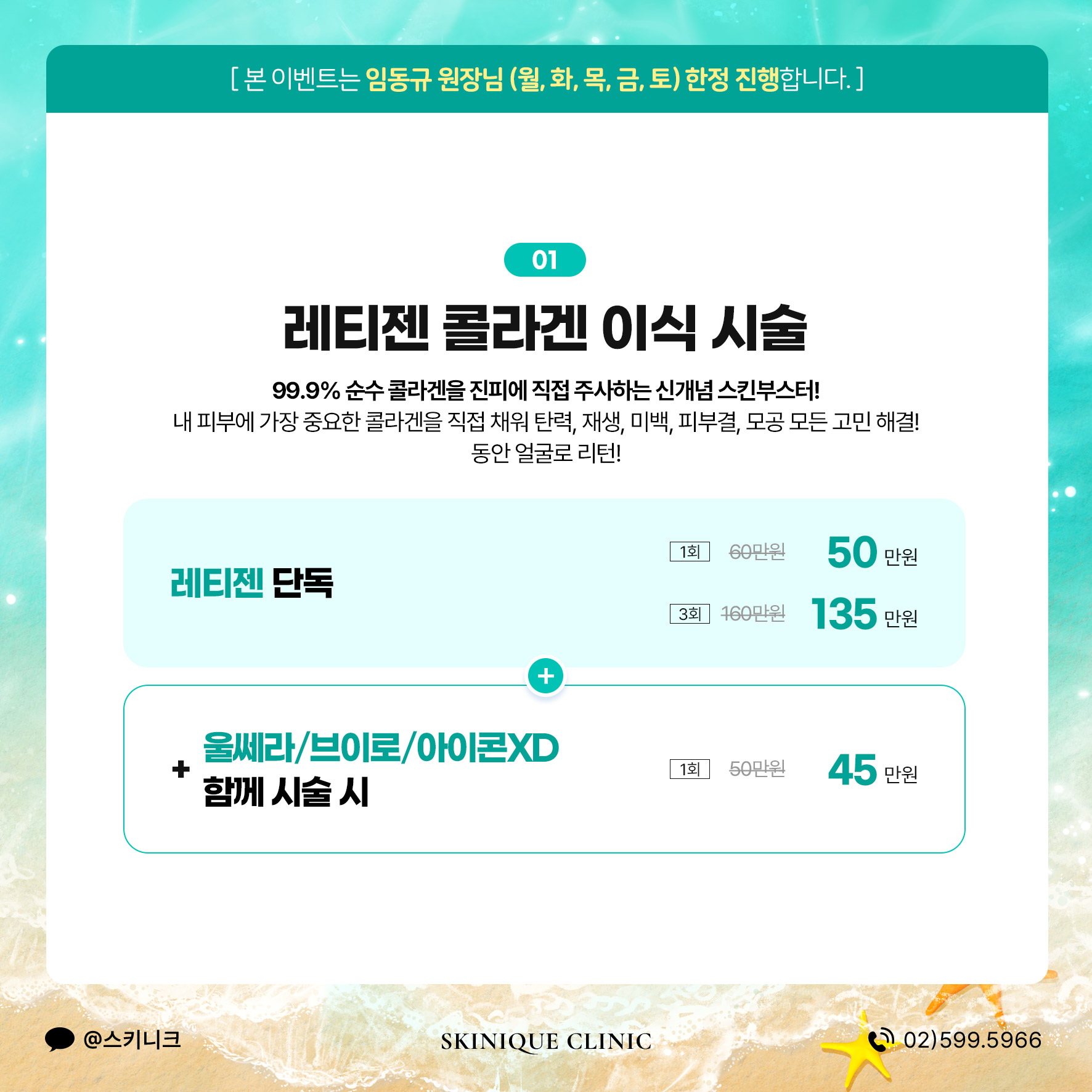
Laetigen can be applied to the whole face as well as to areas where fine lines are a concern, such as around the eyes and mouth, and pairing it with Juvelook, Ultherapy, V-RO or Icon XD may offer added benefit. If you are curious about cost, you can check the pricing page.
Wrapping Up
Laetigen places high-purity collagen directly into the dermis with the aim of improving firmness, hydration and skin texture, and its strength is the relatively light burden of pain and downtime. The right interval and any combined treatments depend on your skin, so it is best to plan them through a consultation. If you would like to know whether Laetigen suits your skin, it is worth asking over chat first.
This article was written by Dr. Park Tae-hyung, chief director of Skinique Clinic and an academic director of the Korean Academy of Laser, Dermatology and Trichology. First published July 5, 2024 · Last reviewed August 23, 2026
This article is general medical information. Skin condition and response to treatment vary between individuals. Whether to undergo treatment, and which one, should be decided through an in-person consultation.