

Many people notice hollowed cheeks and a loss of firmness every time they look in the mirror, yet want to avoid the artificial look that filler can sometimes give. Juvelook Volume sits between those two concerns as a collagen-stimulating volume procedure. This article walks through how Juvelook Volume works, how it differs from conventional filler, what the procedure involves, and what to keep in mind.
How Juvelook Volume Works with PLLA and Collagen
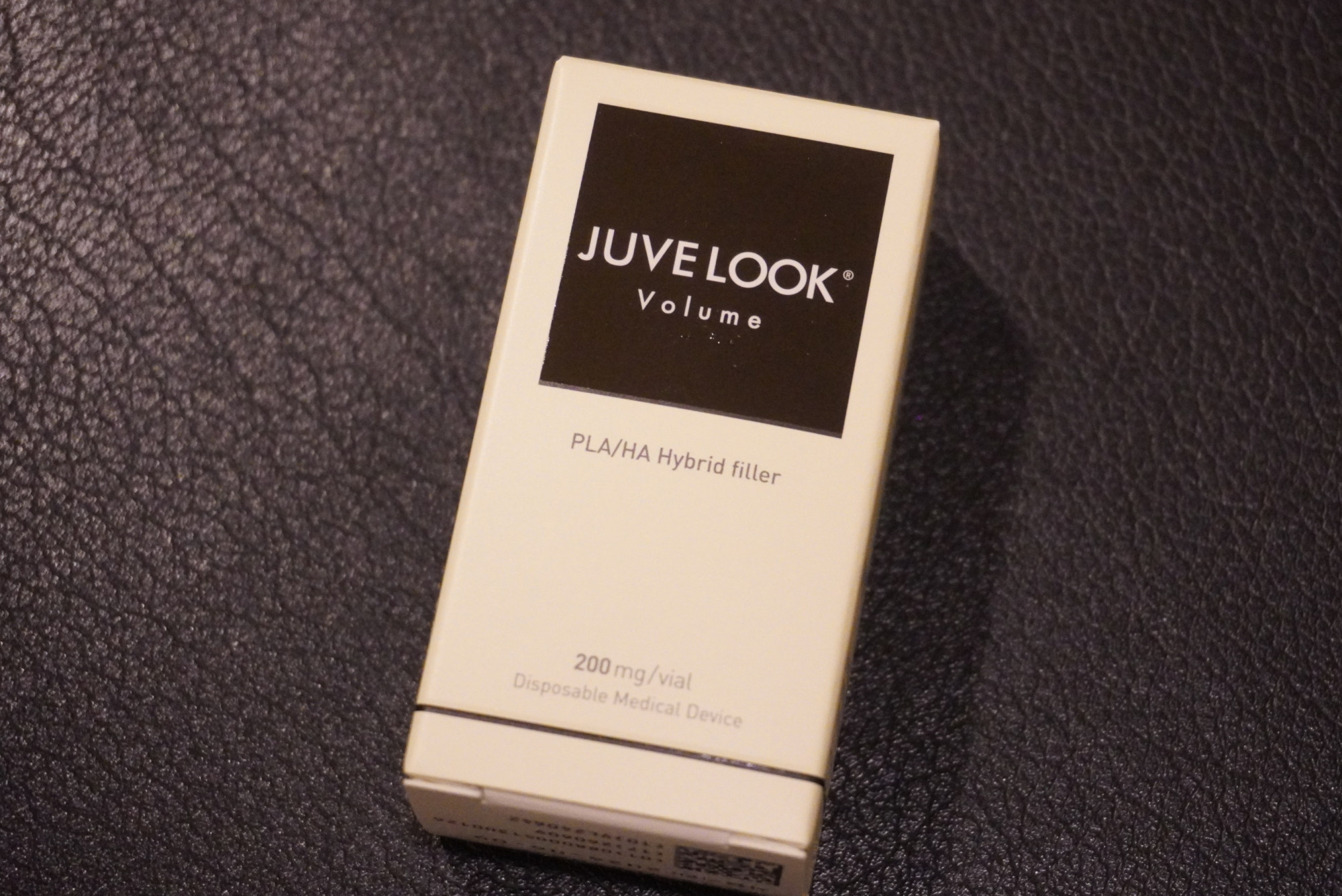
Where conventional filler is based on hyaluronic acid, the key ingredient in Juvelook Volume is PLLA (poly-L-lactic acid). Once injected, PLLA particles break down slowly in the body, and during that process they prompt the surrounding tissue to synthesize collagen. What forms, then, is not volume packed in from the outside but volume and firmness the skin builds on its own, gradually.
How It Differs from Conventional Filler
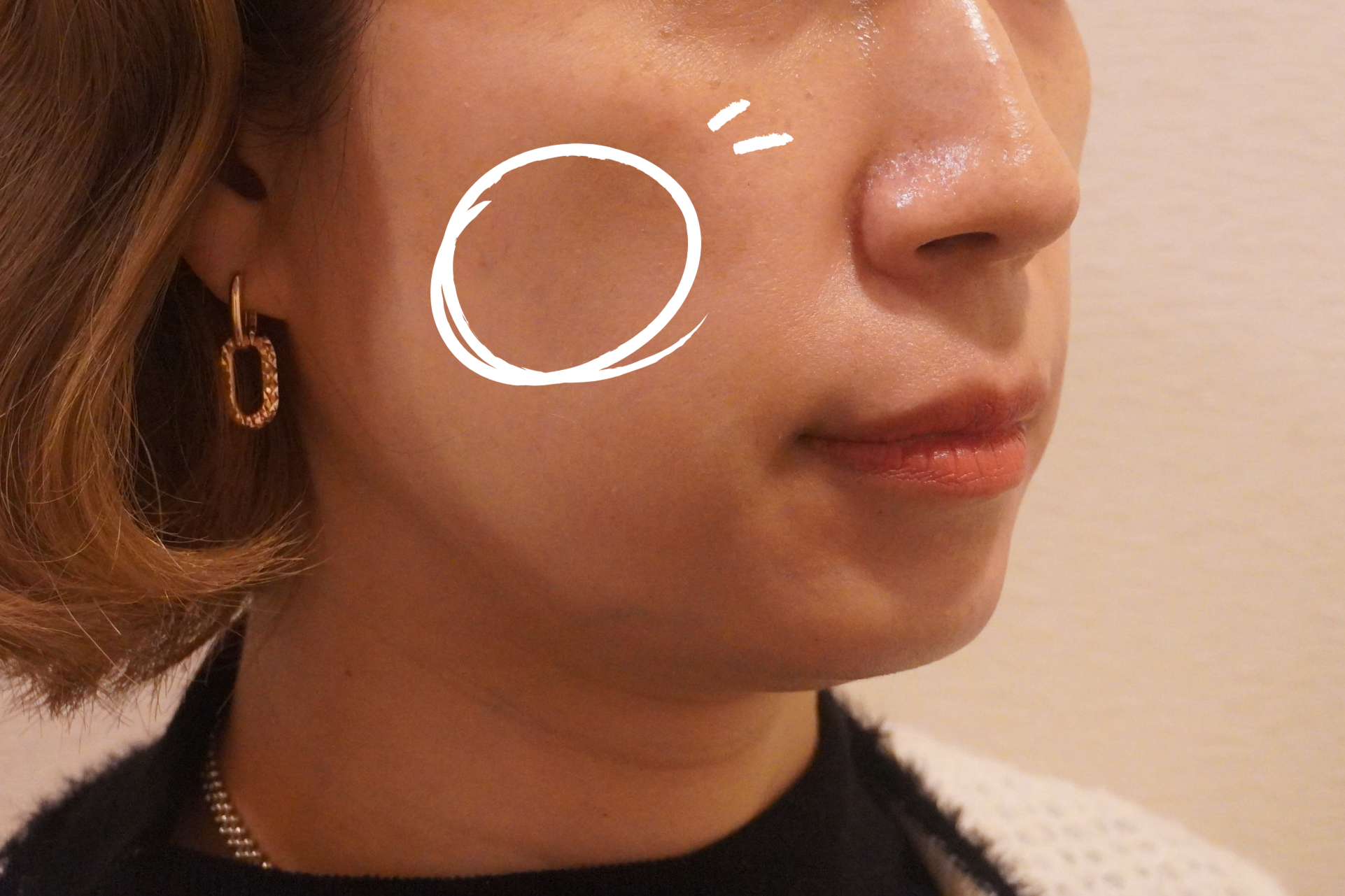
Juvelook Volume is most often applied to areas where hollowing stands out, such as the front and the side of the cheeks. Unlike gel filler, which shapes the area on the spot, Juvelook comes as a powder that is hydrated in saline before injection. The volume felt right after the injection comes from that fluid and settles within a few days; the particles left in the skin then draw out collagen, and volume returns slowly over several weeks.
To sum up, the trade-offs are clear. Not seeing a result right away can be a drawback, but because the volume comes from your own collagen it tends to read less obviously when the face moves, and it fades gently. That is exactly why it helps to understand these characteristics before the procedure and to judge, together with a doctor, whether it matches your skin concerns and goals.
The Procedure and Preventing Nodules
At the clinic the sequence is usually consultation, hydration of the product, anesthesia, and injection. The side effect that calls for the most attention with Juvelook Volume is nodules (small lumps), and SKINIQUE Clinic follows these principles to lower the chance of them occurring.
- Taking enough time over hydration
- One vial per person
- No injection into areas where nodule risk is higher
- Guidance on how to massage after the procedure
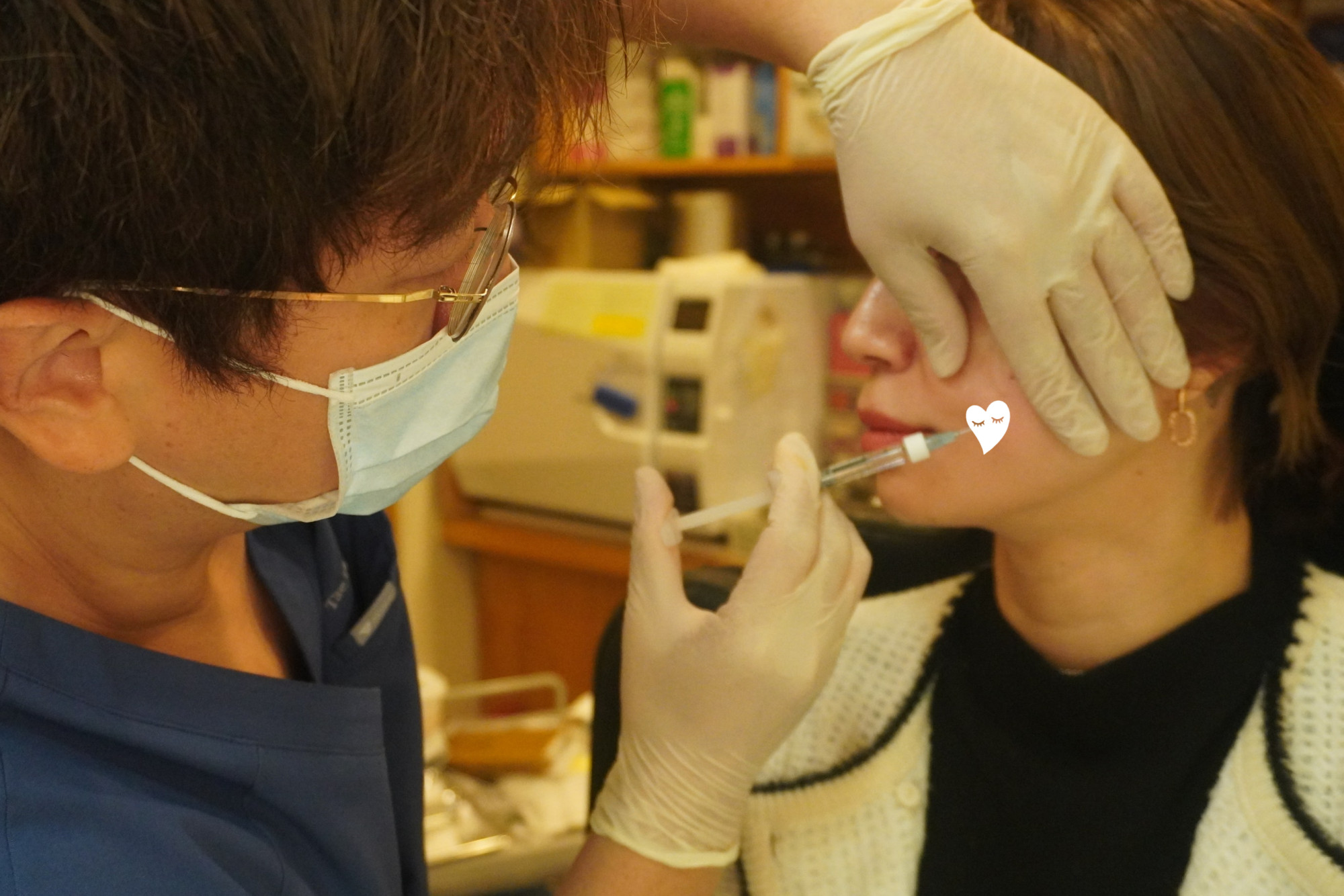
Experience and Aesthetic Judgment Shape the Result
Even with the same product, the direction of the result changes with who injects it and how. Accumulated treatment data and technical skill are the baseline, and an eye for the proportions of the whole face has to be added on top. A natural result comes from designing around the balance the face already has, rather than simply filling in a hollow.
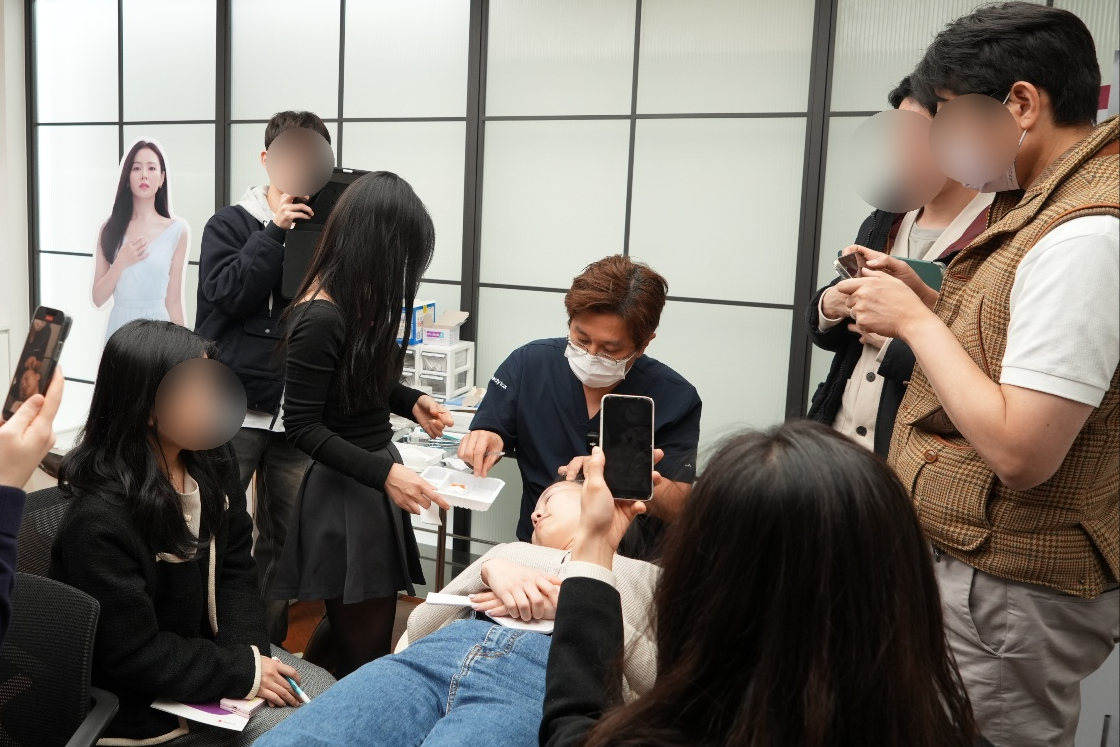
At SKINIQUE Clinic, chief director Dr. Park Tae-hyung handles everything from the consultation to the injection himself, one on one. He has also led hands-on Juvelook courses for other physicians.
Number of Sessions and Aftercare

- For volume improvement, around three sessions at one-month intervals is commonly suggested, and the number actually needed varies with skin condition.
- The small hydrocolloid dressing placed over the needle marks can be removed after one to two days.
- To help prevent nodules, keep up the massage as instructed after the procedure.
Detailed pricing is available on the price guide.
Wrapping Up
Juvelook Volume aims at a gradual return of volume through your own collagen rather than immediate filling, which makes it an option for those who put naturalness first. Progress and satisfaction do vary from person to person, so the first step is checking whether it suits your skin condition. If you have questions, feel free to ask through a chat consultation on the right direction for your skin.
This article was written by Dr. Park Tae-hyung. He is the chief director of SKINIQUE Clinic and serves as academic director of the Korean Society for Laser Dermatology and Trichology.
First published December 11, 2024 · Last reviewed August 23, 2026
This text is general medical information. Skin conditions and responses to treatment can vary between individuals. Whether to undergo treatment, and by which method, should be decided through an in-person consultation.