

When you start looking into skin boosters for pores, scarring or loss of firmness, the name Juvelook Potenza comes up often. Even with the same Juvelook, the device and the tip used to deliver it change both the process and how satisfied people end up feeling. This article walks through the product itself, from how Juvelook works to how the Juvelook Potenza treatment is carried out using the CP-25 fusion (pumping) tip.

What kind of skin booster is Juvelook?
Juvelook is a skin booster from VAIM containing polylactide (PDLLA) and hyaluronic acid (HA), approved by Korea's Ministry of Food and Drug Safety (MFDS). PDLLA is an FDA-approved ingredient that is biodegradable and biocompatible, so it is absorbed without leaving residue in the skin, and in the course of that process it prompts the body's own collagen production, which can help with firmness, pores and scarring. The hyaluronic acid included alongside it holds moisture within the skin, contributing to hydration and the maintenance of resilience.
In short, Juvelook can be understood as a product aimed at the collagen and hyaluronic acid that decline with ageing, working toward a gradual improvement in skin structure over time.
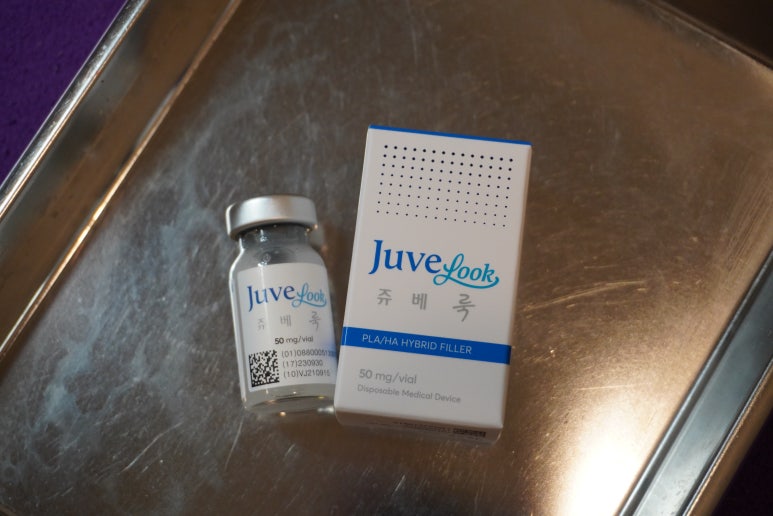
If you have been confusing it with Sculptra
Early after its launch, Juvelook was often compared with Sculptra because their main ingredients are similar, and there were concerns that the nodules or clumping occasionally mentioned with Sculptra might occur with Juvelook too. The two, however, serve different purposes. Sculptra is intended to create volume, whereas Juvelook — the standard product, not the Volume line — was designed as a skin booster for improving skin texture and stimulating collagen production, with ultra-fine particles engineered to lower the likelihood of nodules and clumping. Individual variation exists with any treatment, but when the product is properly hydrated and injected correctly, the body's own collagen filling in depressed areas is a reasonable expectation, making it a fitting option for concerns about pores, scarring and fine lines.
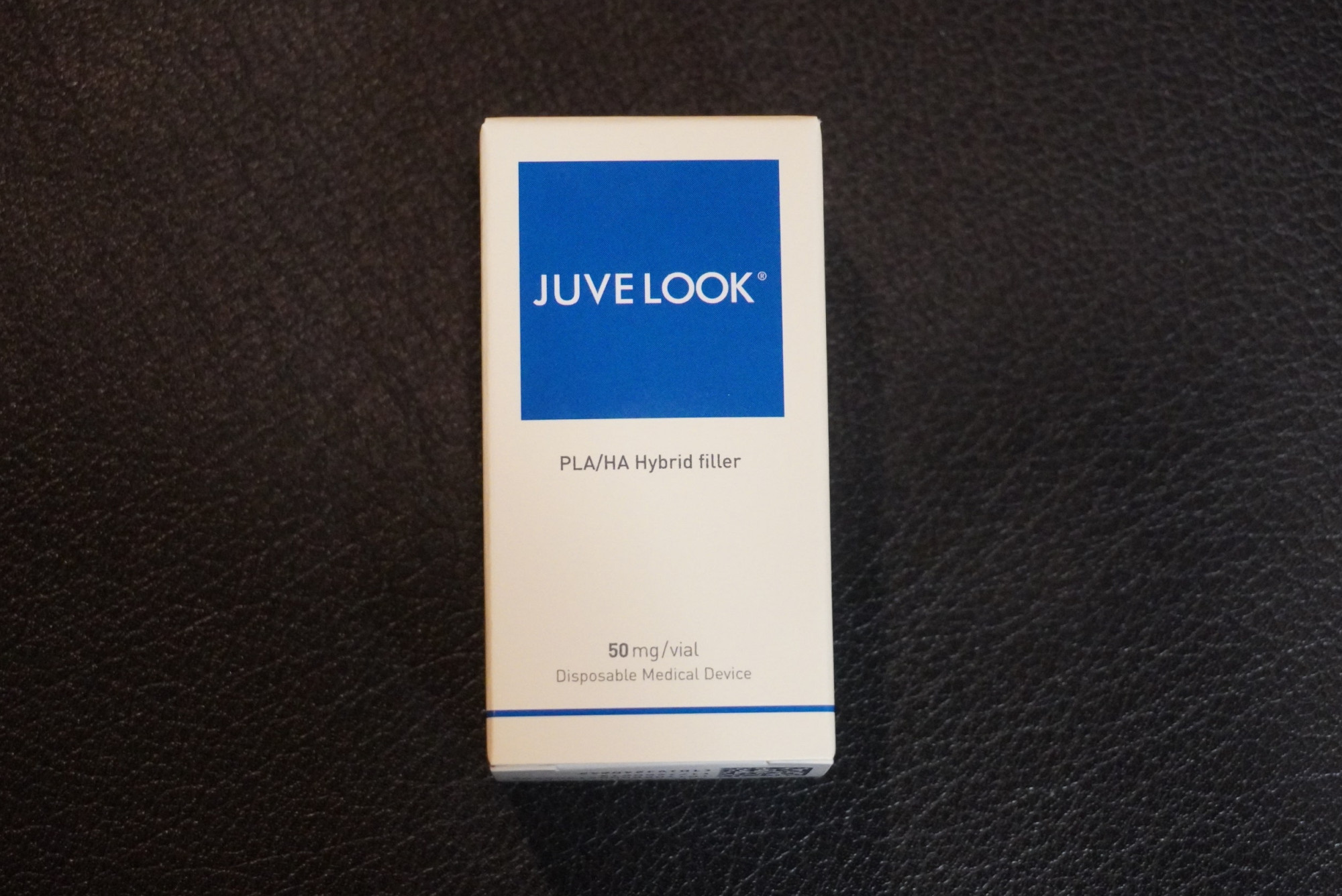
Juvelook Potenza and the CP-25 fusion tip
Juvelook is approved for direct intradermal injection, so it can also be administered by hand injection or with Dermashine. Among the options, Juvelook Potenza is performed together with the Potenza laser, and Skinique Clinic uses the CP-25 fusion tip, which is optimised for skin booster delivery.
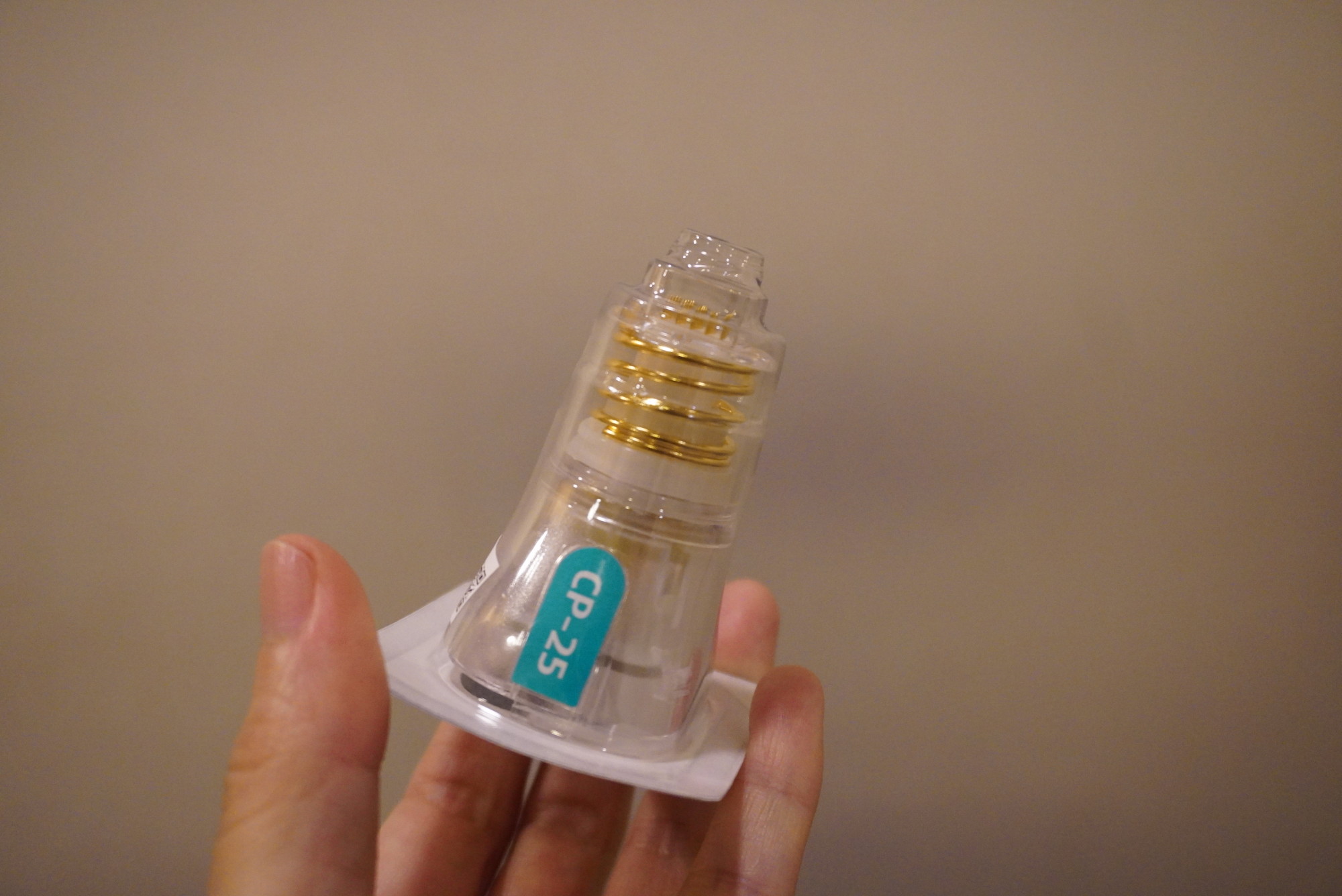
Using the fusion tip means somewhat less discomfort than injection alone, more even distribution of the product, and radiofrequency energy delivered at the same time, so a synergy between the two treatments can be expected. One thing worth keeping in mind is that even under the same name, "Juvelook Potenza", the method changes with the tip being used. We recommend checking which tip will be used before your treatment.
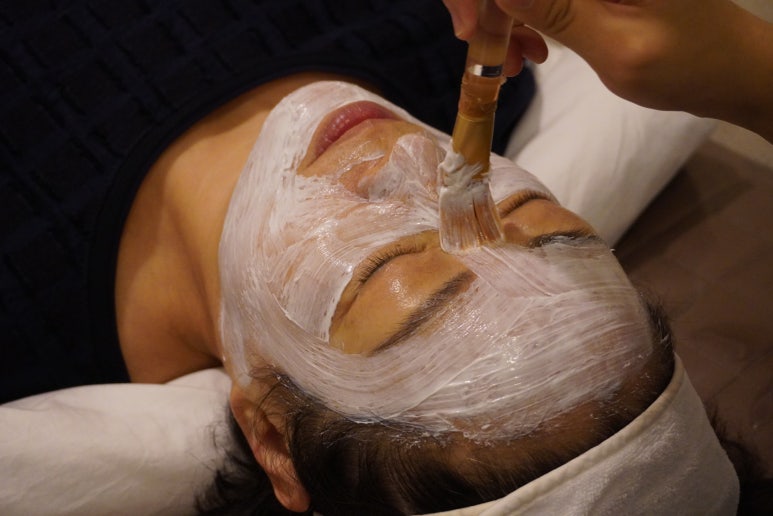
How the treatment is carried out
Once the treatment is decided, numbing cream is applied first. Pore concerns usually centre on the butterfly zone across the mid-cheeks and on the nose, so the cream is applied generously across the nose as well, so that no area is missed. Juvelook comes in powder form and must be hydrated before use; Skinique Clinic prepares it using a method settled on after reviewing clinical data and published papers. All tips are single-use genuine products, opened in front of you just before treatment for confirmation, and used tips are discarded immediately and never reused under any circumstances.
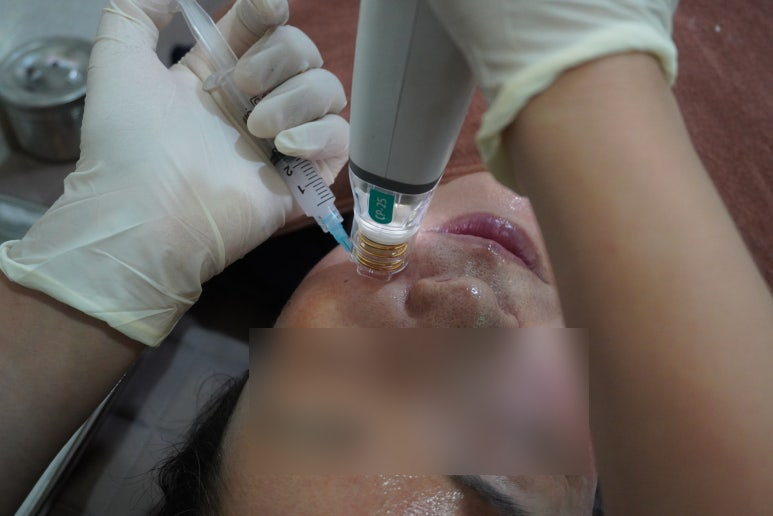
The treatment itself involves applying Juvelook to the skin and then using the negative pressure of the fusion tip to deliver it densely and evenly into the dermis. How the shot count, depth and intensity are adjusted is where the practitioner's experience comes in; maintaining a sufficient shot count and an appropriate depth while keeping discomfort down is the standard Skinique Clinic works to.
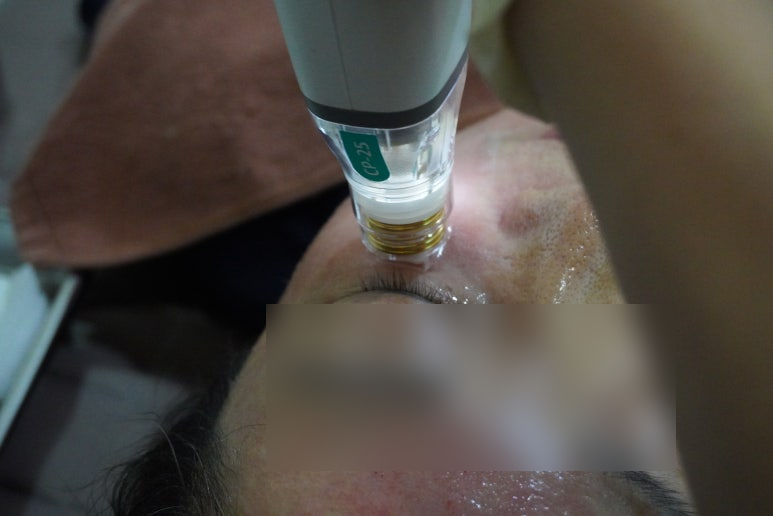
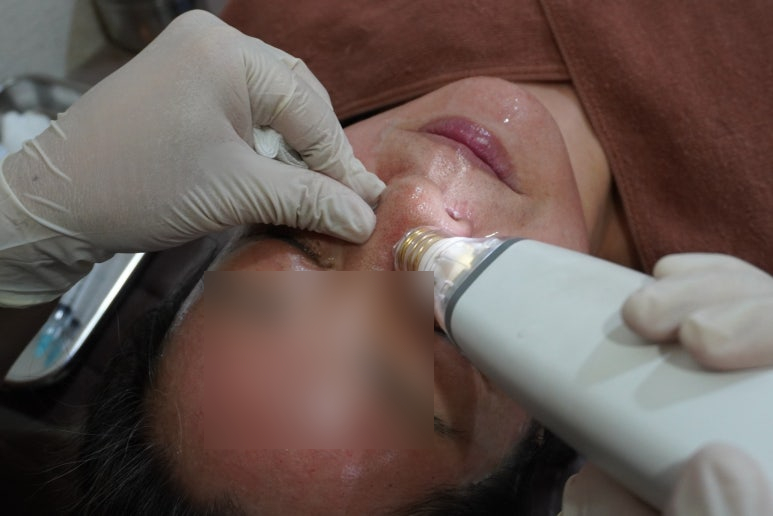
Covering the face as a whole, the butterfly zone where pore concerns cluster, and awkward areas such as around the eyes, the bridge and sides of the nose and the philtrum — attending carefully right down to the last shot is what makes the difference in satisfaction.
What to know after the treatment
Temporary redness, swelling and fine scabbing can appear after treatment, and these are part of the normal recovery process. Avoid excessive irritation and follow the aftercare instructions you are given. Results and how long they last vary from person to person, so it is best to plan treatment after a thorough consultation.
Wrapping Up
Juvelook Potenza brings together Juvelook, which prompts the body's own collagen production, and the synergy of radiofrequency energy, delivered through the fusion tip, and it can be considered across concerns about pores, scarring and firmness. Detailed costs are listed on the price guide. If you are wondering whether it suits your skin, feel free to ask through a chat consultation on the right Juvelook treatment for your skin.
This article was written by Dr. Park Tae-hyung, Chief Director. He is the Chief Director of Skinique Clinic and serves as Senior Director of the Korean Academy of Laser, Dermatology and Trichology (KALDAT). First published February 9, 2025 · Last reviewed August 23, 2026
This article is general medical information. Skin condition and response to treatment vary between individuals. Whether and how to proceed with treatment should be decided through an in-person consultation.