
Facial skin tends to get all the attention, while the neck is easy to overlook. That is why many people come in at a relatively young age, bothered by horizontal neck lines or neck skin that has begun to lose its firmness. This article walks through how Juvelook works for these concerns, how the treatment is carried out, and the limits worth knowing about beforehand.
What kind of product is Juvelook?
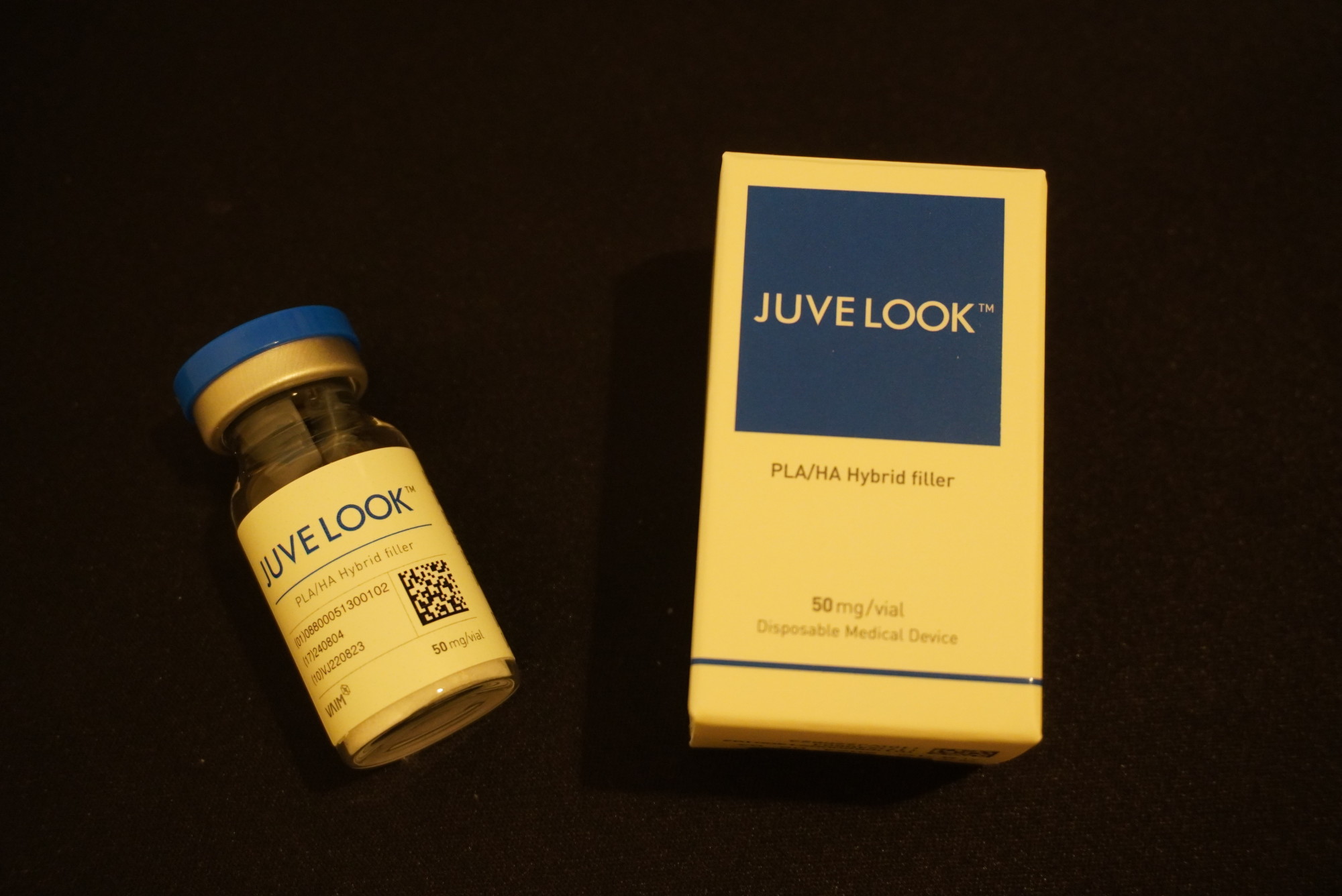
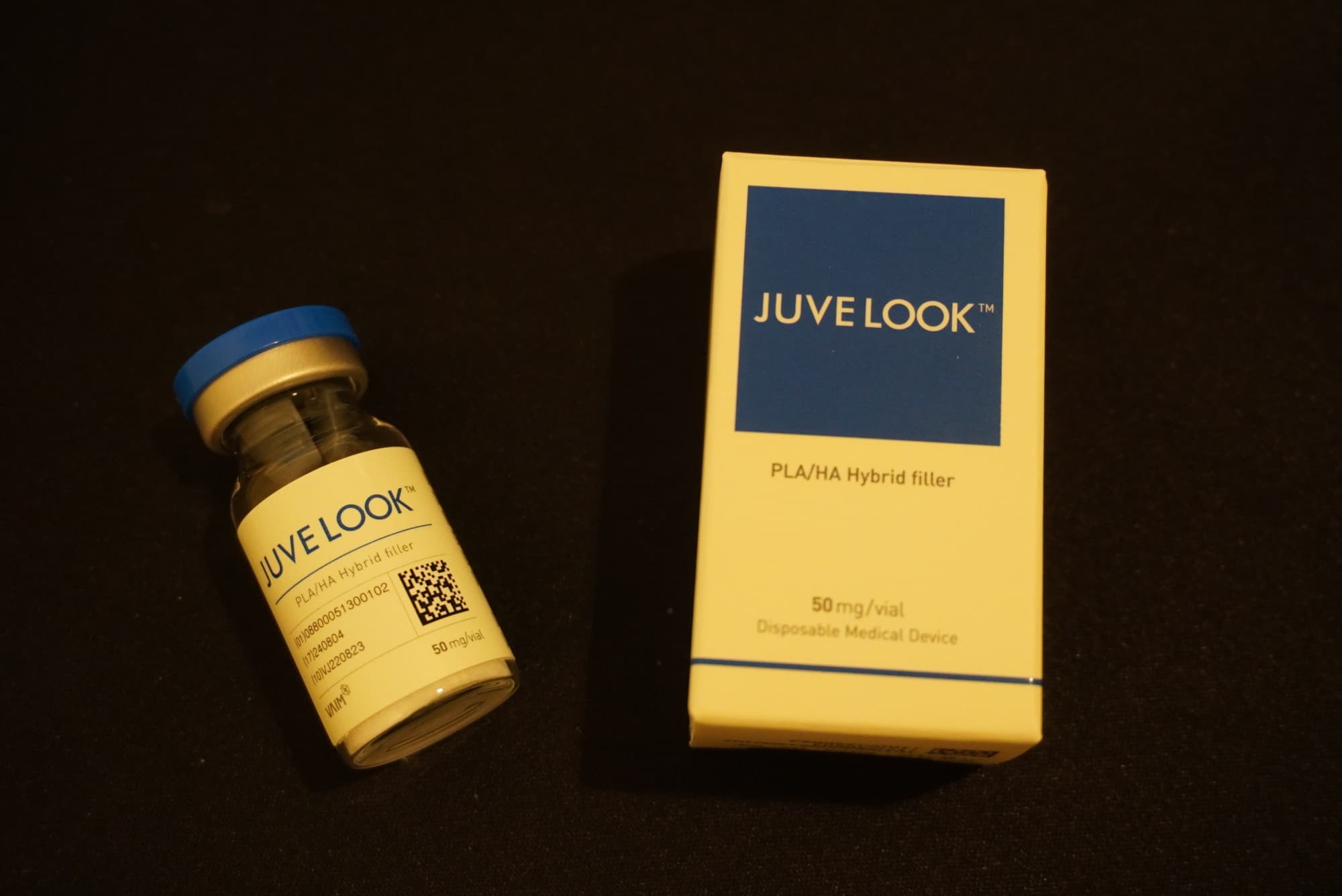
Juvelook is an injectable that combines PLA, the polymer used in dissolvable lifting threads, with hyaluronic acid (HA). It breaks down in the body over time without leaving residue behind, while prompting the skin to build its own collagen over the following months. Unlike a filler that adds volume directly, the change comes from your own skin shifting gradually, so the result tends to look natural. Applied to the neck, it can help support skin firmness and tidy up fine lines.
Which neck lines is it suited to?
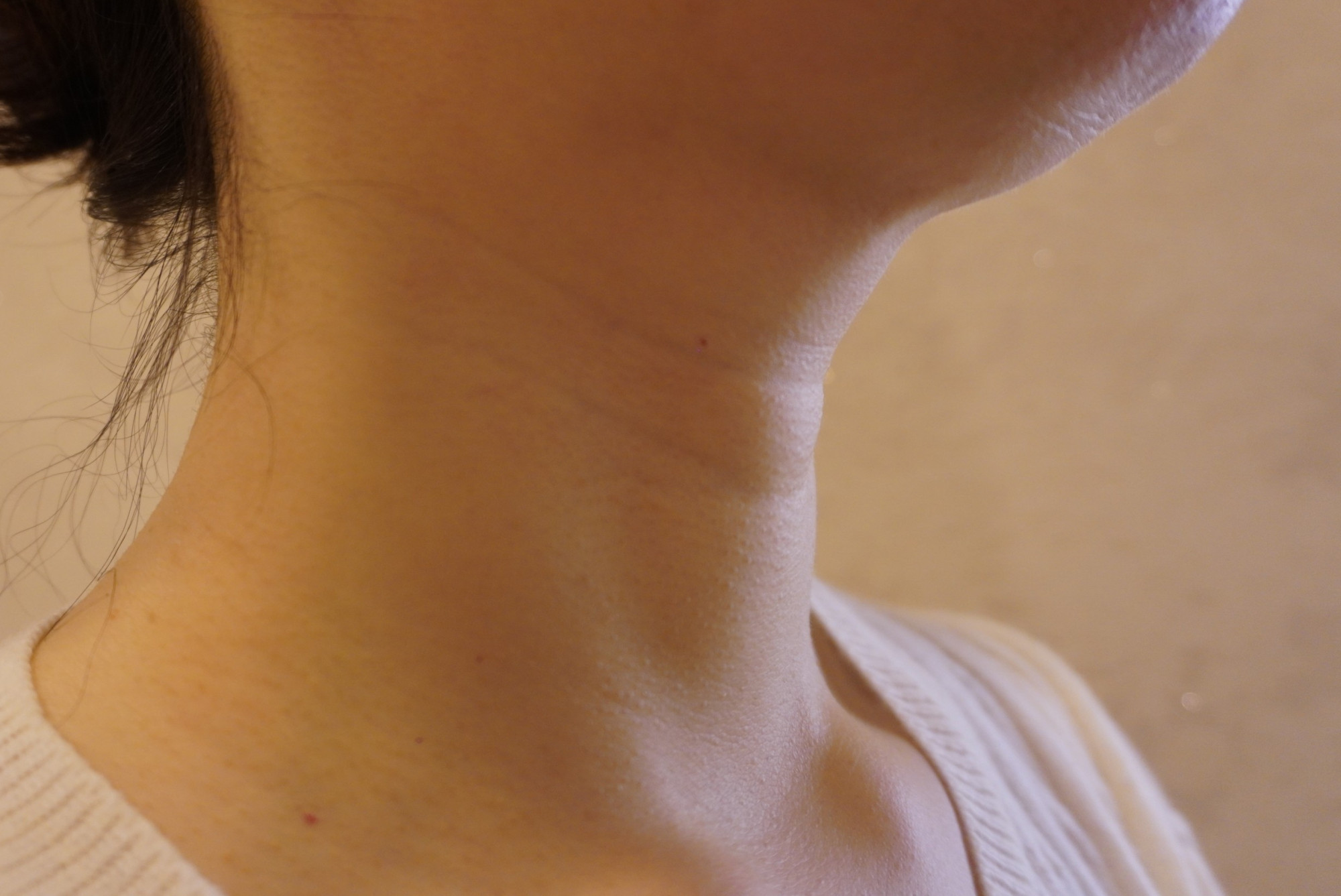
To be straightforward, Juvelook is not the answer for every neck line. Deep, well-established horizontal creases are difficult to smooth noticeably with Juvelook alone, and in those cases filling the groove with a filler is discussed as a separate option. If your concern is shallower lines and an overall loss of firmness in the neck skin, it is a reasonably approachable option to consider. Which of the two applies to you is judged by examining your skin directly during the consultation; we explain the change you can expect along with its limits before deciding together whether to proceed.
Even delivery with the Dermashine Pro
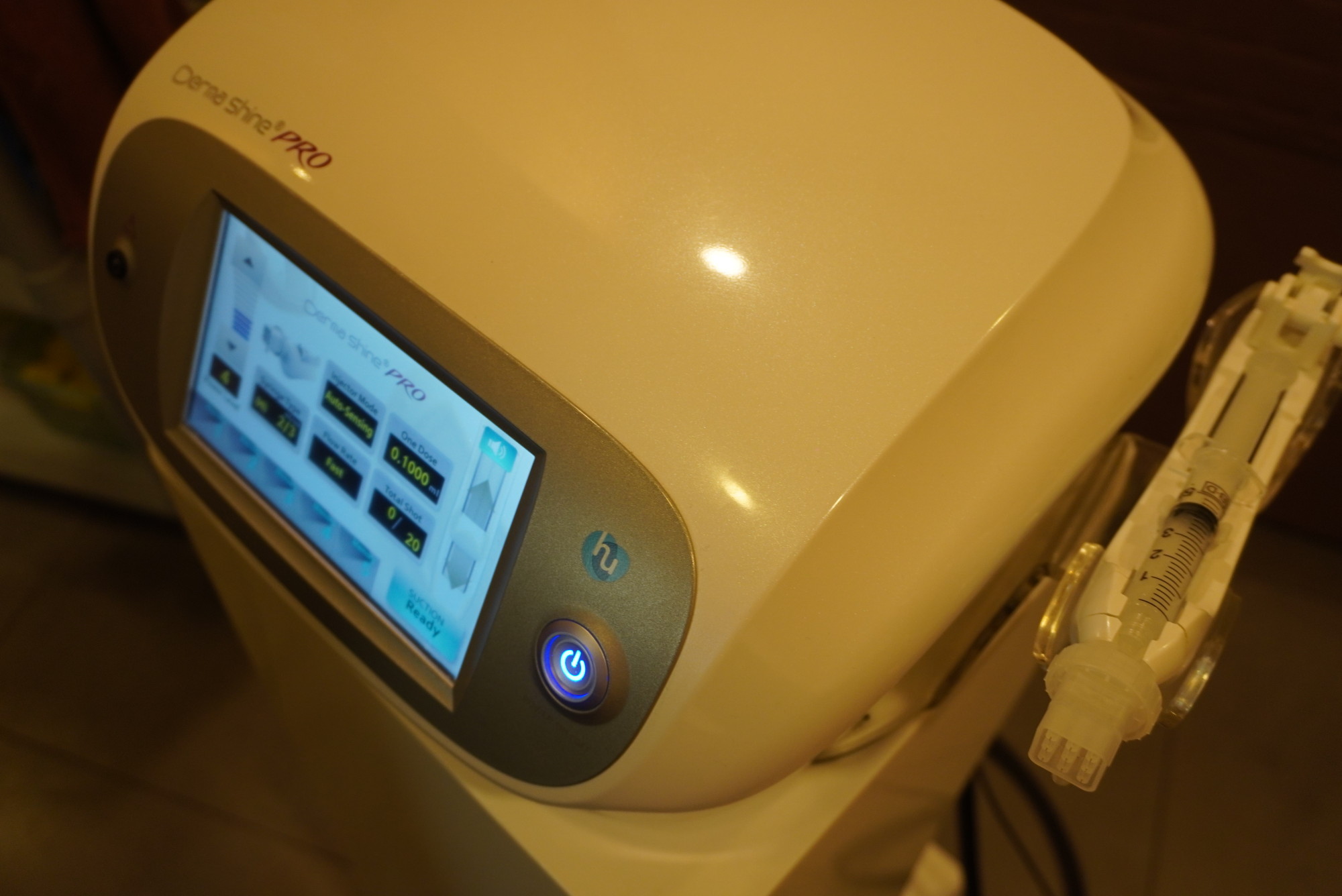
Skinique Clinic uses the Dermashine Pro for neck Juvelook. It is a dedicated injection device that uses nine micro-needles and negative pressure to place the product at a consistent depth in the target skin layer. Both the depth and the amount delivered per pass can be adjusted finely, which makes an even distribution easier to achieve than hand injection.
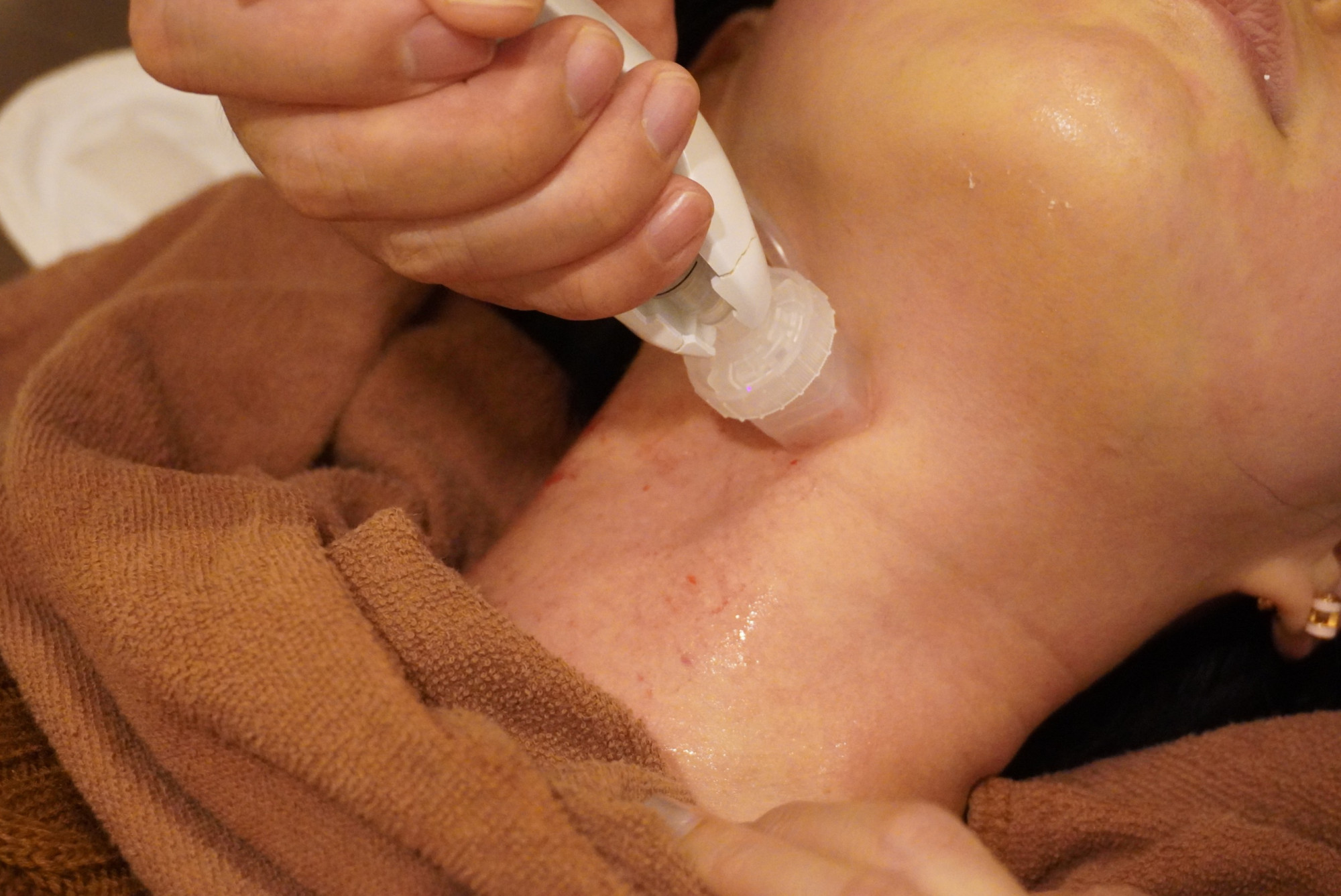
The neck has thinner skin than the face, so it calls for a more cautious approach. The treatment area is mapped out individually to cover as much of the area of concern as possible, and the injections pass over that area repeatedly at close intervals so the product spreads evenly.
The treatment sequence and what we show you
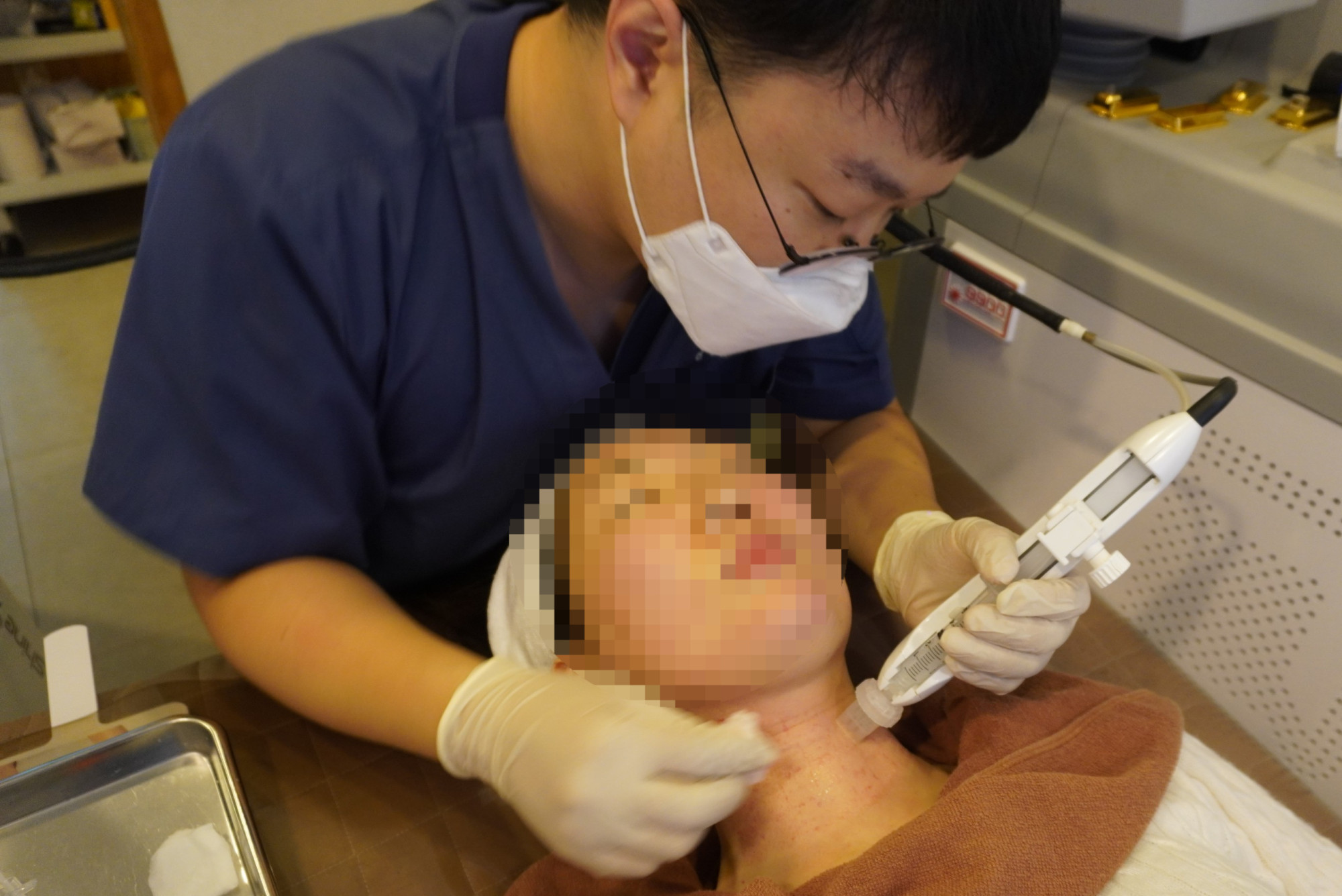
The full sequence runs consultation, numbing cream, treatment, then soothing care. Before we begin, the Juvelook product and dose to be used and the single-use Dermashine needle tip are all shown to you one by one. The point of this step is that you can be treated in a relaxed state, without any vague worry about expiry dates or dosage.
Downtime and when to book
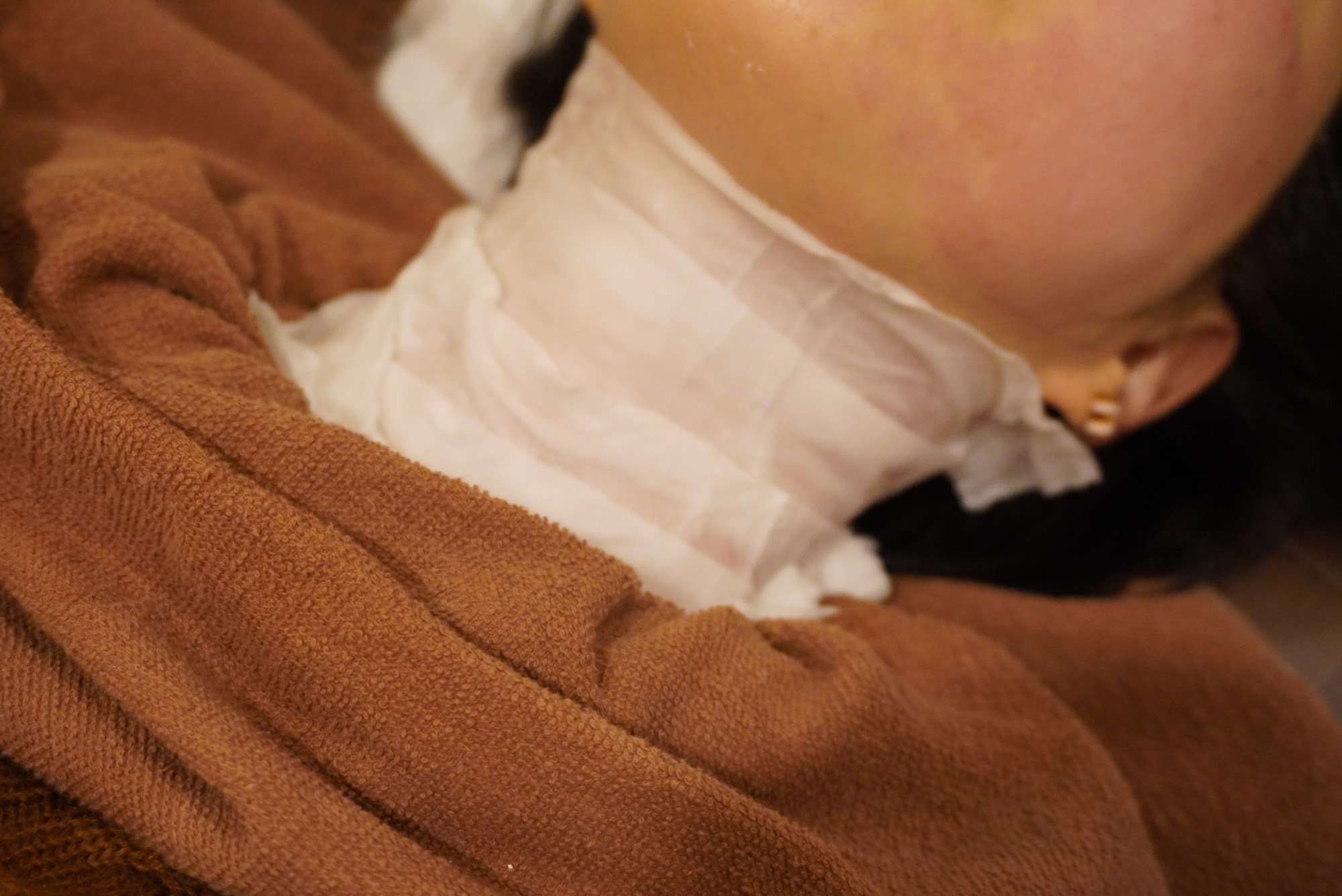
Immediately after treatment, the area is calmed with a soothing mask pack. Because needles pass repeatedly over thin skin, redness or marks on the neck can linger a little longer than they would on the face, so booking during a cooler season, when a scarf or collar covers the area naturally, tends to be easier. Recovery speed varies from person to person.
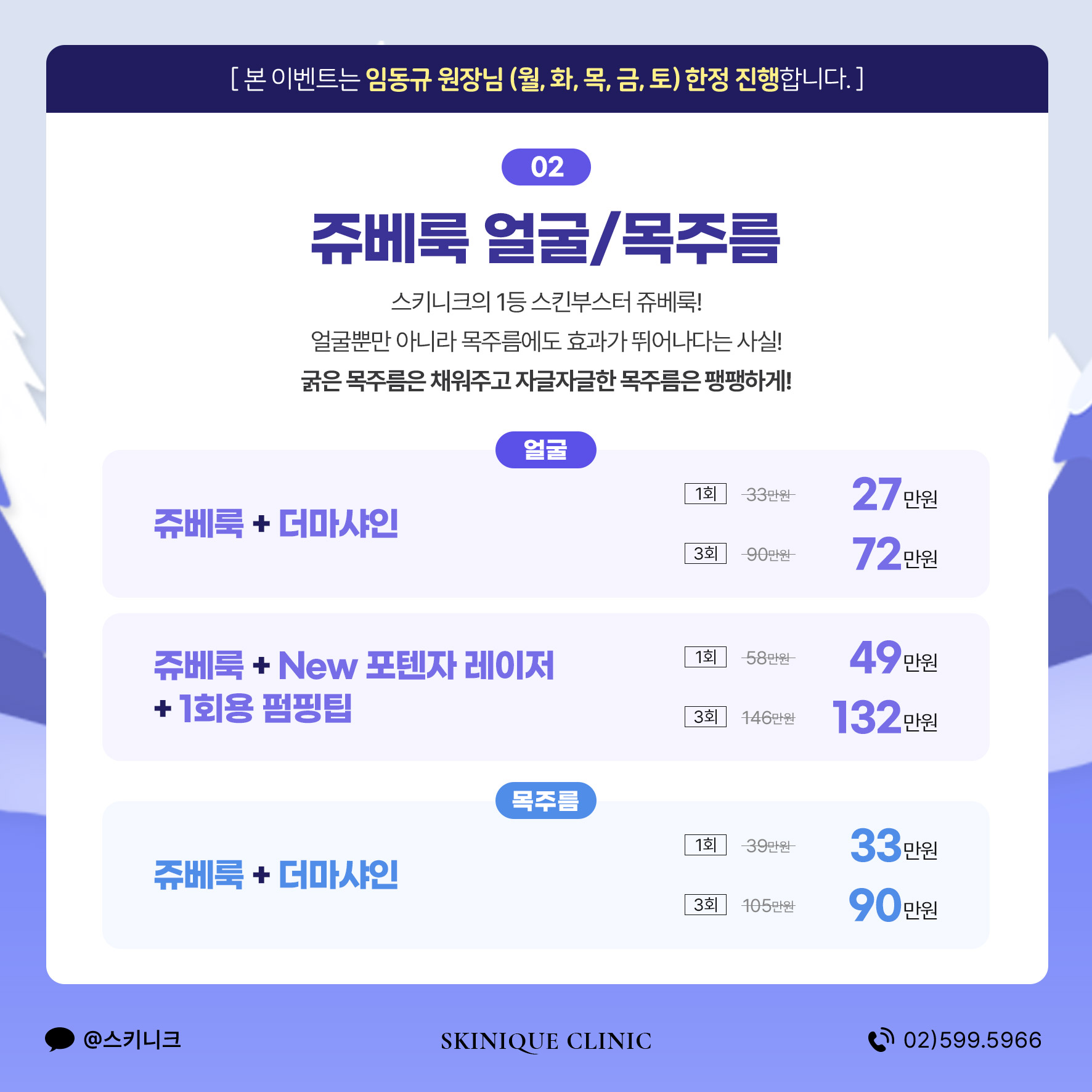
Detailed pricing is available on the pricing page.
Wrapping Up
Juvelook uses PLA and HA to prompt your own collagen production, gradually working on the firmness and shallow lines of the neck skin. Since there are limits to what it can do for deep creases, the first step is to check whether it is the right approach for the state of your neck. If you have questions, ask us through a chat consultation about the right direction for your neck lines.
This article was written by Dr. Park Tae-hyung, Chief Director. He is the chief director of Skinique Clinic and serves as an academic director of the Korean Society for Laser Dermatology and Trichology. First published November 11, 2023 · Last reviewed August 24, 2026
This article is general medical information. Skin condition and response to treatment can vary from person to person. Whether to undergo treatment and which method to use should be decided through an in-person consultation.