
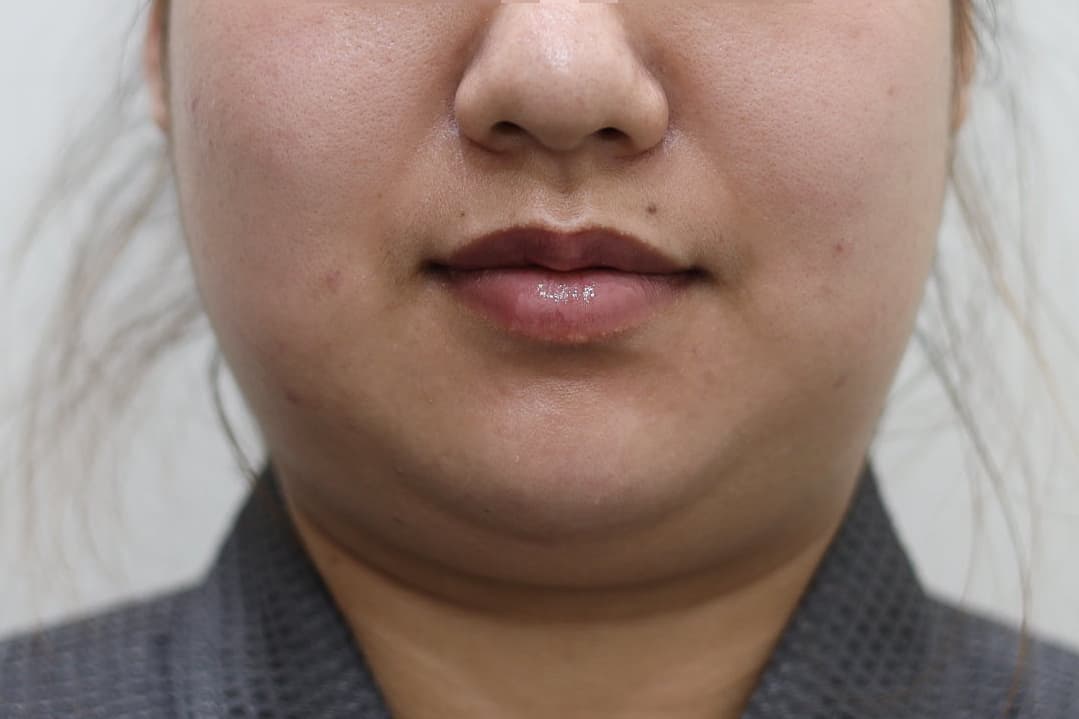
If the scale has gone down but the shape of the face in the mirror has not, only someone who has been there knows how frustrating that is. Localized fat that settles in the cheeks or under the chin rarely responds to exercise and diet alone. Here is a question-and-answer guide to fat-dissolving injections, the non-surgical alternative, and what is worth knowing before treatment.
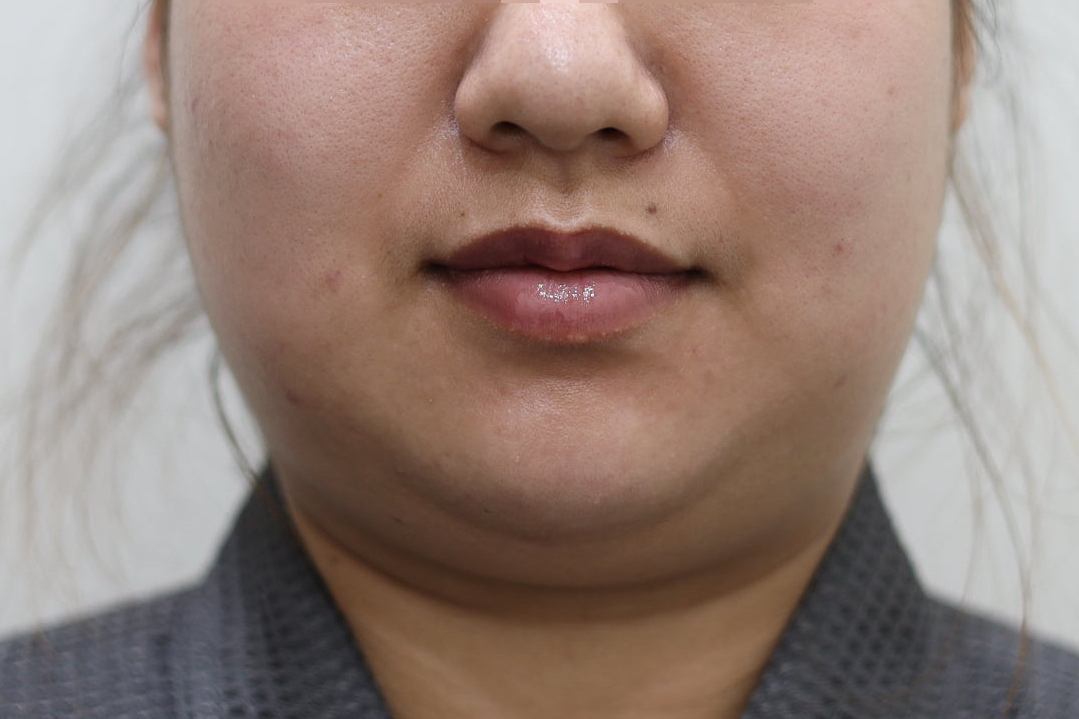
Why facial fat is so stubborn
Even as total body fat falls, you cannot choose which area loses it first. That is why it is common to be slim overall and still carry fullness under the chin, or to have volume concentrated around the cheekbones. Localized areas like these call for an approach aimed at that specific site rather than overall weight loss, which is what leads people to look into surgery such as liposuction, or into injections. And since it is treatment on the face, feeling apprehensive first is only natural.
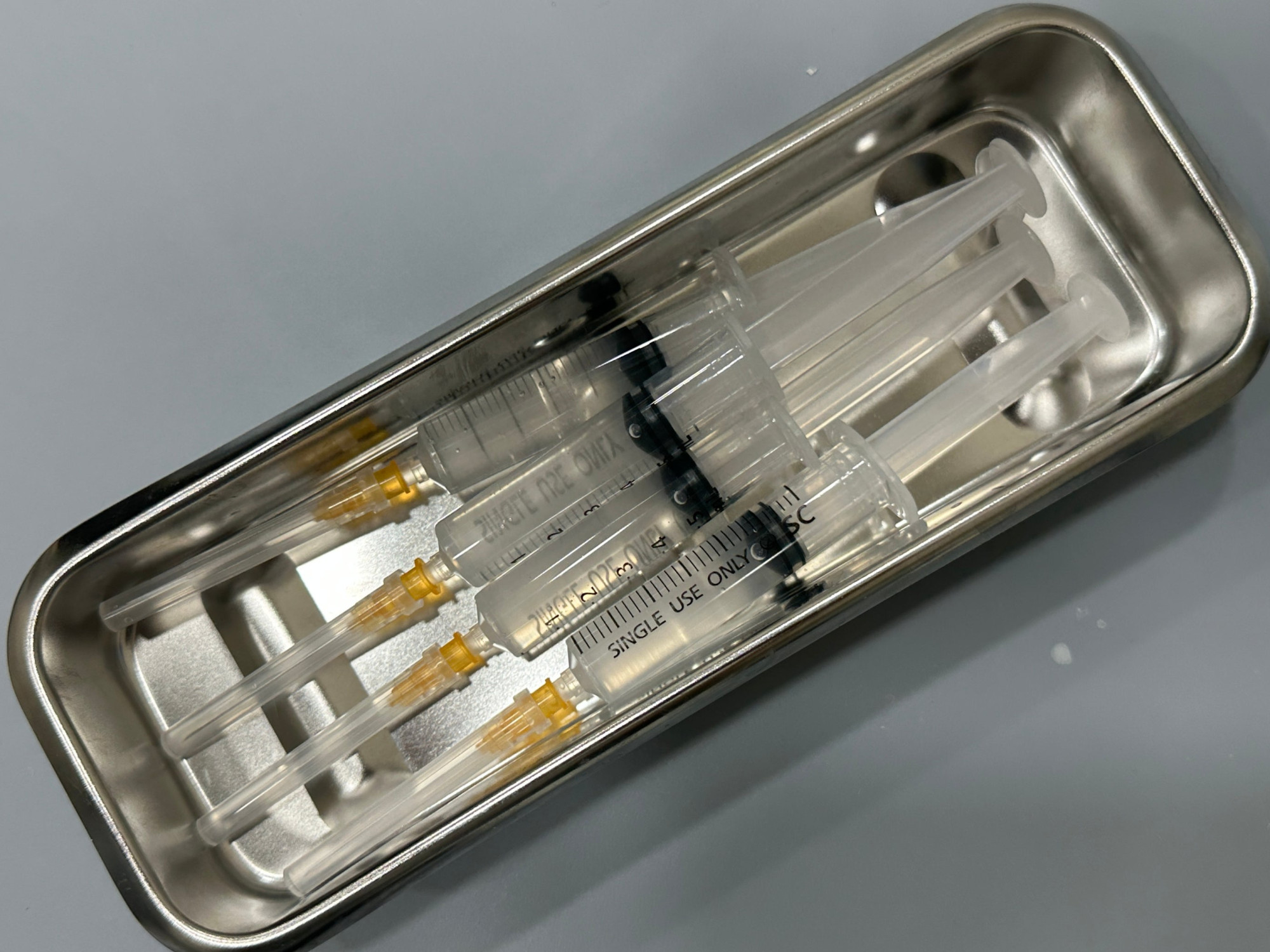
What is a fat-dissolving injection
A fat-dissolving injection is a non-surgical procedure in which a medication that helps break down and clear fat cells is delivered directly into the fat layer beneath the skin. With no incision, recovery is far lighter than with liposuction and a return to daily life is quicker, which is a large part of why people choose it. It is used mainly to refine the cheeks, the cheekbone area, a double chin and the jawline. Because the ingredients blended into it and their concentrations differ from clinic to clinic, it goes by nicknames such as the "slim-face shot" or the "melt-it-all shot". The specific combination is adjusted according to the physician's judgment.
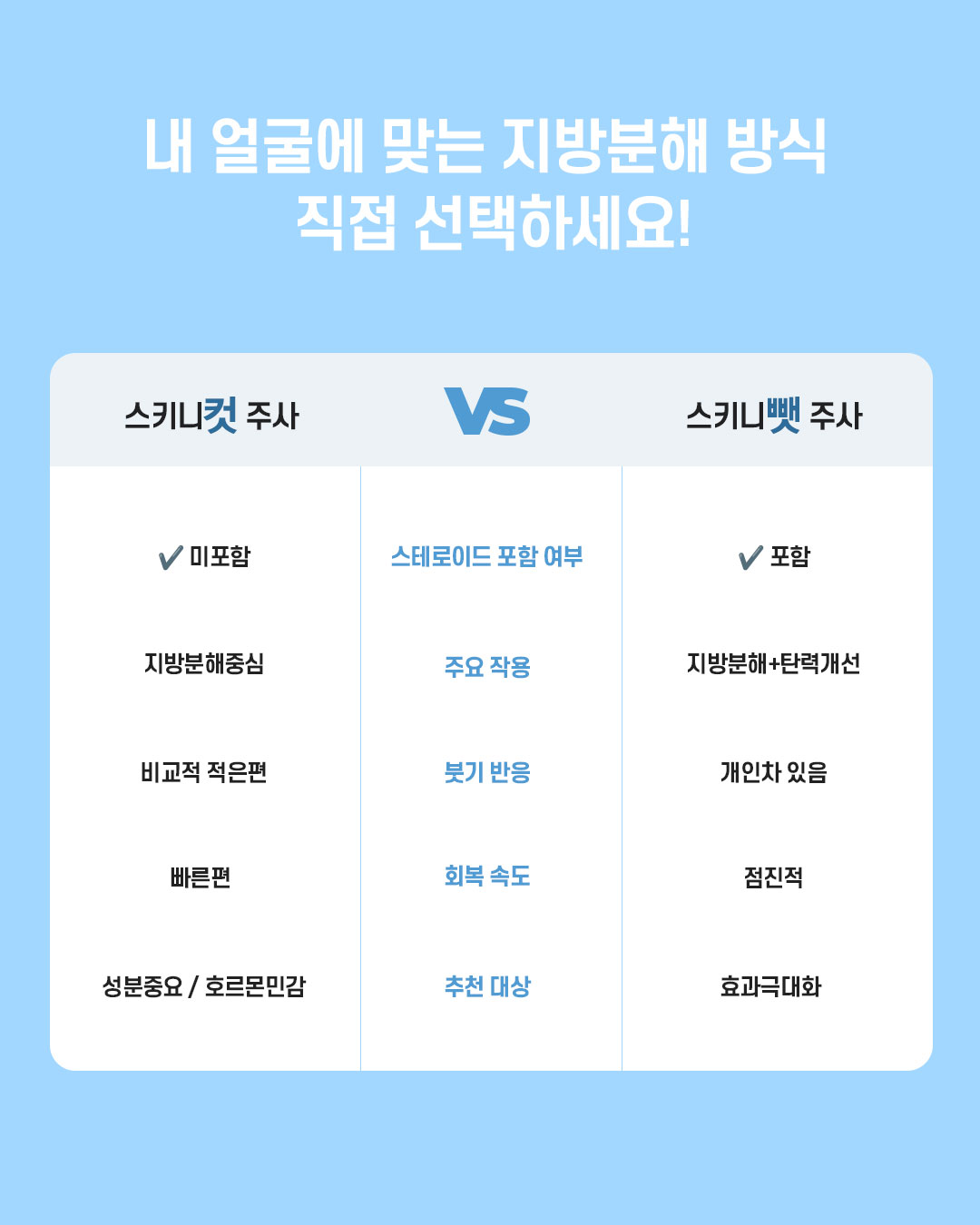
SkinniCut or SkinniBbaet, how to choose
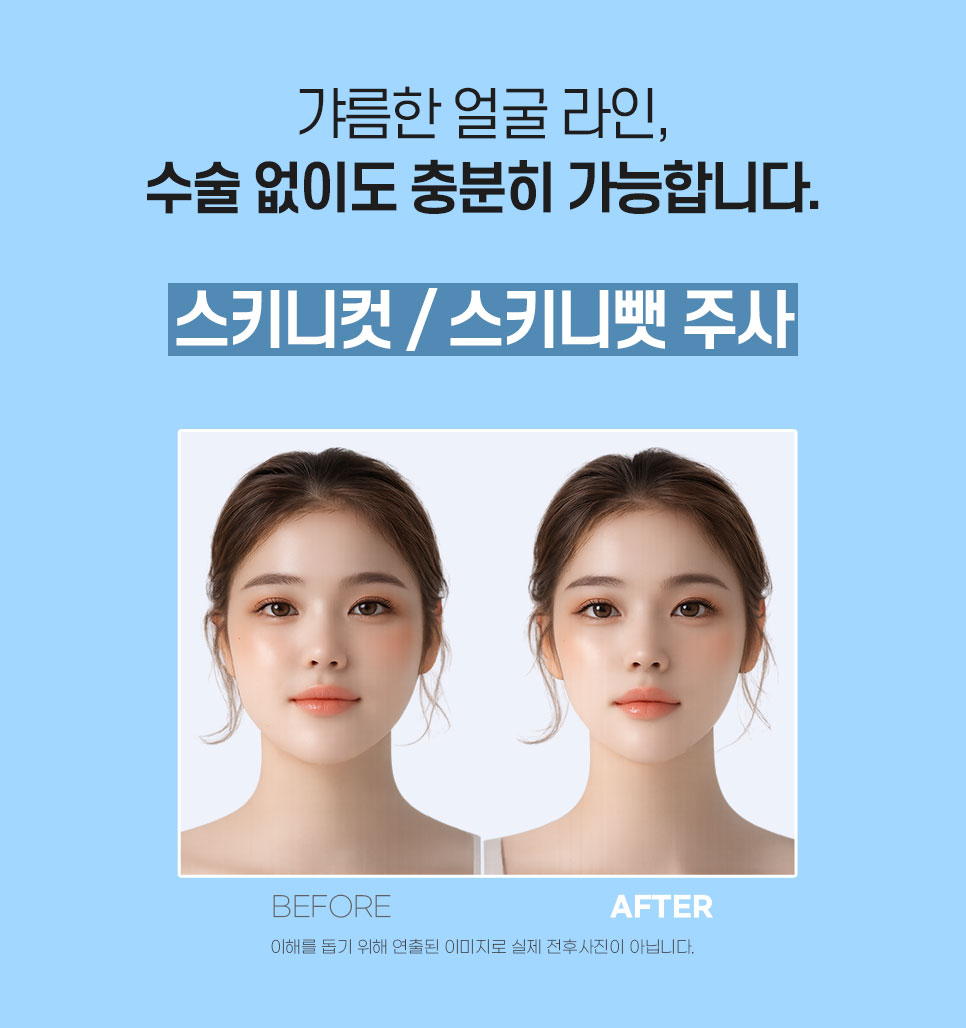
Skinique Clinic offers two injections, chosen according to the amount of fat and the condition of the skin. SkinniCut is the lighter formulation, recommended for anyone trying a fat-dissolving injection for the first time; SkinniBbaet is the option chosen when the goal is a more distinct change. Both use in-house compounded blends, and the detailed differences are explained during an in-person consultation, once your skin has been assessed.
The questions people ask most before treatment
Does it hurt a lot? Most people describe it as manageable, though sensitivity to pain varies from person to person.
How long does the swelling last? Both procedures produce some swelling from the medication immediately afterwards. With SkinniCut it tends to settle relatively quickly; with SkinniBbaet it can last around two days.
When do things start to change? It takes time for the broken-down fat to leave the body, so many people feel the contour tightening from about two weeks onward. This varies as well, so there is no need to rush it.
How many sessions are appropriate? A plan of three to five sessions is common, depending on the amount of fat and the goal, and the exact number is best decided in a face-to-face consultation with the medical team.
Can the fat come back? Because the method reduces the number of fat cells themselves, fat is less likely to build up again in the same spot. That said, sharp weight gain or irregular eating habits can still add fat in other areas.
How the fat is reduced
The injected medication acts on the membrane of the fat cell and breaks the cell down. The triglycerides stored inside are split into glycerol and fatty acids, and these breakdown products travel through the lymphatic system and blood vessels and are gradually cleared from the body. Because it removes the cells themselves rather than briefly shrinking their volume, it suits the localized facial fat that is hard to address with diet or exercise.
Wrapping Up
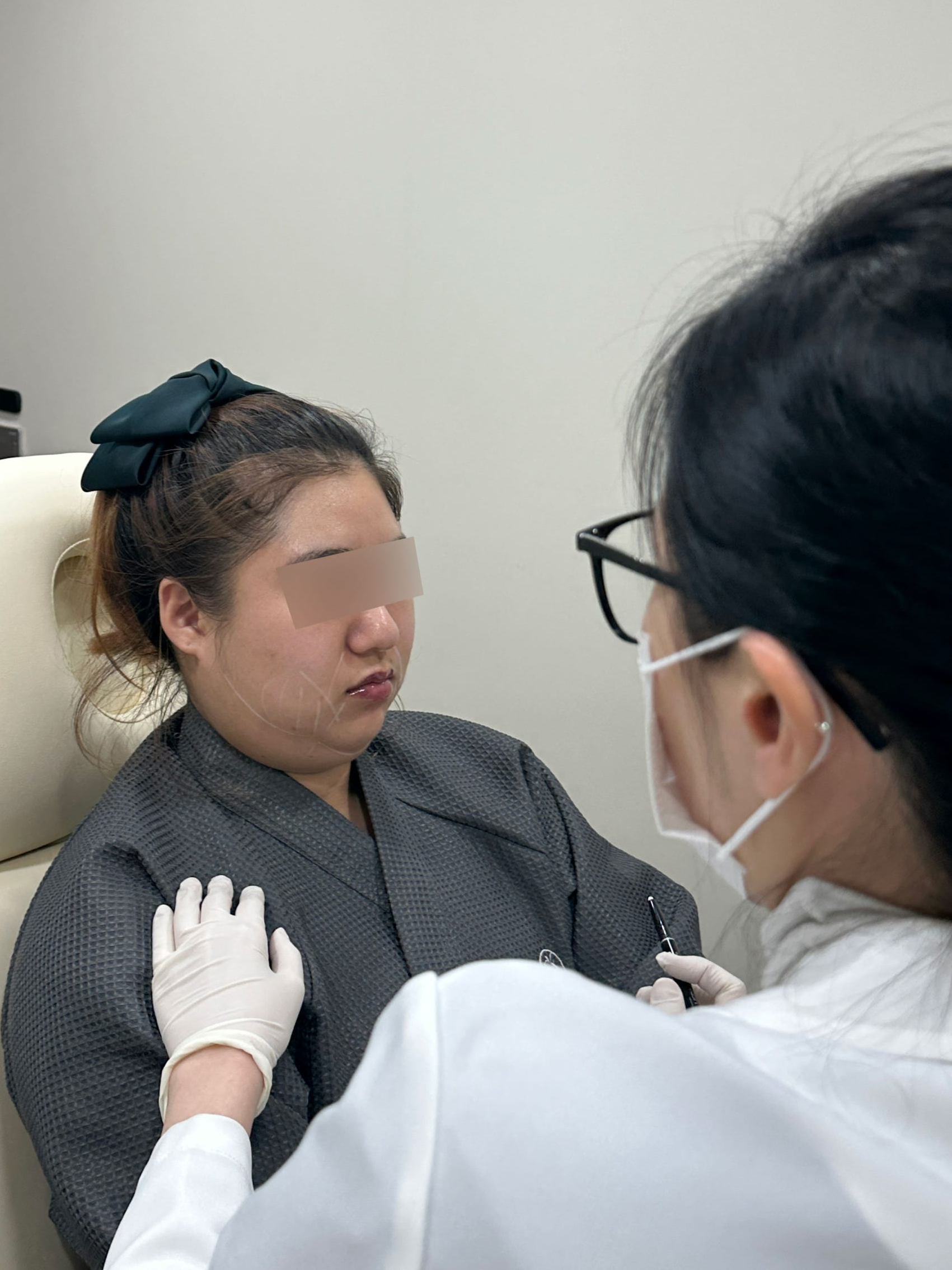
Facial fat-dissolving injections are a comparatively light option for refining the contour without surgery, but the result depends on which area is treated, with what ingredients and in what amount, so an accurate assessment comes first. If you are wondering whether SkinniCut or SkinniBbaet suits your face shape, feel free to ask at Chat with us about the injection for your contour.
This article was written by Dr. Park Tae-hyung, Chief Director. He is the chief director of Skinique Clinic and serves as an academic director of the Korean Society for Laser Dermatology and Trichology. First published March 6, 2026 · Last reviewed August 23, 2026
This text is general medical information. Skin conditions and responses to treatment vary from person to person. Please decide whether and how to be treated after a consultation.