
"I have had dozens of toning sessions and nothing has changed." "If anything the colour looks darker now." These are not rare things to hear in a consultation. If a melasma laser has not brought the change you hoped for, the likelier explanation is not a poor device but an approach that was aimed at the wrong thing. This article looks at why melasma treatment so easily falls short, and at the combined approach SKINIQUE Clinic takes instead.
Facial pigment is rarely just one thing
Many people arrive having already concluded from an internet search that "mine is melasma" or "mine is freckling", with a particular laser in mind. Look at the actual skin, though, and it is unusual to find a single pigment problem standing on its own. In most cases several pigment lesions are layered on top of one another.
Melasma is a pigment disorder that appears symmetrically on both sides of the face in specific areas such as the forehead, under the eyes and the cheeks, spreading broadly with irregular borders. The difficulty is that melasma almost never arrives alone; it usually comes together with skin ageing and skin damage.
Melasma is the skin's response to damage
Look at how melasma forms and the pattern is clear. When repeated stimulation, ultraviolet light above all, damages the skin, the skin produces melanin to protect itself. The longer the stimulation continues, the deeper the damage goes, and damaged skin becomes more vulnerable to stimulation again. It is a loop that feeds itself.
Melasma that arises this way is not resolved by erasing only the pigment that shows on the surface. The regeneration of the injured skin has to be supported alongside it. Attacking surface pigment over and over without that regeneration can leave the skin unchanged, or open to recurrence at any point. If your previous lasers felt pointless, the odds are that this underlying cause was never addressed.
Pigment removal and skin regeneration together
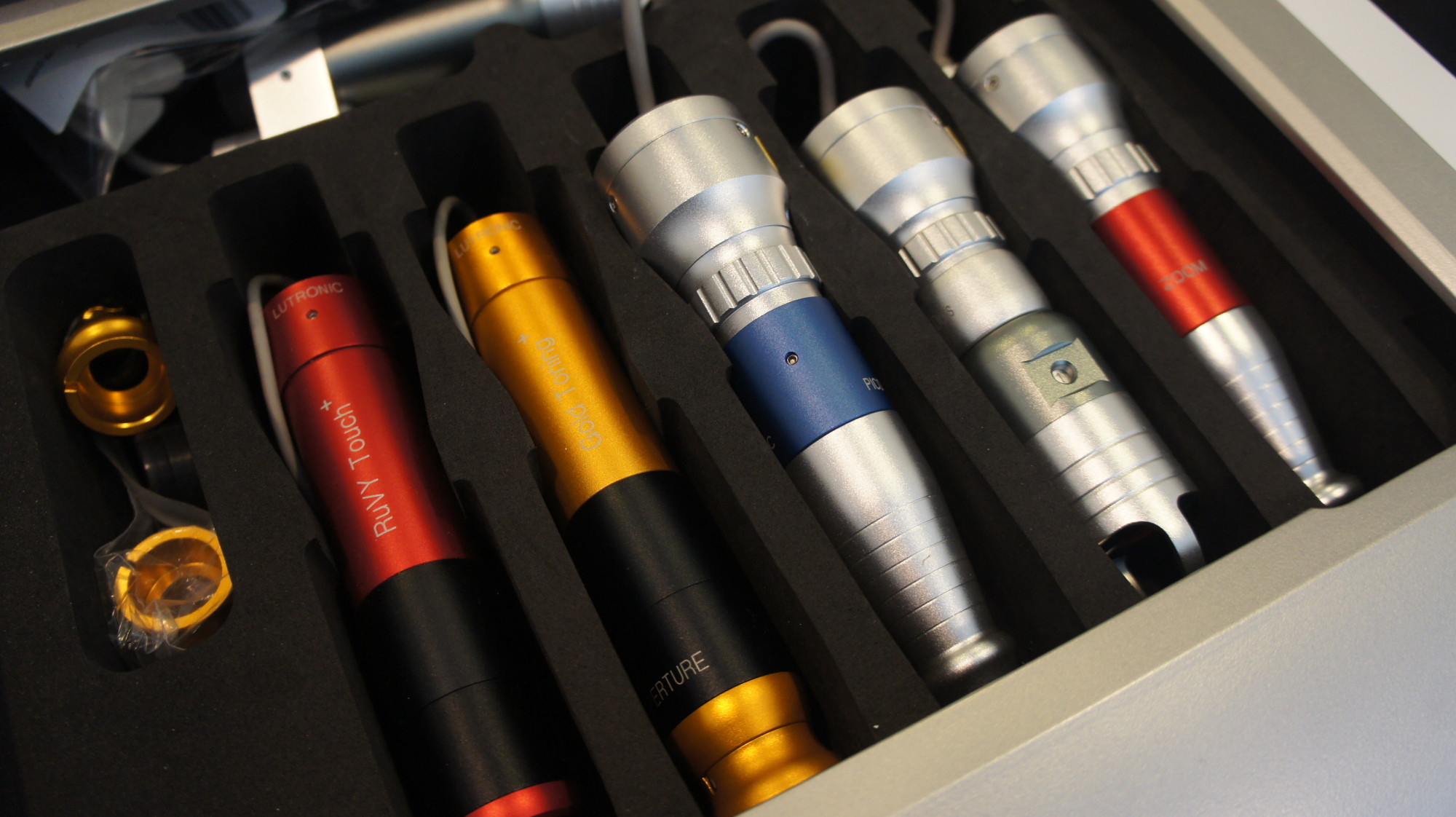
Some people arrive discouraged, having been told "do not expect melasma to improve" or "just keep having toning to stop it getting worse". SKINIQUE Clinic takes a different view. Rather than settling on one laser and counting off sessions, we first assess what caused the melasma and what the skin looks like on that particular day, then use several lasers in combination so that pigment removal and skin regeneration move forward together.
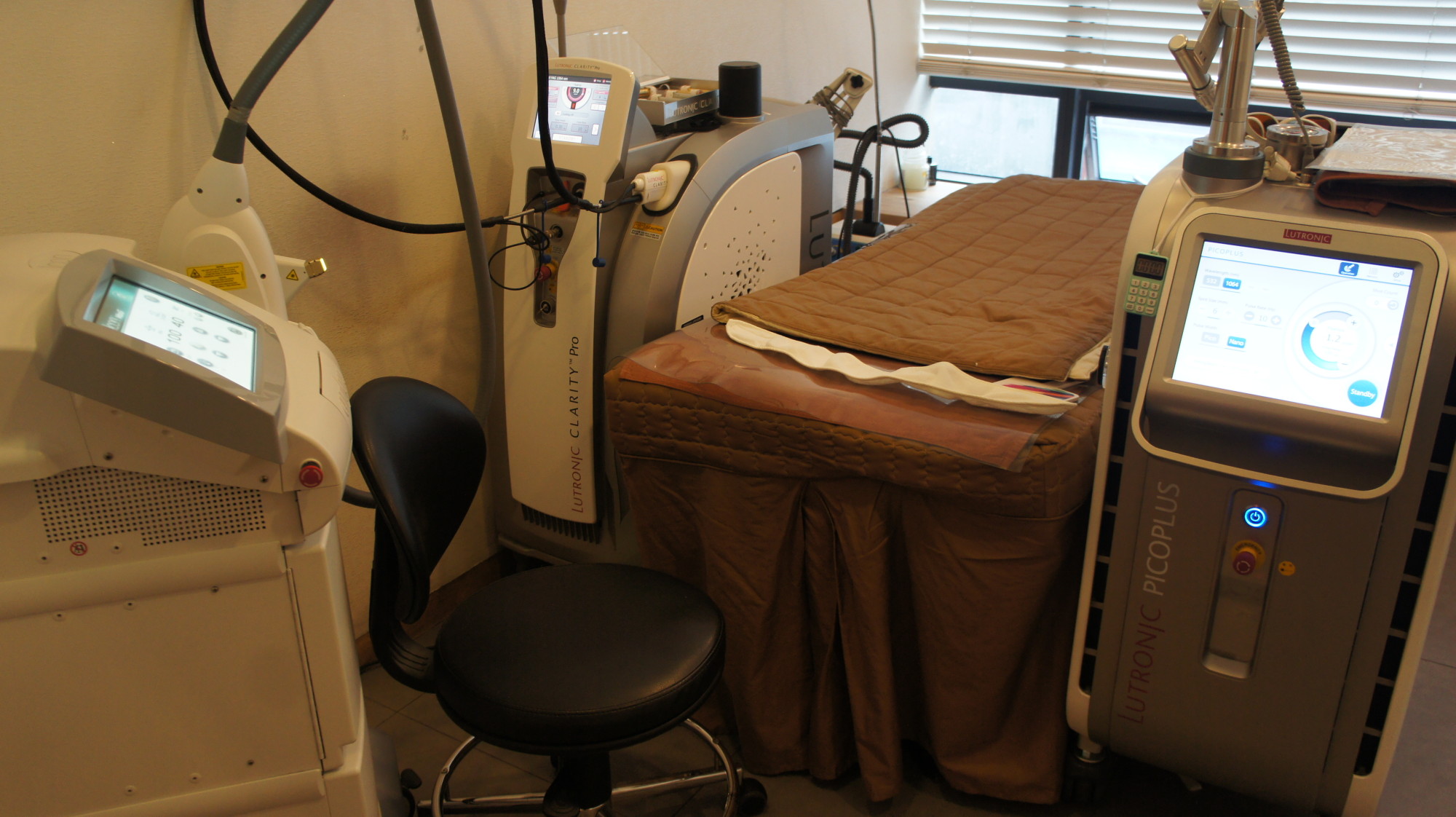
Switching between several devices and tips within a single session, lesion by lesion, is a time consuming way to work, and one that is hard to choose in a setting where unit price and patient turnover come first.
The combination has to differ with the skin
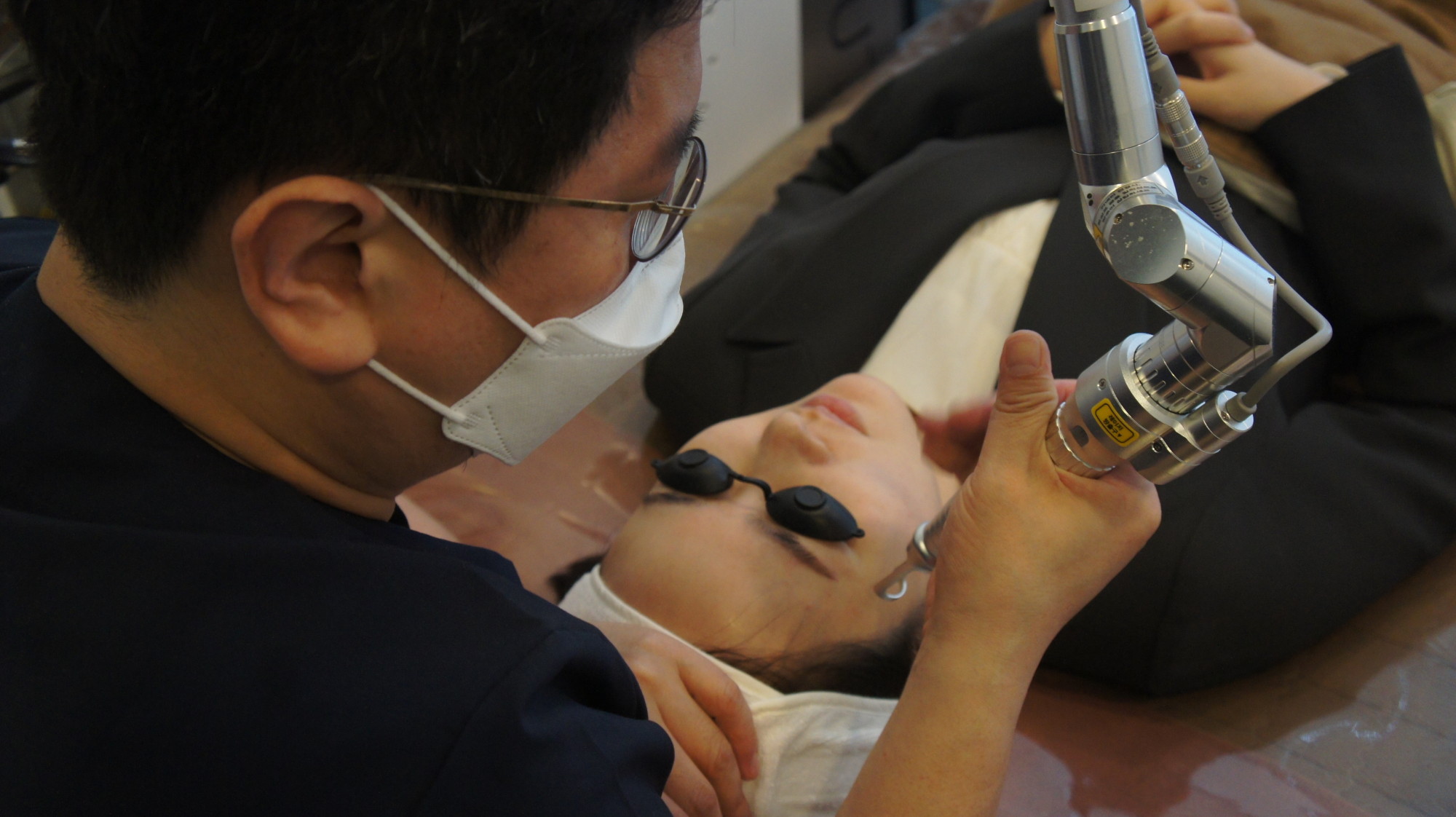
Even with the same diagnosis of melasma, the depth of the pigment, the lesions that accompany it and the degree of skin damage are all different, so the laser combination has to differ from person to person as well. At SKINIQUE Clinic our physicians draw on accumulated clinical experience to check the state of the skin at every visit and adjust the plan accordingly. How quickly pigment responds and how far it improves does vary between individuals, so the plan is refined together as progress is reviewed.
Wrapping Up
If a melasma laser has not worked for you, the reason may be less about the device and more about repeatedly attacking surface pigment while leaving out the underlying task of regenerating damaged skin. That is why an approach designed around pigment removal and regeneration together matters. If your treatment so far has been frustrating, feel free to ask through a chat consultation about the treatment direction for your melasma. Detailed fees are listed on the price guide.
This article was written by Dr. Park Tae-hyung, Chief Director. He is the Chief Director of SKINIQUE Clinic and serves as an academic director of the Korean Society for Laser Dermatology and Trichology. First published 26 April 2021 - Last reviewed 24 August 2026
This text is general medical information. Skin condition and response to treatment vary between individuals. Whether and how to treat should be decided through an in-person consultation.