
Shoulders that look raised, a neck that looks short, chronic tightness across the shoulders — people look into trapezius Botox for all sorts of reasons. But as the injection has become commonplace, so has the misconception that "it is the same wherever you get it." In reality the outcome varies a great deal with the consultation, the dose planning, the product, and the injection technique. Below we go through why, one point at a time.
What happens when the trapezius tightens
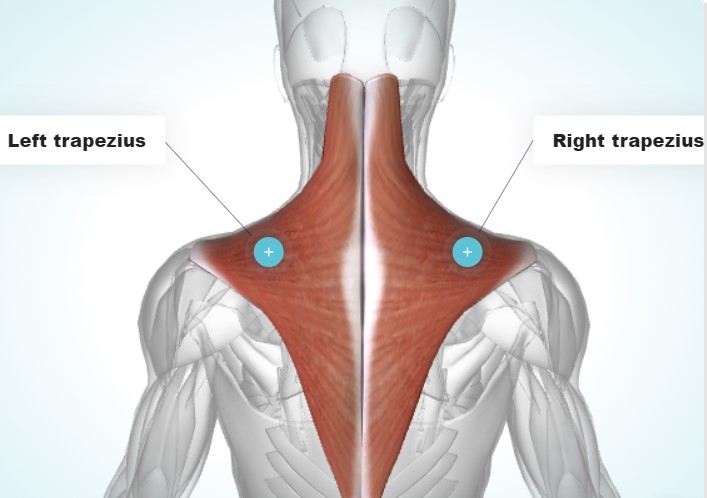
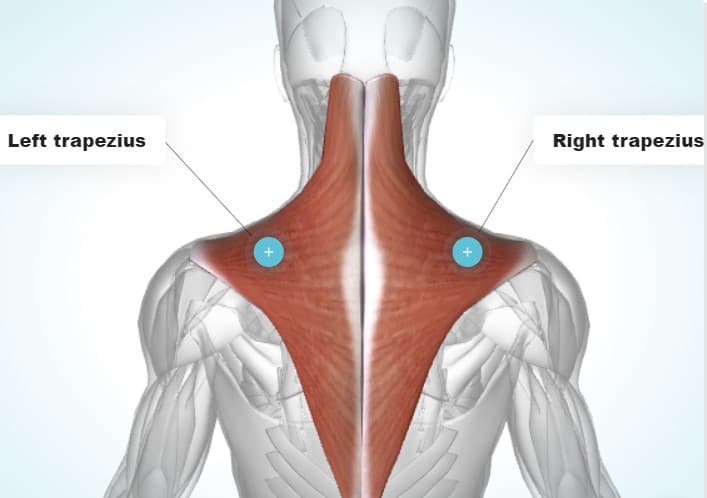
The trapezius is the large muscle connecting the neck and shoulders; its name comes from its trapezoid shape, and in Korean it is named after a monk's hood. It responds readily to stress and tightens easily, so when it becomes overdeveloped the shoulder line can look uneven, and combined with poor posture or overwork it can also become a source of pain.
How trapezius Botox works
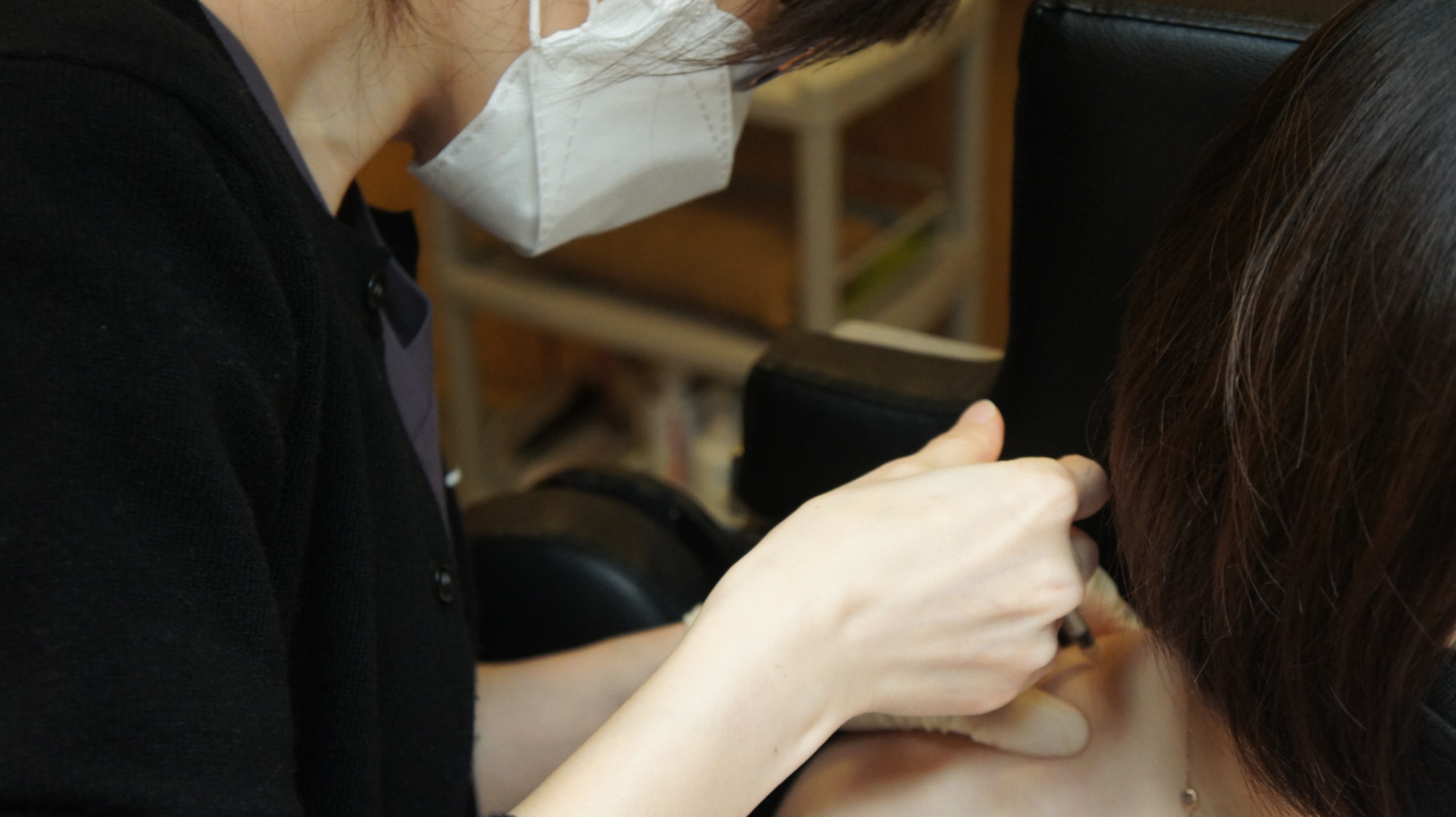
When botulinum toxin is injected into the trapezius, muscle contraction is inhibited and the bulk of the muscle gradually decreases. The neck can then look comparatively longer and more slender, and as the tense muscle relaxes, tightness may ease as well. This used to be sought mainly by brides-to-be planning off-the-shoulder dresses; these days more office workers with stiff shoulders from computer and phone use come in with pain relief in mind. The degree of effect, of course, varies from person to person.
Four things to check before treatment
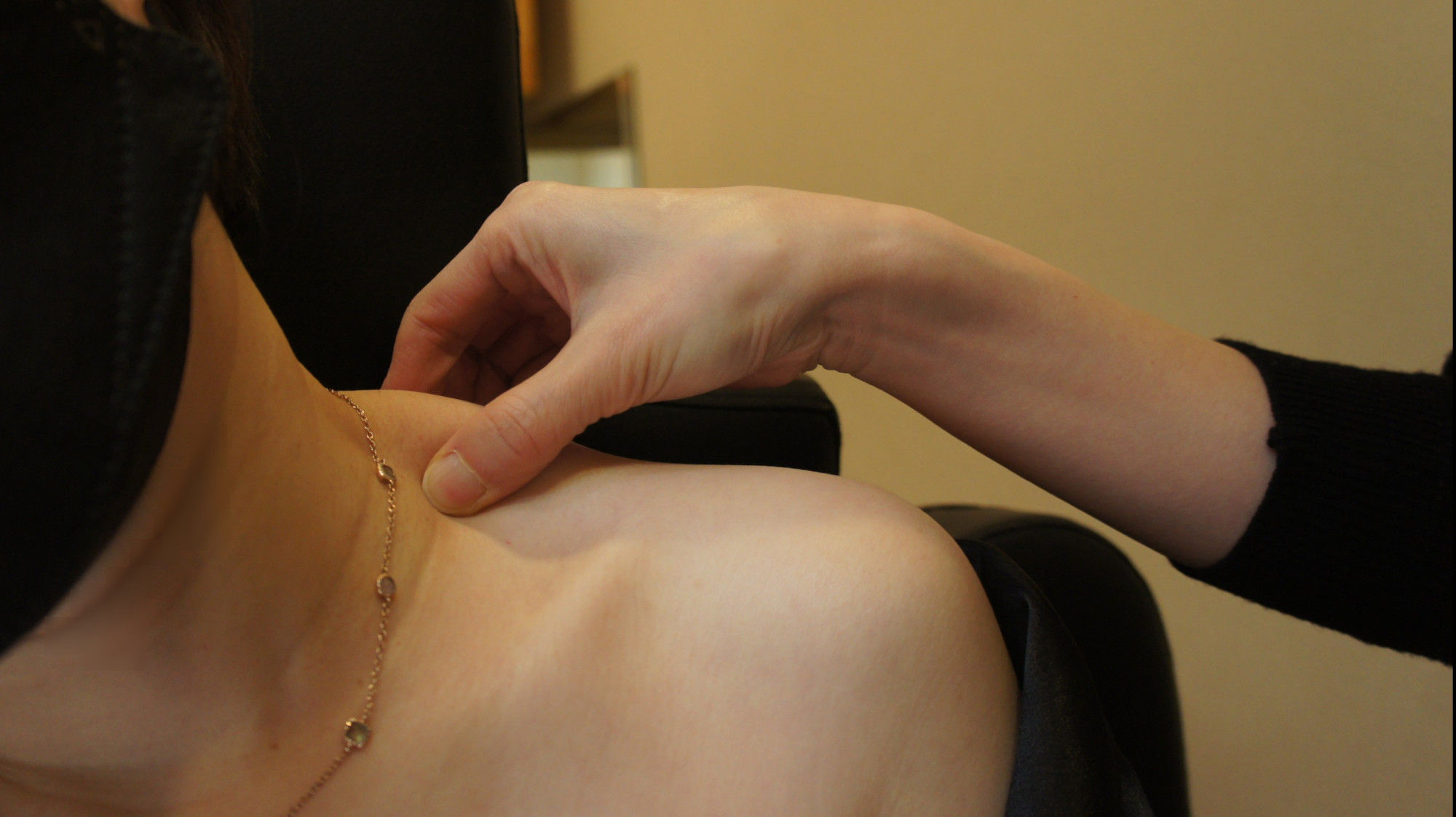
If you are considering trapezius Botox, we suggest checking four things: a thorough consultation, a dose suited to you, a genuine product used at full strength, and correct injection technique. How developed the trapezius is differs from person to person, so if the muscle is not thick there may be no need to treat it at all. Dose should likewise not be set by a fixed rule — muscle mass, whether there is pain, and how much the muscle is used day to day are established in consultation first, and the dose is then divided across the relevant areas.
Genuine product and full dose, confirmed in front of you
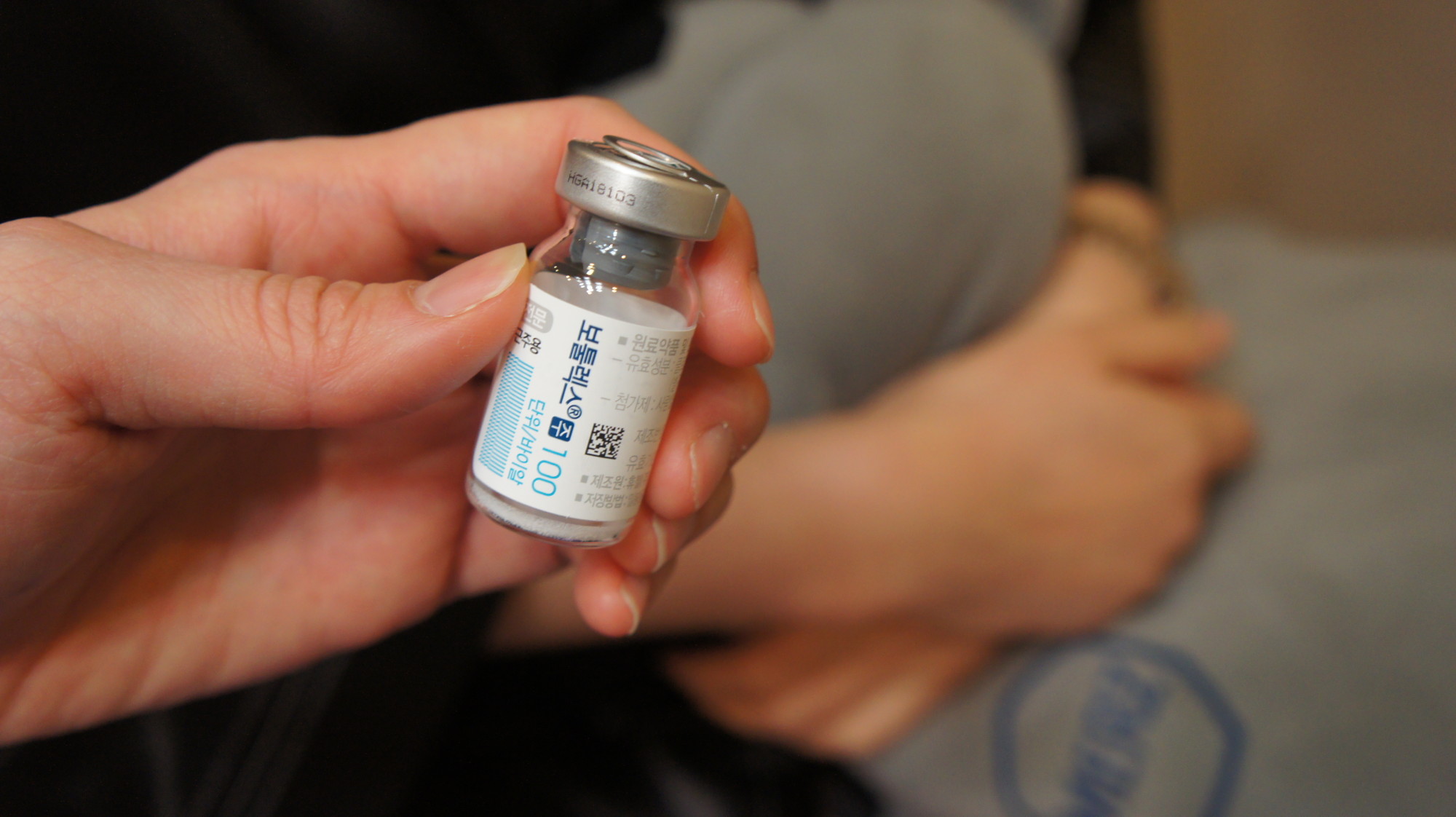
If the product has been over-diluted, is past its expiry date, or has been reused, no amount of injecting skill will produce the expected result. At Skinique Clinic we open the product in front of the patient for every Botox treatment and show the product name and expiry date directly. For trapezius treatment, the dose is divided across four syringes, and how much goes into which area is planned in advance according to the muscle condition and what was agreed in the consultation.
The injection angle decides the result
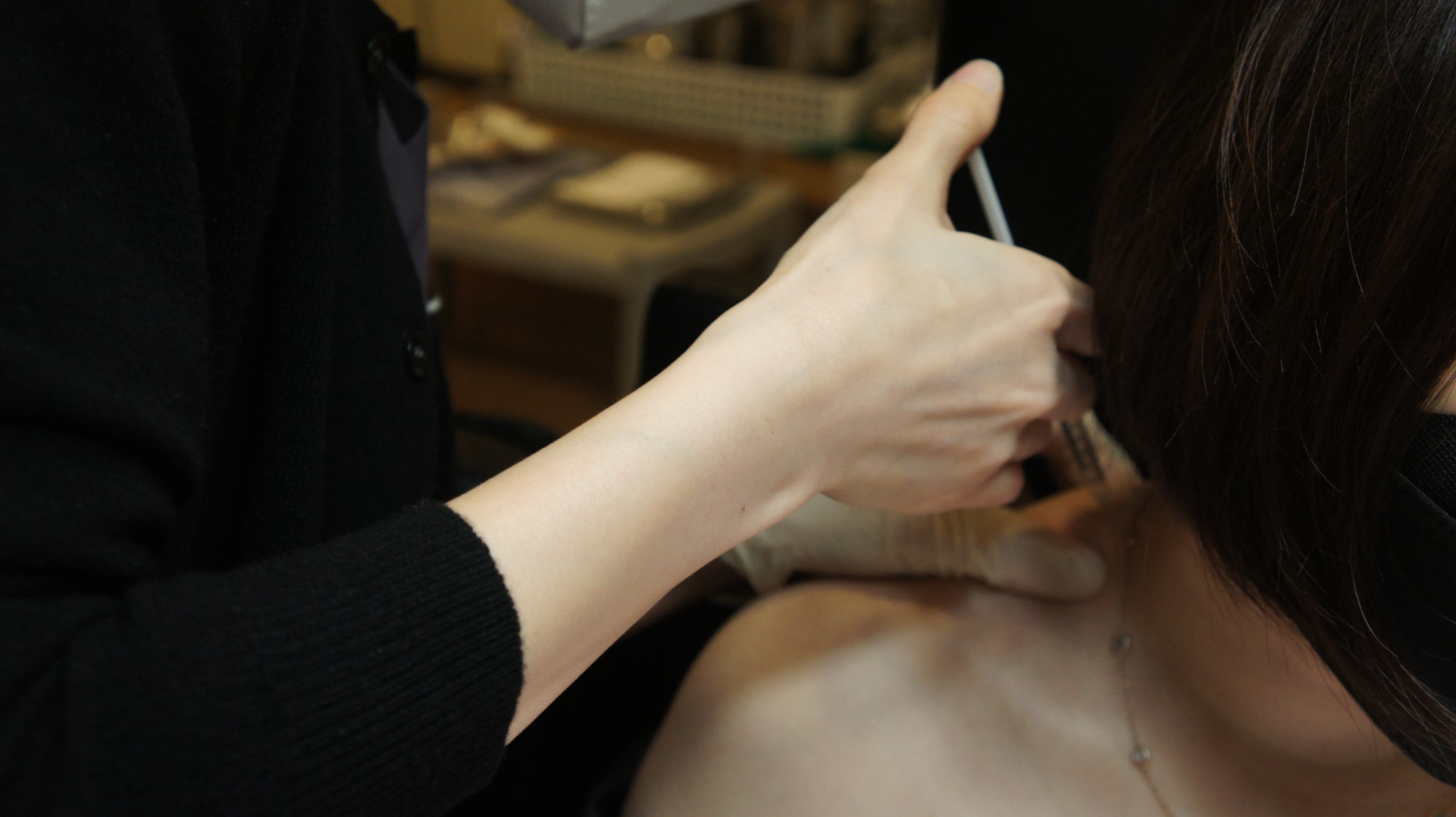
Much of what you hear along the lines of "trapezius Botox doesn't work" comes down to the injection not reaching the muscle properly. Body Botox has to enter the muscle layer at a 90-degree angle; if the angle is off, the toxin can spread into the wrong tissue, and an injection placed incorrectly near the neck can weaken the muscles supporting the cervical spine, leaving the shoulders feeling heavy or making it awkward to lift things. Rather than choosing on price alone, it is safer to be treated by a clinician with anatomical understanding and experience.
How to choose a clinic

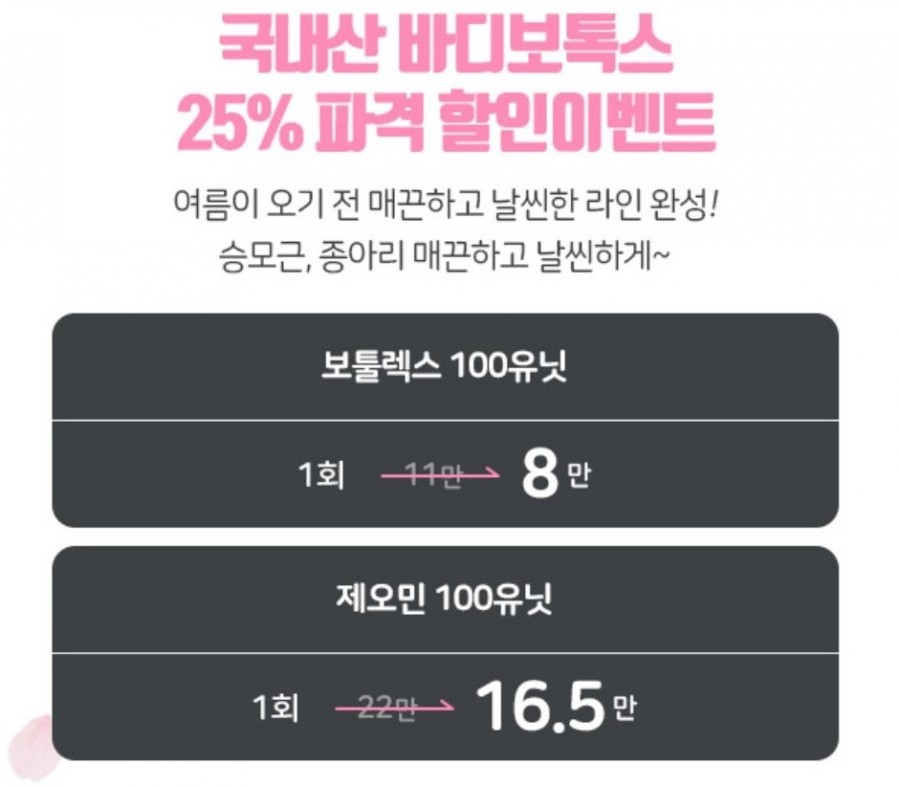
Around Gangnam Station there are plenty of clinics that move patients through quickly after a brief consultation. At Skinique Clinic we put honesty in the process and care in the injection first. Whether a clinic keeps to the steps — consultation, product verification, area-by-area planning — is what should guide your choice. You can find details on cost on the price guide page.
Wrapping Up
Trapezius Botox can address both shoulder line and tightness, but it only works properly when the muscle is assessed, the dose is planned, the product is verified, and the injection angle is correct. If you would like to find out whether treatment is needed for your trapezius in the first place, ask through a chat consultation about your shoulders.
This article was written by Dr. Park Tae-hyung, Chief Director. He is the chief director of Skinique Clinic and serves as an academic director of the Korean Society of Laser Dermatology and Trichology. First published April 3, 2021 · Last reviewed August 24, 2026
This article is general medical information. Skin condition and response to treatment vary between individuals. Whether and how to treat should be decided through an in-person consultation.