

If people keep telling you that you look tired because the area under your eyes is dark, the cause may not be pigment alone — it may be hollowing under the eyes. This article looks at how tear trough filler works when under-eye hollows and dark circles are addressed together, why SKINIQUE Clinic uses two different fillers, and what the treatment actually involves.
Why the under-eye area looks dark

Dark circles can be something you are born with, but in many cases they deepen gradually as under-eye volume is lost with age or as the area is repeatedly irritated. The skin around the eyes is the thinnest on the face, so lines form easily, and the structural change in which the under-eye fat pad becomes prominent and casts a shadow beneath it happens readily too. When darkness comes from hollowing and shadow in this way, filler that fills the sunken area to remove the shadow can be a relatively simple option.
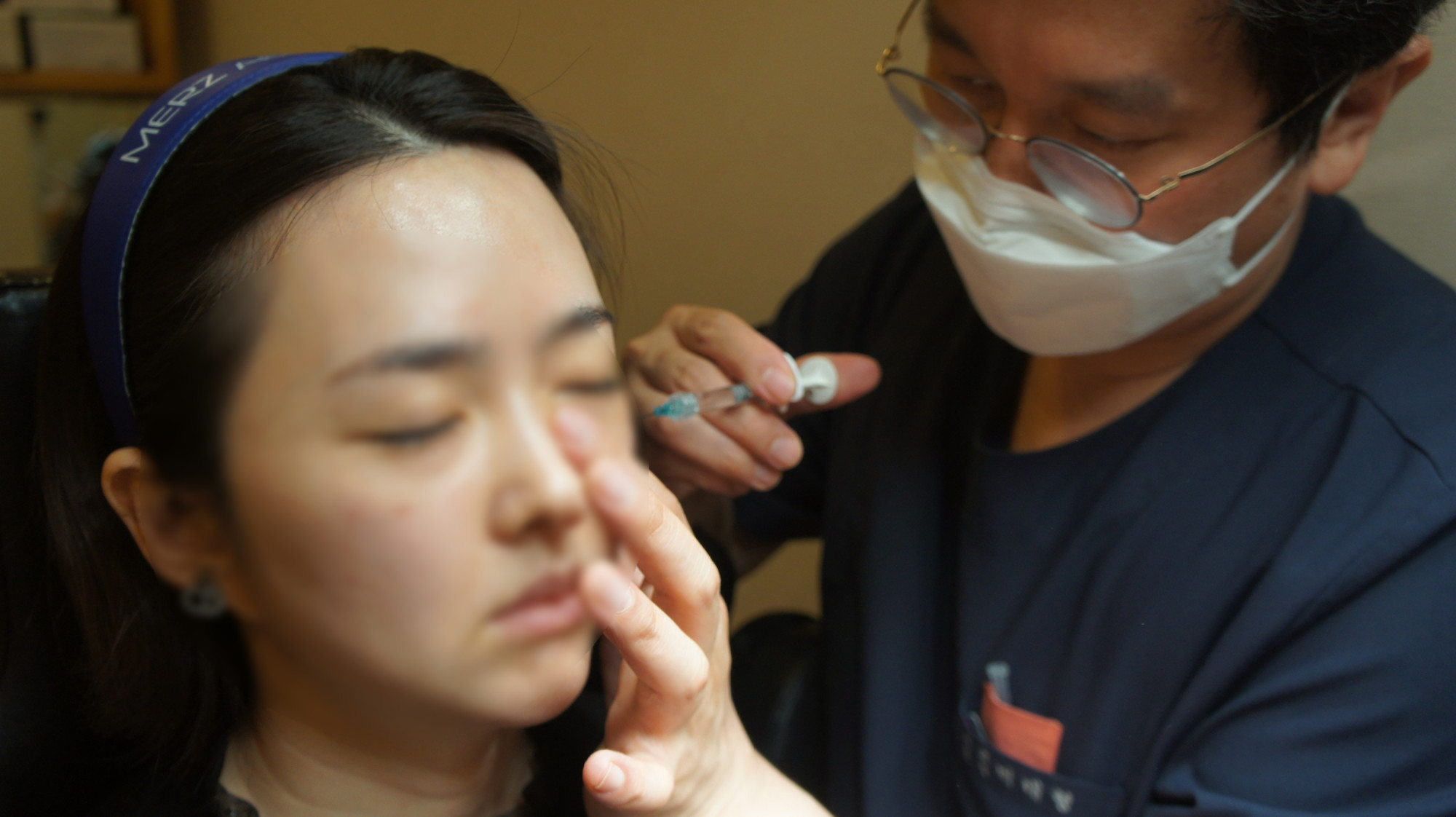
A demanding area, which is why the method matters
The under-eye area carries major blood vessels and nerves and has thin skin, which makes it one of the more demanding sites for filler. That is also why so many people worry about lumpiness or about the filler showing through. To reduce the limitations of this area, SKINIQUE Clinic takes a dual-plane approach, placing different products in the deep and the superficial layers.
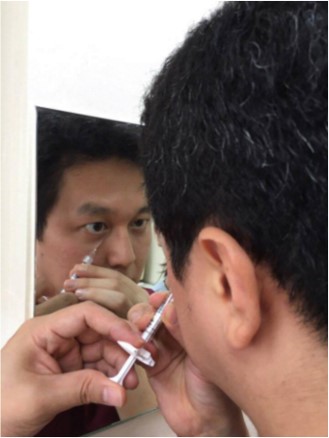
Dr. Park Tae-hyung works on the principle of experiencing personally the fillers he administers, and has applied the same method to his own under-eye area; he has also been an invited speaker for Merz, the company behind Belotero.
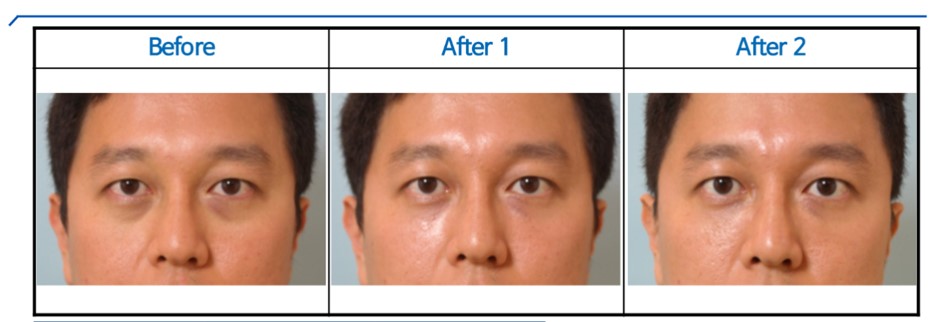
Why two different fillers
Placing filler into a hollow raises the volume of that spot, but under the eyes, where the skin is thin and fine lines are numerous, filling only the deep layer does not resolve the wrinkles and unevenness at the surface. This is why a two-part structure is needed: Belotero Volume, with its higher viscosity, supports the hollowed layer, while a softer-textured product smooths the surface in a thin pass. The design aims for both the correction of hollowing and the refinement of the surface in a single session, and how natural the result looks depends on this separation of layers.
How the treatment proceeds
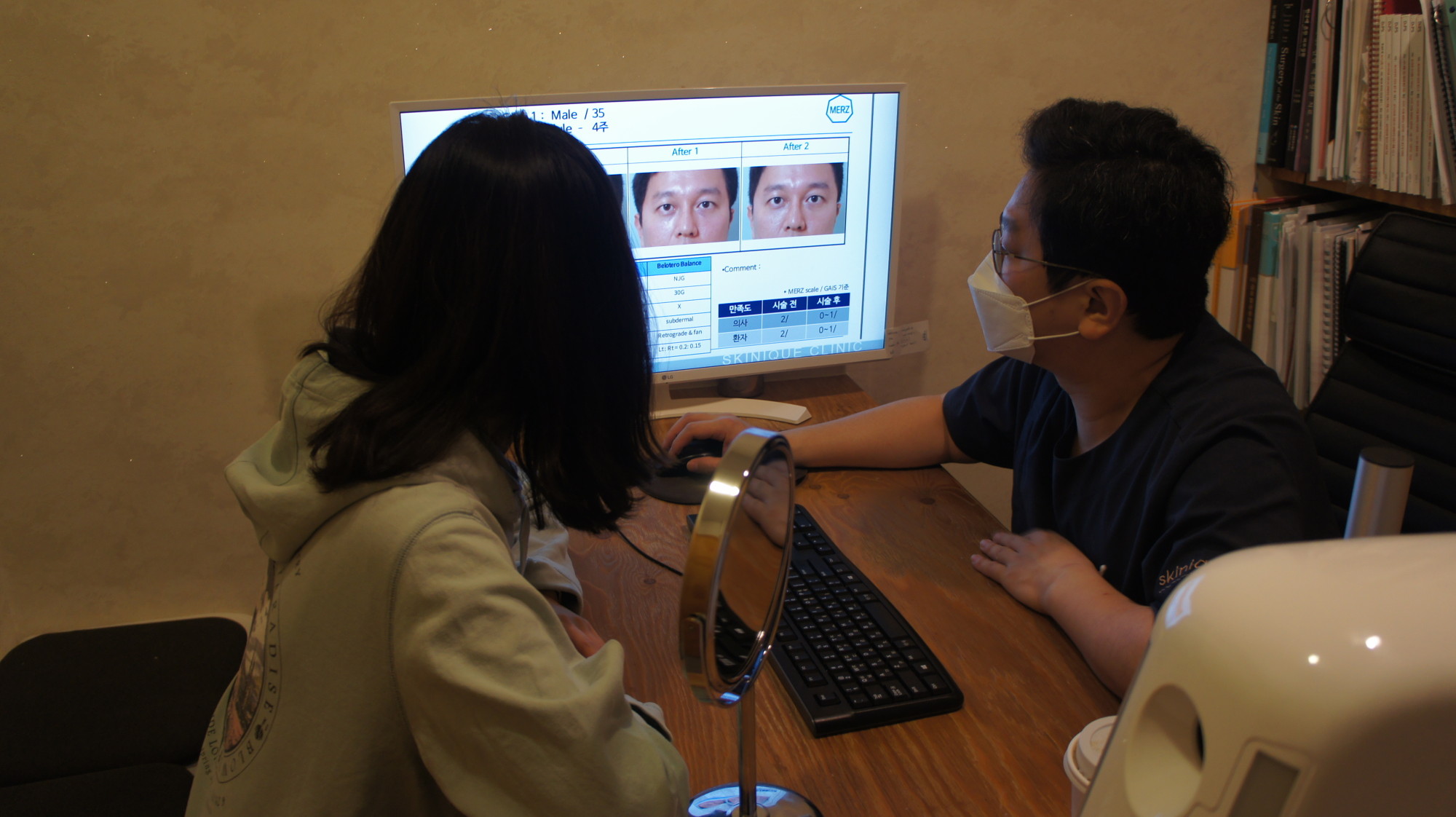
At your visit, the consultation with the medical team first establishes the condition of the under-eye area and the cause of the darkness, and the treatment plan is set from there. Once treatment is decided, the two Belotero products are prepared, and blunt-tipped cannulas are used — a separate one for each product — to reduce the risk of bleeding.
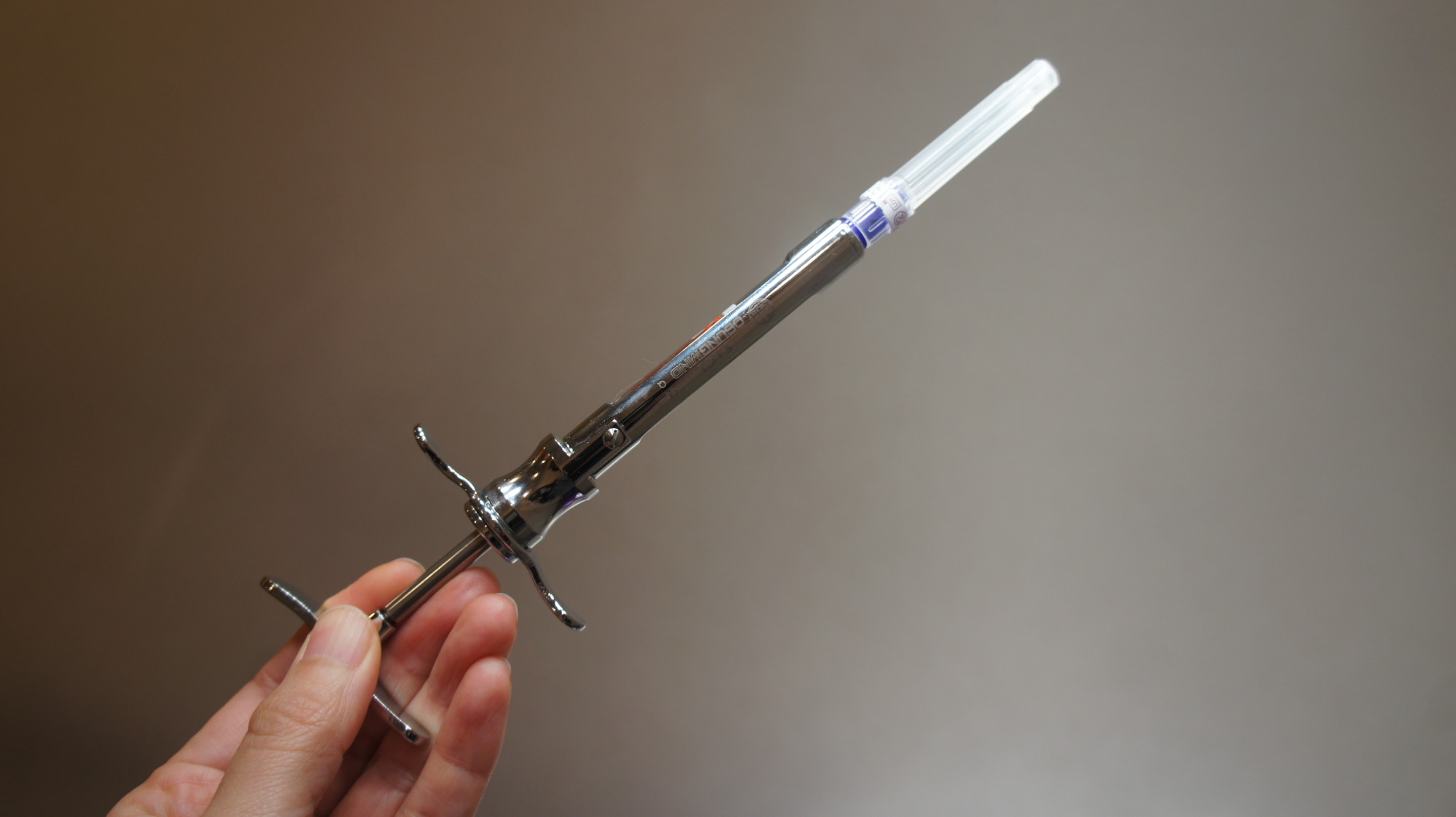
The session begins with anaesthesia, followed by making the cannula entry point and injecting the filler layer by layer. The reason results differ so widely even with the same product and the same treatment name lies in the care taken at this injection stage. Not overfilling, not treating every patient identically, and adjusting volume and depth to the individual's under-eye structure are what determine satisfaction. Bruising and swelling tend to be limited immediately after treatment, so a return to daily life is usually quick, though recovery varies from person to person.

Know the possible side effects before you decide
No treatment carries a zero possibility of side effects. Tear trough filler likewise carries the possibility of surface irregularity, visible filler and depressions, and to reduce these we suggest checking the treatment method and the medical team's experience before price or distance. Detailed pricing is available on the price guide.
Wrapping Up
If your under-eye darkness comes from hollowing, tear trough filler placed separately in the deep and superficial layers may help. Because this is a demanding area, though, what determines the result is which product goes into which layer and how. If you are wondering what is causing the darkness under your eyes, ask us through a chat consultation about your under-eye concern.
This article was written by Dr. Park Tae-hyung, Chief Director. He is the chief director of SKINIQUE Clinic and serves as an academic director of the Korean Society of Laser Dermatology and Trichology. First published May 18, 2021 · Last reviewed August 24, 2026
This article is general medical information. Skin condition and response to treatment can vary from person to person. Whether to undergo treatment, and by which method, should be decided through an in-person consultation.