
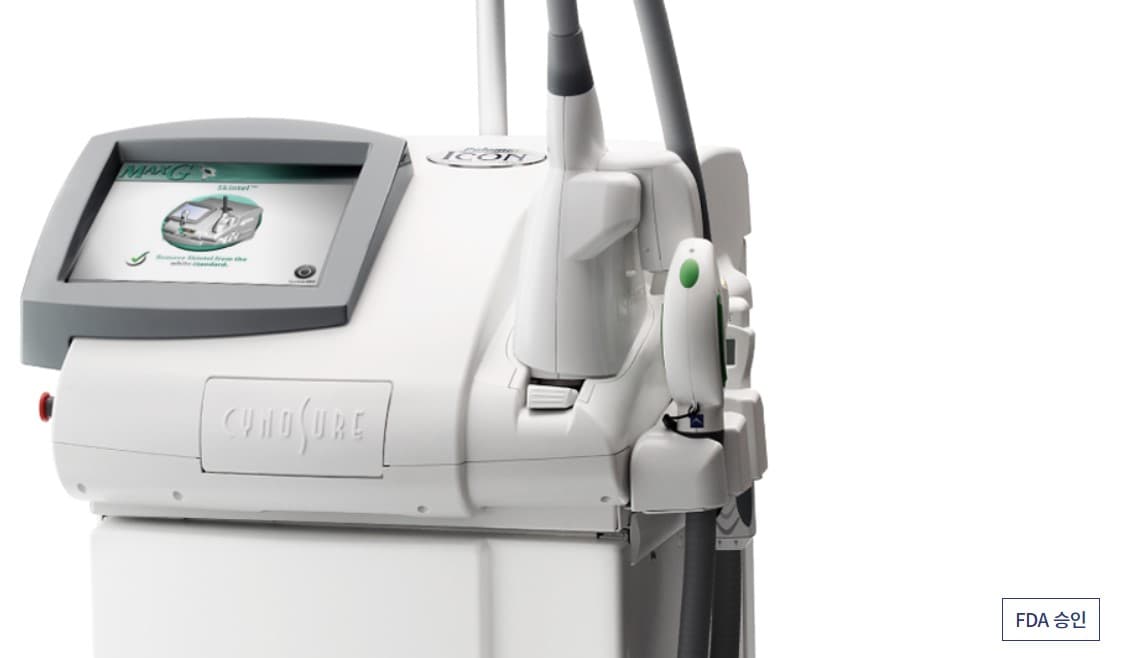
Brown patches on the face are often gathered under the single word melasma, but sun spots, freckles and melasma are in fact distinct pigment lesions sitting at different depths. Different depths respond to different wavelengths, so this article looks at Icon MaxG, the IPL device used for epidermal pigment, and at SKINIQUE Clinic's Pico Quattro Toning, which combines it with three other lasers.
What Kind of Device Is IPL?
Unlike a conventional laser that uses a single wavelength, IPL (Intense Pulsed Light) delivers light made up of several wavelengths to the skin in strong pulses.
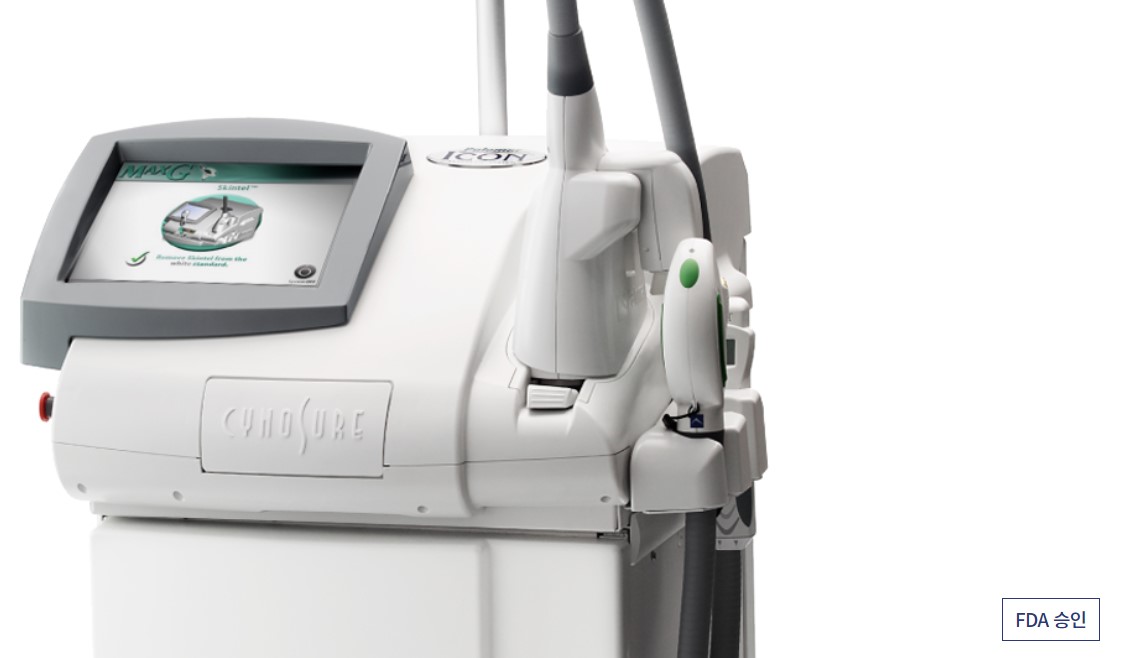
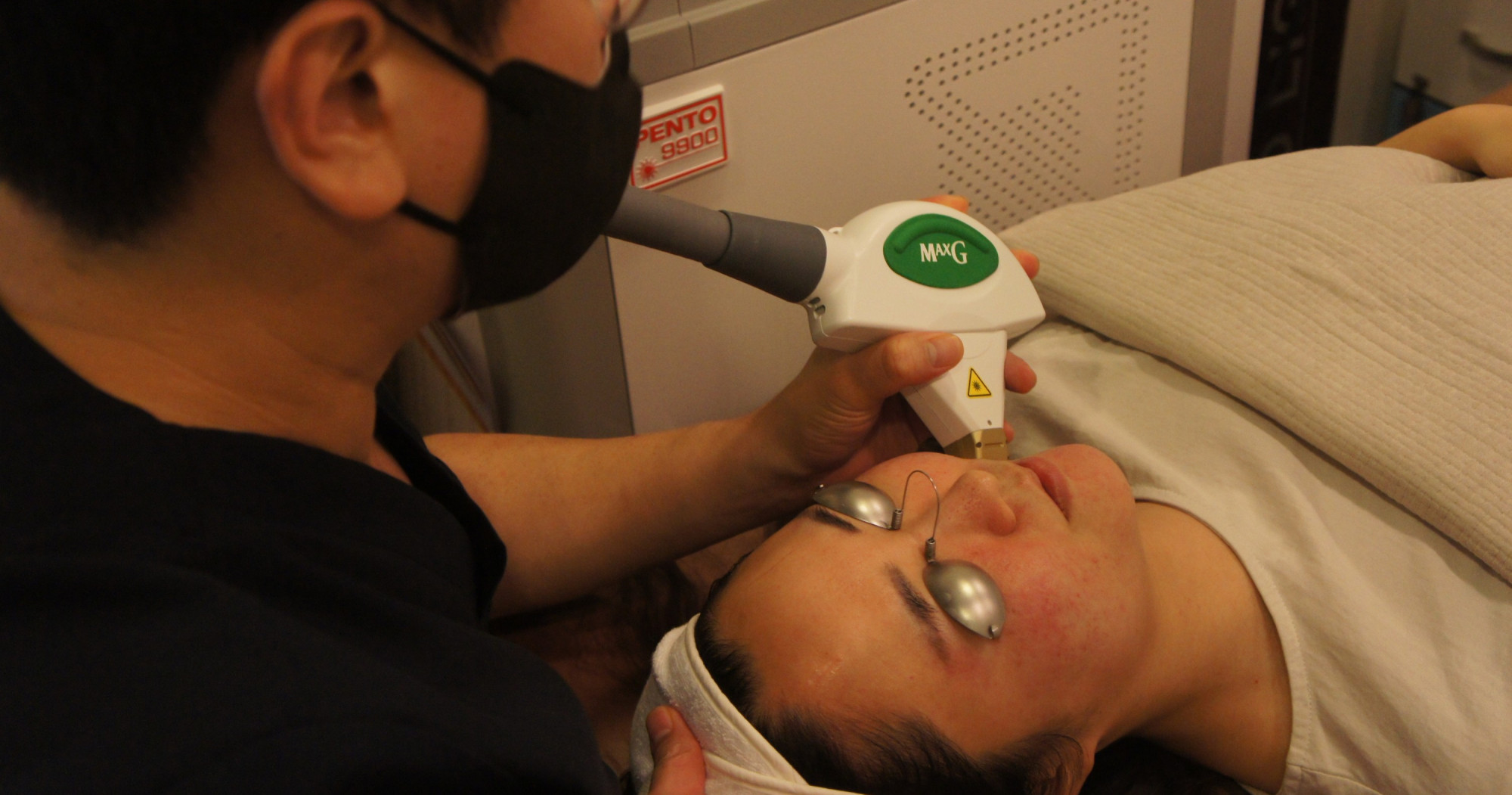
The Icon system from Cynosure, operated at SKINIQUE Clinic, is an FDA-cleared IPL device that uses high-energy pulsed light for pigment and a range of other skin concerns.
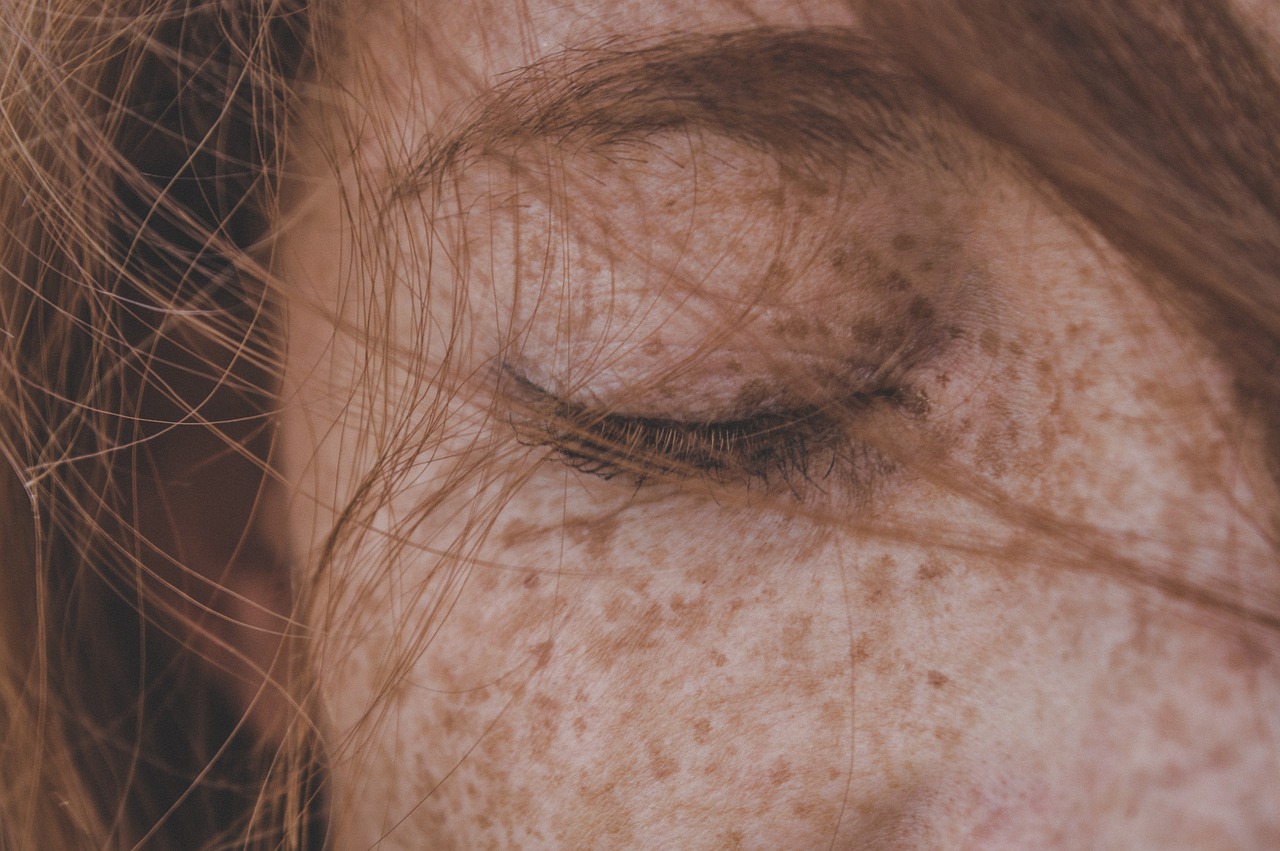
Identifying the Type of Pigment Comes First
It is true that IPL is widely used for pigment lesions, but it does not work equally well on all of them. Its main indication is epidermal pigment sitting close to the surface of the skin, rather than melasma that has reached down into the dermis. The difficulty is that many people treat every pigment on the face as melasma and arrive having already settled on a particular laser from online reviews. Pigment differs greatly between individuals in its cause, its shape and its depth, so which device to use is safer decided by a clinician who has examined the skin in person than judged on your own.

Pico Quattro Toning, Four Lasers Combined
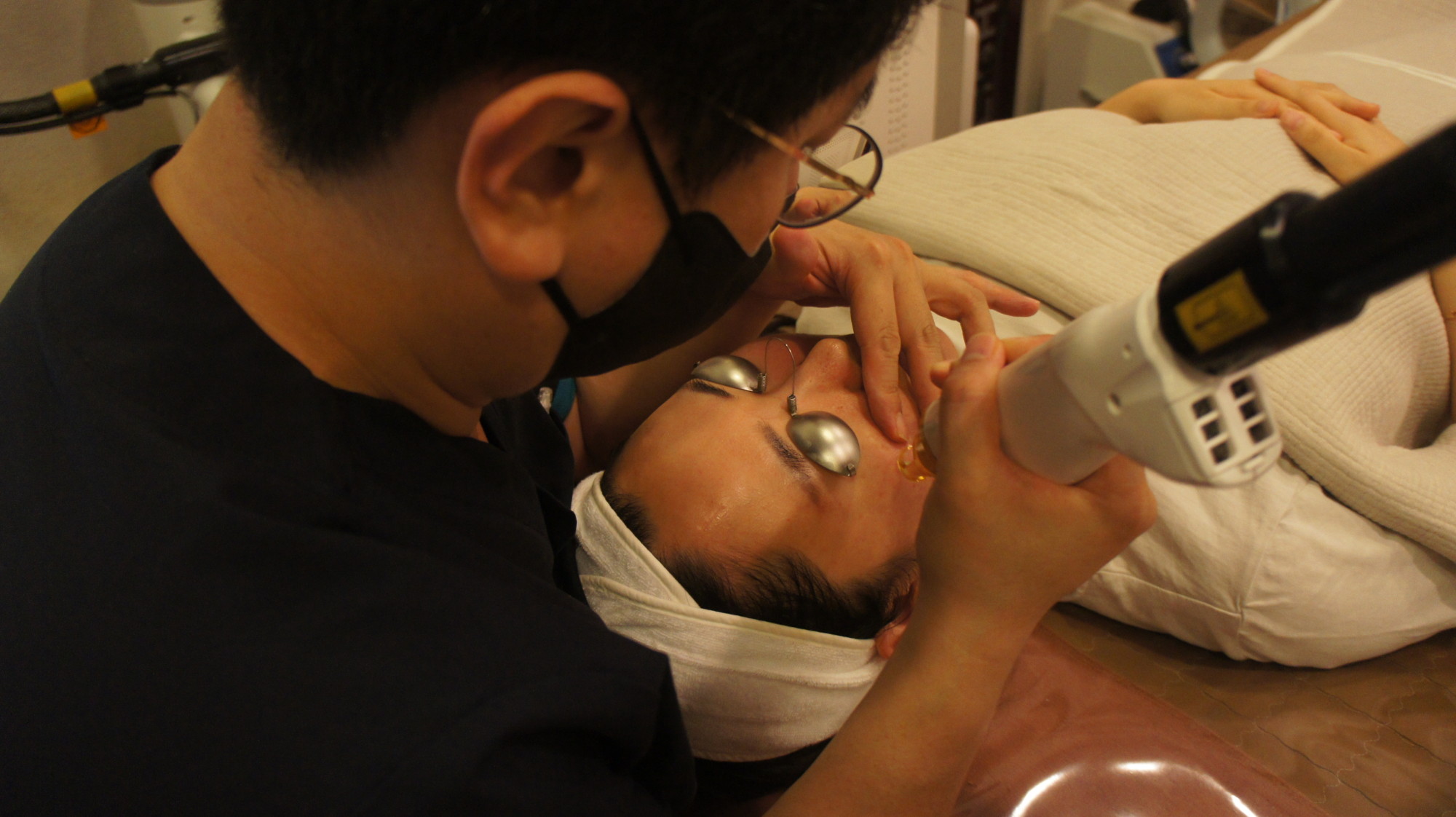
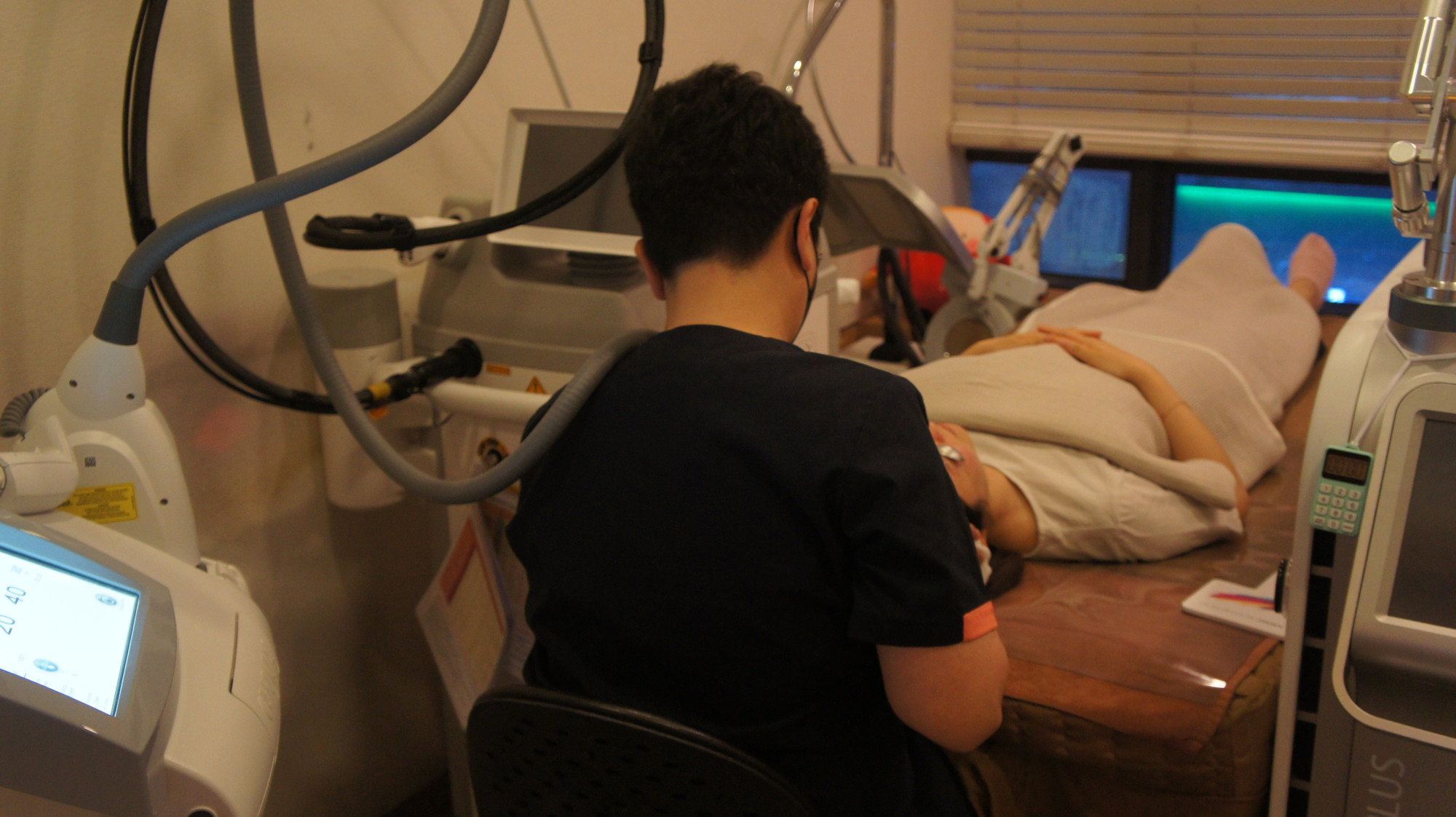
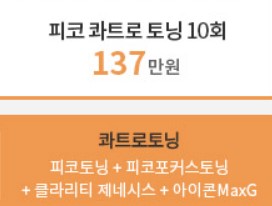
SKINIQUE Clinic's Pico Quattro Toning runs four systems together: pico toning, pico focus, Icon MaxG and Laser Genesis. The point of the combination is to approach epidermal lesions such as freckles and sun spots and dermal lesions such as melasma with different wavelengths and different mechanisms. Skin with dilated vessels or flushing often shows pigment concerns alongside them, and the fact that MaxG can address surface pigment and redness together is another reason for the combination.
What Each Laser Handles
The picosecond lasers target pigment particles precisely, working on a range of pigment lesions while helping to even out skin tone, and Icon MaxG manages surface pigment together with redness and flushing.
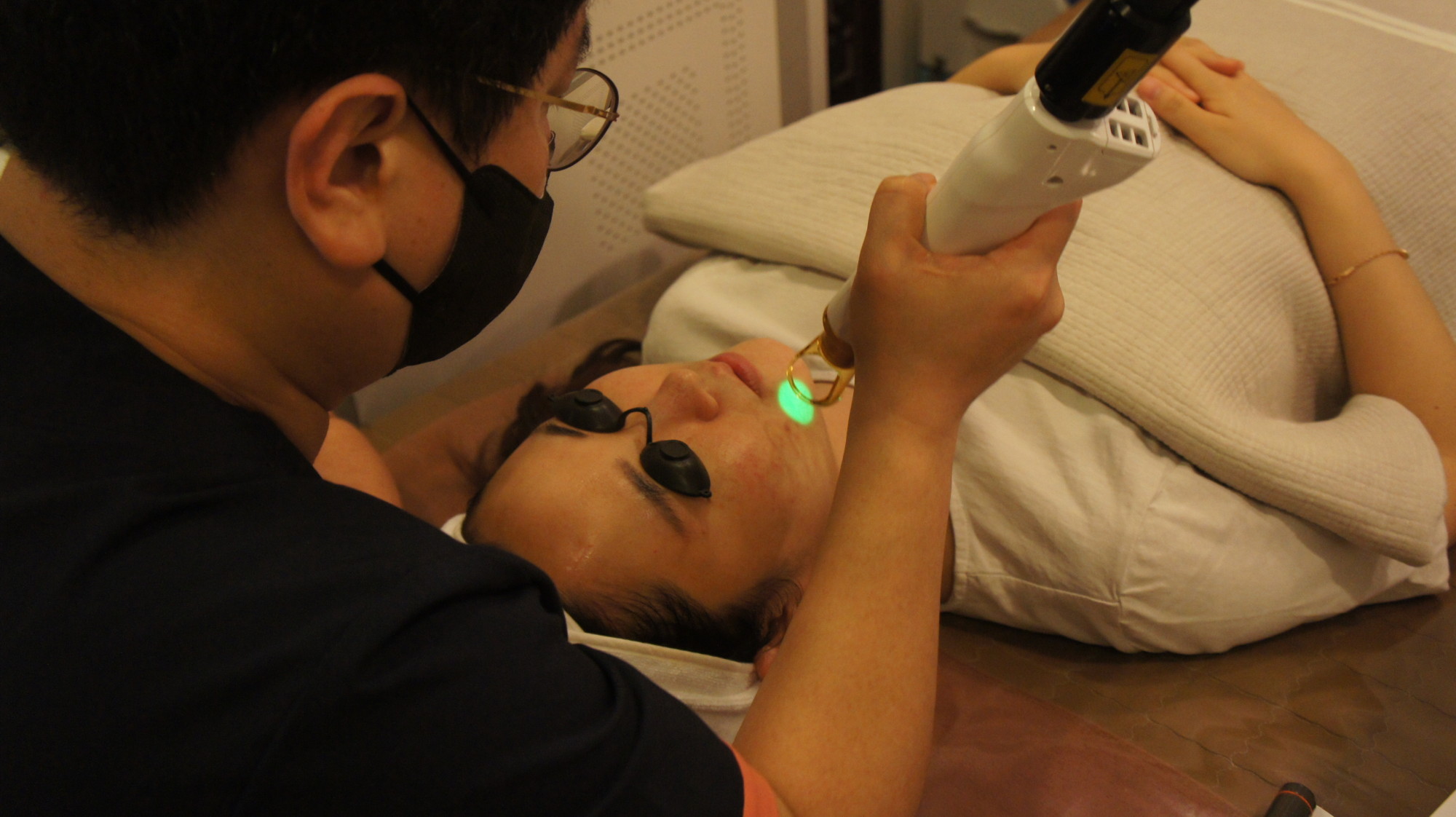
Laser Genesis, with its longer wavelength, then delivers heat into the dermal layer to support skin regeneration and adds a complementary role for melanin-related pigment lesions.
How Pigment Clears After Treatment
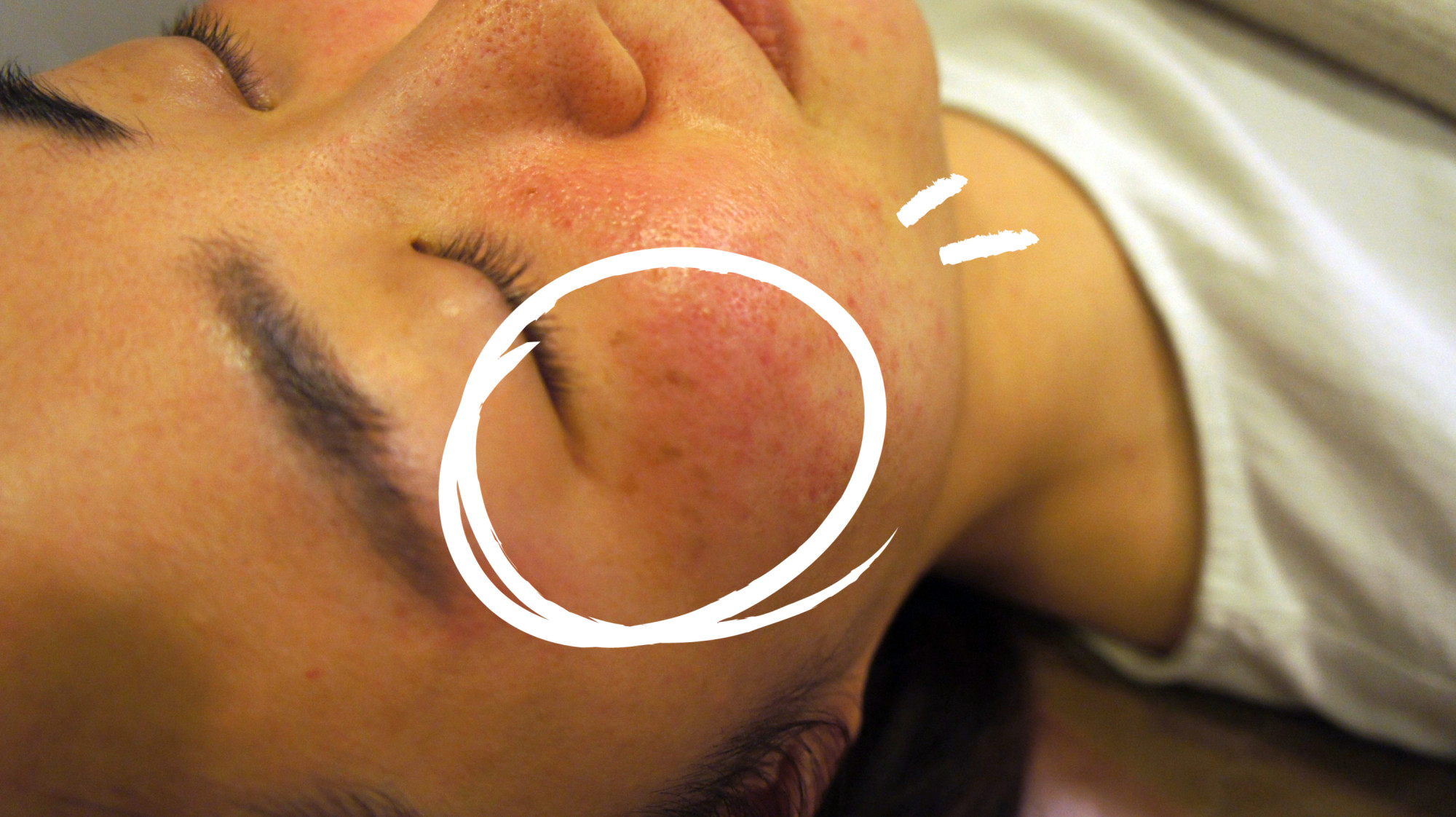
Epidermal pigment that has responded to the laser typically swells slightly and turns greyish-brown right after treatment, then becomes a thin crust over several days and comes away naturally. In some cases it responds by shrinking or fading without any crust forming, and the speed and degree of the response vary from person to person.
A Tailored Configuration Instead of a Fixed Session Package
Recommending the same toning for the same number of sessions to someone with only sun spots, someone with only melasma, someone with freckles and melasma together, and someone who also has flushing or acne is not reasonable. As a rule, SKINIQUE Clinic selects only the lasers that are needed from the devices it operates, based on the diagnosis. Detailed pricing is available on the Price Guide.
Wrapping Up
The heart of managing melasma and sun spots is not the name of the device but knowing the type and the depth of your own pigment. Epidermal pigment may call for an IPL such as Icon MaxG, while a dermal lesion may need a combination of other wavelengths, and that judgement begins in the consulting room. If you are wondering which type the pigment on your face is, ask about your pigment type via chat.
This article was written by Dr. Park Tae-hyung, Chief Director. He is the chief director of SKINIQUE Clinic and serves as an academic director of the Korean Society of Laser Dermatology and Hair. First published August 27, 2021 - Last reviewed August 24, 2026
This article is general medical information. Skin conditions and responses to treatment vary from person to person. Whether to treat and how should be decided through an in-person consultation.