
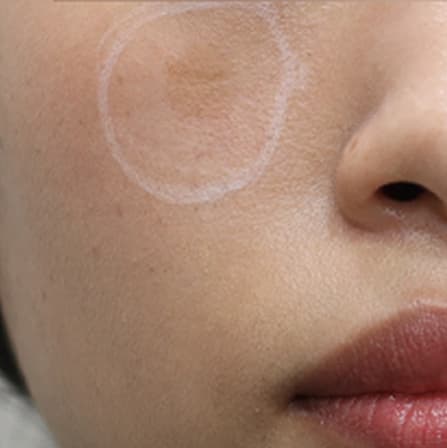
If there is one patch of pigment that catches your eye in the mirror every time because it is unusually dark and large, it is likely a solar lentigo rather than an ordinary blemish. The two questions that come up most often in lentigo consultations are "does it have to be the Lipot laser?" and "will one session clear it?" This article looks at what actually matters in treating a solar lentigo, which tends to get lost behind device names.
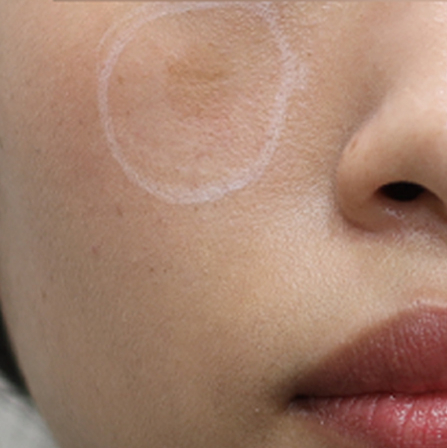
Why a solar lentigo stands out so much
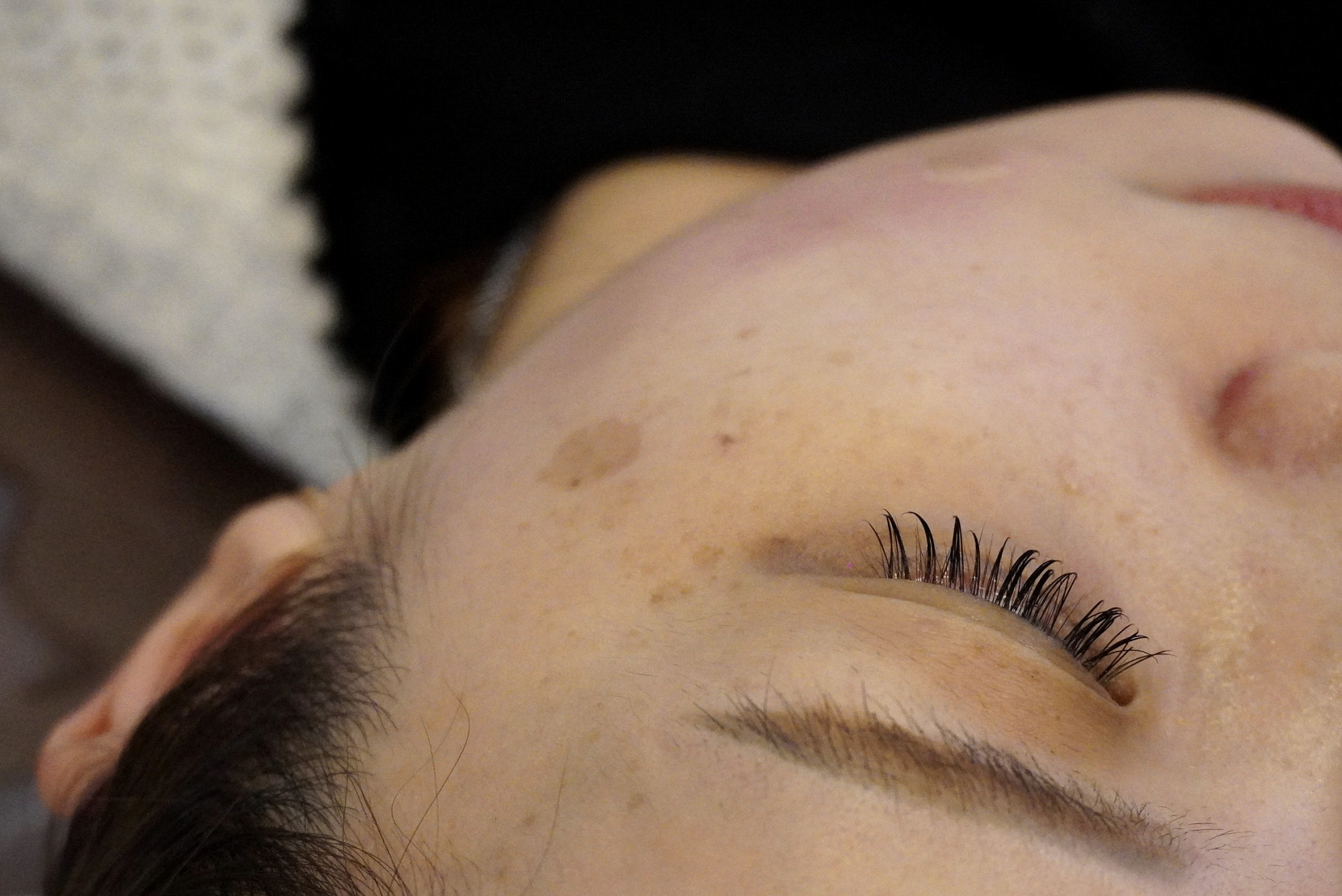
Compared with ordinary blemishes or melasma, a solar lentigo is darker and covers a wider area, so even a single one can shape the impression of the whole face. It also tends to darken and spread over the years, which makes it hard to cover with makeup. It can be the reason a face reads as dull overall. That is why the request from people who are bothered by one is usually clear: they want it dealt with as quickly and as definitively as possible.
Is the Lipot laser the only answer?
There is more than one type of pigment laser used for solar lentigines. Ruby lasers, pico lasers and the Lipot laser are all used in this area. As the Lipot laser has become better known recently, the idea has spread that a lentigo must be removed with it, but that is only half true. What separates one outcome from another is not the name on the device; it is how deeply the lesion is understood and how the laser is handled accordingly.
How SKINIQUE approaches solar lentigo treatment
SKINIQUE Clinic does not have the Lipot laser. The reason satisfaction with laser treatment for solar lentigines holds up regardless lies with the practitioner rather than the machine.
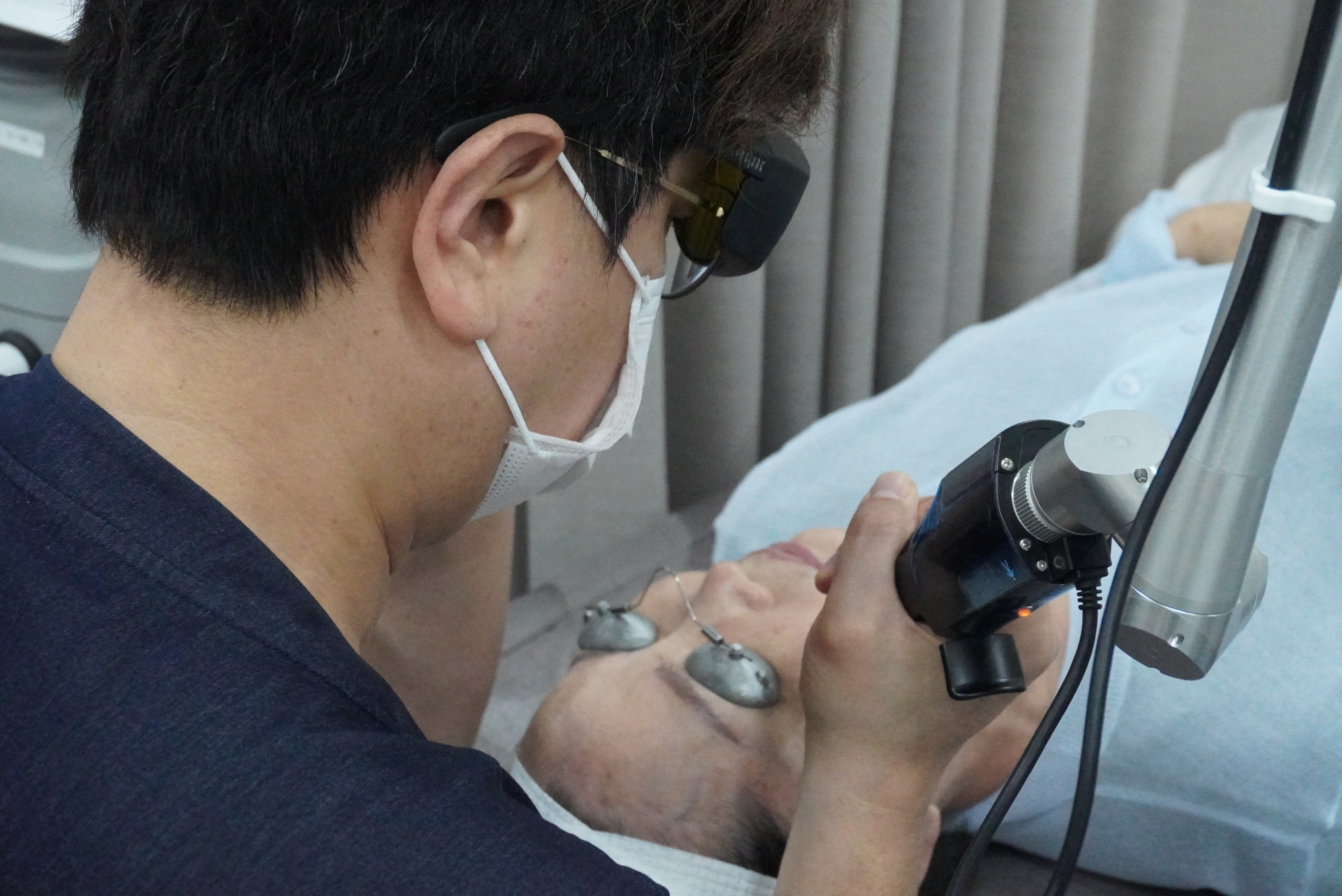
A physician with 13 years of experience in pigment lasers assesses the depth, size and colour pattern of each lentigo, then adjusts the energy lesion by lesion so that only the lentigo tissue is targeted. Because the aim is to lift the pigment while limiting damage to the surrounding normal skin, the settings that experience makes possible matter more than the name of the device being used.
The condition of the lentigo decides the number of sessions
We hear the request to finish it in one go very often. Fortunately, a good share of solar lentigines can fade to a satisfying degree in one or two sessions.
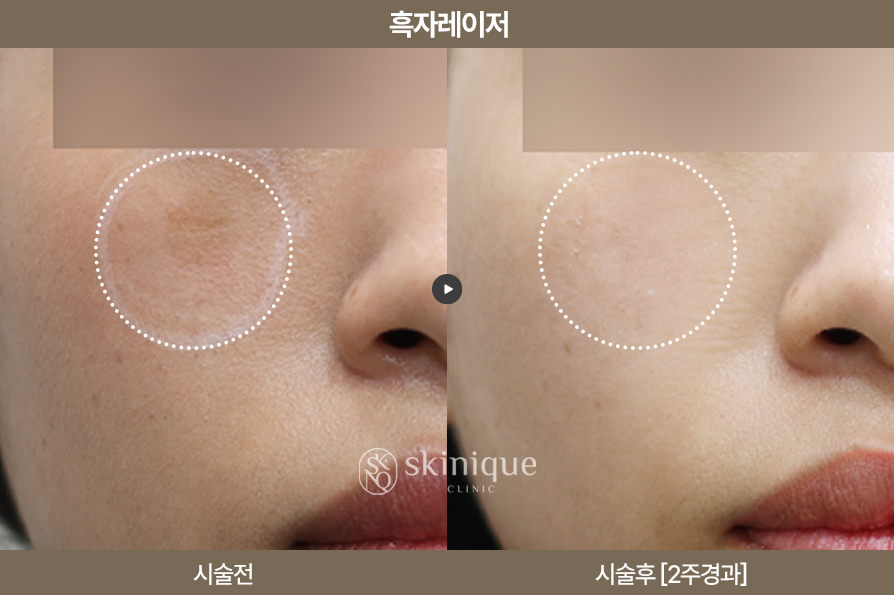
That said, depending on the shape and tone of the lentigo and the degree of skin ageing, a single session is not always enough. Younger skin with good regenerative capacity tends to recover faster and to be more satisfied with the result, while a lesion with several colours mixed together or with pigment sitting deep may call for repeated or additional treatment. In the end it is the state of the lentigo itself, not whether the Lipot laser was used, that determines the number of sessions, and this varies between individuals.
What the treatment actually looks like
The flow is simple. The consultation first confirms the pattern and size of the lentigo, then the laser is applied selectively to the lesion alone, without anaesthesia. A hydrocolloid dressing (DuoDERM) is applied immediately afterwards to protect the treated area, and you remove it at home after about two weeks. From then on, steady care with a regenerating cream and sunscreen is what is needed.
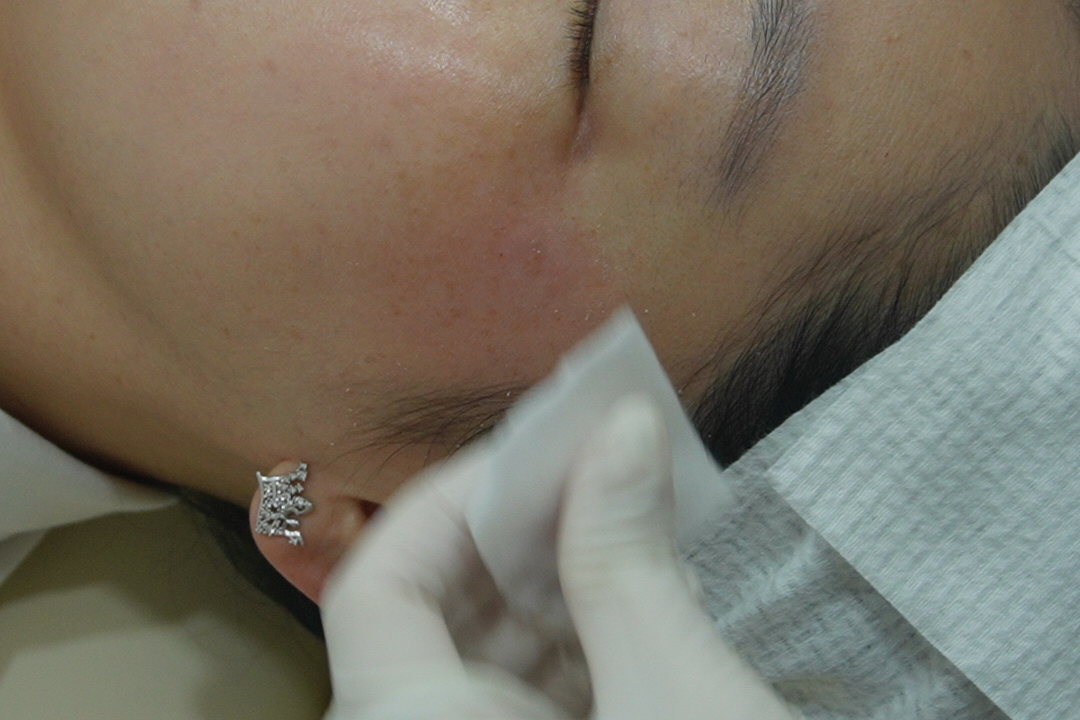
When the dressing comes off, what often remains where the lentigo was is redness alone. That redness fades gradually over time, and with diligent sun protection the skin gradually returns to its original tone.
Many people also want to know about cost. The cost of treating a solar lentigo depends on the size and number of lesions. Detailed pricing is available on the price guide.
Wrapping Up
The outcome of solar lentigo treatment rests not on the name of a particular device but on understanding how a lentigo works and treating it with settings matched to the lesion. Drawing on long experience in pigment treatment, SKINIQUE Clinic aims to lift the lentigo selectively. If you are wondering how many sessions your own lentigo might need or which approach would suit it, feel free to ask through a chat consultation about your solar lentigo.
This article was written by Dr. Park Tae-hyung. He is the Chief Director of SKINIQUE Clinic and serves as academic director of the Korean Society of Laser Dermatology and Trichology. First published August 28, 2025 · Last reviewed August 23, 2026
This article is general medical information. Skin condition and response to treatment vary between individuals. Whether to undergo treatment, and by which method, should be decided through an in-person consultation.