

When looking into Potenza, clinics tend to list only labels such as "mid-cheek / full face, tip included / tip extra", and it is hard to learn which tip is actually used, how many shots are delivered, or how the treatment is carried out. Yet with Potenza it is precisely that detail which decides the result. This article sets out the principle behind the Potenza laser, the synergy when it is combined with skin boosters such as exosomes or Juvelook, and three checkpoints worth confirming before treatment.

How the Potenza laser works
Potenza is a device combining microneedles with radiofrequency (RF). Ultra-fine needles create micro-channels in the skin that trigger a regenerative response, while the RF energy delivered through the needle tips stimulates collagen and elastin production in the dermis. Energy intensity, penetration depth and pulse mode can be adjusted according to the skin concern, and both epidermis and dermis can be targeted, so a broad range of goals can be set — wrinkles and firmness, but also scarring, pores and texture, and skin tone.
Why exosomes or Juvelook are used alongside
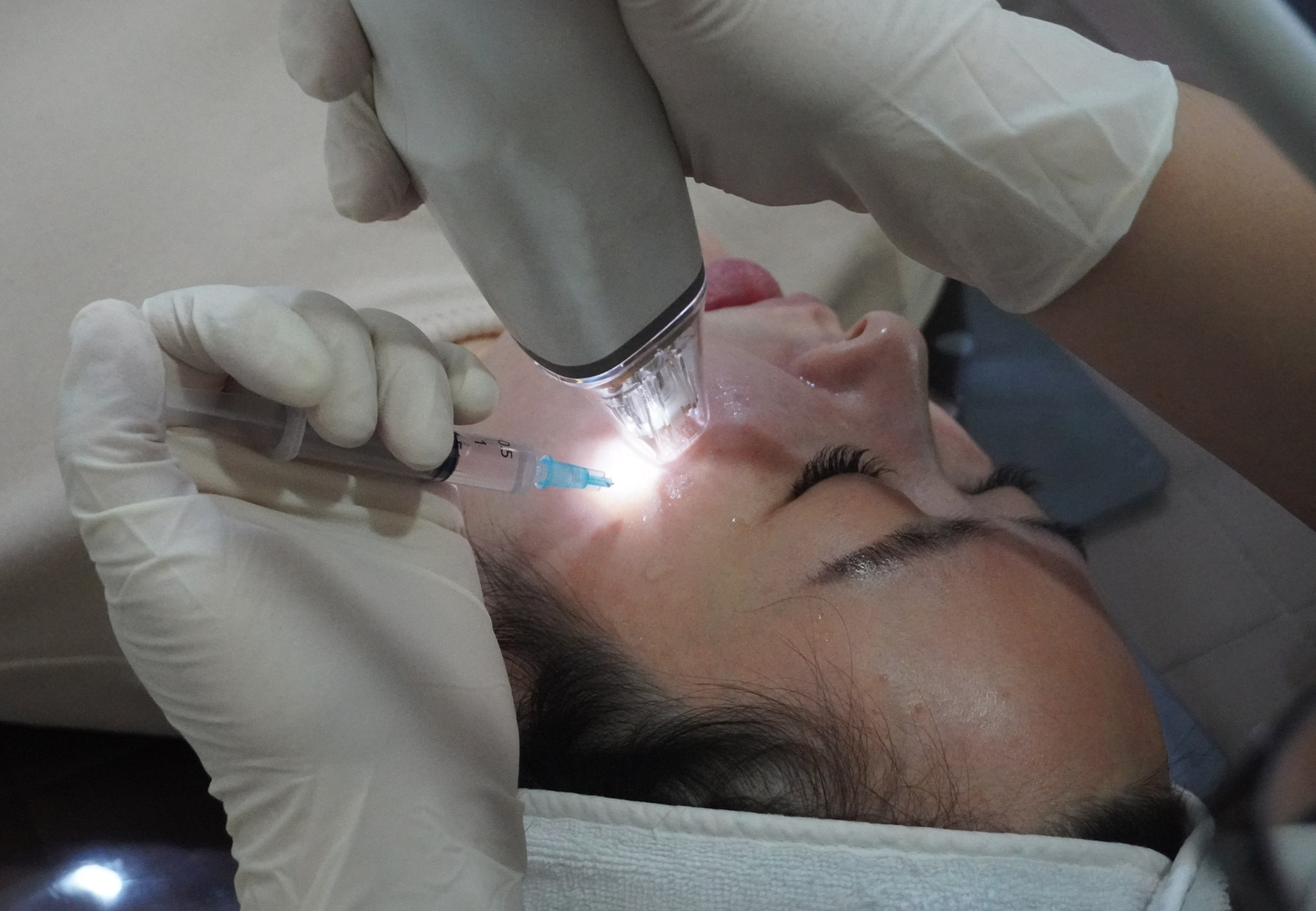
Adding a skin booster such as exosomes or Juvelook to Potenza creates a structure in which the two treatments complement one another. Active ingredients from the booster travel down the channels opened by the microneedles to reach deeper layers, and the regenerative process begun by the needling is supplied with nutrients, which speeds recovery. Improvements in texture and hydration tend to follow as a result, and the outcome tends to hold for longer than with either treatment alone. Which booster suits, however, depends on the state of the skin, so deciding on the right combination among PDRN salmon injection, exosomes and Juvelook during the pre-treatment consultation should come first.
Three things to confirm before treatment
Potenza is not a treatment that can be compared transparently by shot count in the way Ultherapy or Thermage can, so the substance of a session is hard to judge from the conditions visible on the surface. We suggest confirming at least the following three points.
First, is the skin booster matched to your skin condition? Second, is the tip chosen to suit that booster's characteristics? Potenza has a very wide range of tips, and which tip is used changes the content of the treatment entirely. Third, is the total RF energy delivered sufficient? Whether "full face" means one pass or more, and how far the mid-cheek area extends, can make treatments of the same name completely different.
Shot count separates the outcomes
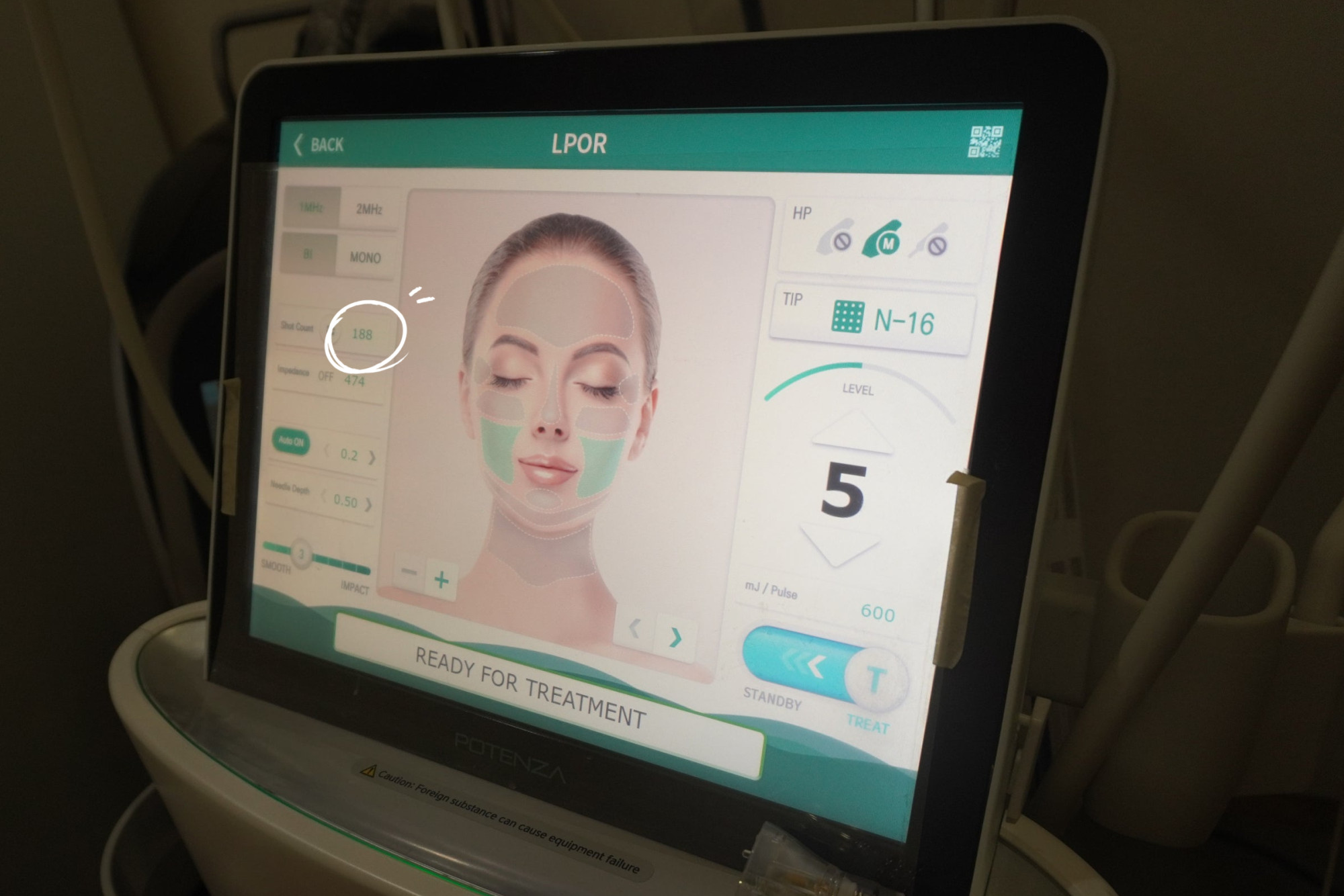
Since Potenza works by inducing skin improvement through RF energy, too little energy delivered — that is, too few shots — leaves change minimal, while too much burdens the skin. Skinique Clinic uses that balance point as its reference and works with 700-1,000 shots as standard for a full-face treatment.
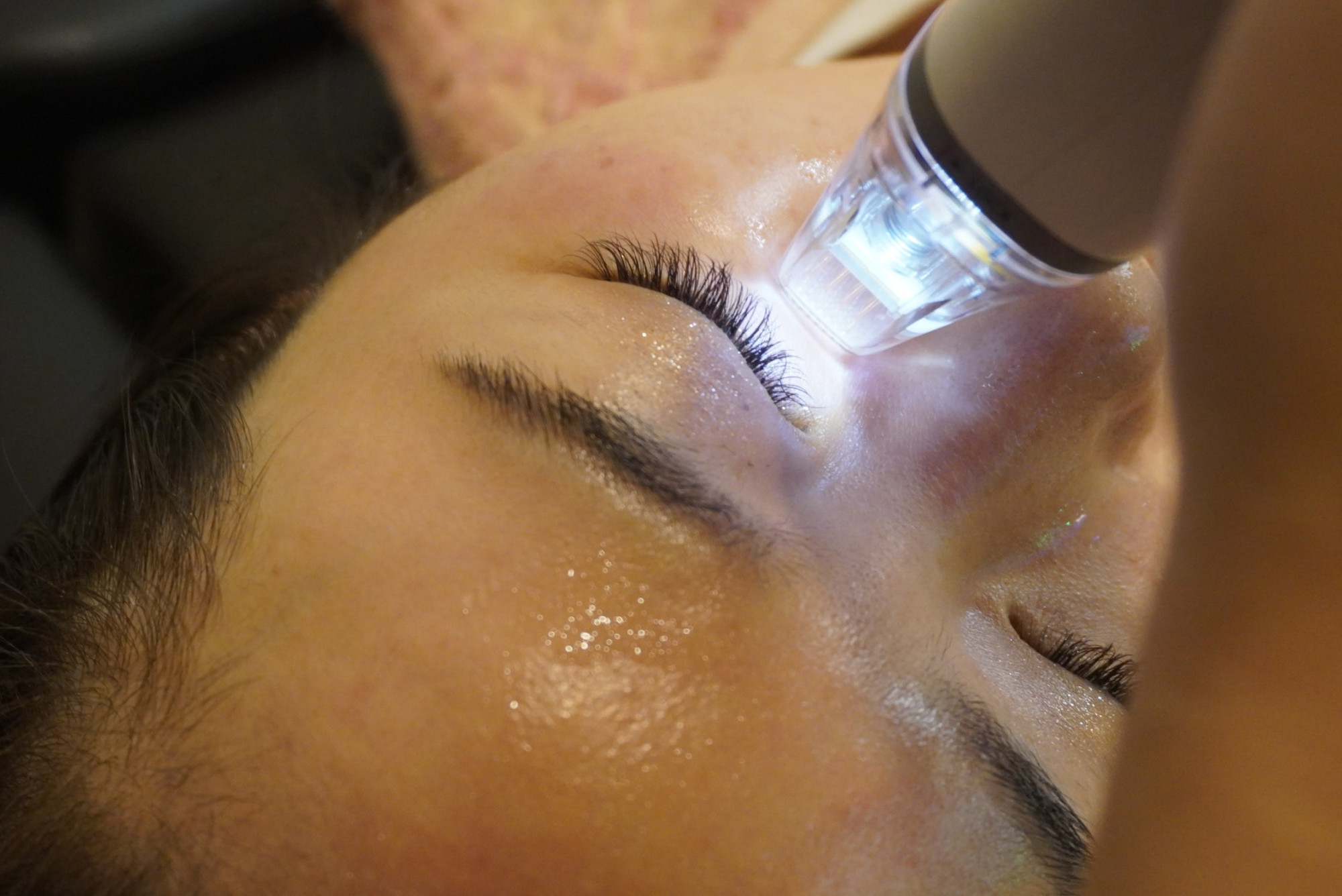
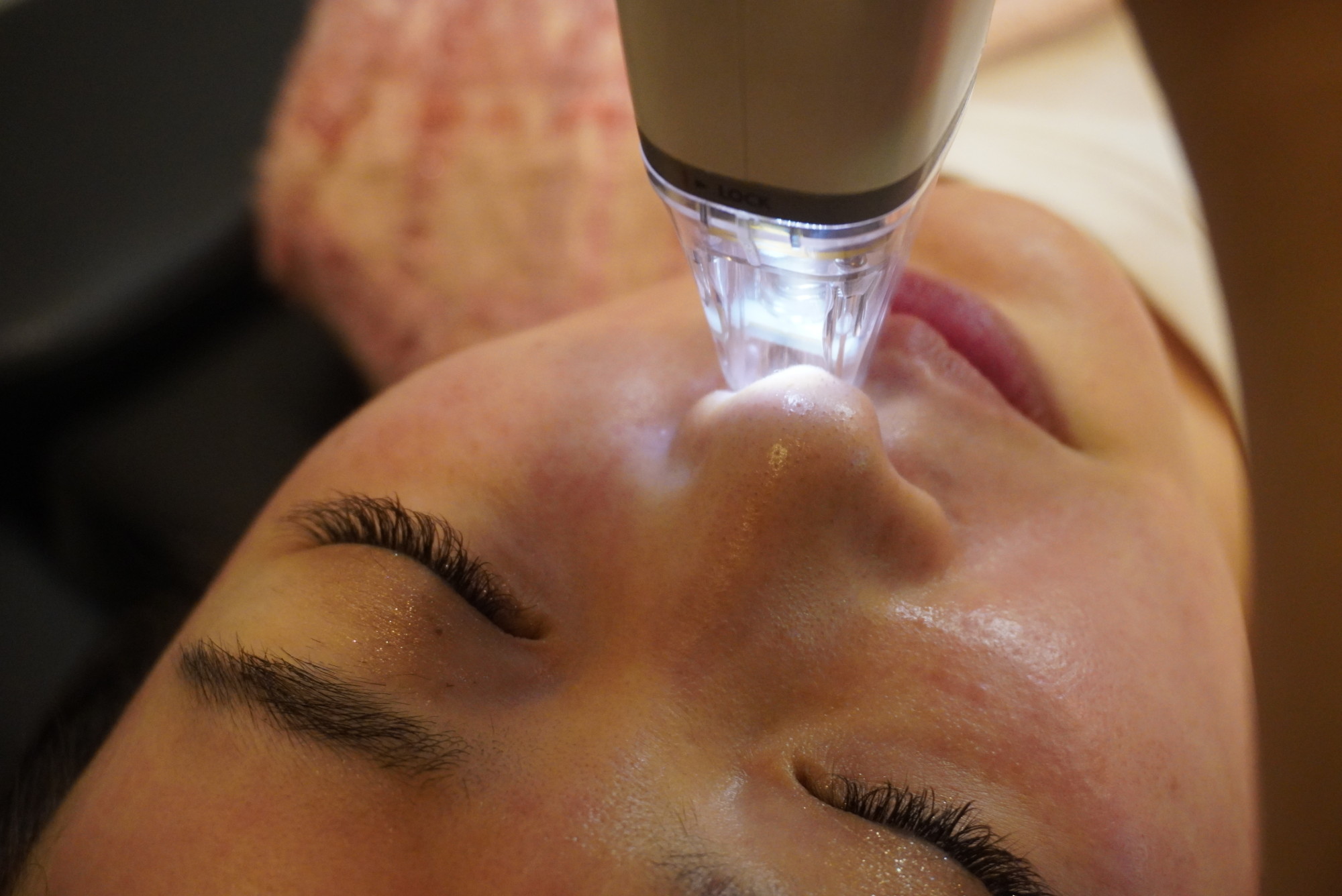
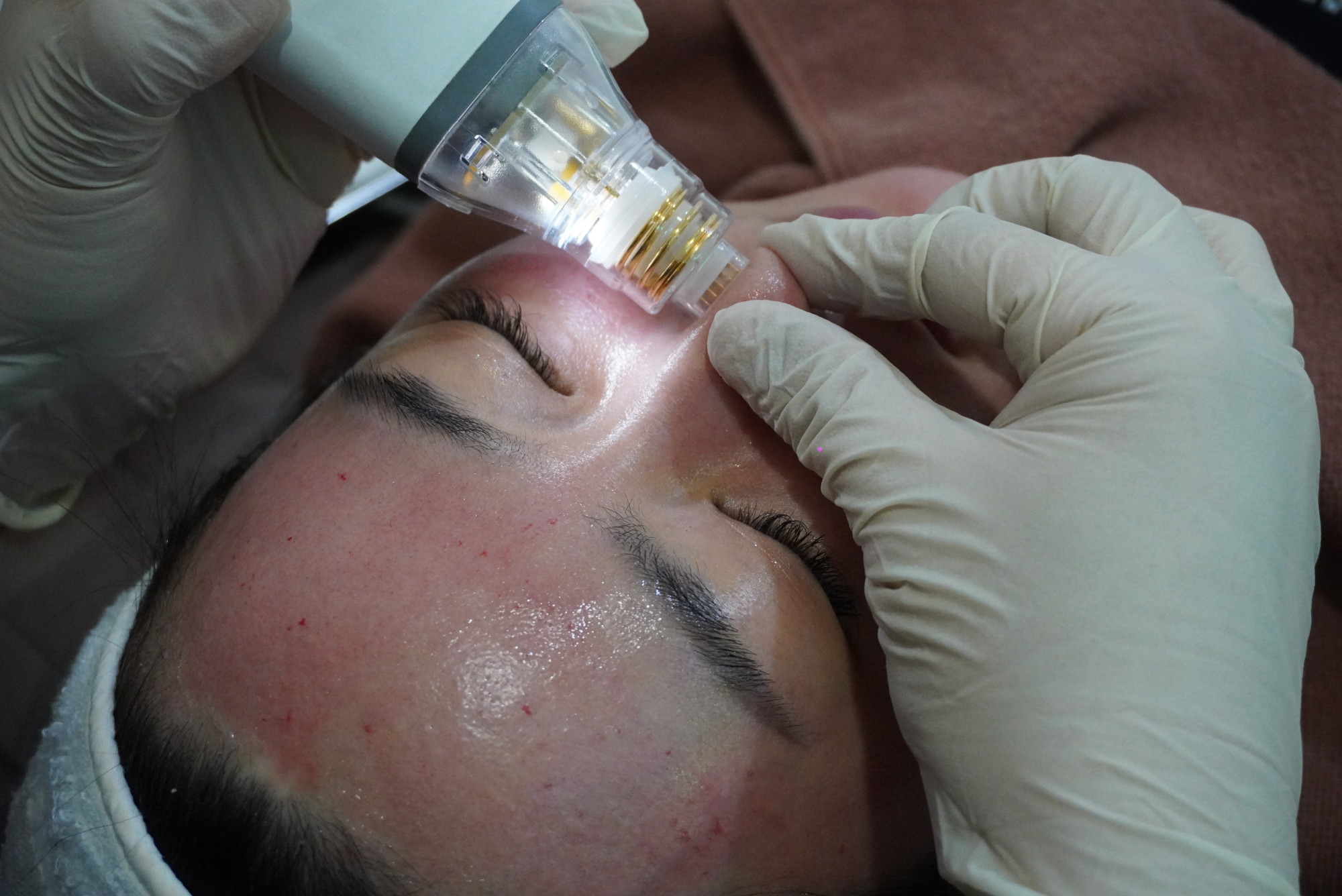
Skinique Clinic's approach is for "full face" to be more than a name: awkward areas such as under the eyes, the sides of the nose and the philtrum are covered without omission, and the mid-cheek region where concerns concentrate is treated thoroughly over several passes. Once the skin booster is decided, the tip best suited to working with that formulation is selected and the treatment is built around it.
In summary
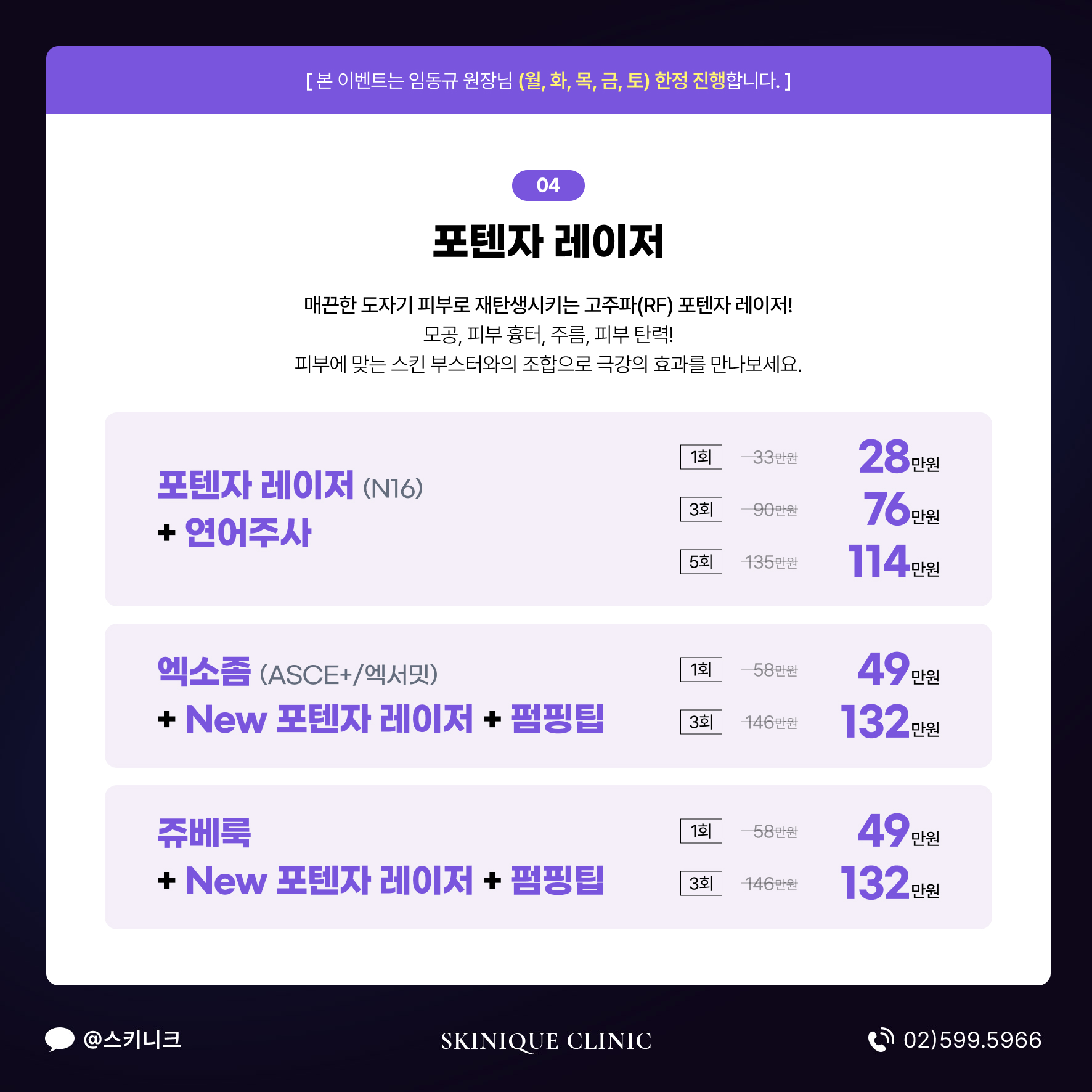
Potenza with exosomes or with Juvelook is a combination in which needle RF and a skin booster raise each other's effect, but the result turns on the details of the plan: which booster, which tip, and how much total energy. When comparing clinics, look at these three points rather than the name on the price list. Detailed costs can be found on the price guide, and if you are wondering which combination suits your skin, try a chat consultation on the combination that suits my skin.
This article was written by Dr. Park Tae-hyung. He is the chief director of Skinique Clinic and serves as academic director of the Korean Society for Laser Dermatology and Trichology.
First published 27 November 2024 · Last reviewed 23 August 2026
This text is general medical information. Skin condition and response to treatment vary between individuals. Whether and how to treat should be decided through consultation.