

When you start looking into Potenza, every clinic seems to explain it a little differently, and asking about shot count rarely gets you a clear answer. This article goes over what kind of device Potenza is, and the three details that shape the outcome — shot count, tip selection, and post-treatment care — along with the standards SKINIQUE Clinic works to.
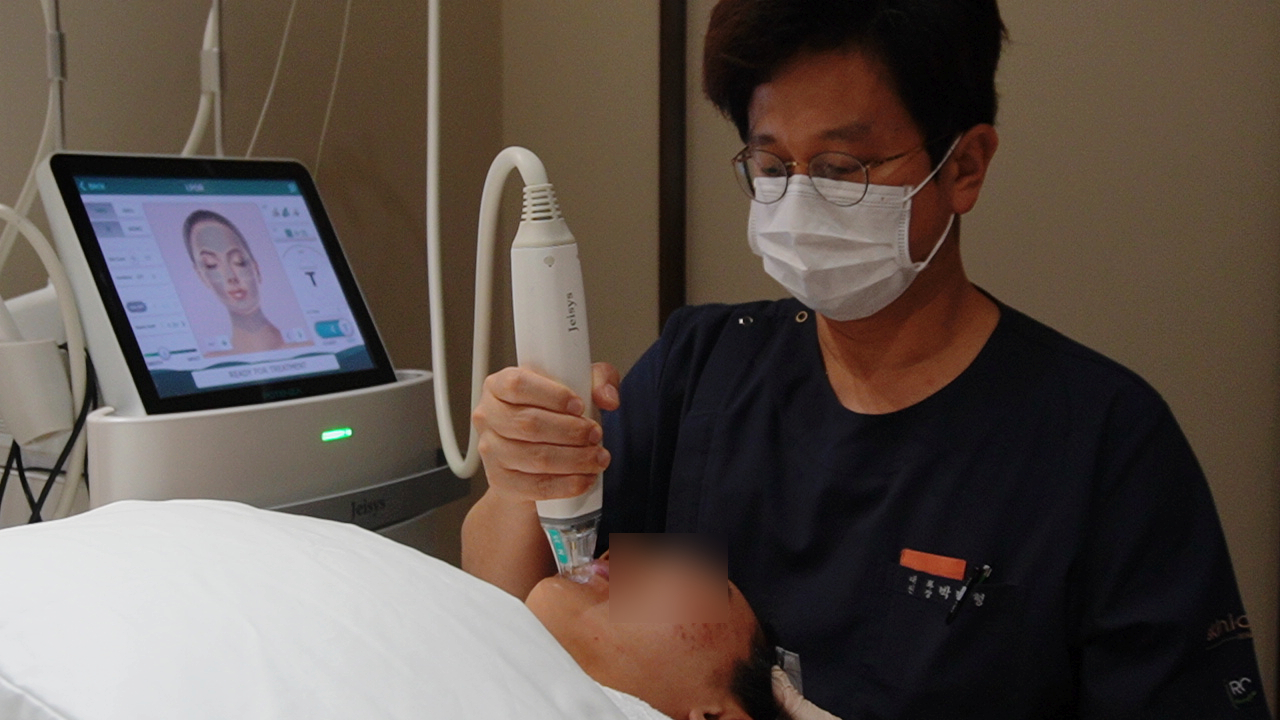
What Potenza is
Potenza combines microneedling with radiofrequency (RF) energy. Fine needles deliver stimulation evenly from the epidermis down into the dermis, prompting the skin's own repair and renewal response.
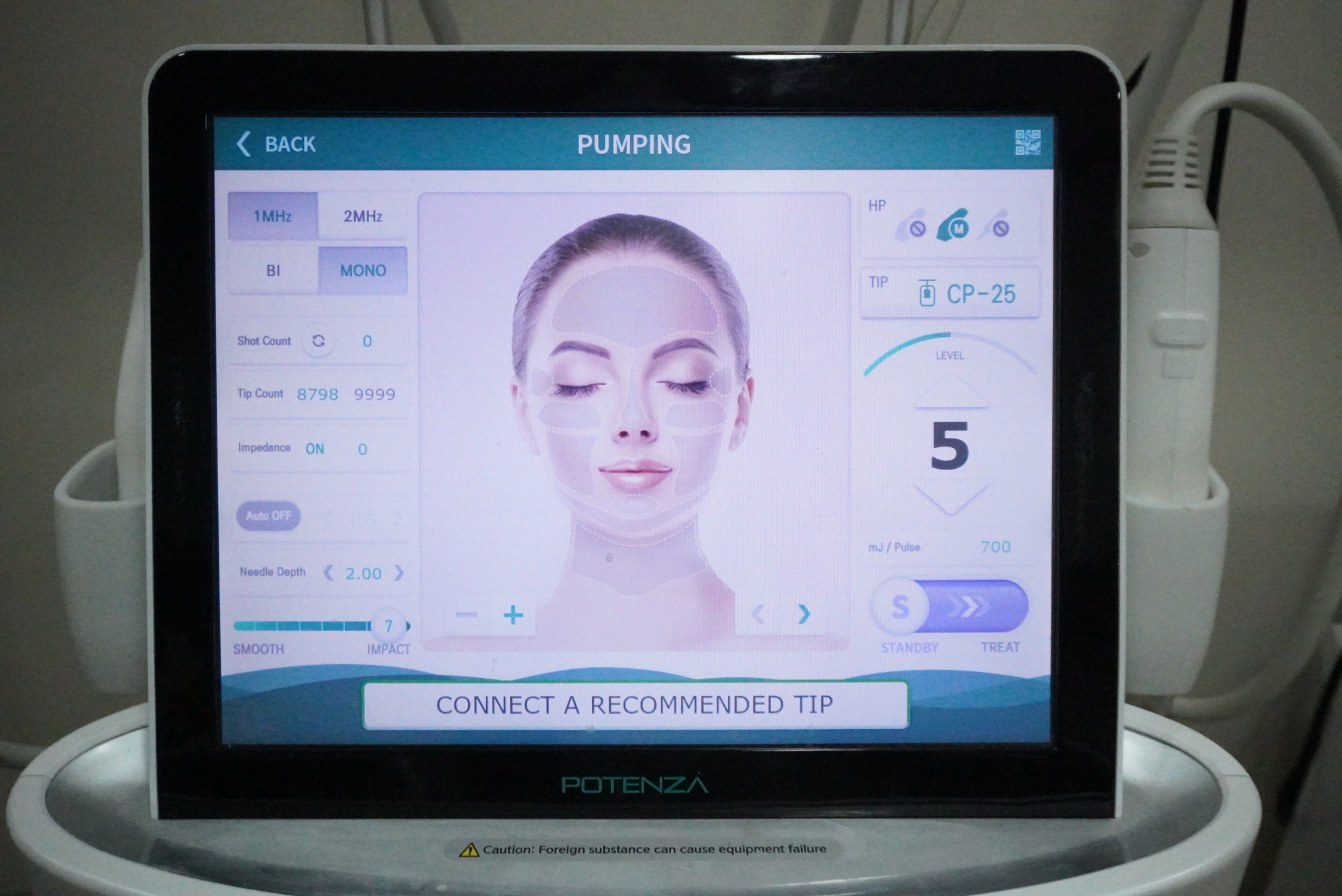
Through that process, the treatment is used to address skin texture and pore condition, acne scarring, tone and firmness, and to stimulate collagen production. It tends to involve less discomfort than earlier RF devices, which is one reason many people come in during the summer months with concerns about enlarged pores. That said, as with any device, the same Potenza can feel quite different depending on how it is performed.
Why shot count should be stated clearly
When people research Potenza, they usually check only whether the full face is covered and whether the tip is included in the price. The number that actually matters, though, is how many shots are delivered into the skin. If asking about shot count only gets you answers like "it depends on face size" or "there's no set standard," there is no way to gauge the density of the treatment.
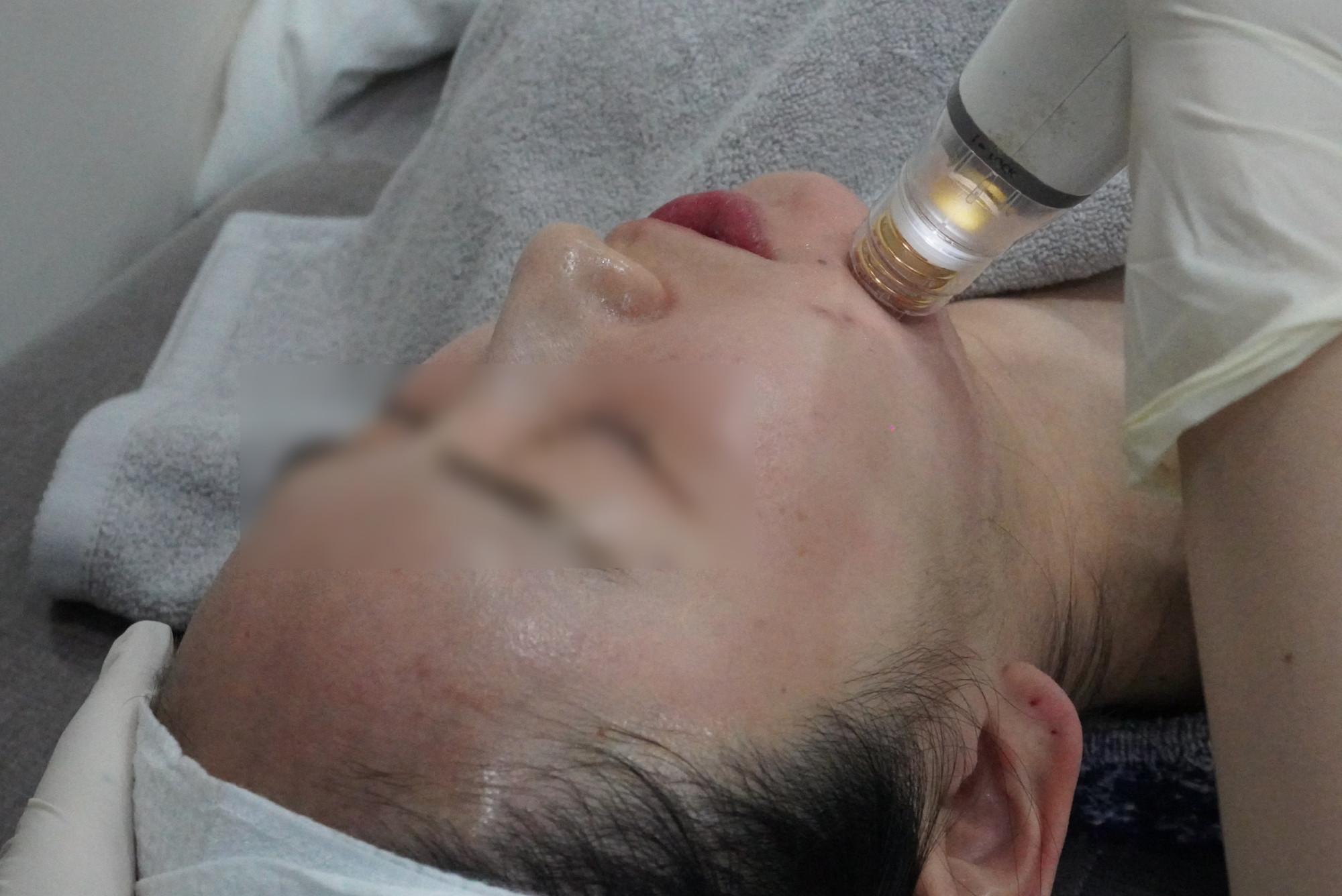
That is why SKINIQUE Clinic states shot count as a standard. Rather than a single mechanical pass over the face, we cover the entire face without gaps, concentrate on the butterfly zone (the mid-cheek area), and work through narrow, delicate areas such as the eye area, the sides of the nose, and the philtrum — with 600 shots or more as the baseline.
The CP25 pumping tip paired with skin boosters
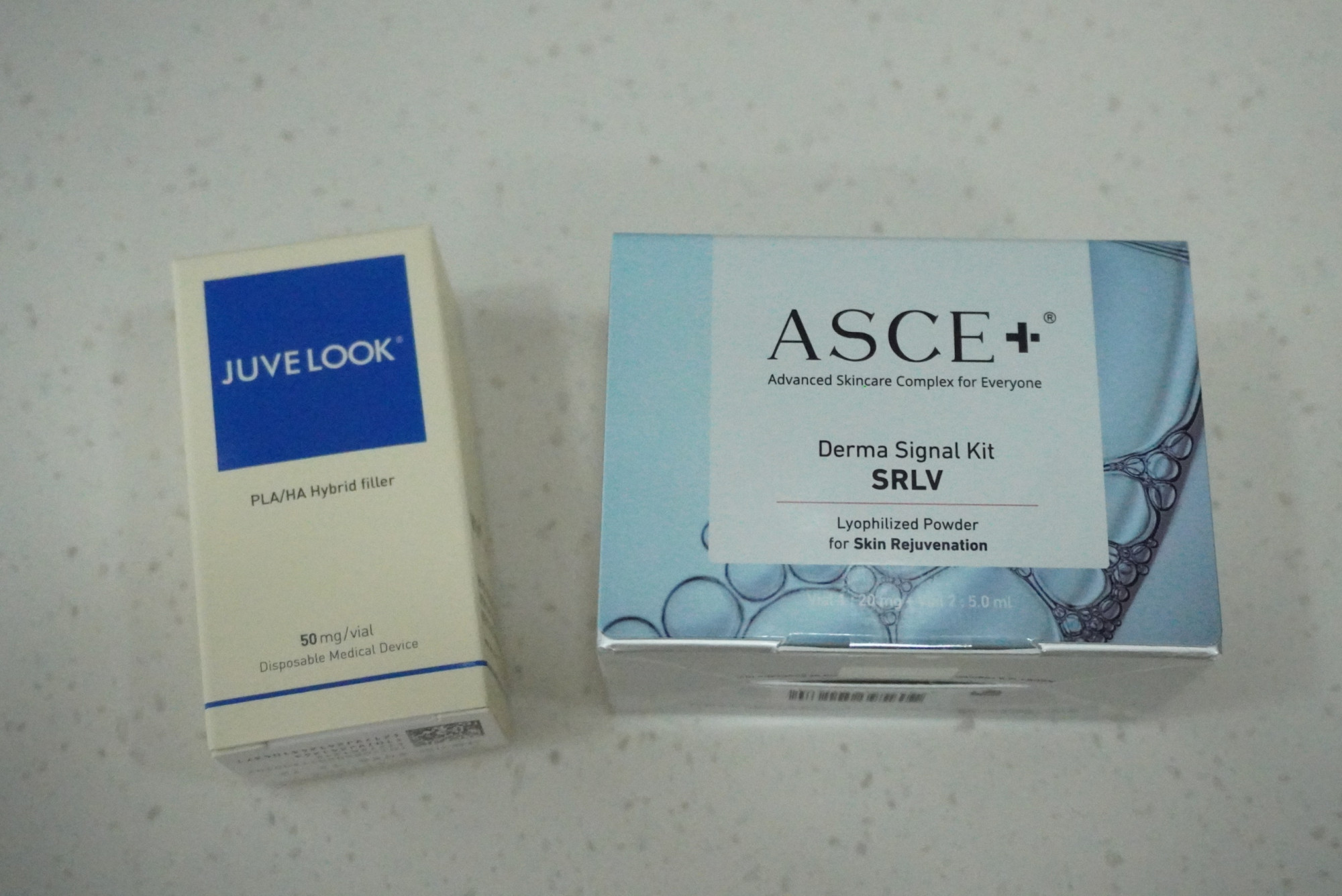
Potenza with Juvelook and Potenza with exosomes use the CP25 tip, commonly called the pumping tip. Its structure pushes the active ingredients of a skin booster more broadly, more deeply, and more evenly into the skin, which improves how well Juvelook or exosome formulations are absorbed. In effect it becomes a combined treatment — needle stimulation waking the skin's repair response while the active ingredients are delivered at the same time.
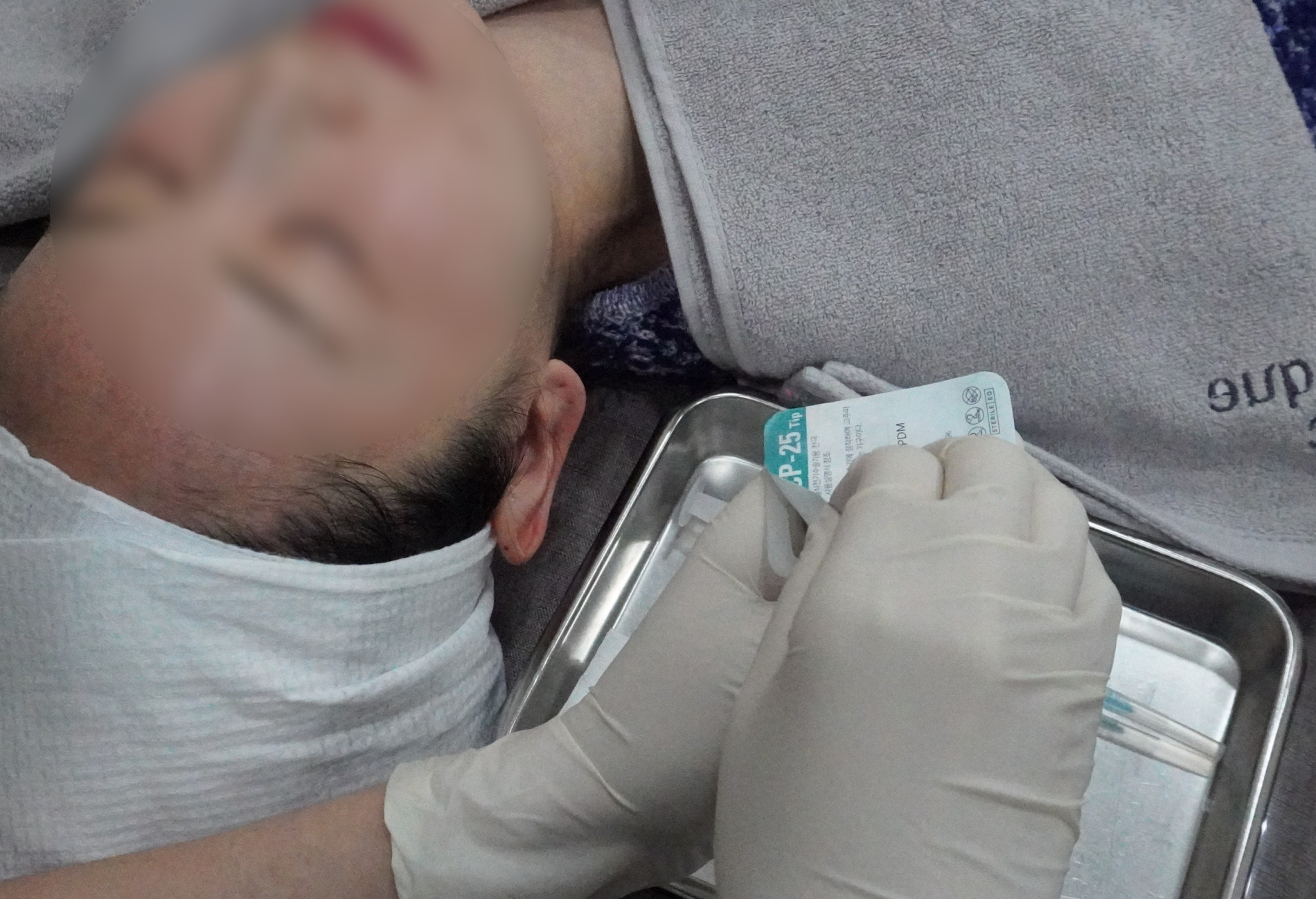
We keep tip handling transparent as well. Every Potenza treatment at SKINIQUE Clinic uses only genuine single-use tips, opened in front of the patient before the procedure, and the actual number of shots delivered can be checked afterwards. Skin boosters are likewise used in the full stated amount.
Post-treatment soothing care is part of the set
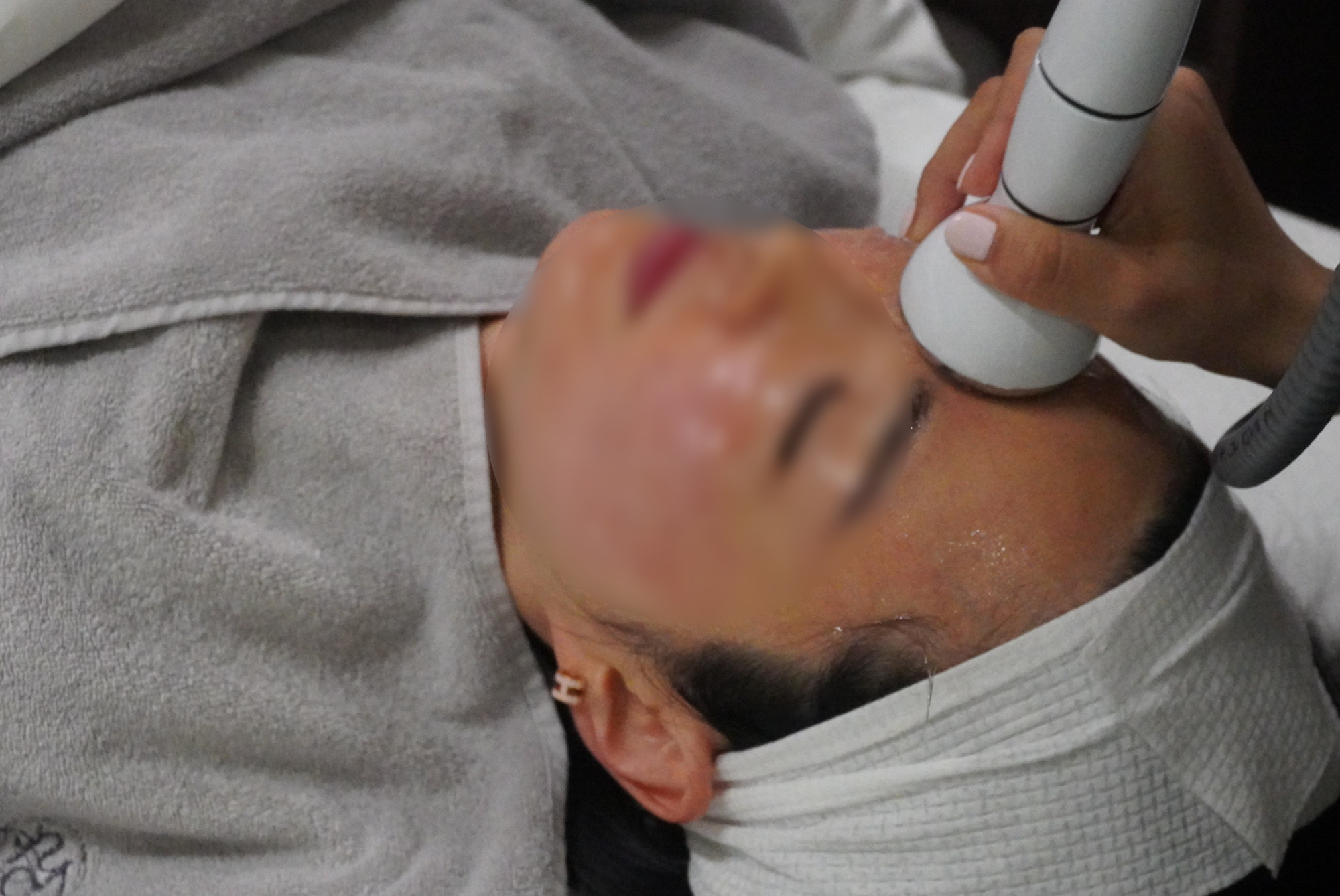
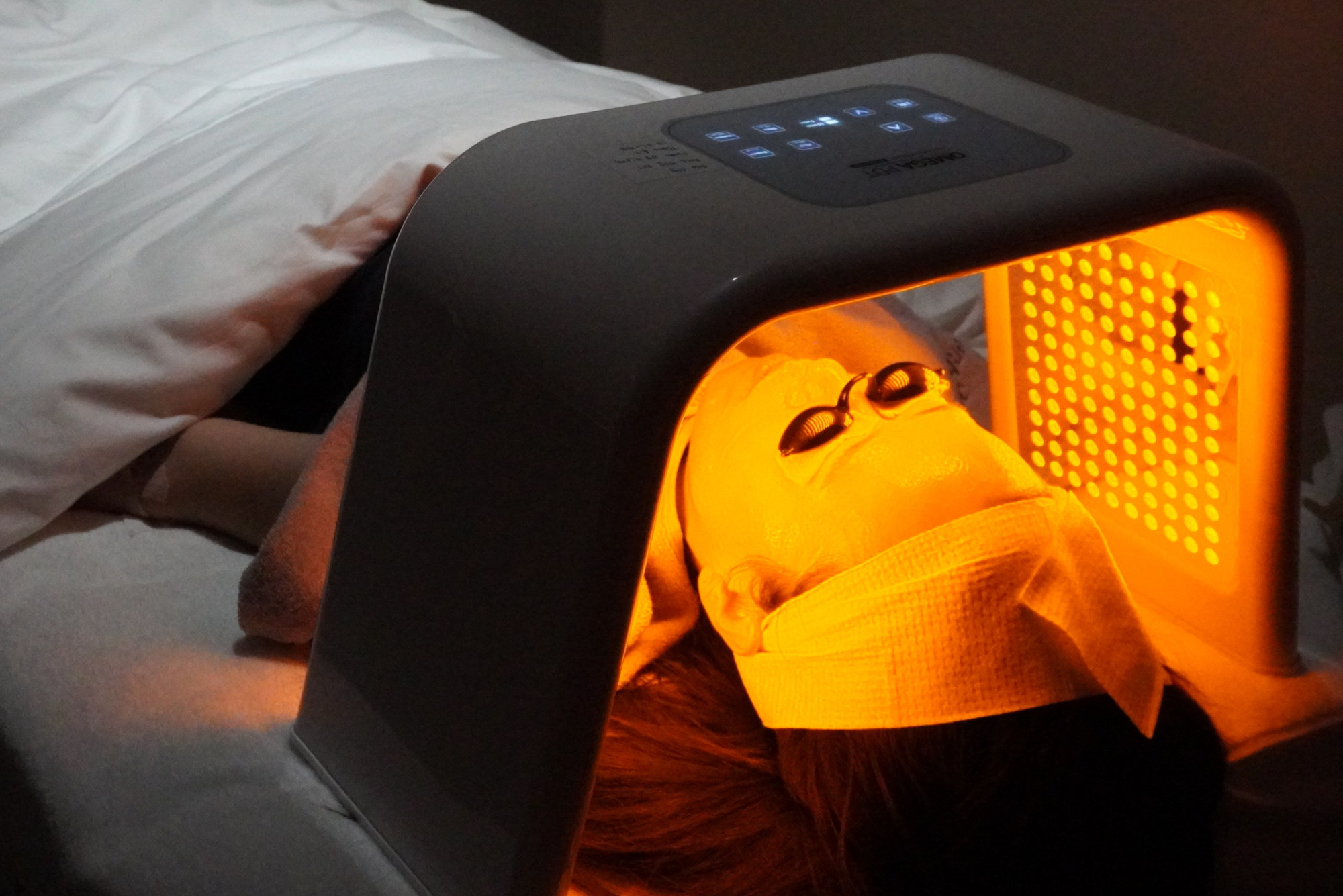
Skin that has just received needle and RF stimulation needs calming. At SKINIQUE Clinic, cryotherapy soothing care, LED recovery care, and a modeling pack are included as part of the treatment, to ease the load on the skin and set up conditions for recovery. If you are curious about how the treatment is put together and what it costs, details are listed on our price guide.
Wrapping Up
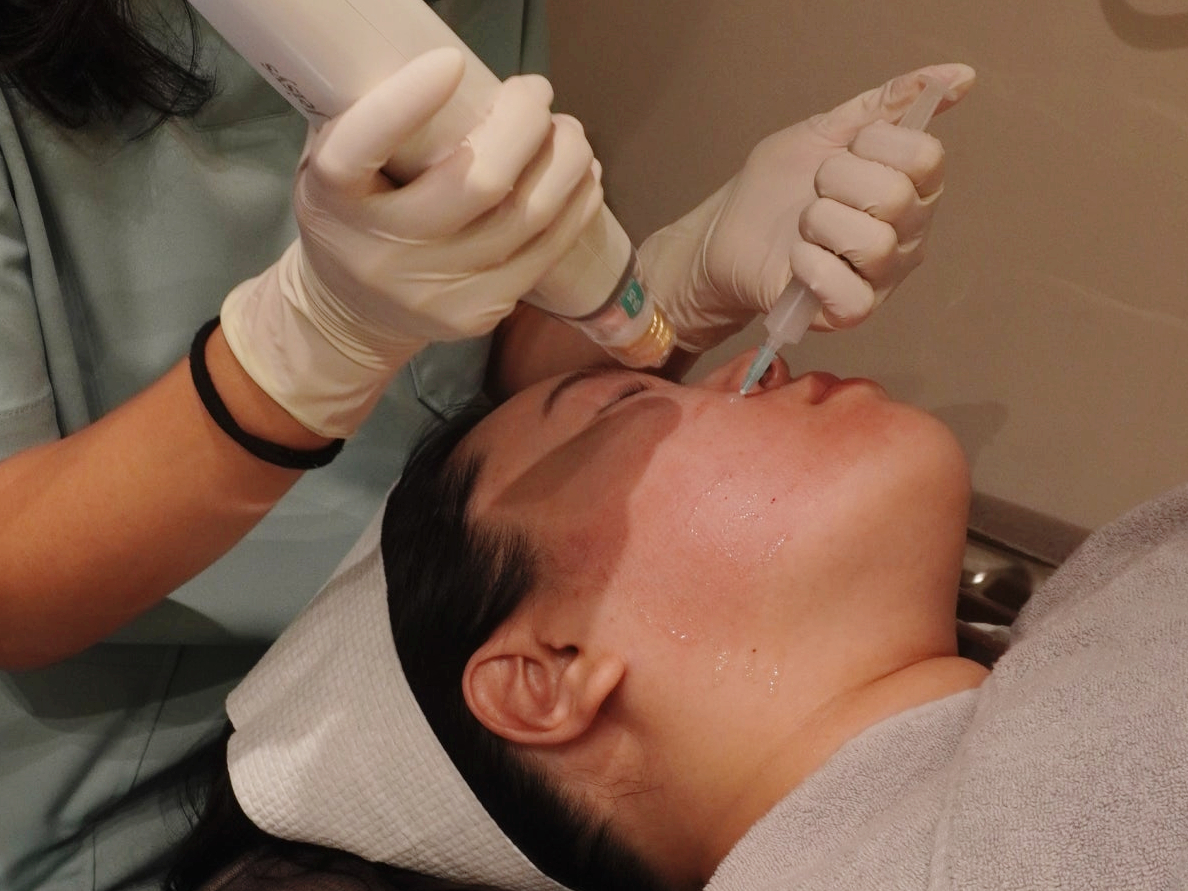
It is easy to choose Potenza by device name alone, but results come down to details: the density of the shot count, the type of tip and how it is handled, and the care that follows. Responses do vary from person to person depending on skin condition, so whether Juvelook or exosomes suit your particular concern is best confirmed in consultation. If you have questions, feel free to reach out through a chat consultation about your pores and scarring.
This article was written by Dr. Park Tae-hyung, Chief Director. He is the Chief Director of SKINIQUE Clinic and serves as Senior Director of the Korean Society for Laser Dermatology and Trichology. First published August 7, 2025 · Last reviewed August 23, 2026
This article is general medical information. Skin condition and response to treatment vary from person to person. Whether to undergo treatment, and by what method, should be decided through consultation with a physician.