

Look into treatment for melasma and blemishes and you will meet the name pico toning everywhere. Yet the same pico toning is put together differently from clinic to clinic, and that is often where differences in outcome come from. This article covers how pico toning works, along with why SKINIQUE Clinic builds its toning programmes by combining several lasers.
How Pico Toning Works

Pico toning is a toning treatment based on picosecond lasers, which fire pulses lasting a trillionth of a second. Compared with conventional laser toning working in nanoseconds, the pulse is a thousand times shorter, so pigment particles alone can be targeted before heat spreads into surrounding tissue. Because pigment is broken into finer fragments, the same lesion can often be approached in comparatively fewer sessions.
Why One Good Device Is Not Enough
Not all pigment is the same pigment. Melasma, freckles and blemishes each arise for different reasons, settle at different depths and come in different sizes — and once skin type is added, the number of possible cases grows much larger. Just as removing a stain calls for a different detergent depending on whether it is fruit juice or grease, pigment in the skin has to be met with a laser whose wavelength and depth match the character of the lesion. That is why no single picosecond laser, however good, can cover every kind of pigment on its own.
Pico Triple Toning and Quattro Toning: Designing the Combination
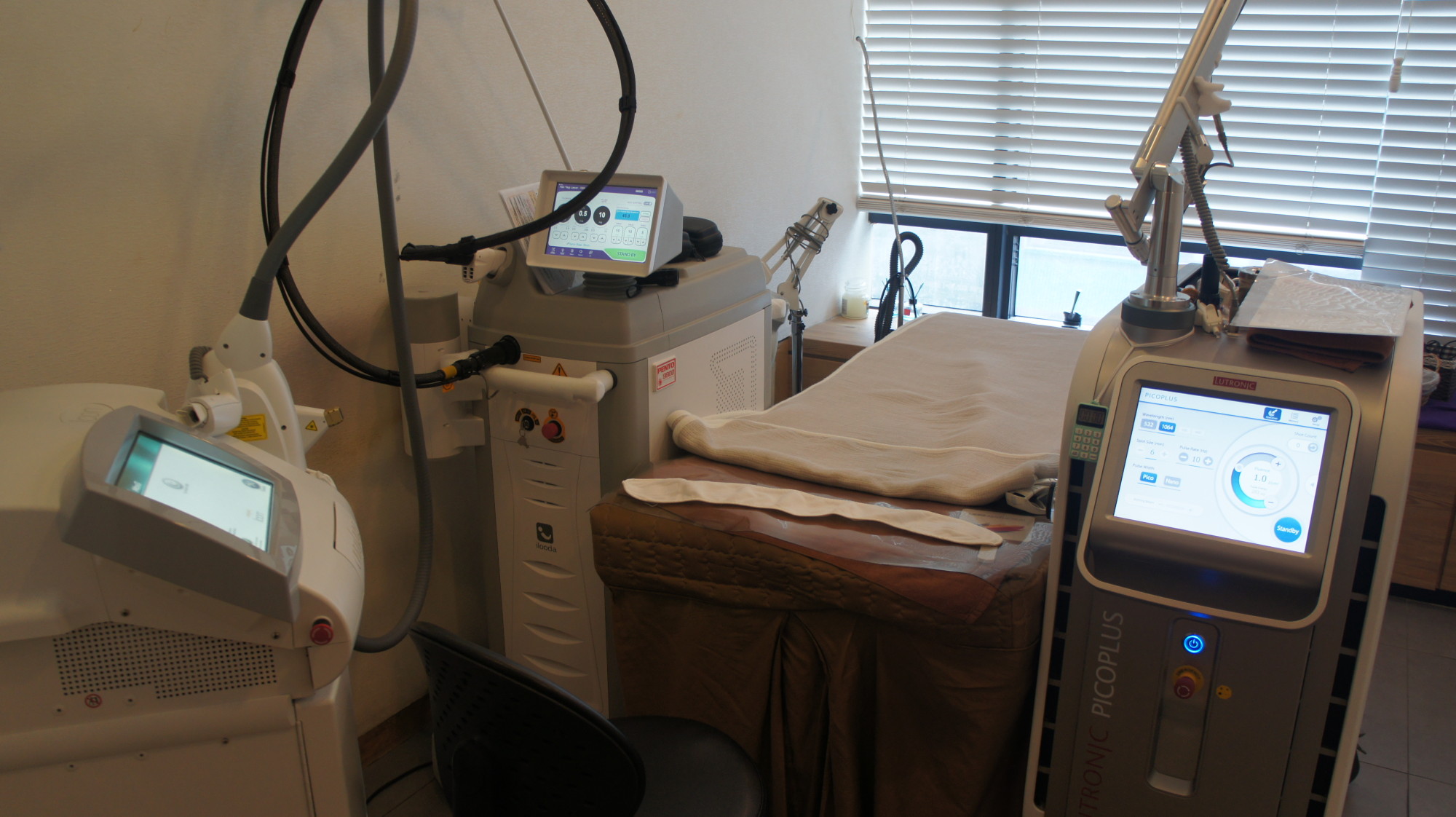
This is why SKINIQUE Clinic does not use pico toning on its own, but runs Pico Triple Toning and Pico Quattro Toning programmes that combine several lasers within a single session. The framework is as follows. Pico toning handles the darker pigment; Alex toning, using a 755nm alexandrite laser, takes on lighter pigment and overall tone; and any remaining lesions are tidied up with spot treatment area by area. To this we add Icon MaxG, which addresses epidermal pigment, redness and pores, and Genesis toning, which supports dermal renewal — each matched to the skin type. It is a combined design that aims not only at clearing pigment but at skin texture and renewal alongside it.
A Prescription That Changes Each Visit
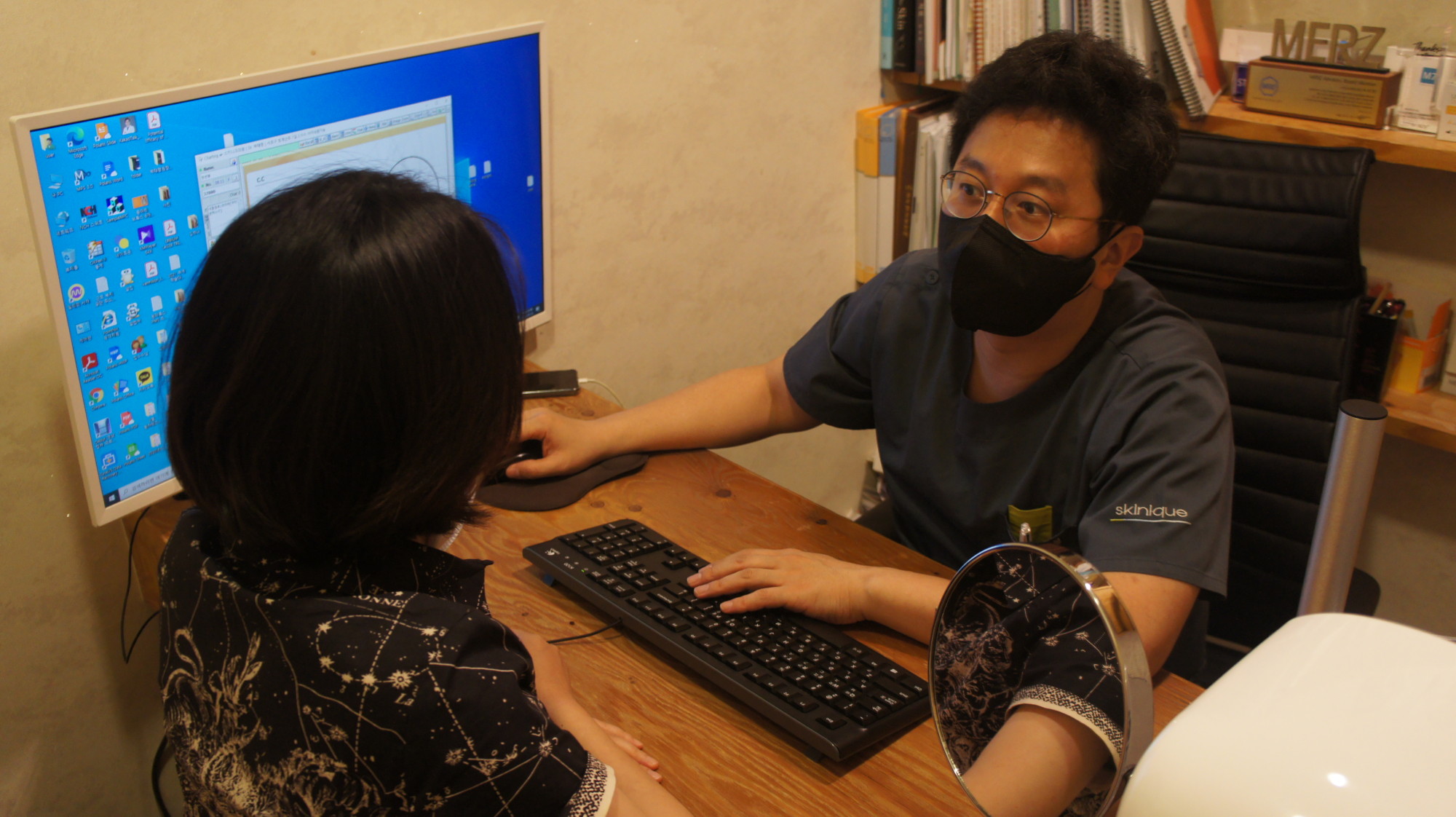
Before treatment, the director consults with you in person, identifies the type of pigmented lesion and the characteristics of your skin, and settles on a laser combination for you specifically. And where you visit over several sessions, the combination decided at the outset is not repeated by rote. The state of the skin as it responds to the lasers is reassessed at every visit, and the combination is adjusted by changing the devices and tips as needed. The approach is fundamentally different from working through a set number of sessions in the same way each time; there is a broad framework to the programme, but other devices may be added depending on the condition of the skin.
If Any of This Sounds Familiar
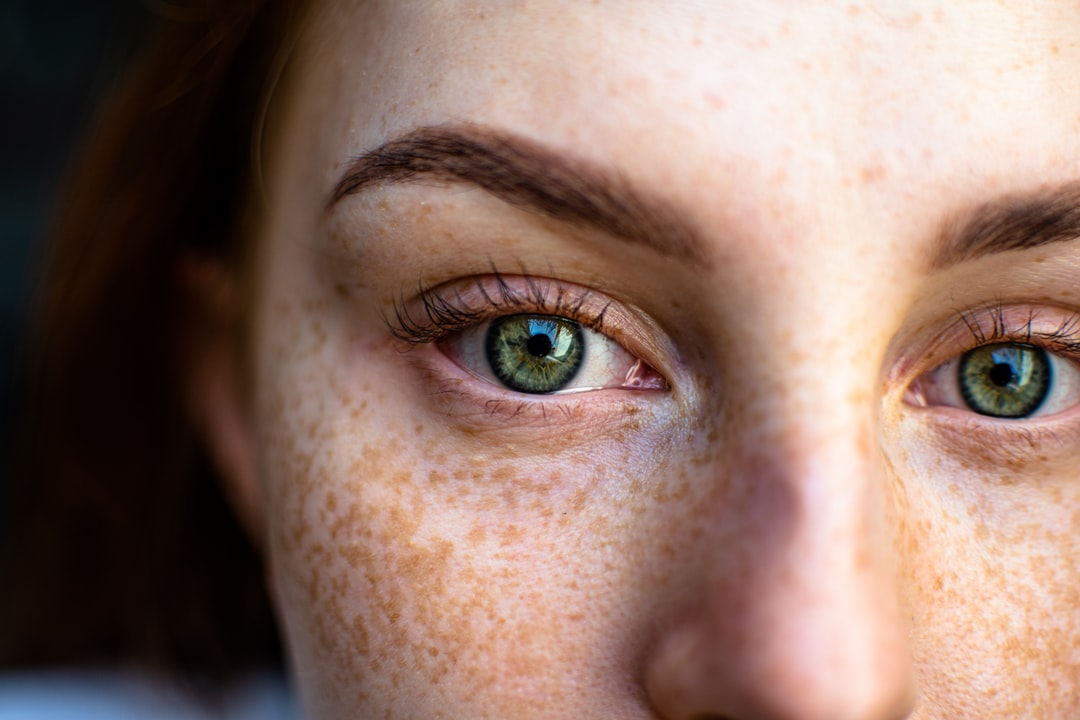
If long-standing melasma is not lightening, if you have had pigment darken rather than fade after laser treatment, or if you are continuing with a treatment of doubtful benefit because you have already paid for a set number of sessions, it is worth re-examining whether the current combination suits your pigment in the first place. Pigment treatment has to start from a diagnosis of the lesion, not from the name of a device.
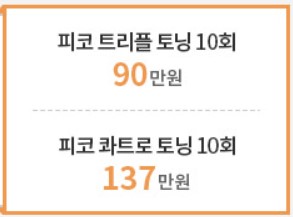

That said, the speed of response and the degree of improvement vary from person to person depending on the type of pigment and the condition of the skin, so we would encourage you to set out a treatment plan after a thorough consultation. Detailed costs can be found in the pricing guide.
Our Commitment
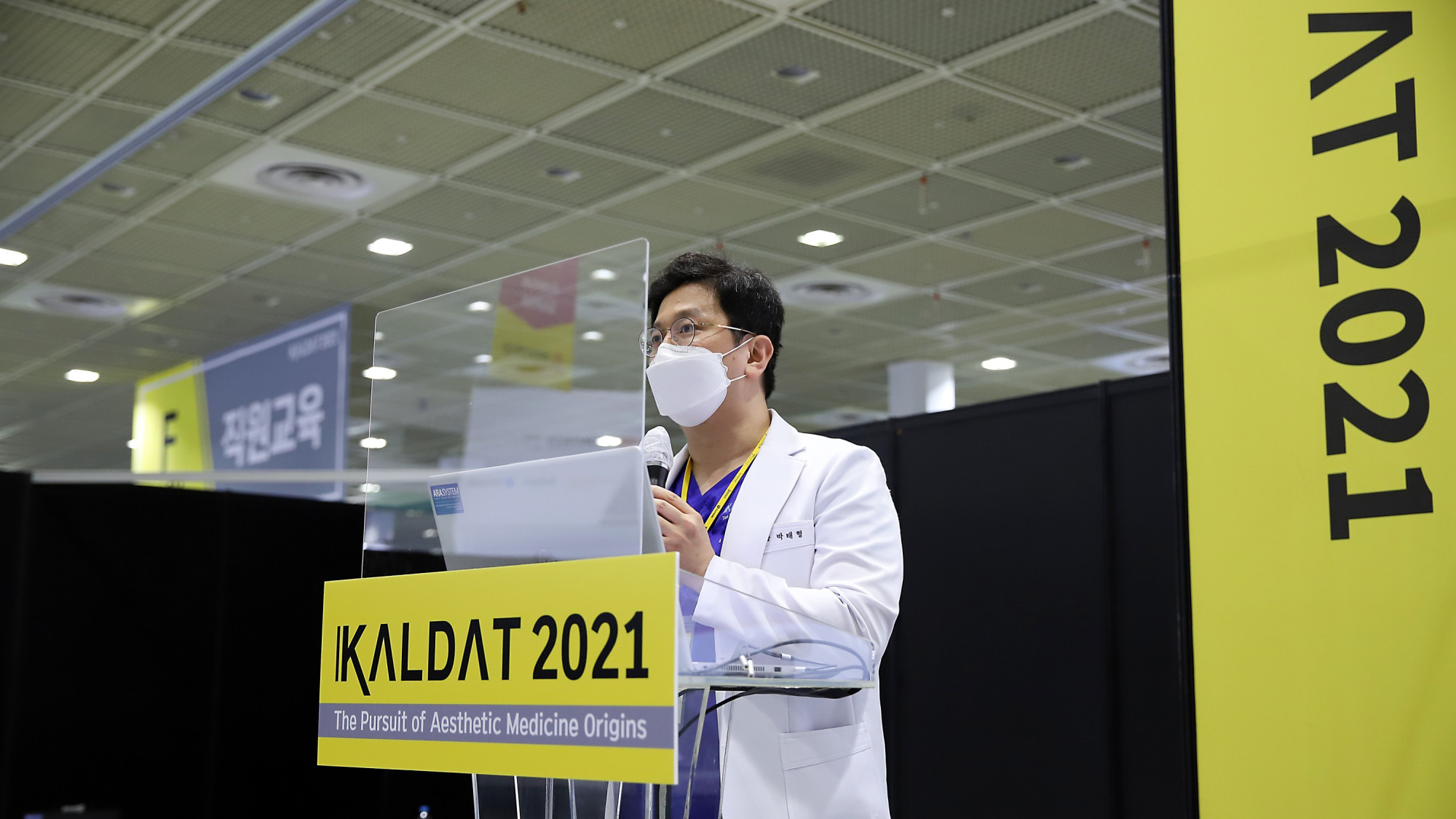
Laser treatment is a process in which diagnosis, combination and adjustment at each visit accumulate into a result. Taking the condition of each person's skin as our reference point, we will put together honestly the treatment that skin needs on the day.
Wrapping Up
Pico toning is a toning treatment that breaks pigment into fine fragments with picosecond pulses, and because pigment differs in depth and character from person to person, combining several lasers and adjusting at each visit matters. If you are wondering which combination suits your own melasma and blemishes, ask us in a chat about your pigmentation concerns.
This article was written by Dr. Park Tae-hyung, Chief Director. He is the chief director of SKINIQUE Clinic and serves as academic director of the Korean Society for Laser Dermatology and Trichology. First published August 14, 2021 · Last reviewed August 24, 2026
This article is general medical information. Skin condition and response to treatment vary from person to person. Whether to be treated, and how, should be decided through consultation.