
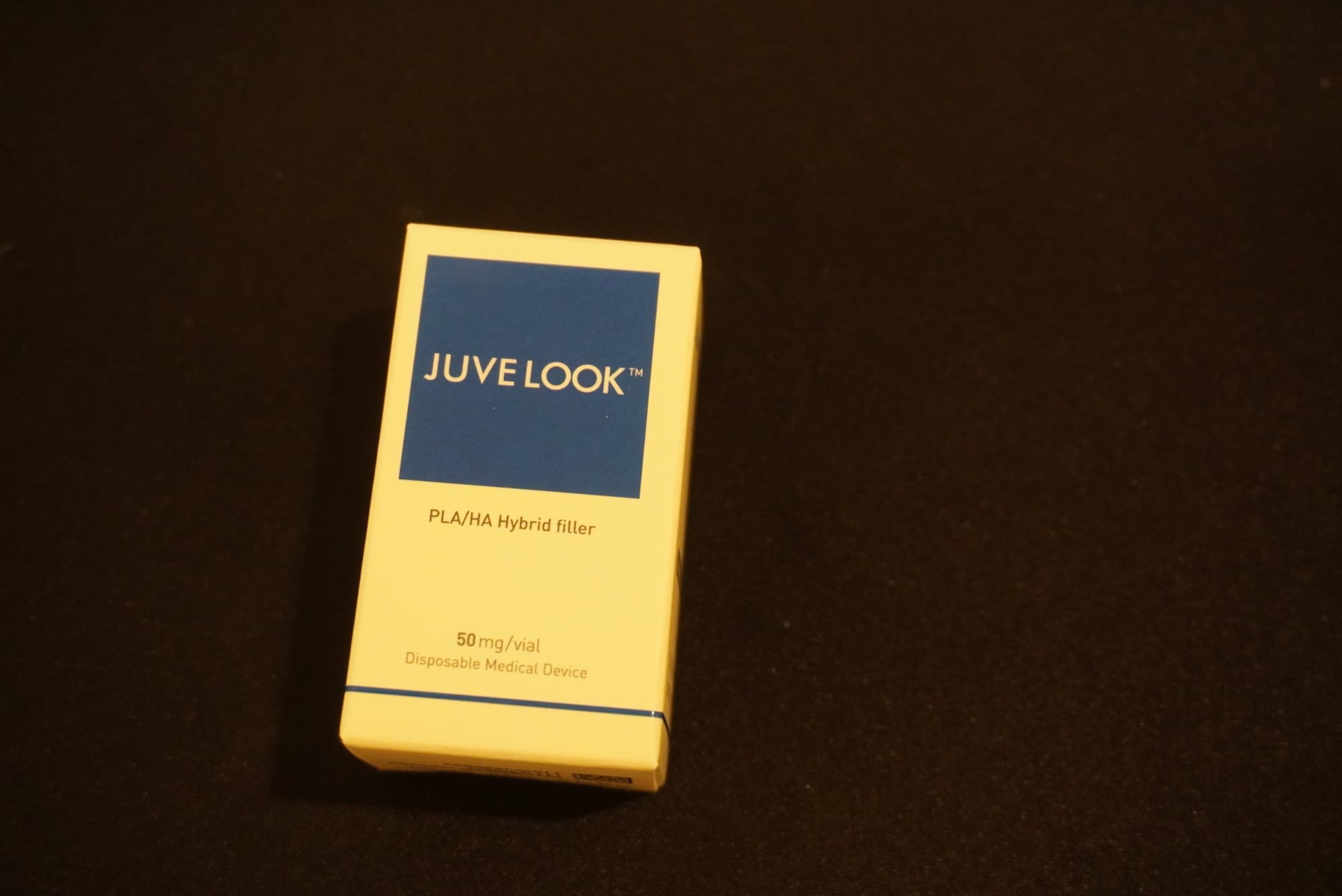
Juvelook has been drawing attention as a collagen skin booster, and many people have heard the name without being sure what the ingredient actually is, or how it relates to devices such as Dermashine and Potenza. The same Juvelook can take on a different character depending on which device delivers it and how. This article sets out how Juvelook works and how the two delivery methods, Dermashine and Potenza, differ.
What kind of skin booster is Juvelook
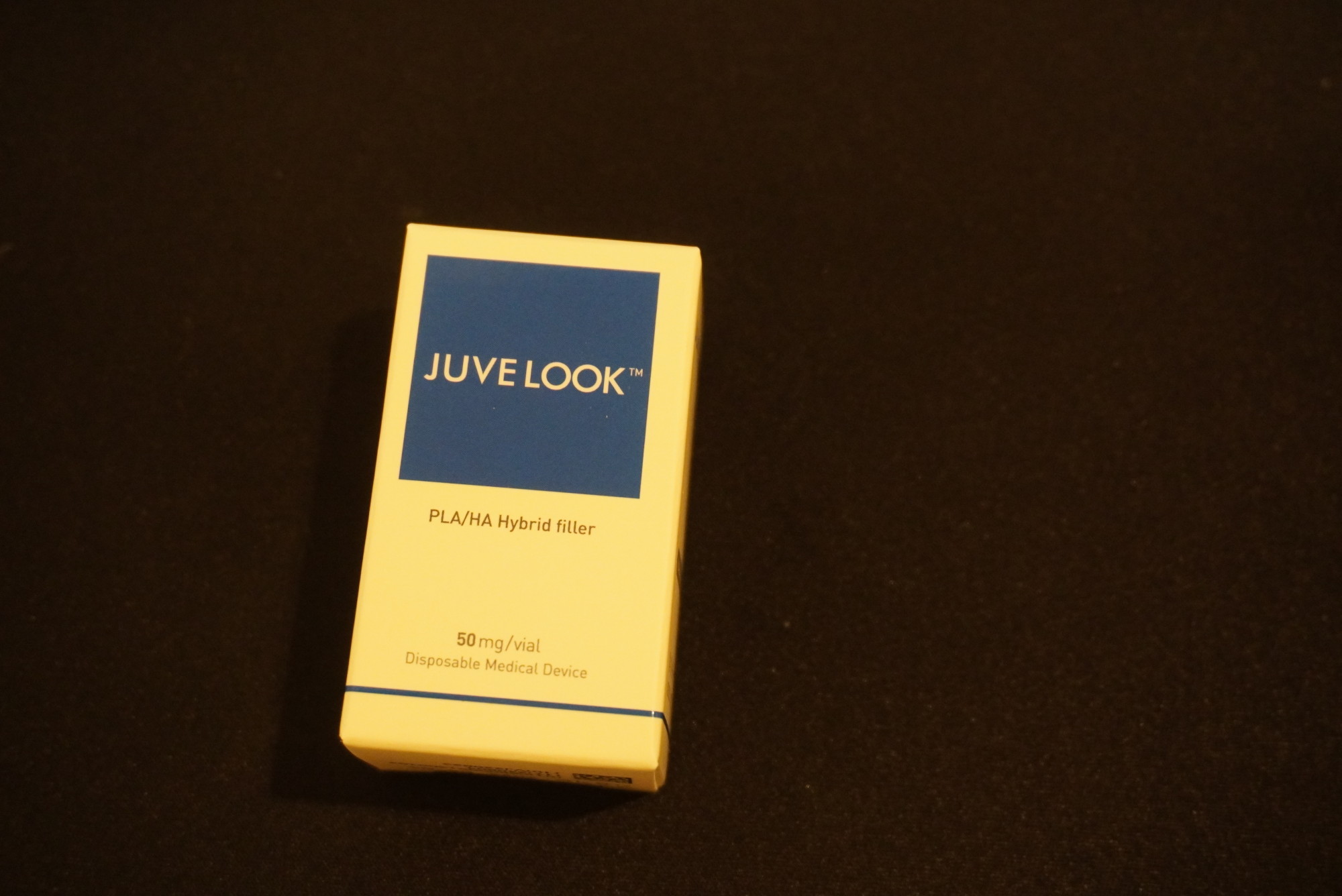
Juvelook is a self-collagen regenerating skin booster that combines high-molecular PLA, which induces collagen synthesis, with hyaluronic acid, which handles hydration. The ingredient has US FDA approval and is biodegradable and bioabsorbable, so after a certain period it breaks down in the body and is cleared. It is easier to picture it not as something that stays behind, but as something that stimulates collagen production while it is present and then disappears.
The collagen induced this way is used across a broad range of skin concerns: pores and scars, firmness and fine lines, hydration, and even fine volume. Where and how it should be injected depends on your skin condition, so at Skinique Clinic the method is decided after a thorough consultation. Broadly speaking, Dermashine Pro is used when the goal is overall skin improvement, and Potenza when a more active approach is called for.
Dermashine Pro: focused on even delivery
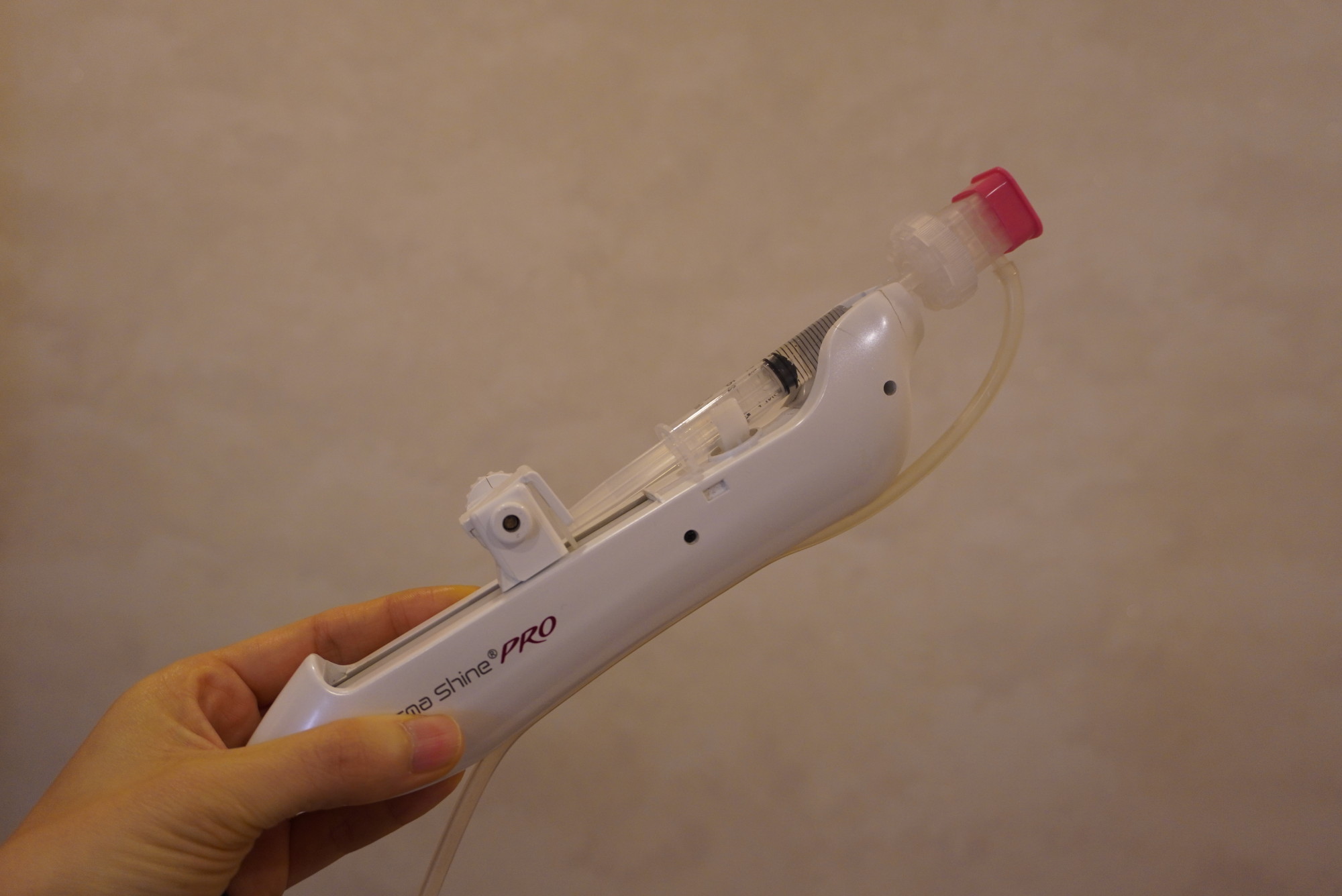
Dermashine Pro is a device optimised for the injection itself. Negative pressure draws the skin up so the needles sit flush against the surface, and nine fine needles then deliver the product at a consistent depth. Its strength is fast, even and accurate delivery, which is why it is chosen when the aim is to distribute the Juvelook evenly.
Potenza Fusion Tip: adding radiofrequency to the delivery
Potenza is a microneedle RF device, sometimes nicknamed the porcelain-skin laser, and on its own it is used for dermal regeneration, softening scars, and improving pores. When Juvelook is delivered through the Fusion Tip, which is designed for drug delivery, the fine needles carry the product into the dermal layer while radiofrequency energy is delivered at the same time, stimulating collagen production more actively.
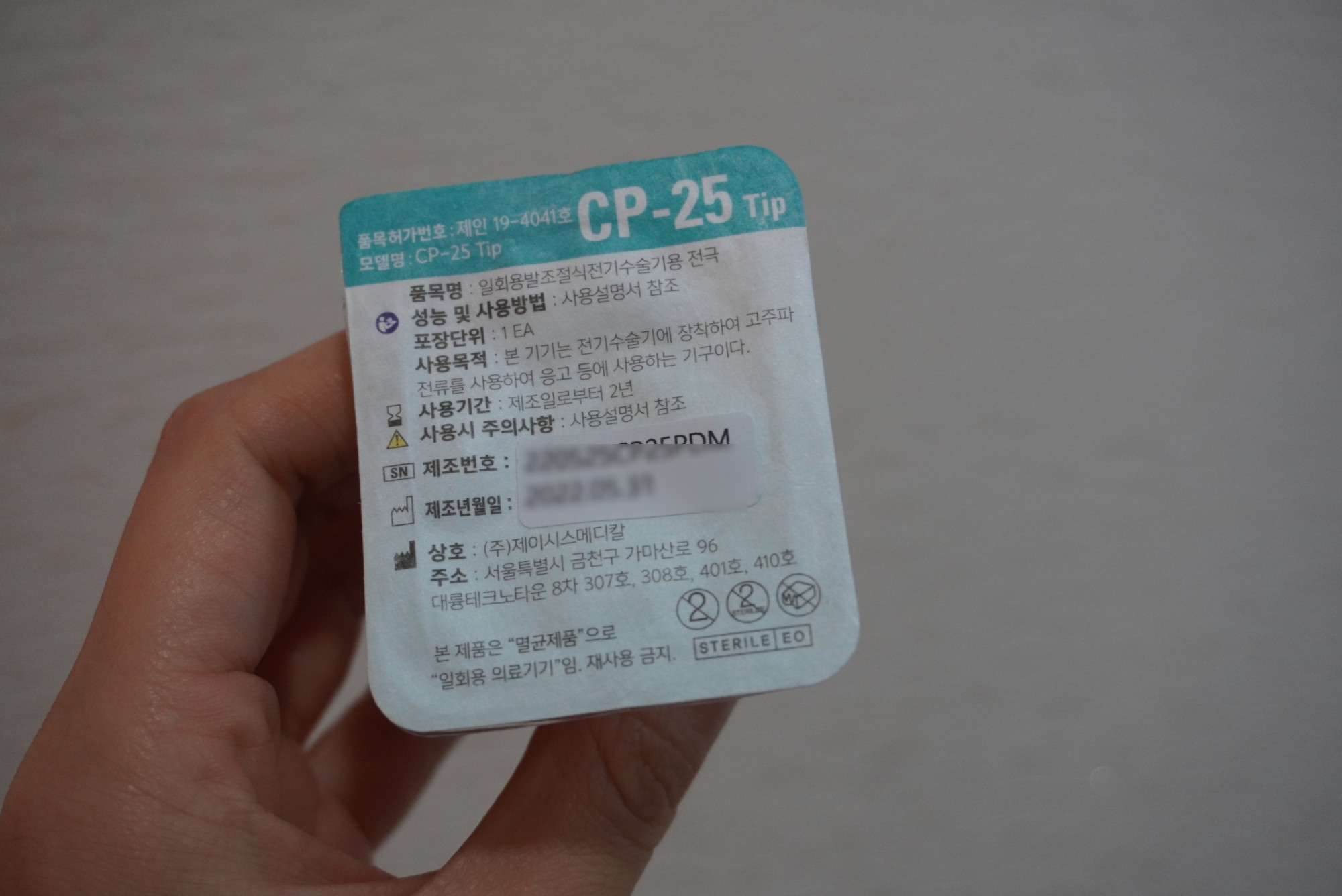
In other words, the regenerative stimulus of Juvelook and the firming stimulus of radiofrequency overlap within one session, so a broader improvement in firmness, pores and skin texture can be expected. Which of the two suits you depends on your skin condition and your goals, and responses vary from person to person.
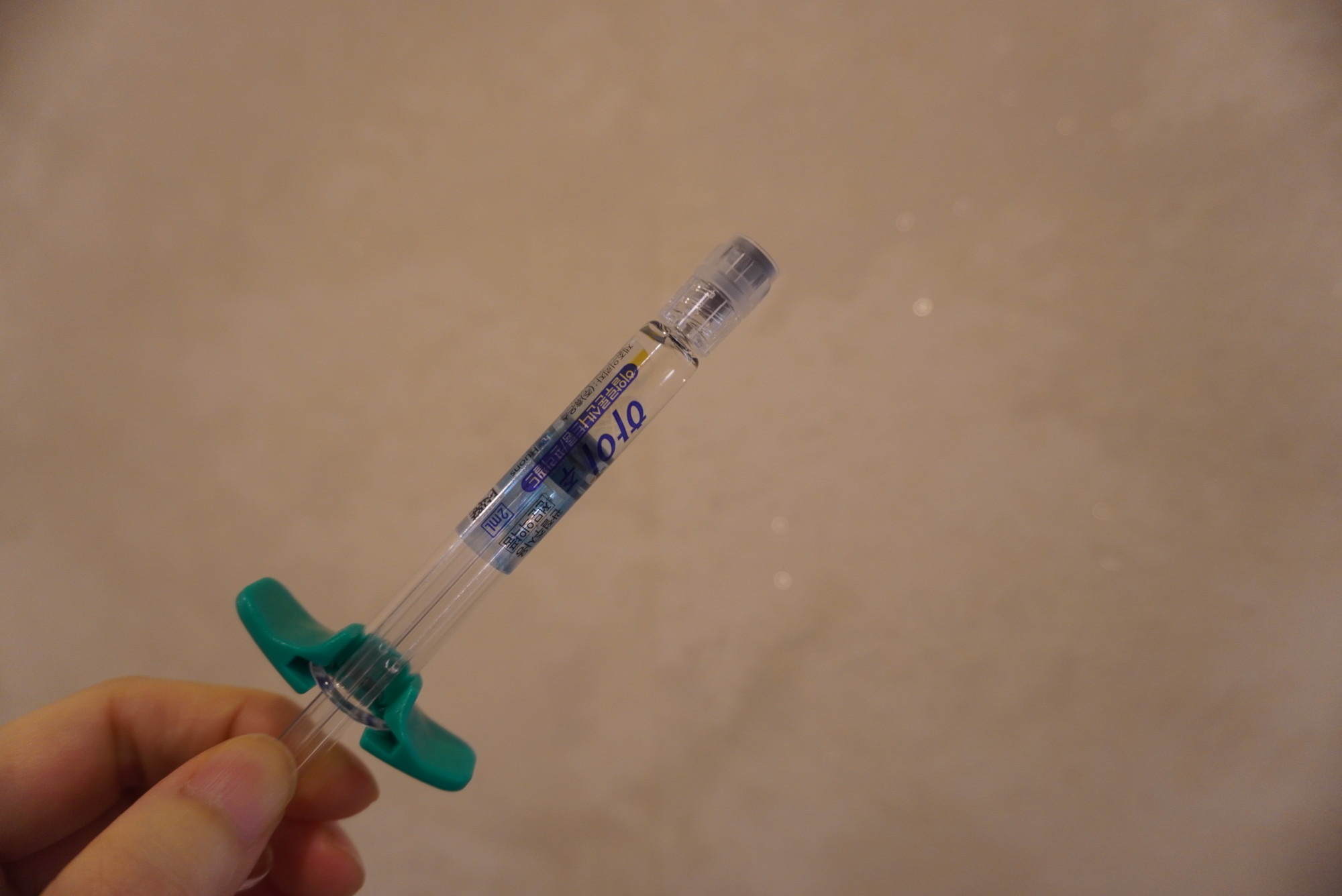
How results tend to appear
PLA, the main component of Juvelook, breaks down slowly within the skin tissue and induces collagen proliferation around it, so change usually begins about two to three weeks after the treatment and tends to build up over time. Skinique Clinic adds hyaluronic acid to this, so that the improvement in hydration in the early period is looked after as well.
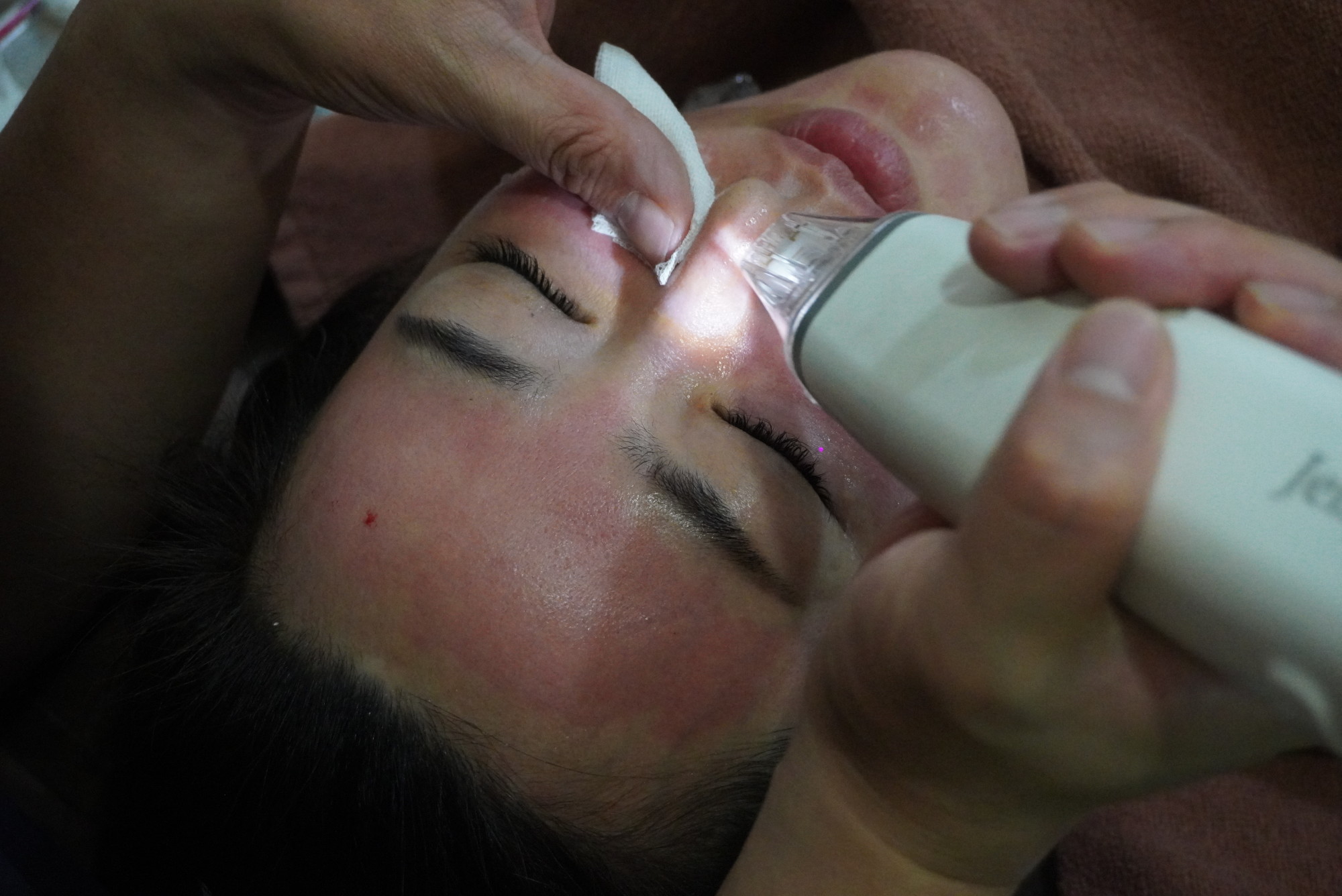
How Skinique Clinic performs the treatment
As a rule, the prepared product is used down to the last drop. Areas where concerns are concentrated, such as under the eyes, the nose and the butterfly zone across the mid-cheeks, are also given extra time and attention. Even with the same product, where it is injected and how carefully is what we see as separating one result from another.

Wrapping Up
Juvelook is a skin booster that induces collagen regeneration as it breaks down, and it comes in two delivery routes: Dermashine Pro when even distribution is the aim, and the Potenza Fusion Tip when radiofrequency stimulation is to be added. Which one suits your skin is best decided through an in-person consultation, and detailed pricing is available on the price guide. If you would like to talk through the direction for pore and firmness concerns, please ask about the right Juvelook approach for your skin over chat.
This article was written by Dr. Park Tae-hyung, Chief Director. He is the chief director of Skinique Clinic and serves as academic director of the Korean Society for Laser, Dermatology and Hair.
First published April 18, 2024 · Last reviewed August 23, 2026
This article is general medical information, and skin condition and response to treatment vary from person to person. Whether to undergo treatment, and by which method, should be decided through an in-person consultation.