
IPL laser can address several skin concerns at once — pigmentation, redness, pores — but it is also a treatment whose outcome varies a great deal depending on who is operating the device and with which settings. This article explains what the ICON IPL laser used at Skinique Clinic actually is, and why results differ from clinic to clinic.
Why IPL results depend on the operator
Unlike laser toning, which uses a single wavelength, IPL delivers a broad band of light in combination. That means the outcome is governed by how variables such as the wavelength filter, energy level, and pulse duration are combined, and if the settings do not match the condition of the skin, unwanted reactions can follow — pigmentation appearing more prominent, or the skin becoming dry. This is precisely why it is hard to choose a clinic by device name alone.
How we have studied the device
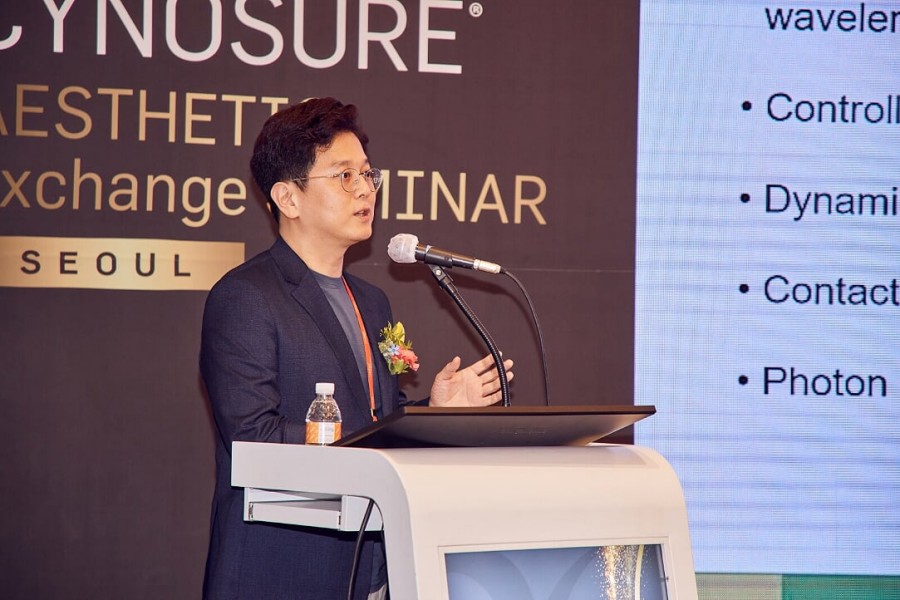
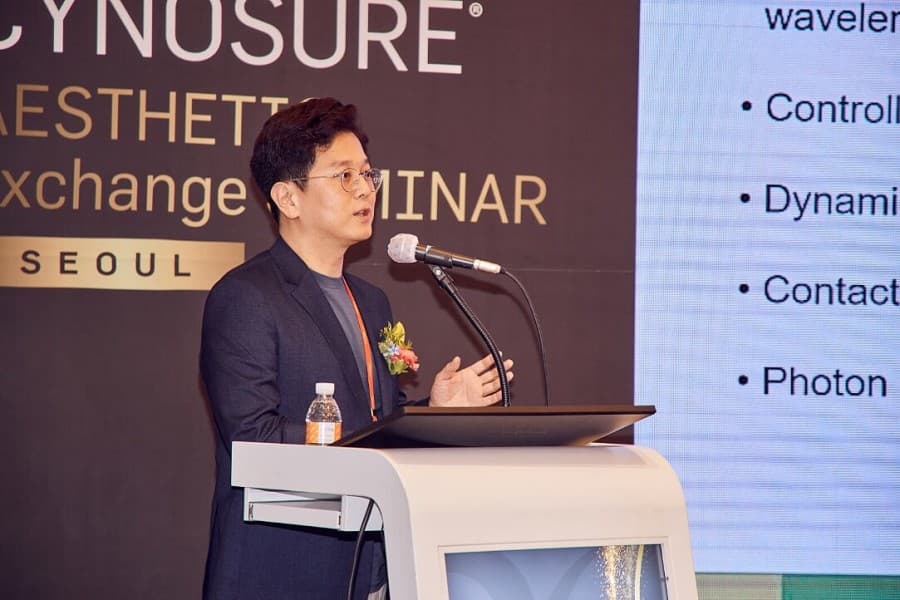
The medical team at Skinique Clinic presented its experience of operating the ICON at a 2020 seminar hosted by Cynosure, the manufacturer of the device. It was an occasion for organising what had been attempted and observed in clinical practice and sharing it with other clinicians.
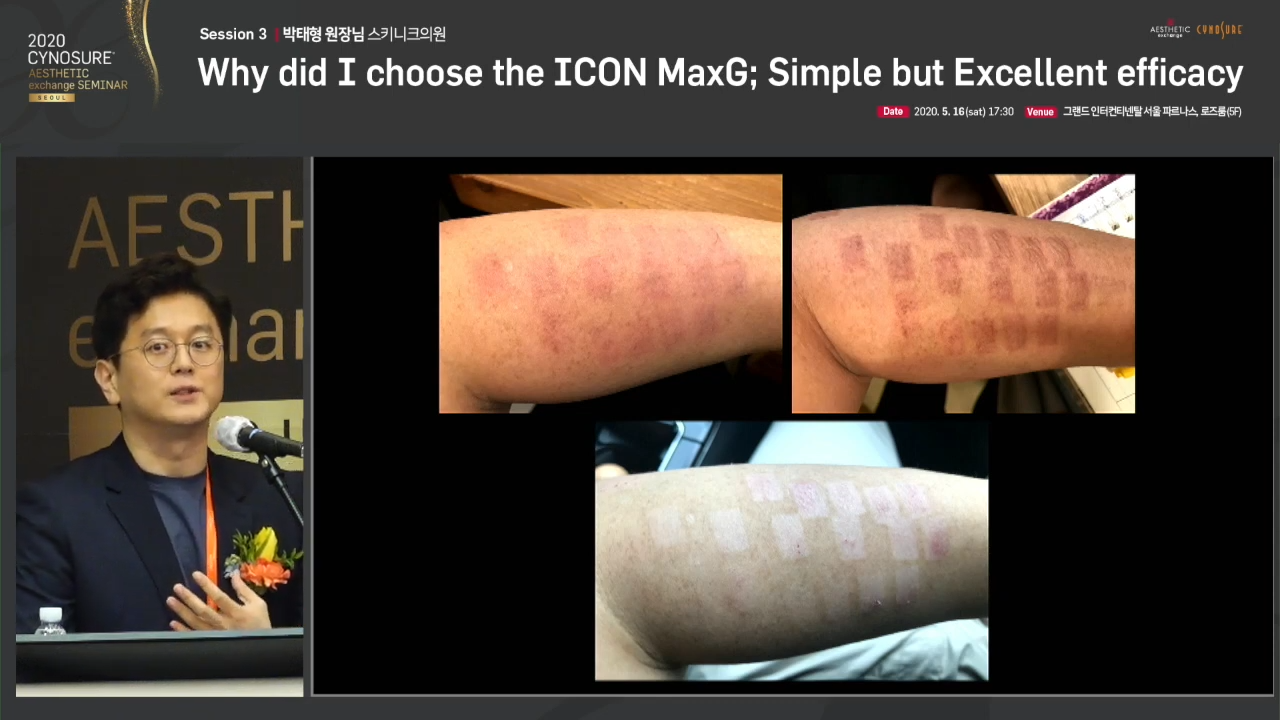
To see how the laser responds according to skin tone, and under what conditions pigmentation fades well, our doctors also gathered data by applying the device to their own forearms.
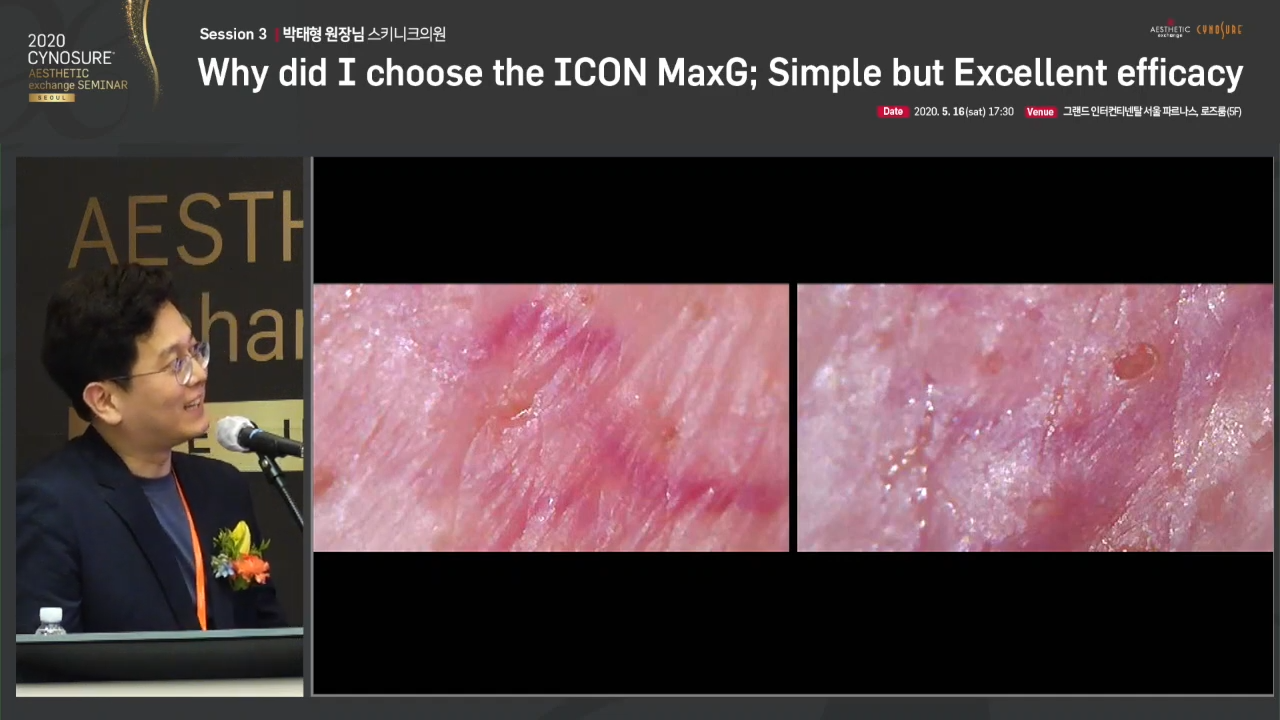
For treating facial redness, we tracked vascular changes before and after each pass under magnification, examining which settings were better suited to working with the vascular response. The combinations built up in this way are reflected in our actual treatment protocols.
Skin concerns we address with the ICON laser
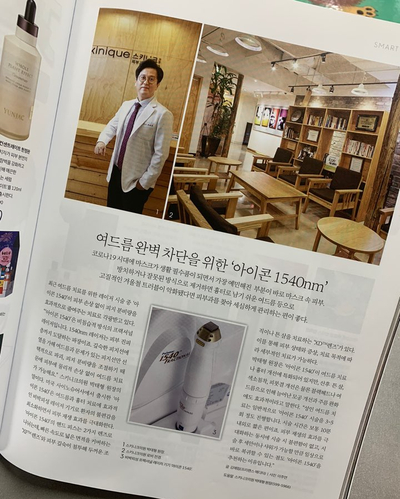
Through this process, Skinique Clinic applies the ICON laser to a broad range of skin concerns, including pigmentation, redness, pores, acne, and scarring. That said, skin condition and degree of response vary from person to person, so an in-person assessment is needed first to confirm whether it suits your skin.
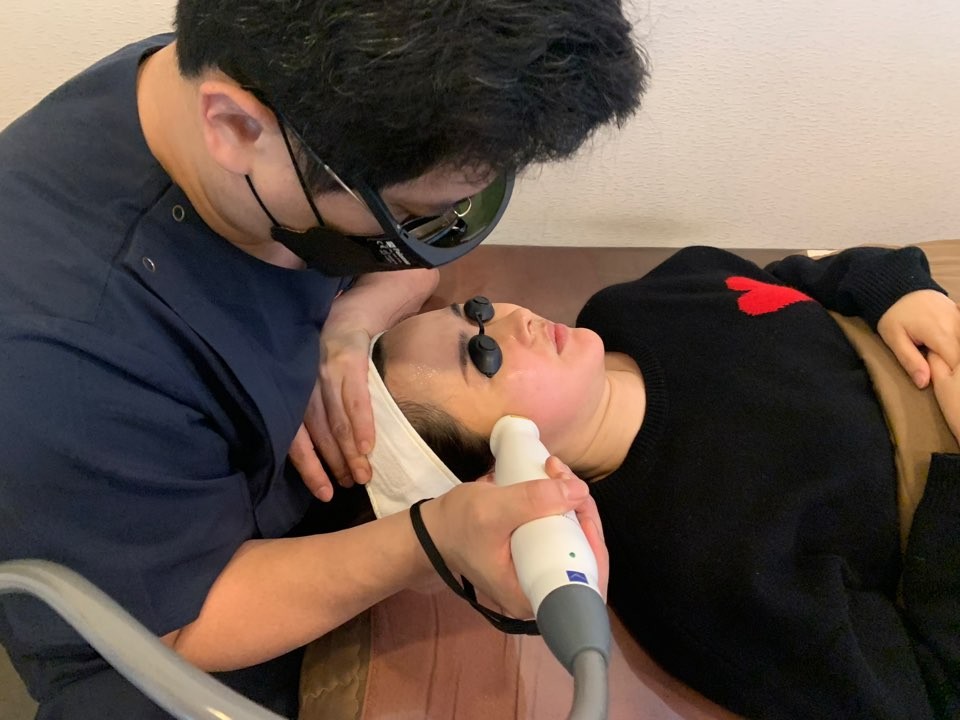
Skin that is troubled by pigmentation alone, pores alone, or redness alone is rare. Several concerns usually overlap, which is why Skinique Clinic works from a combined approach as standard — pairing IPL with other lasers such as Laser Genesis, which helps refine skin texture, according to the condition — rather than IPL on its own. Typically we begin with around three sessions at intervals of two to four weeks, then decide on the plan from there based on how the skin responds.
If you are wondering about cost
Because it uses multiple wavelengths, IPL sits in a somewhat higher price range than single-wavelength toning, though it is worth weighing that against its ability to address several concerns at the same time. Detailed pricing is available on our price guide.
Wrapping Up
With IPL, the combination of wavelength, energy, and time — that is, how the operator runs the device — matters as much as the device itself. If you would like to know whether the ICON laser is the right choice for your skin concerns, you are welcome to ask us through chat and get guidance for your own skin.
This article was written by Dr. Park Tae-hyung. He is the Chief Director of Skinique Clinic and serves as Senior Director of the Korean Society of Laser Dermatology and Hair. First published January 28, 2021 · Last reviewed August 24, 2026
This article provides general medical information. Skin condition and response to treatment vary from person to person. Whether and how to treat should be decided through an in-person consultation.