
Every time you look in the mirror the lentigo on your face catches your eye, and when you search for it, everything is about the Lipot laser, so it is easy to end up looking only for clinics that own that machine. But is the name of the device really what matters most in treating a lentigo? Here are straightforward answers to the two questions people considering lentigo removal ask most often.
Do you really need a Lipot laser
The questions that come up most often in lentigo consultations are whether we use the Lipot laser and whether one session will clear it. To answer the first: Skinique Clinic does not have a Lipot laser, so we do not use one for lentigo removal. Instead we perform laser treatment that approaches the pigment on a similar principle, and because we are not tied to a particular device name, the cost burden can be kept lower. That is the advantage of the approach we have chosen.
Lentigines that clear in one session, and those that need several
The answer to the second question is that it depends on the lentigo. Some are almost fully resolved in a single session, while others need several depending on the depth and the pattern of the pigment. This is the same whatever device is used: even treated with a Lipot laser, a lentigo with a complex pattern may need more sessions. In the end, the first step is finding out through an examination which type your lentigo is.
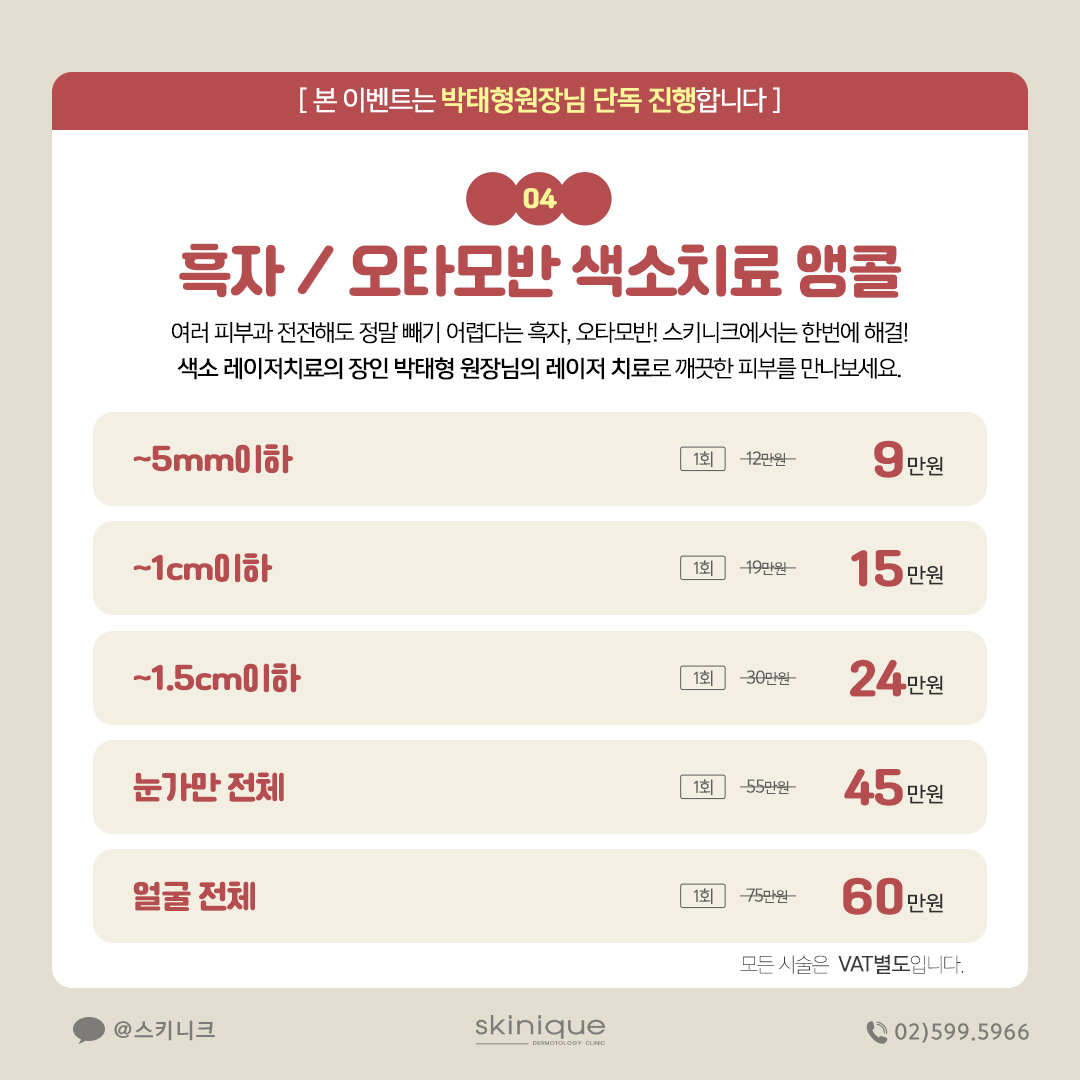
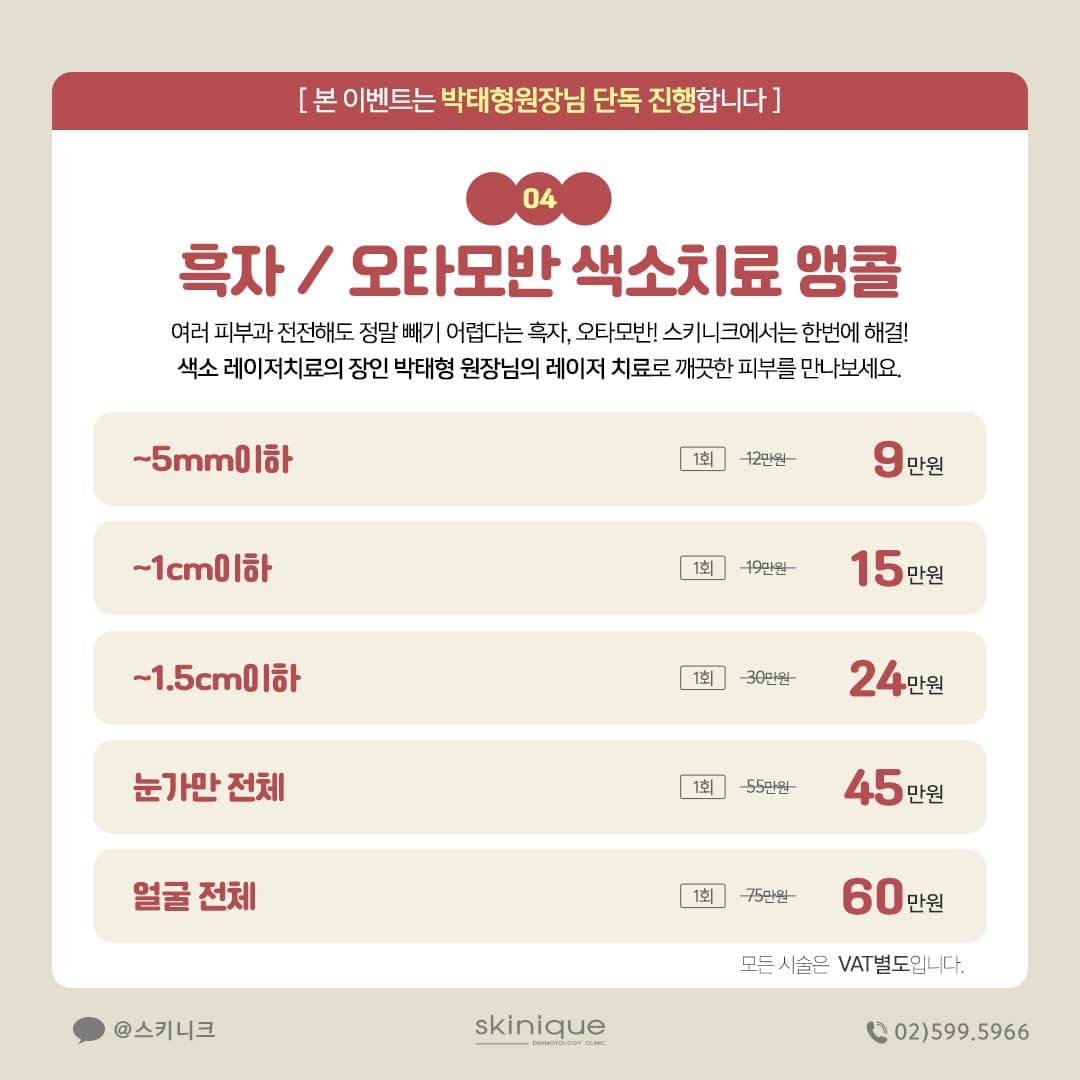
The cost of removing a lentigo or an Ota nevus varies with the size and the number of lesions, and details are available on the price guide.
Here is how the treatment proceeds
To show how treatment actually unfolds, here is the case of a patient who came in with a lentigo of some size on the cheek. Please keep in mind that progress and response vary from person to person.
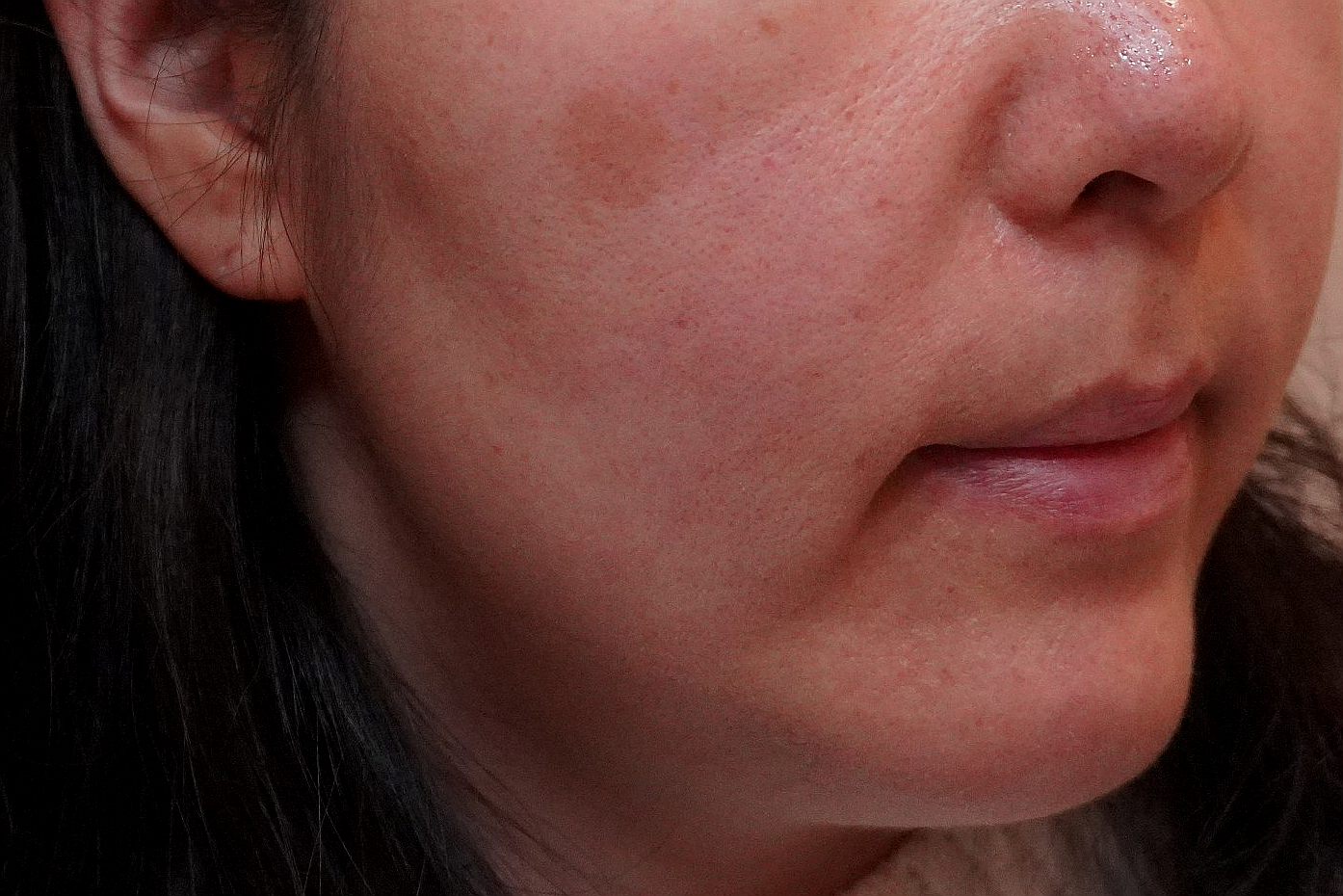
Even in a photo taken from a distance, the lentigo stood out like a large mole. At this size it can be treated without separate anaesthesia, so the procedure itself is on the short side.
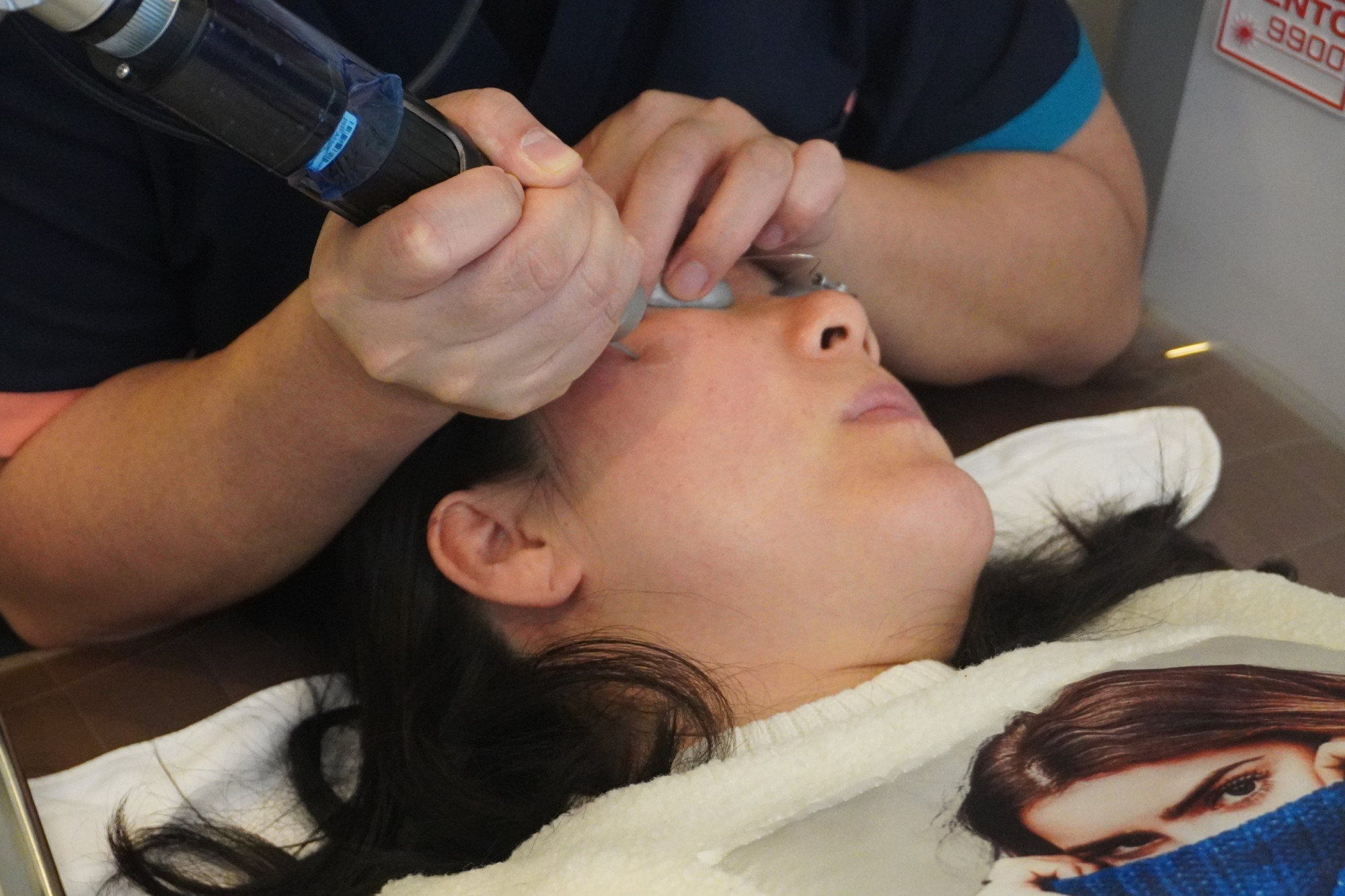
Chief Director Park Tae-hyung treated the lentigo with the laser while reading the depth of the pigment.
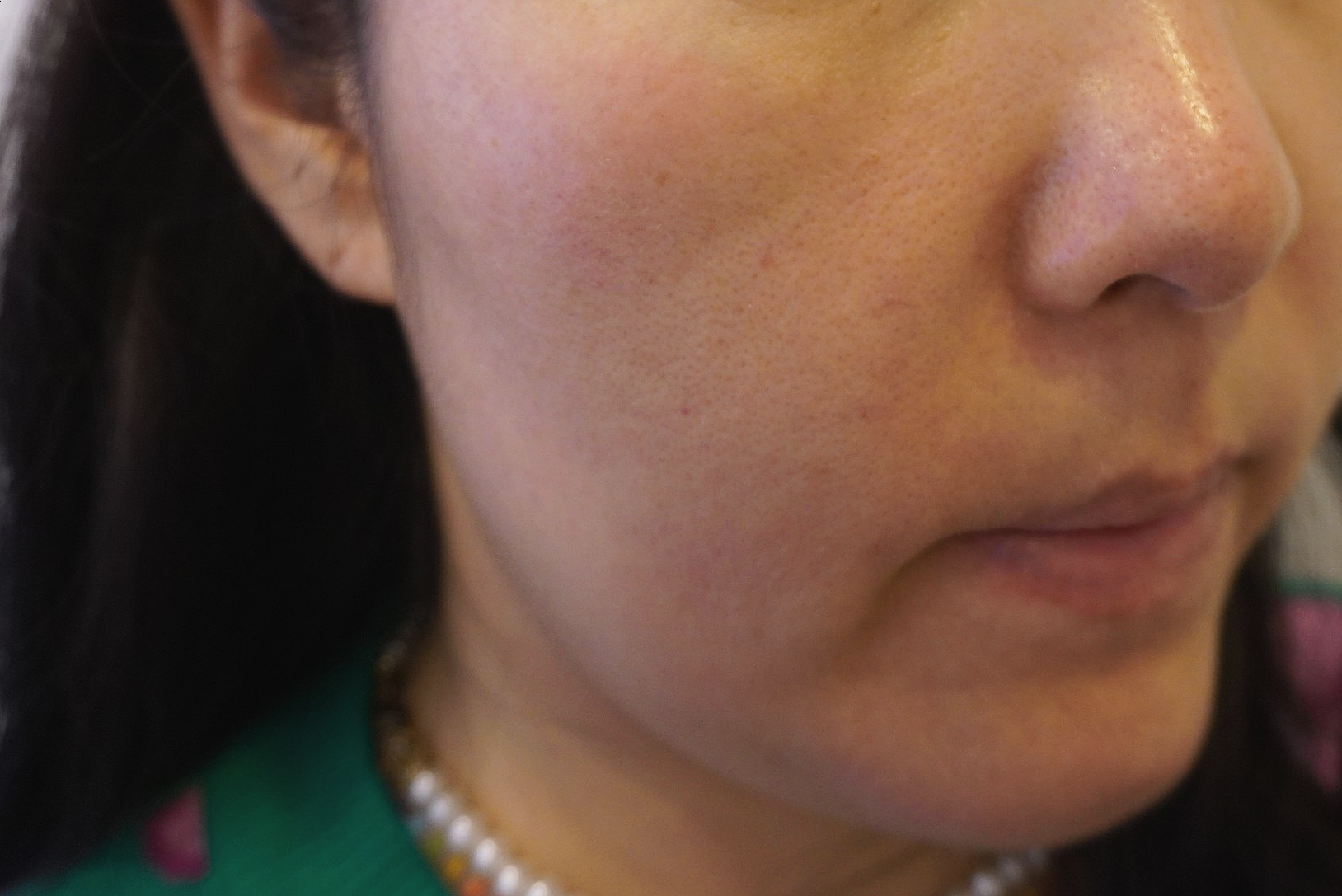
After treatment a DuoDERM dressing stays on for about two weeks of care at home before you remove it yourself. This patient happened to return two weeks later for another treatment, so we were able to see how the area looked right after the dressing was taken off at the clinic. A little redness remained, but the pigmented lesion had visibly faded, and that redness generally settles over time when sun protection and regenerative care are kept up.
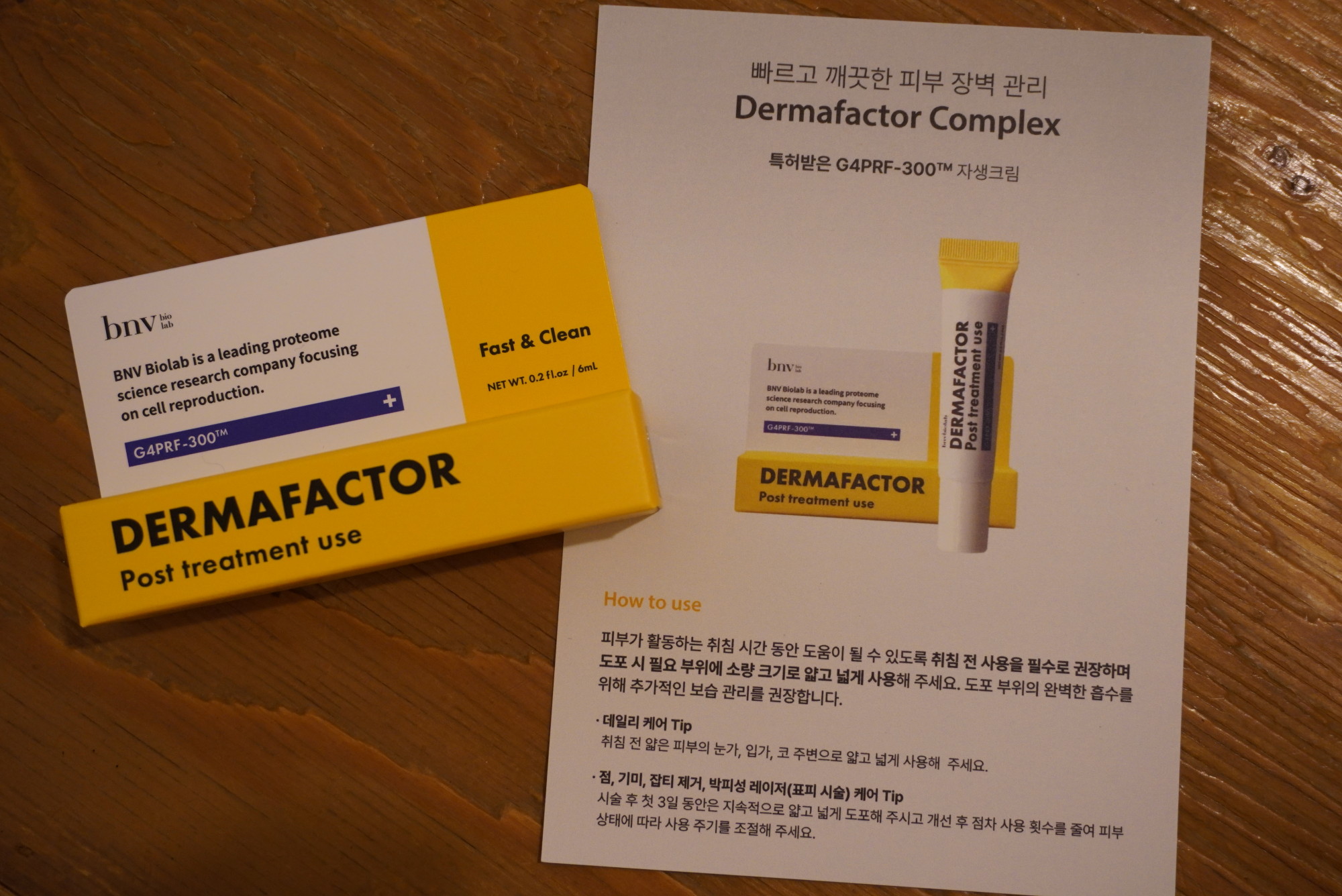
Once the dressing comes off we recommend a cream that supports skin renewal, and Derma Factor cream can also be purchased at the clinic.
Things to keep in mind before lentigo treatment
- The number of sessions a lentigo needs varies with its pattern. Diagnosis comes before the name of a device.
- The two weeks of DuoDERM care after treatment, and sun protection from then on, shape the outcome.
- Regenerative care during the period when redness lingers is part of the treatment too.
Wrapping Up
What decides the outcome of facial lentigo removal is not a particular device but reading the pattern of your pigmented lesion accurately and treating it accordingly. Since sessions and progress differ by the type of lentigo, we suggest checking the condition through an examination first. If anything is unclear, feel free to ask through Chat with us about the right direction for your lentigo.
This article was written by Dr. Park Tae-hyung, Chief Director. He is the chief director of Skinique Clinic and serves as an academic director of the Korean Society for Laser Dermatology and Trichology. First published January 16, 2024 · Last reviewed August 23, 2026
This text is general medical information. Skin conditions and responses to treatment vary from person to person. Please decide whether and how to be treated after a consultation.