
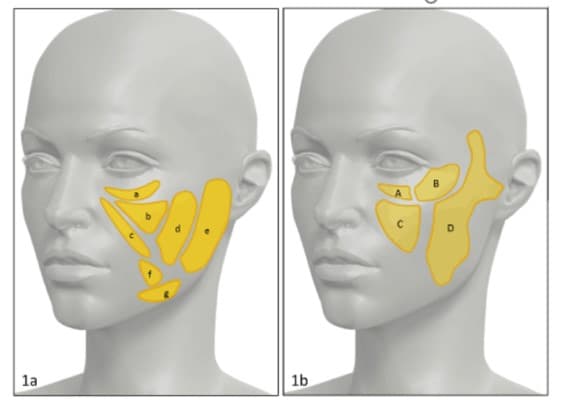
If hollow cheeks have led you as far as looking into fat grafting, the recovery involved and the complication reports may have given you pause. The alternative drawing attention is cheek filler, which fills the front and side cheeks with dermal filler. This article works through why cheeks hollow, what the procedure involves, and how a product is chosen.
Why Cheeks Are the First to Hollow With Age
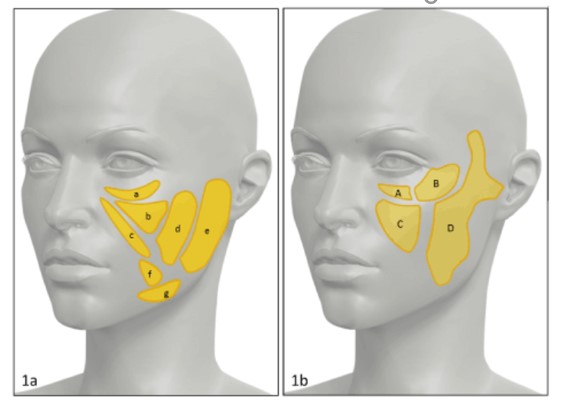
Facial fat sits in two layers: a superficial layer near the surface of the skin and a deep layer closer to the bone. When you are young both layers are evenly filled and volume holds. As ageing progresses the deep layer thins first, allowing heavier folds such as nasolabial lines and jowls to settle in; once the superficial layer thins too, fine lines increase and the surface of the skin starts to look crepey.
What Cheek Filler Does, and a Common Misconception
Cheek filler restores volume by topping up the fat compartments that have emptied out. When hollow cheeks are filled, the face as a whole can look noticeably fresher. Some people feel a vague resistance to filler, but the problem often lies less with filler itself than with the use of unverified low-cost products, or with injecting the same volume into everyone by rote. When the product and the injection plan are properly set out, filler is a relatively safe option to consider.
Treatment Begins With Design
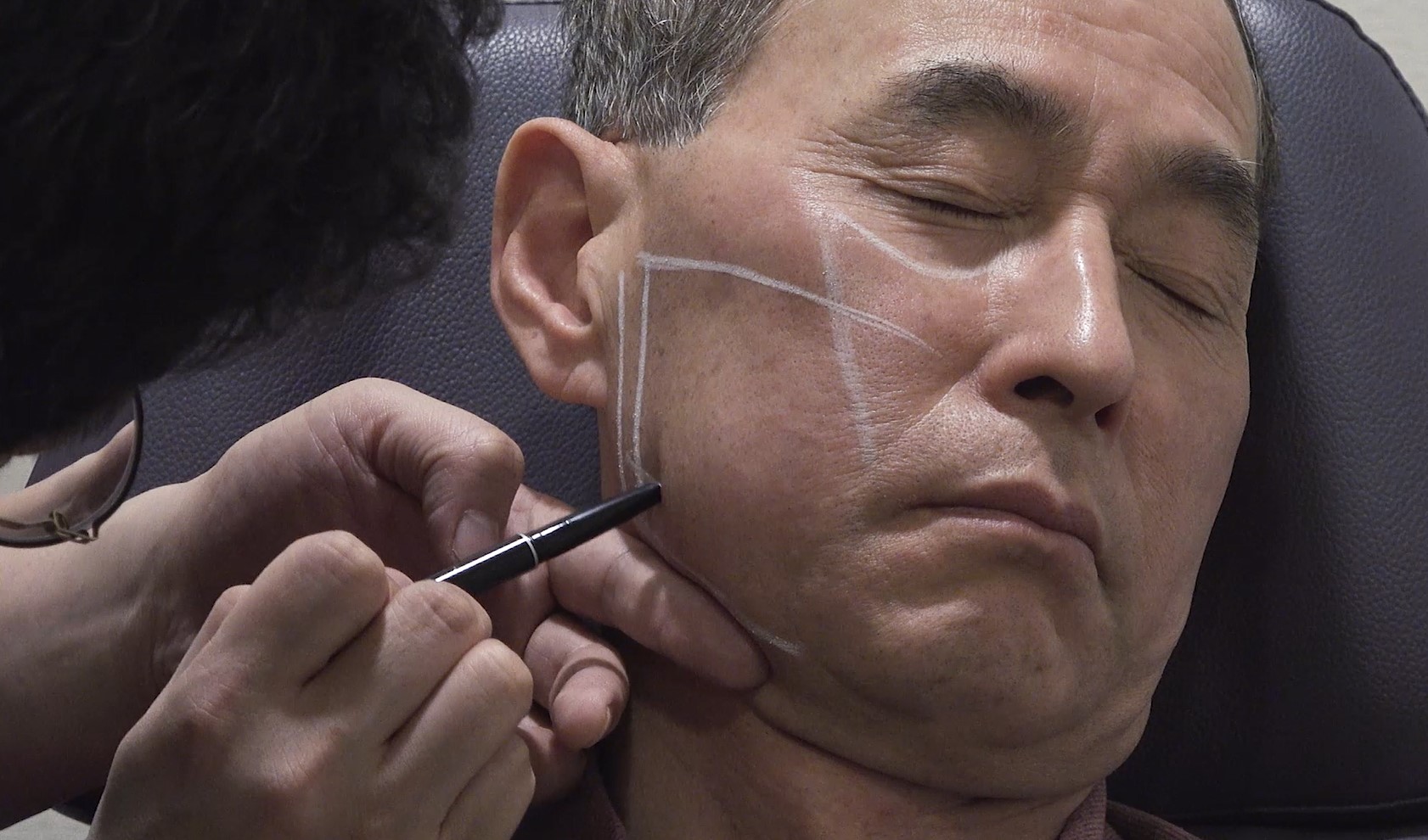
At SKINIQUE Clinic, cheek filler begins once the product is settled in consultation, by drawing a detailed design onto the face. Rather than dividing the face into rough zones and putting a set volume into each, we map the overall balance we want after treatment first, and design different injection points for each person. Once the design is done, local anaesthesia is given by injection rather than by numbing cream; despite how that sounds, the discomfort involved is not heavy.
Cannula Placement, and Which Filler We Use
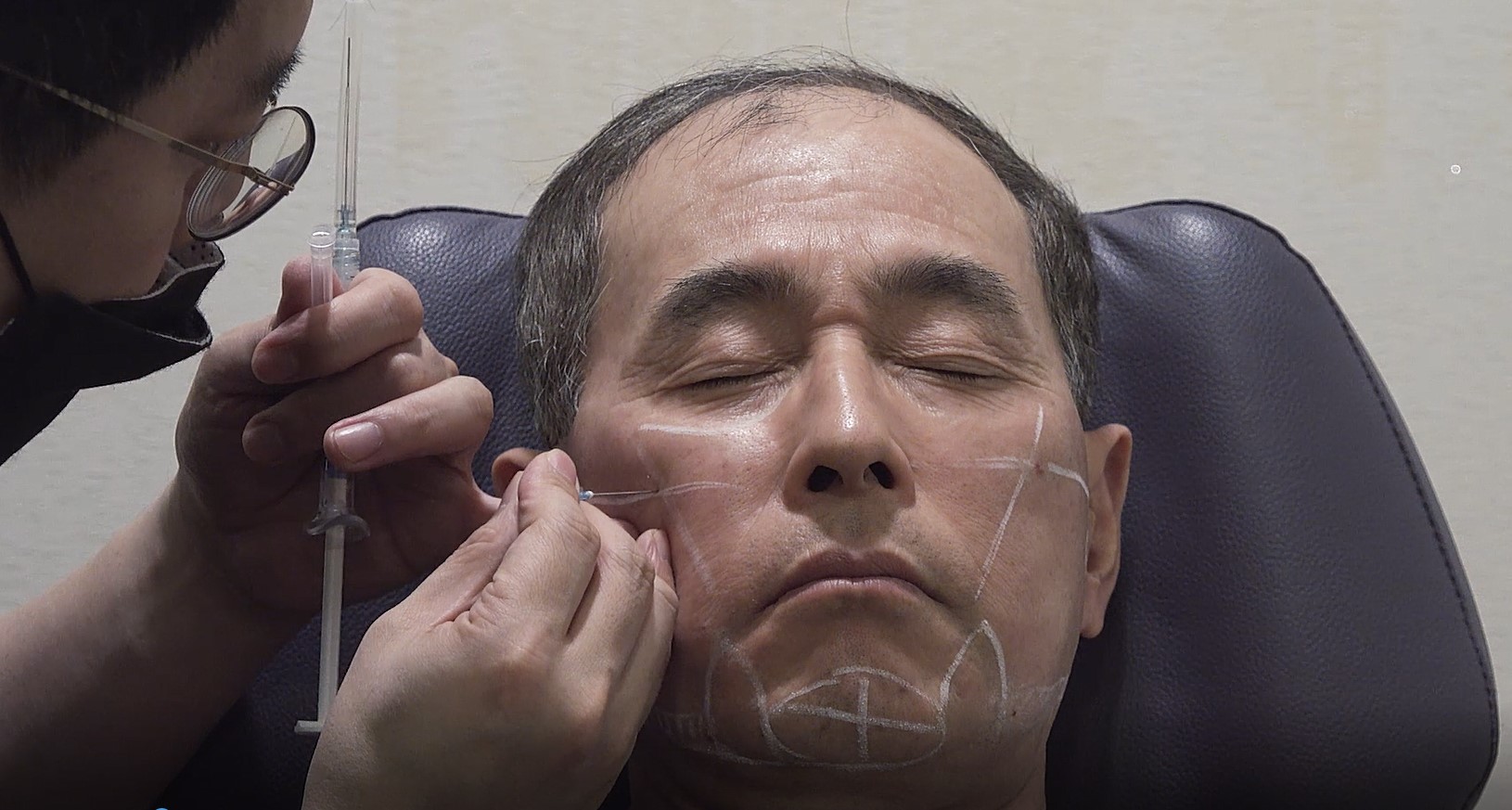
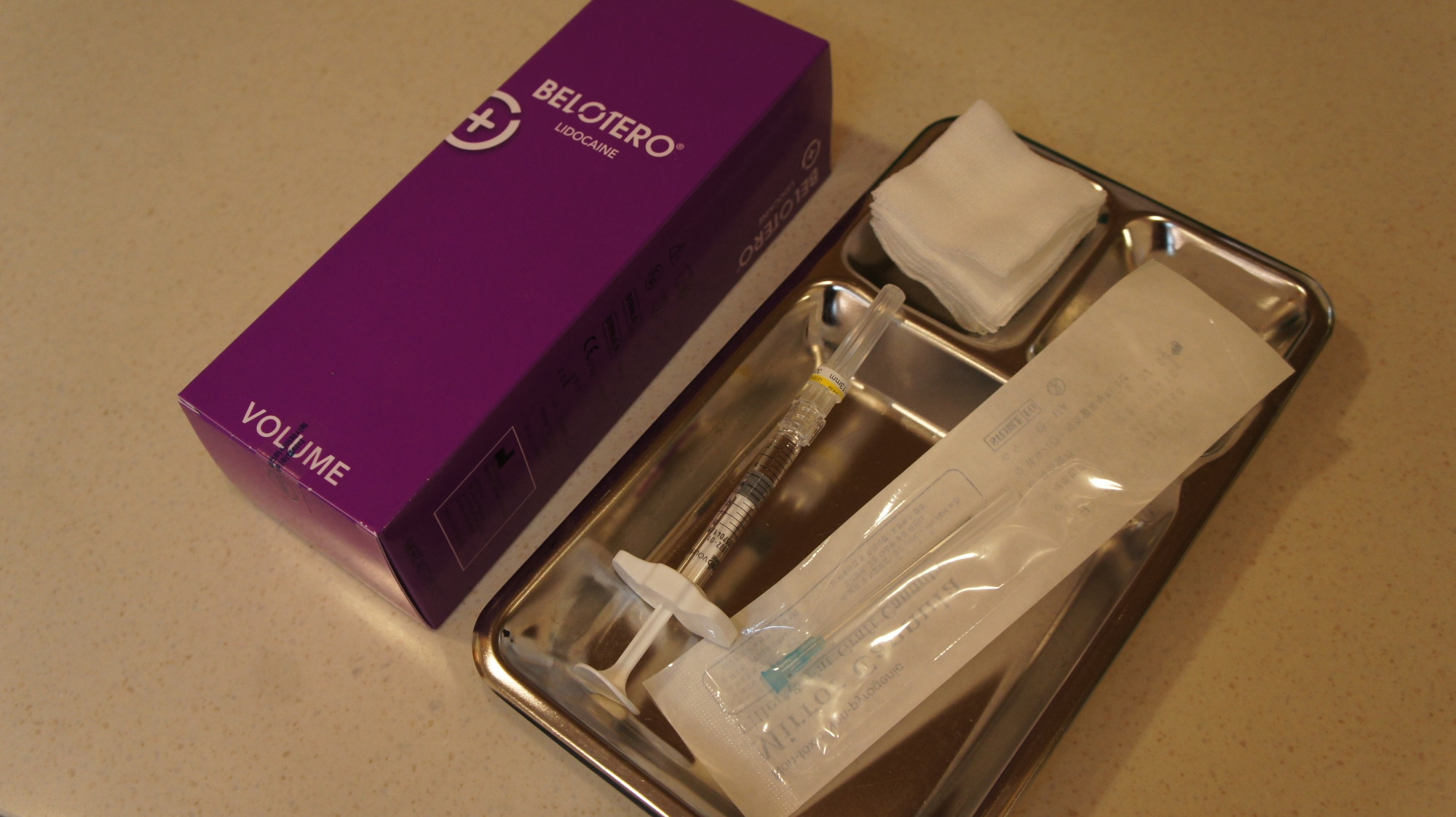
After anaesthesia, a fine needle creates the entry point through which the filler will pass, and the filler is then placed through a blunt-tipped cannula. Because a cannula does not pierce vessels directly, it helps reduce bruising, swelling and tissue trauma. SKINIQUE Clinic works with internationally validated imported fillers such as Restylane, Juvederm and Belotero, and for the cheeks we mainly use Belotero Volume, made by Merz of Switzerland. We judged its consistency — soft while holding its shape well — to suit hollow cheek areas. That the director has tried a range of fillers himself and decided where each one applies is also part of how SKINIQUE Clinic works.
What Really Decides the Result Is the Volume
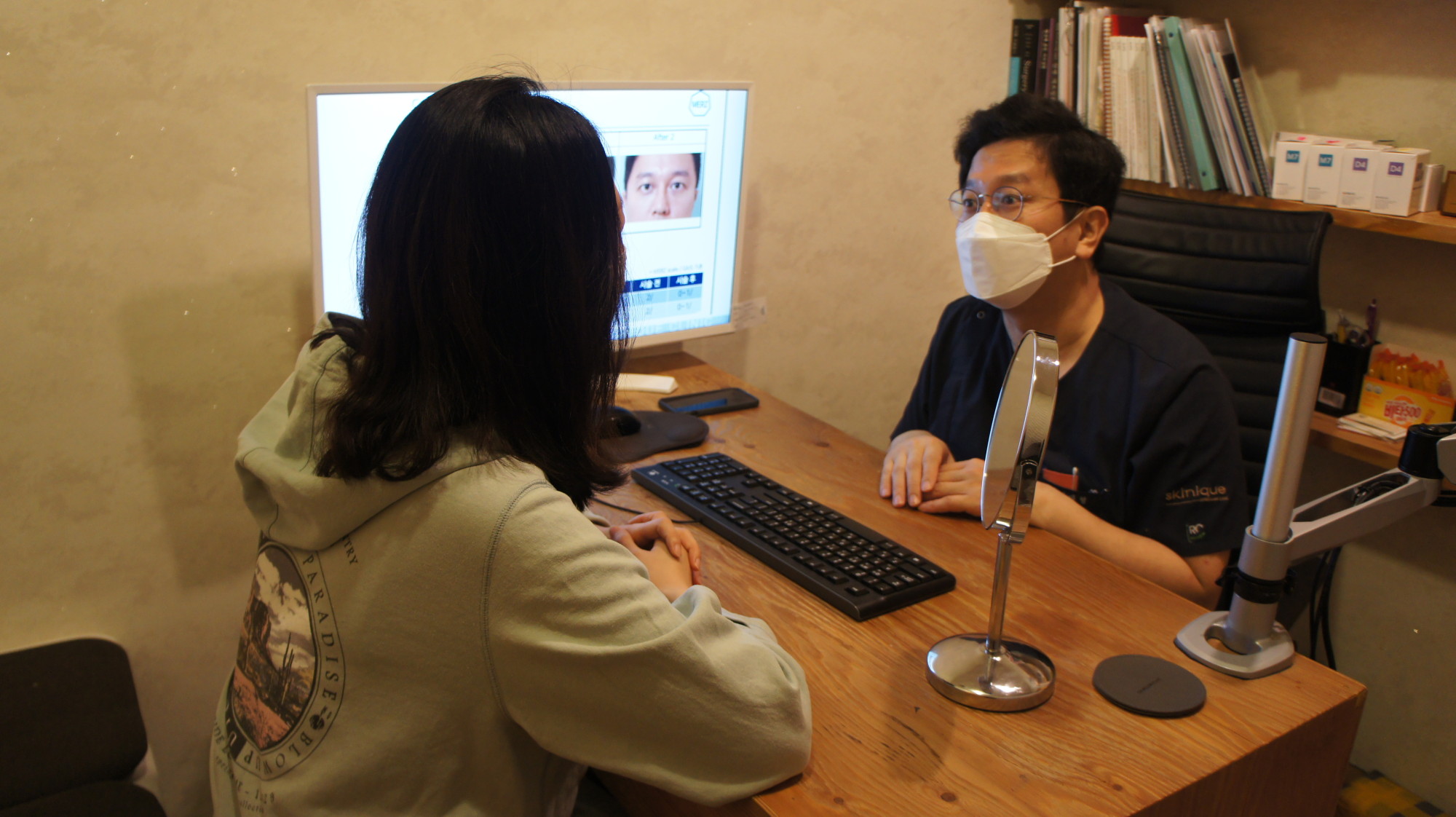
Even with the same product, the result changes considerably with the design and the volume placed. Too much looks unnatural and can invite sagging instead; too little leaves the change hard to feel. Face size, skin thickness and facial shape all differ, so rather than a number of cc, it matters to find a doctor who sets the volume against the overall balance the face will have after treatment. Response and how long it lasts vary from person to person. Detailed costs can be found in the pricing guide.
Wrapping Up
Hollow cheeks come from the superficial and deep fat layers thinning together, and cheek filler is a procedure that fills that space to bring volume back. What counts is not the product name but a design that reads the balance of the whole face, and an appropriate volume. If you are wondering where your own cheeks would benefit and by how much, ask us in a chat about the direction that suits your face.
This article was written by Dr. Park Tae-hyung, Chief Director. He is the chief director of SKINIQUE Clinic and serves as academic director of the Korean Society for Laser Dermatology and Trichology. First published May 12, 2021 · Last reviewed August 24, 2026
This article is general medical information. Skin condition and response to treatment vary from person to person. Whether to be treated, and how, should be decided through consultation.